Columbia University professor Jeffrey Sachs has criticized U.S. military action that led to the capture of Venezuelan President Nicolas Maduro and his wife on Saturday, describing the United States as a "war machine" and accusing it of violating international law.
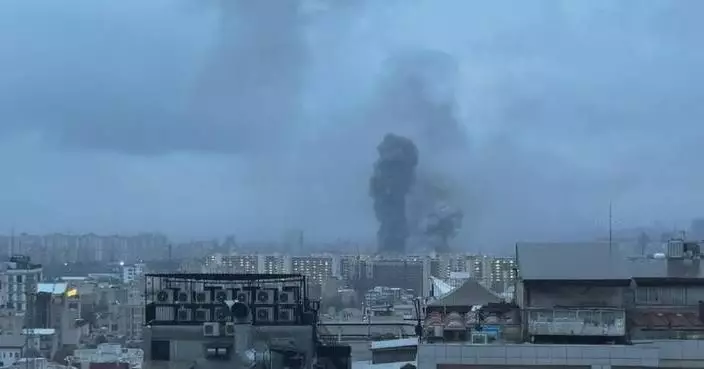
The Venezuelan government said the strikes hit civilian and military sites in at least four states, including Caracas, Miranda, Aragua and La Guaira, and called the U.S. action a blatant violation of the UN Charter.
Sachs, director of the Center for Sustainable Development at Columbia University, said the intervention was a grave breach of international law and the UN Charter.
"This is another very dire violation of international law. It's more U.S.-led violence. The United States is a war machine. This is a thuggish regime that we have right now. It is extra-constitutional. It is not governed by law. But most importantly, most tragically, most dangerously, this U.S. government has ripped up the UN Charter. The UN Charter is not a game. The UN Charter is our lifeline. It is a way to avoid the disasters of war that befell the world twice in world wars in the 20th century. But the United States, I think pretty much alone in the world, is ripping up the UN Charter. The United States doesn't care at all," said Sachs.
The U.S. action in Venezuela has drawn criticism at home and abroad, with several lawmakers publicly opposing the military strikes and protests erupting in cities including New York, Washington and Los Angeles. In Caracas, Venezuelans also gathered on Saturday to condemn the attacks.
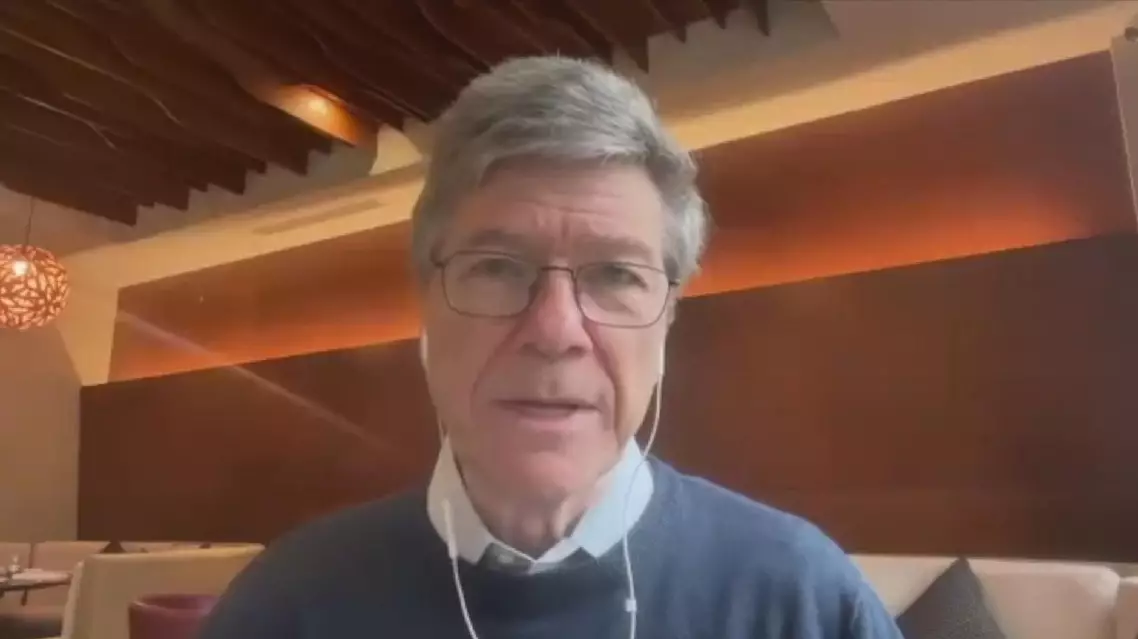
Columbia professor criticizes US as "war machine" over Venezuela military action