PORTLAND, Ore. (AP) — An Oregon cafe that takes orders in sign language has become a cherished space for the Deaf community, providing a unique gathering place as well as employment for those who are deaf or hard of hearing.
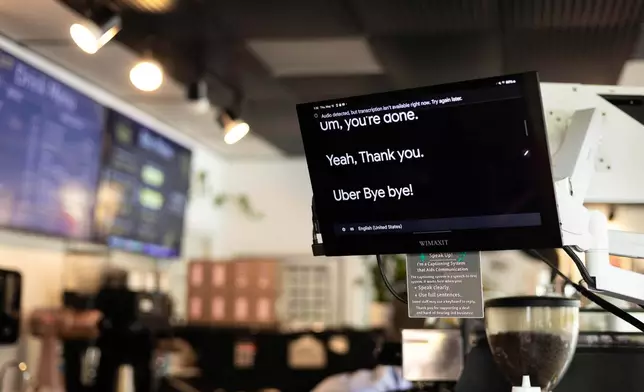
American Sign Language, or ASL, is the primary language at Woodstock Cafe in Portland, The Oregonian/OregonLive reported. Non-ASL speakers can use a microphone that transcribes their order onto a screen.
Click to Gallery
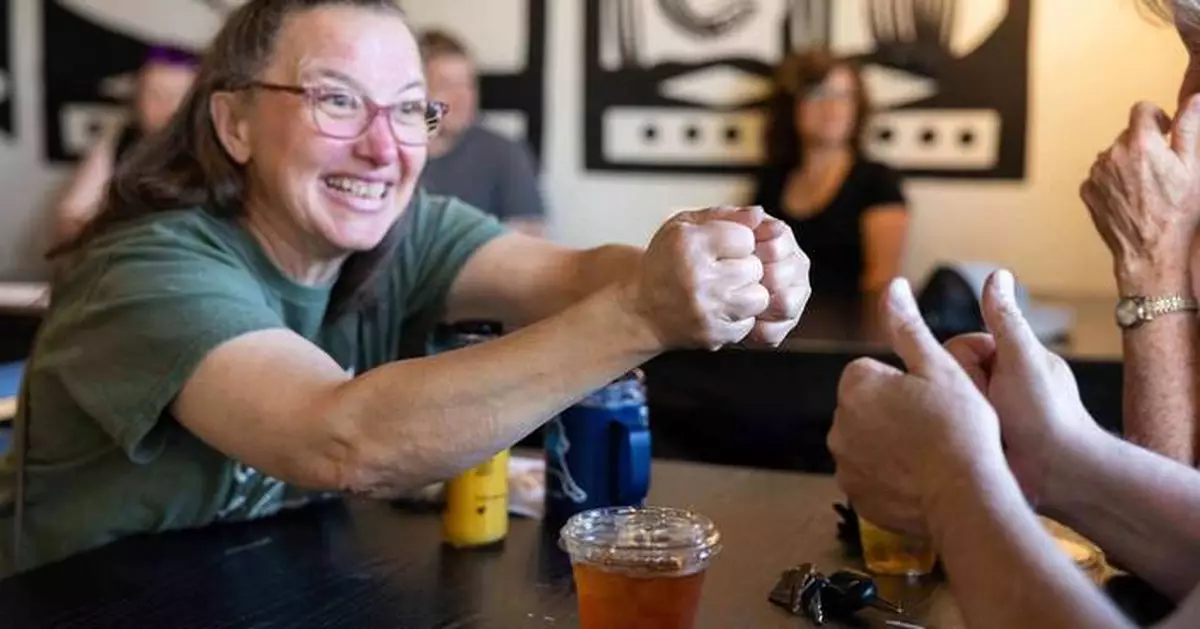
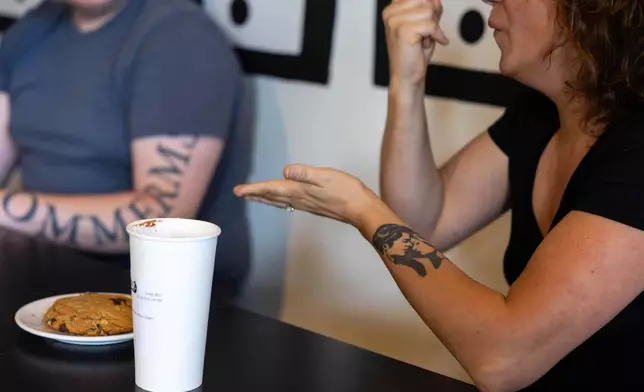
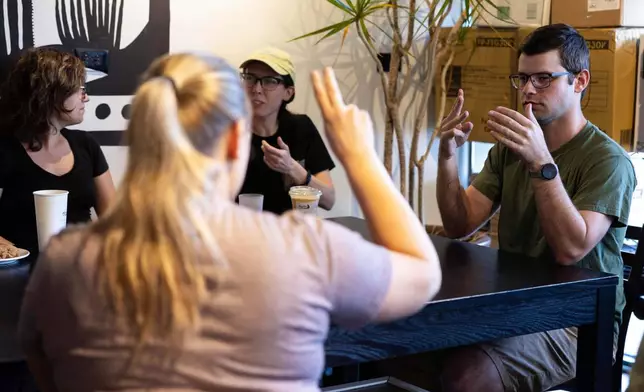
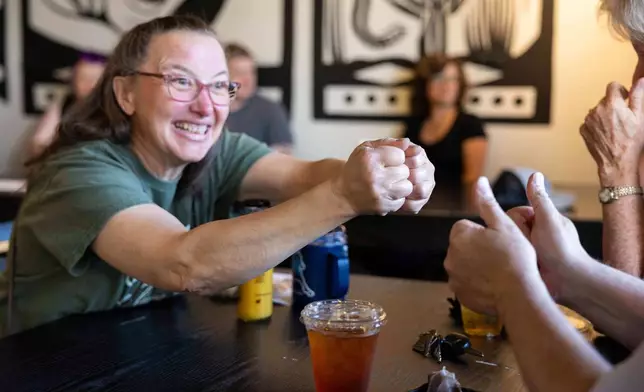
People attending a weekly meet up called "Sign Squad" communicate in American Sign Language at the Woodstock Cafe on June 10, 2025, in Portland, Ore. (Allison Barr/The Oregonian via AP)
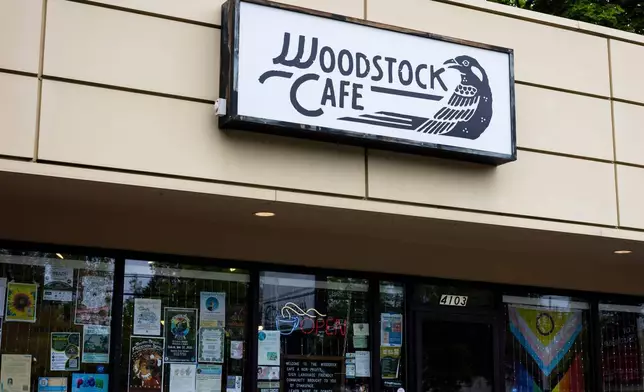
A sign for Woodstock Cafe is seen on May 15, 2025, in Portland, Ore. (Allison Barr/The Oregonian via AP)
People attending a weekly meet up called "Sign Squad" communicate in American Sign Language at the Woodstock Cafe on June 10, 2025, in Portland, Ore. (Allison Barr/The Oregonian via AP)
A screen displays words spoken by customers that comes from microphones translated onto screens is seen at the Woodstock Cafe on May 15, 2025, in Portland, Ore. (Allison Barr/The Oregonian via AP)
People attend a weekly meet up called "Sign Squad" at the Woodstock Cafe on June 10, 2025, in Portland, Ore. (Allison Barr/The Oregonian via AP)
People have moved from across the country to work at the cafe because it can be hard for people who are deaf or hard of hearing to find jobs, Andre Gray, who helped open the cafe, told the news outlet in sign language.
“So the cafe becomes their stable place. It’s their rock,” he said.
The cafe — owned by CymaSpace, a nonprofit that makes art accessible to the Deaf community — also hosts weekly ASL meetups and game nights. Sign Squad on Tuesdays is a popular event, drawing people like Zach Salisbury, who was born with a rare genetic disorder that causes gradual loss of hearing and sight and uses a cochlear implant, and Amy Wachspress, who started learning sign language nine years ago as she lost her hearing.
The hearing spectrum among attendees is diverse, with deaf people signing with students taking introductory sign language classes and hard of hearing people reading lips and communicating with spoken word and hand signals.
“What I just love about it is that there’s so many different people that come," said Wachspress, who classifies herself as hard of hearing and primarily reads lips to communicate. "It’s so eclectic ... just many different kinds of people from all different backgrounds. And the one thing we have in common is that we sign.”
Wachspress loves to tell the story about a deaf toddler born to hearing parents who wanted him to be immersed in Deaf culture. When they brought him to the cafe, he was thrilled to see other people sign.
“He was just so beside himself excited when he realized that you could communicate with people using sign," she said. “We were all so touched. ... That’s the kind of thing that happens here at the cafe.”
Gray, who helped open the cafe, said there were plans to acquire adjacent vacant buildings for a Deaf Equity Center but that much of the funding was cut following the change of presidential administration. However, CymaSpace hopes to find funding from private organizations and a future crowdsourcing campaign.
“It gives power to the community as opposed to a fear of signing. We, as a community, are so proud of who we are,” he said.
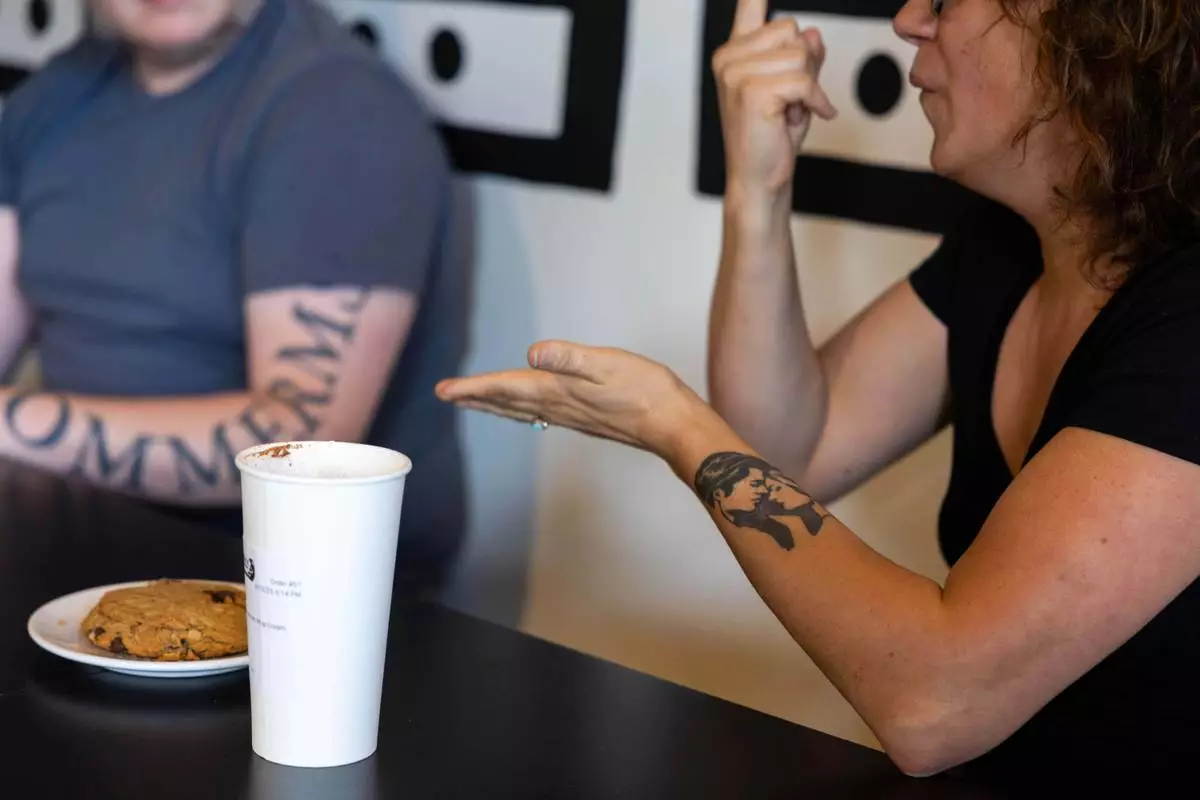
People attending a weekly meet up called "Sign Squad" communicate in American Sign Language at the Woodstock Cafe on June 10, 2025, in Portland, Ore. (Allison Barr/The Oregonian via AP)
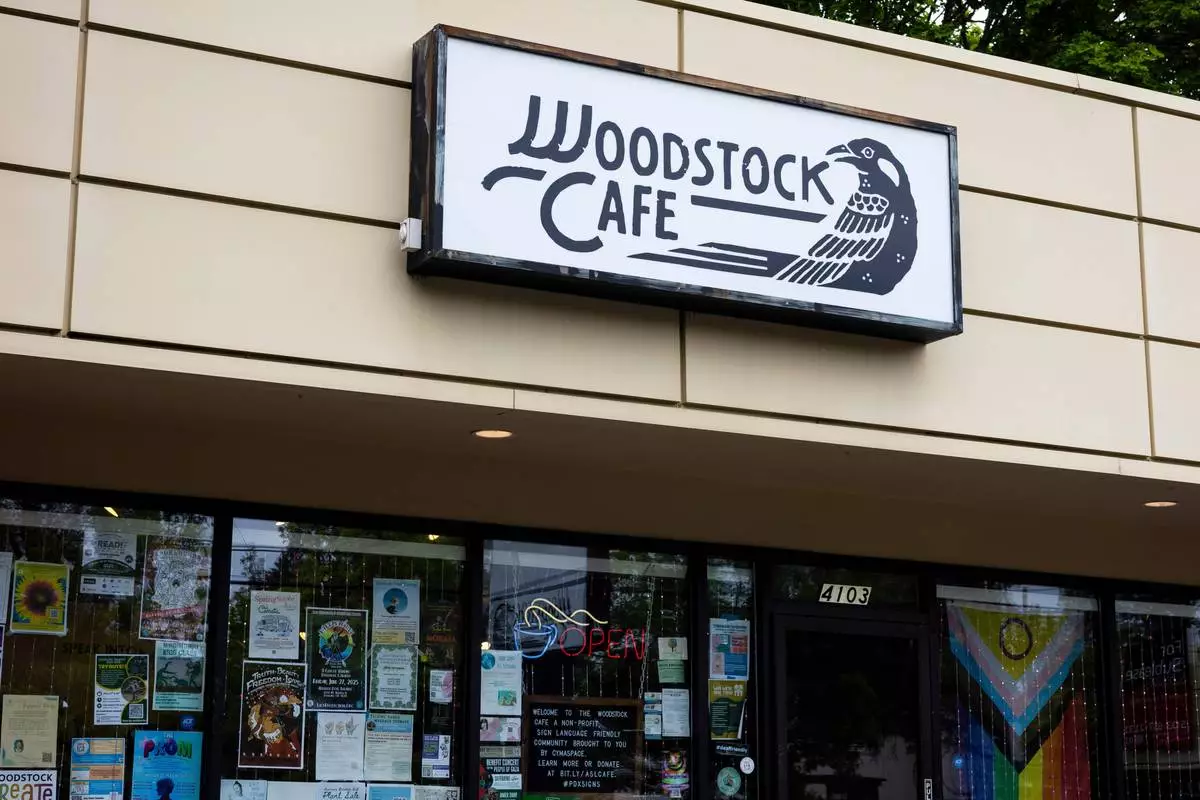
A sign for Woodstock Cafe is seen on May 15, 2025, in Portland, Ore. (Allison Barr/The Oregonian via AP)
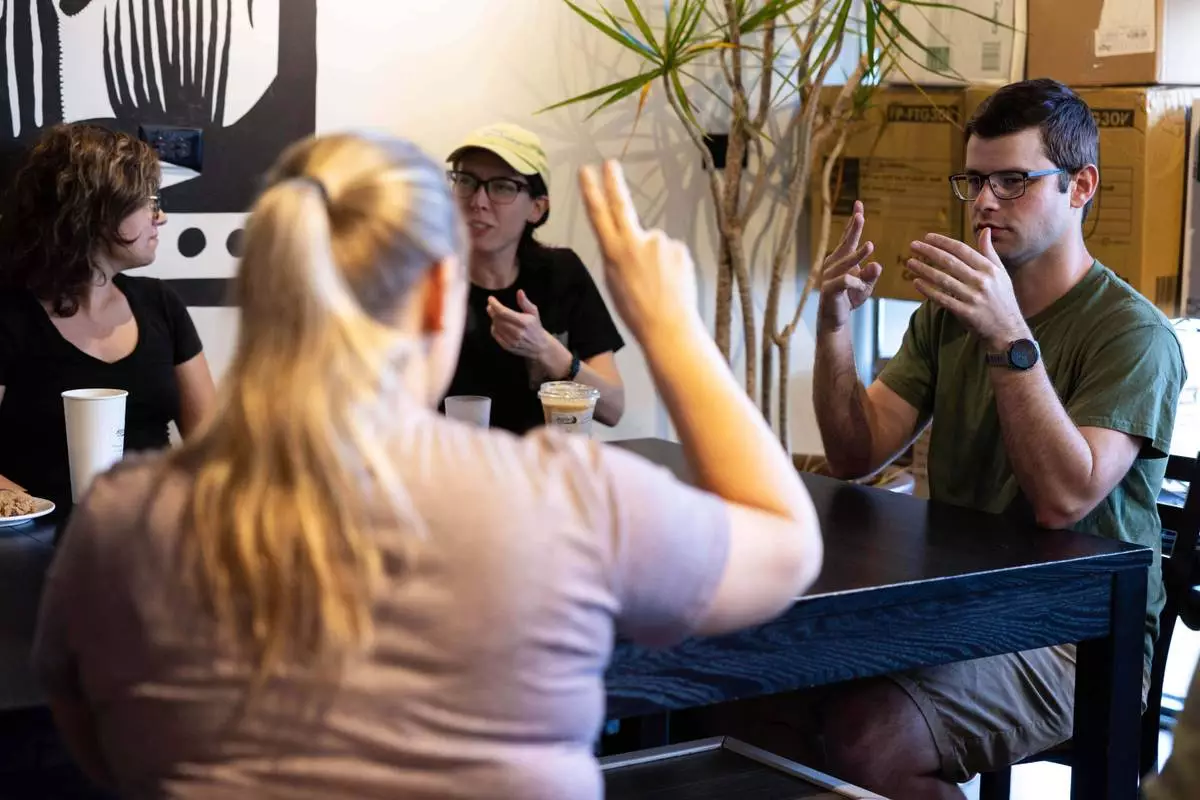
People attending a weekly meet up called "Sign Squad" communicate in American Sign Language at the Woodstock Cafe on June 10, 2025, in Portland, Ore. (Allison Barr/The Oregonian via AP)
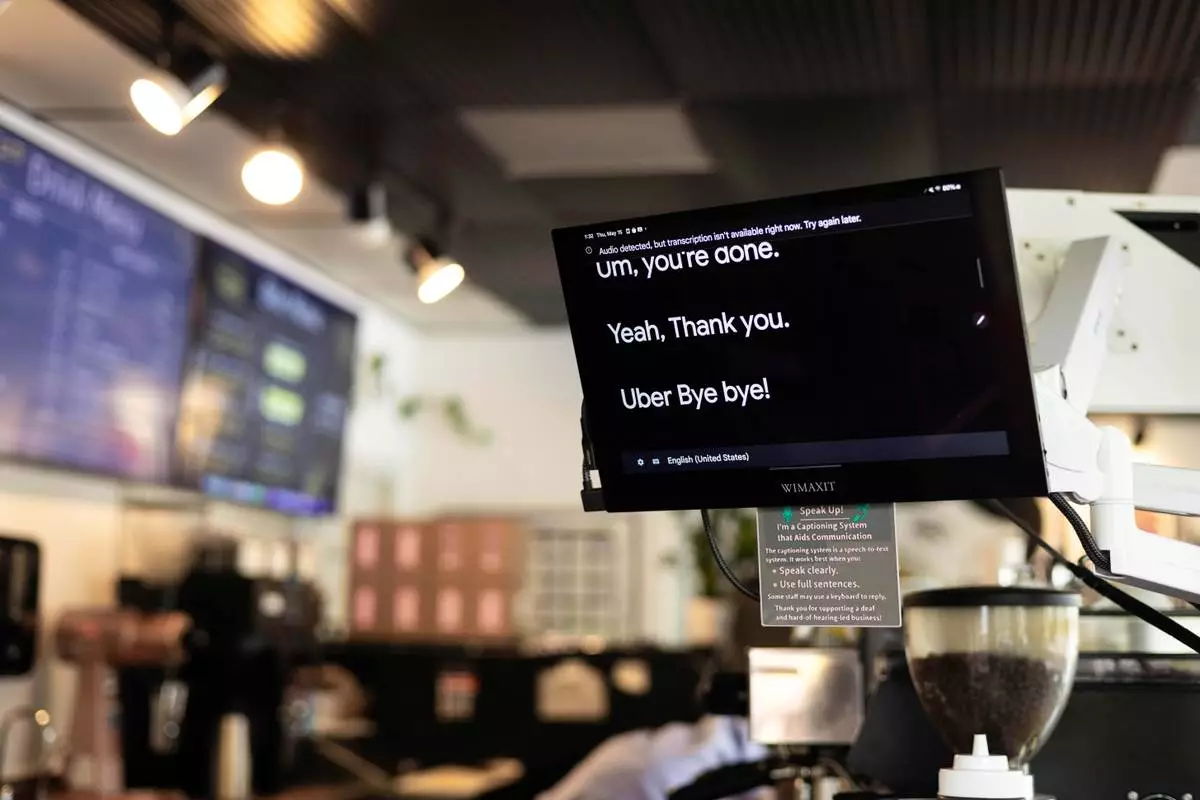
A screen displays words spoken by customers that comes from microphones translated onto screens is seen at the Woodstock Cafe on May 15, 2025, in Portland, Ore. (Allison Barr/The Oregonian via AP)
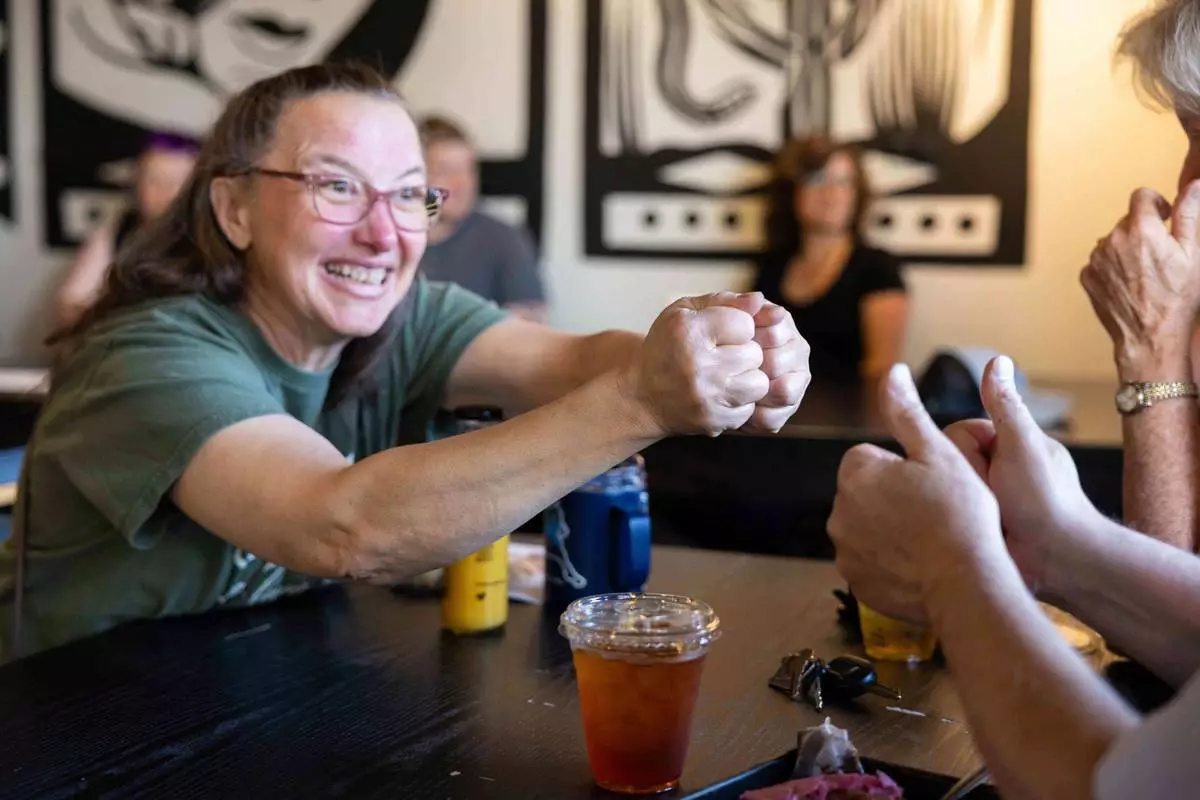
People attend a weekly meet up called "Sign Squad" at the Woodstock Cafe on June 10, 2025, in Portland, Ore. (Allison Barr/The Oregonian via AP)
President Donald Trump tried to put some teeth into his latest attempt to save college sports.
The threat of cutting funding to cash-starved schools that don’t comply is real, even if the stricter rules that come out of the executive order he signed Friday could take a while to figure out.
In the order signed hours before the women’s Final Four tipped off one of the biggest weekends in college sports Trump went after eligibility rules, transfers and the spiraling costs associated with an industry that now pays its players millions of dollars per year.
He called on federal agencies to ensure schools are following the rules and threatened to choke off federal grants and funding, a similar approach his administration has taken to force universities around the country to alter policies involving diversity, equity and inclusion, transgender rights and even the kinds of classes they offer.
In some ways, forcing those changes might seem like child’s play once college sports figures this out. The NCAA, the newly created College Sports Commission, the four power conferences, dozens more smaller ones and hundreds of educational institutions all have a say here: It’s a big reason Congress, which Trump instructed to act quickly, has been stuck for more than a year on this.
Trump’s order was his second since one last July and it was a laundry list of proposed fixes, many of which lawmakers and college leaders have been pushing for since the approval of a $2.8 billion settlement changed the face of games that were once played by pure amateurs.
He called for “clear, consistent and fair eligibility limits, including a five-year participation window," and wants to limit athletes to one transfer with one more available once they get a four-year degree.
At a college sports roundtable last month, Trump said he anticipated any order he signed would trigger litigation. Athletes have largely won the freedom to transfer almost at will via the portal along with the ability to be paid by schools that are now doling out more than $20 million a year to their athletes.
As much as the changes he directs, Trump’s call for the Education Department, the Federal Trade Commission and the attorney general’s office to evaluate “whether violations of such rules render a university unfit for Federal grants and contracts” stands out as a way to force change.
Several universities across the country have made policy changes to comply with federal orders and avoid funding-related showdowns with the government. Yet big-named schools like Penn State and Florida State are facing huge debts.
“I haven’t read it, obviously, but I certainly appreciate his interest in the issue," NCAA President Charlie Baker said at the women's Final Four in Phoenix. "And from what I saw, some of the social media traffic, it’s pretty clear that he made clear that we need congressional action to sort of seal the deal on a number of these things, which is good, because we do.”
ACC Commissioner Jim Phillips praised the president's order, saying “there continues to be significant momentum to preserve the athletic and academic opportunities for the next generation of student-athletes and we appreciate the ongoing efforts.”
Attorney Mit Winter, who follows college sports law, said the order is likely to set up a situation where the NCAA and schools have to decide whether to follow a federal court order or an executive order.
“Federal court orders prohibit the NCAA from making athletes sit out a season if they transfer more than once and prohibit the NCAA from enforcing rules that limit collectives from being involved in recruiting,” he said. "The EO appears to direct the NCAA to create rules that would likely violate both of these court orders. Will the NCAA create rules that do that? And if they do, will schools follow them?
"Either way, we’re likely going to see litigation challenging the EO by athletes and third parties.”
Winter added that the order also appears to urge schools to pay new revenue share amounts.
“Most schools are paying 90-95% of their rev-share funds to men's basketball and football players,” he said. "And those funds are already promised via contracts signed with those athletes. Will the order purport to make schools not adhere to those contracts?”
AP Sports Writers Maura Carey, David Brandt and Eric Olson contributed.
Get poll alerts and updates on the AP Top 25 throughout the season. Sign up here. AP college football: https://apnews.com/hub/ap-top-25-college-football-poll and https://apnews.com/hub/college-football
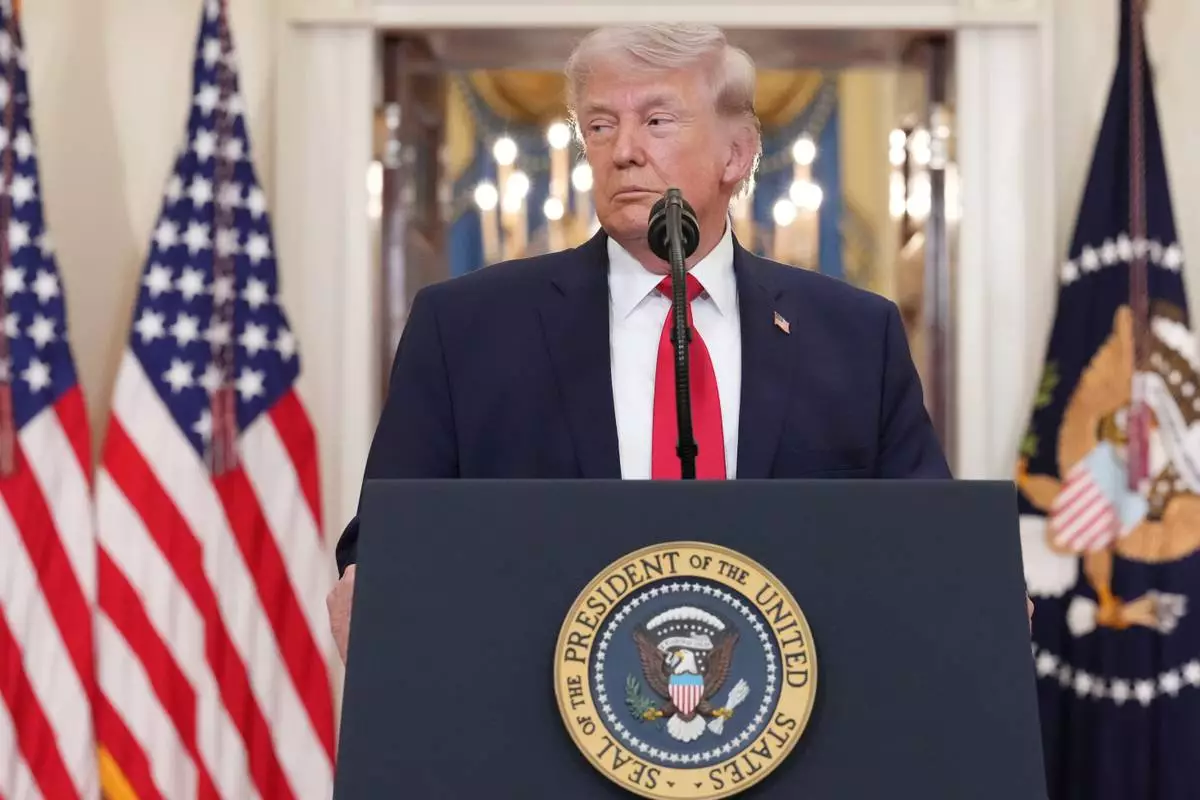
President Donald Trump pauses as he finishes speaking about the Iran war from the Cross Hall of the White House on Wednesday, April 1, 2026, in Washington. (AP Photo/Alex Brandon, Pool)