WASHINGTON (AP) — Secretary of State Marco Rubio and other top officials briefed leaders in Congress late Monday on the striking military operation in Venezuela amid mounting concerns that President Donald Trump is embarking on a new era of U.S. expansionism without consultation of lawmakers or a clear vision for running the South American country.
Republican leaders entered the closed-door session at the Capitol largely supportive of Trump's decision to forcibly remove Venezuela's president Nicolás Maduro from power, but many Democrats emerged with more questions as Trump maintains a fleet of naval vessels off the Venezuelan coast and urges U.S. companies to reinvest in the country's underperforming oil industry.
Click to Gallery
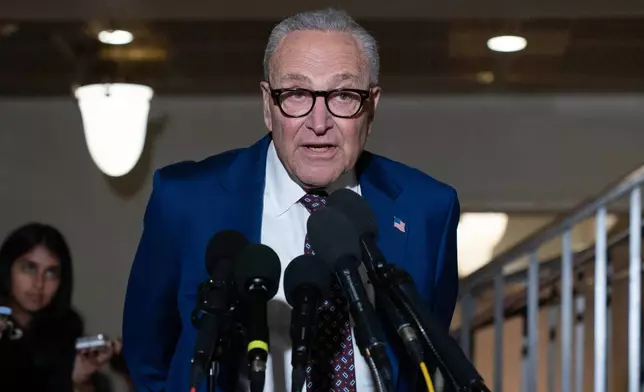
Senate Minority Leader Chuck Schumer, D-N.Y., speaks to reporters after a closed-door briefing on Capitol Hill, Monday, Jan. 5, 2026, in Washington, after the U.S. captured Venezuelan President Nicolás Maduro and his wife in a military operation. (AP Photo/Jose Luis Magana)
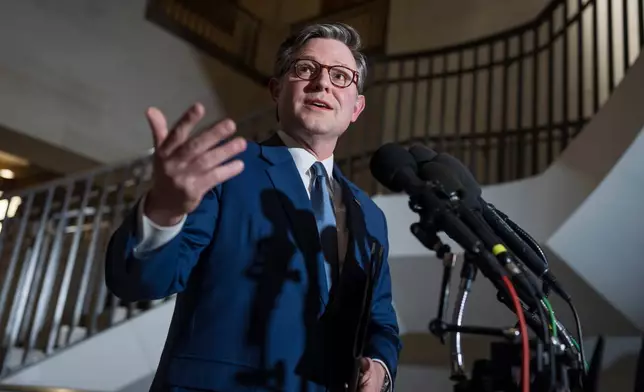
Speaker of the House Mike Johnson, R-La., answers questions from reporters following a closed-door briefing from Secretary of State Marco Rubio, Defense Secretary Pete Hegseth, and others about the U.S. military operation in Venezuela ordered by President Donald Trump, at the Capitol in Washington, Monday, Jan. 5, 2026. (AP Photo/J. Scott Applewhite)
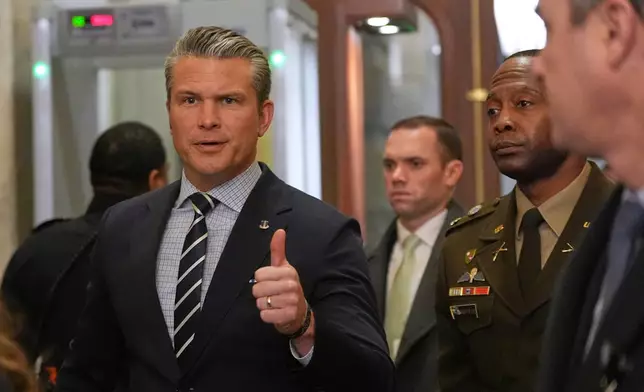
Defense Secretary Pete Hegseth arrives at the U.S. Capitol Monday, Jan. 5, 2026, in Washington, to brief top lawmakers after President Donald Trump directed U.S. forces to capture Venezuelan President Nicolas Maduro. (AP Photo/Jacquelyn Martin)
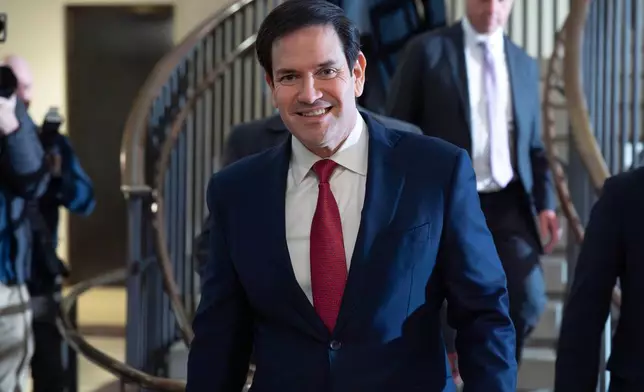
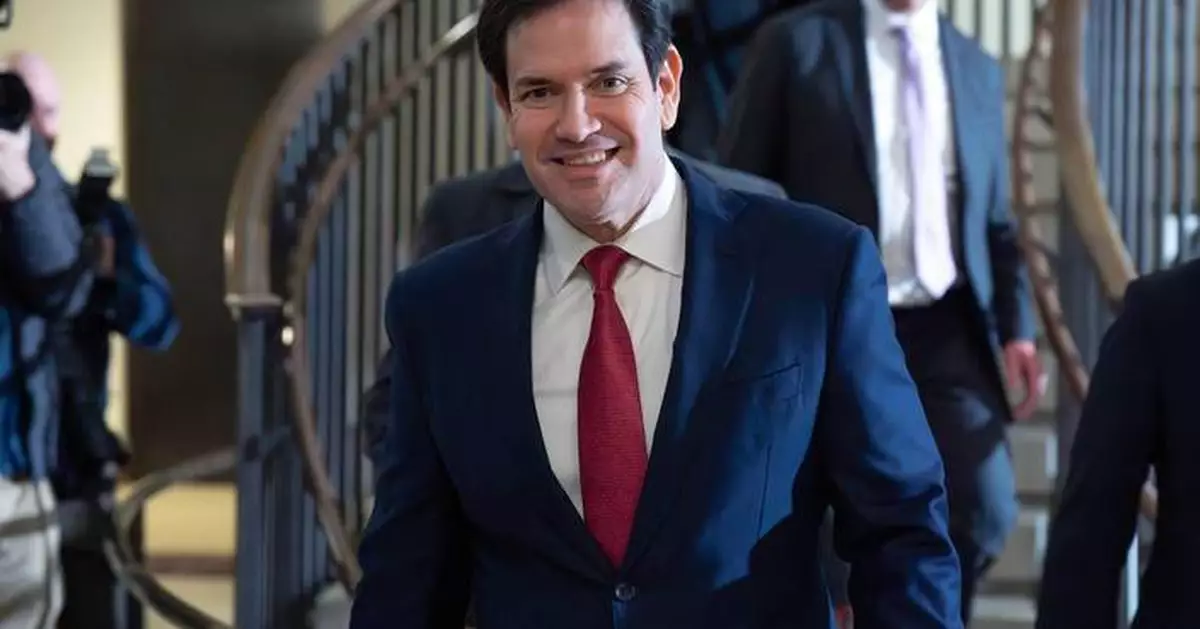
Secretary of State Marco Rubio arrives at the U.S. Capitol Monday, Jan. 5, 2026, for a closed-door briefing with top lawmakers after President Donald Trump ordered U.S. forces to capture Venezuelan President Nicolas Maduro and bring him to New York to face federal drug trafficking charges. (AP Photo/Jose Luis Magana)
A war powers resolution that would prohibit U.S. military action in Venezuela without approval from Congress is heading for a vote this week in the Senate.
“We don't expect troops on the ground,” said House Speaker Mike Johnson, R-La., said afterward.
He said Venezuela's new leadership cannot be allowed to engage in narcoterrorism or the trafficking of drugs into the U.S., which sparked Trump's initial campaign of deadly boat strikes that have killed more than 115 people.
“This is not a regime change. This is demand for a change in behavior,” Johnson said. "We don't expect direct involvement in any other way beyond just coercing the new, the interim government, to get that going.”
Johnson added, "We have a way of persuasion — because their oil exports as you know have been seized, and I think that will bring the country to a new governance in very short order,” he said.
But Sen. Jeanne Shaheen of New Hampshire, the ranking Democrat on the Senate Foreign Relations Committee, emerged saying, “There are still many more questions that need to be answered.”
“What is the cost? How much is this going to cost the United States of America?” Rep. Gregory Meeks of New York, the top Democrat on the House Foreign Affairs Committee, said afterward.
The briefing, which stretched for two hours, came days after the surprise military action that few, if any, of the congressional leaders, knew about until after it was underway — a remarkable delay in informing Congress, which has ultimate say over matters of war.
Administration officials fielded a range of questions — from further involvement of U.S. troops on the ground to the role of the Venezuelan opposition leadership that appeared to have been sidelined by the Trump administration as the country’s vice president, Maduro ally Delcy Rodriguez, swiftly became the country’s interim president.
Defense Secretary Pete Hegseth, Joint Chiefs of Staff chairman Air Force Gen. Dan Caine and Attorney General Pam Bondi, who brought drug trafficking charges against Maduro, all joined the classified session. It was intended for the so-called “gang of eight” leaders, which includes Intelligence committee leadership as well as the chairmen and ranking lawmakers on the national security committees.
Asked afterward if he had any more clarity about who is actually running Venezuela, Sen. Mark Warner, the top Democrat on the Intelligence Committee, said, “I wish I could tell you yes, but I can’t.”
Leaders of the Senate Judiciary Committee — Republican chairman Sen. Chuck Grassley of Iowa and ranking Democrat Sen. Richard Durbin of Illinois — said they should have been included in the classified briefing, arguing they have oversight of the Justice Department under Bondi.
Earlier in the day, Senate Democratic leader Chuck Schumer warned that Trump’s action in Venezuela is only the beginning of a dangerous approach to foreign policy as the president publicly signals his interests in Colombia, Cuba and Greenland.
“The American people did not sign up for another round of endless wars,” Schumer said.
Afterward, Schumer said the briefing, “while extensive and long, posed far more questions than it answered.”
Republicans hold mixed views reflective of the deepening schism within Trump's “Make America Great Again” movement as the president, who vowed to put America first, ventures toward overseas entanglements many lawmakers in both parties want to avoid — particularly after the long wars in Iraq and Afghanistan.
Next steps in the country, and calls for elections in Venezuela, are uncertain.
The Trump administration had been in talks with Rodríguez, who took the place of her ally Maduro and offered “to collaborate” with the Trump administration. Meanwhile, Trump has been dismissive of Venezuelan opposition leader María Corina Machado, who last month won the Nobel Peace Prize for her struggle to achieve a democratic transition in her nation. Trump has said Machado lacks the “support” or “respect” to run the country.
But Sen. Rick Scott, R-Fla., a staunch Trump ally, said he plans to speak soon with Machado, and called her “very popular if you look at what happened in the last election.”
“She eventually, I think, will be the president of Venezuela," Scott said. "You know, this is going to be a process to get to a democracy. It’s not easy. There’s a lot of bad people still there, so it’s going to take time. They are going to have an election and I think she will get elected.”
Sen. Rand Paul, R-Ky., who has been a leading critic of the Trump campaign of boat strikes against suspected drug smugglers, said there are probably a dozen leaders around the world who the U.S. could say are in violation of an international law or human rights law.
“And we have never gone in and plucked them out the country. So it sets a very bad precedent for doing this and it’s unconstitutional,” Paul told reporters. “There’s no way you can say bombing a capital and removing the president of a foreign country is not an initiation of war.”
__
Associated Press writer Kevin Freking contributed to this story.
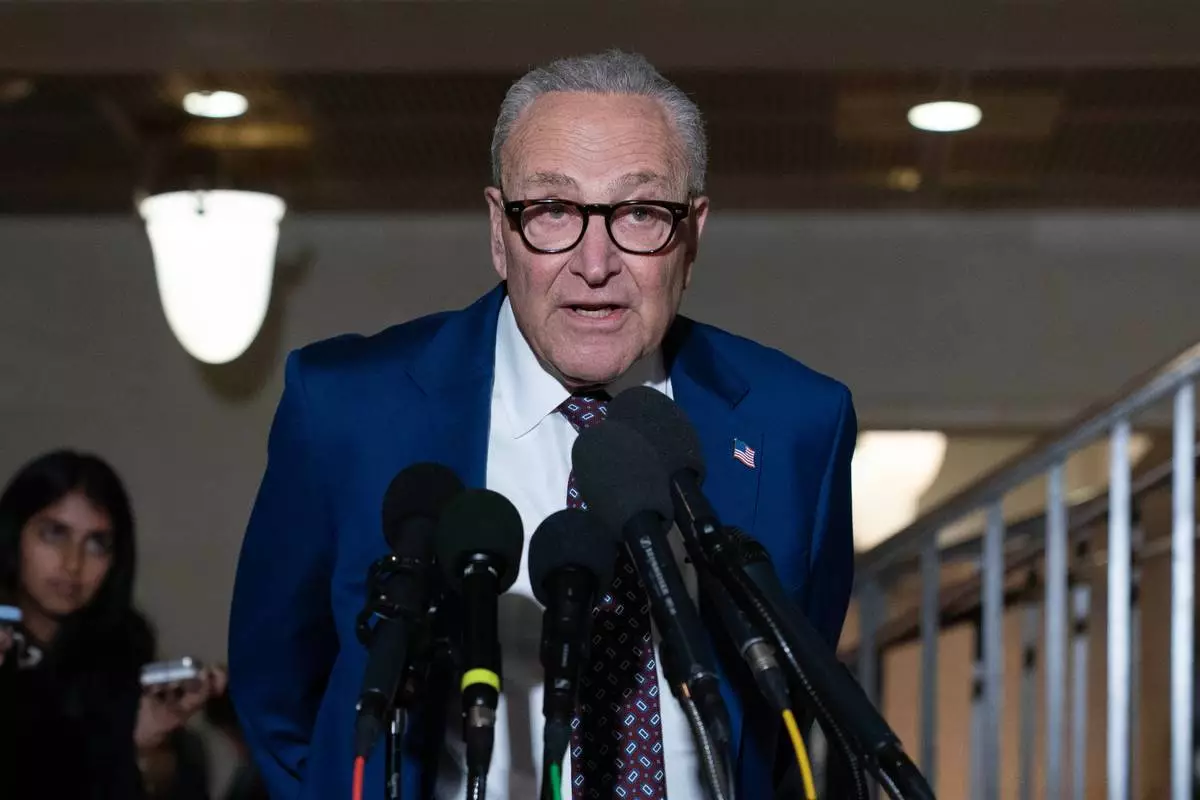
Senate Minority Leader Chuck Schumer, D-N.Y., speaks to reporters after a closed-door briefing on Capitol Hill, Monday, Jan. 5, 2026, in Washington, after the U.S. captured Venezuelan President Nicolás Maduro and his wife in a military operation. (AP Photo/Jose Luis Magana)
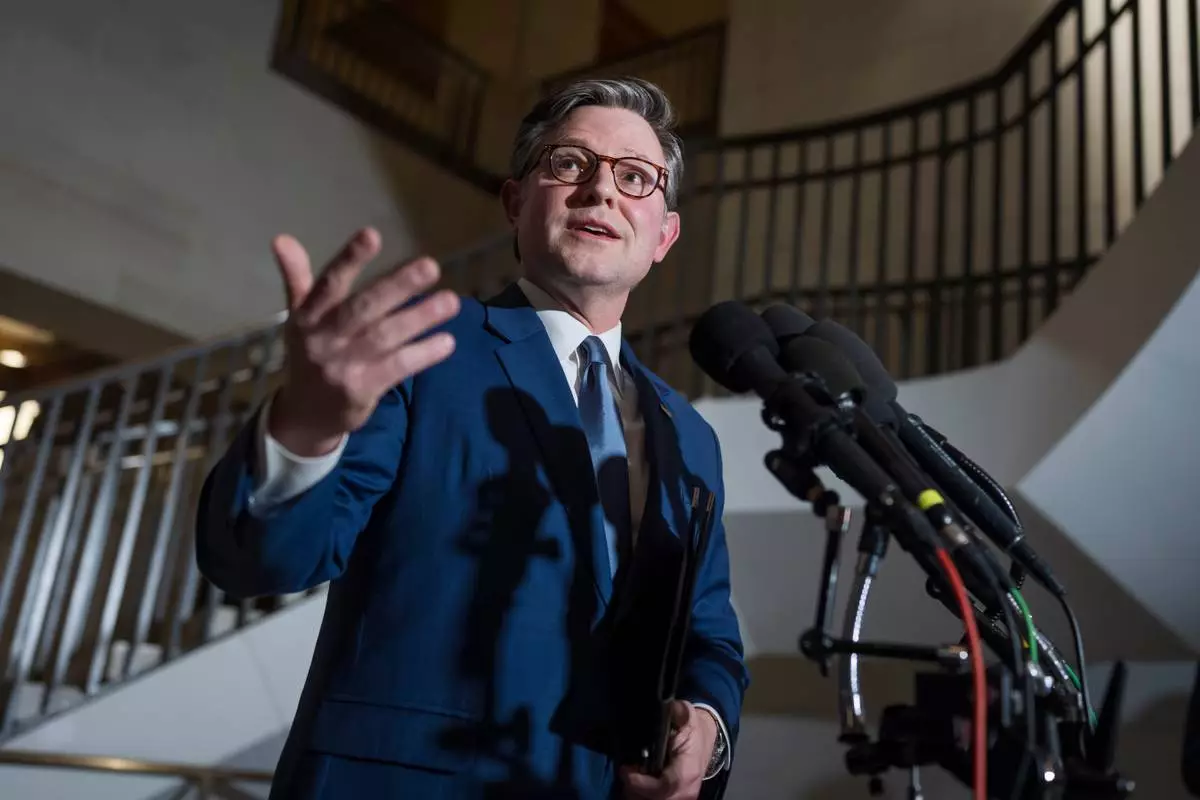
Speaker of the House Mike Johnson, R-La., answers questions from reporters following a closed-door briefing from Secretary of State Marco Rubio, Defense Secretary Pete Hegseth, and others about the U.S. military operation in Venezuela ordered by President Donald Trump, at the Capitol in Washington, Monday, Jan. 5, 2026. (AP Photo/J. Scott Applewhite)
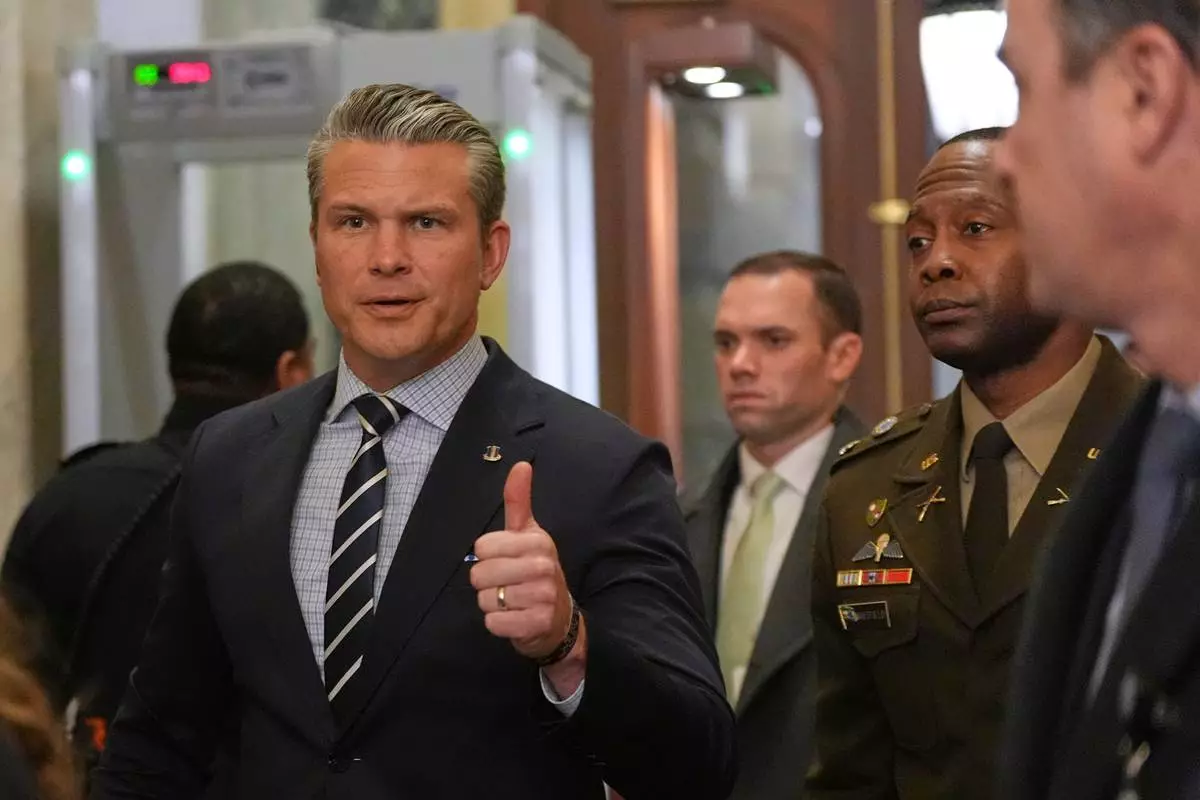
Defense Secretary Pete Hegseth arrives at the U.S. Capitol Monday, Jan. 5, 2026, in Washington, to brief top lawmakers after President Donald Trump directed U.S. forces to capture Venezuelan President Nicolas Maduro. (AP Photo/Jacquelyn Martin)
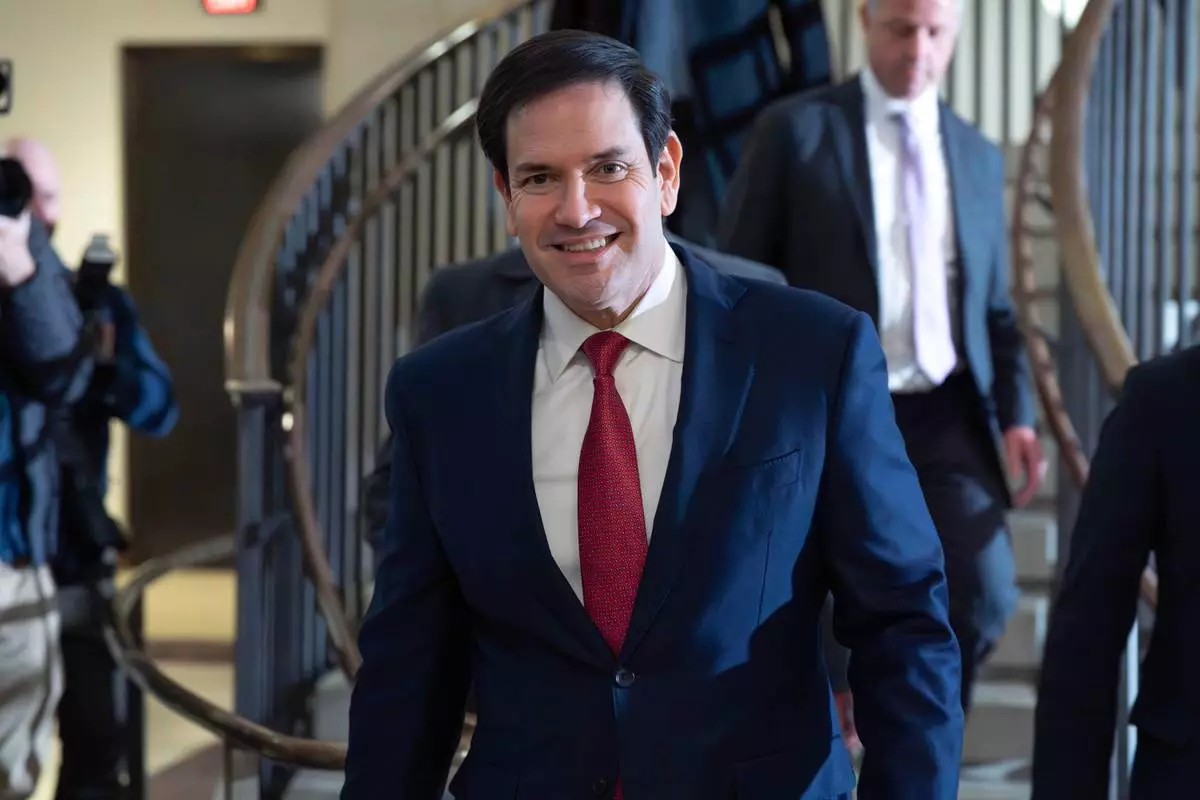
Secretary of State Marco Rubio arrives at the U.S. Capitol Monday, Jan. 5, 2026, for a closed-door briefing with top lawmakers after President Donald Trump ordered U.S. forces to capture Venezuelan President Nicolas Maduro and bring him to New York to face federal drug trafficking charges. (AP Photo/Jose Luis Magana)