PHOENIX (AP) — A former Republican lawmaker who questioned the integrity of Arizona’s elections and served as a leader for the conservative group Turning Point Action was sentenced Tuesday to probation and a five-year ban on running for public office for using nominating petitions that contained forged signatures in a bid to qualify for a 2024 primary election.
Austin Smith, 30, pleaded guilty in mid-November to charges of attempted fraudulent schemes and practices, and illegal signing of election petitions. He had acknowledged trying to use petitions with forged signatures that he knew were false and forging a dead woman’s signature on a nominating petition.
Smith represented an Arizona House district in the Phoenix suburbs for one term before dropping his reelection bid in April 2024 when questions arose about signatures on his nominating petitions.
He resigned at the time as a leader at Turning Point Action, the campaign arm of Turning Point USA, which has become a major force in Arizona Republican politics. His bio page said Smith was approached in 2019 by Turning Point co-founder Charlie Kirk and Tyler Bowyer, another top leader of the group, about launching Turning Point Action.
“If you try to illegally manipulate Arizona’s elections or mislead Arizona voters, you will be held accountable under the law,” Arizona Attorney General Kris Mayes said in a statement. “There are real consequences for cheating the system.” Kurt Altman, Smith's lawyer, told the judge that his client was mortified by his conduct and will never run for public office again. “He realizes that things got out of hand,” Altman said. “And in today’s political atmosphere, things get out of hand very quickly. He is embarrassed by the lapse in judgment.”
When handing down the sentence, Superior Court Judge Aryeh Schwartz said the offense undermined the integrity of the election process, but also said Smith accepted responsibility for his actions. Smith, who was also fined $5,500 as part of his sentence, declined to address the judge during sentencing. He also declined to comment outside of court when a reporter asked him if he wanted to do so.
The Associated Press left messages for a Turning Point spokesperson. Altman told the judge that Smith has started an agricultural business.
Smith previously portrayed the allegations against him as a coordinated attack by Democrats that was “silly on its face,” but said he would drop out of his reelection campaign to avoid racking up legal bills.
In campaign literature, Smith voiced support for a Republican-backed review of the 2020 presidential election results in Maricopa County that ultimately ended without producing proof to support President Donald Trump’s false claims of a stolen election. Smith also sponsored an unsuccessful proposal to ban voting by mail and complained in a campaign ad about political elites breaking election laws.
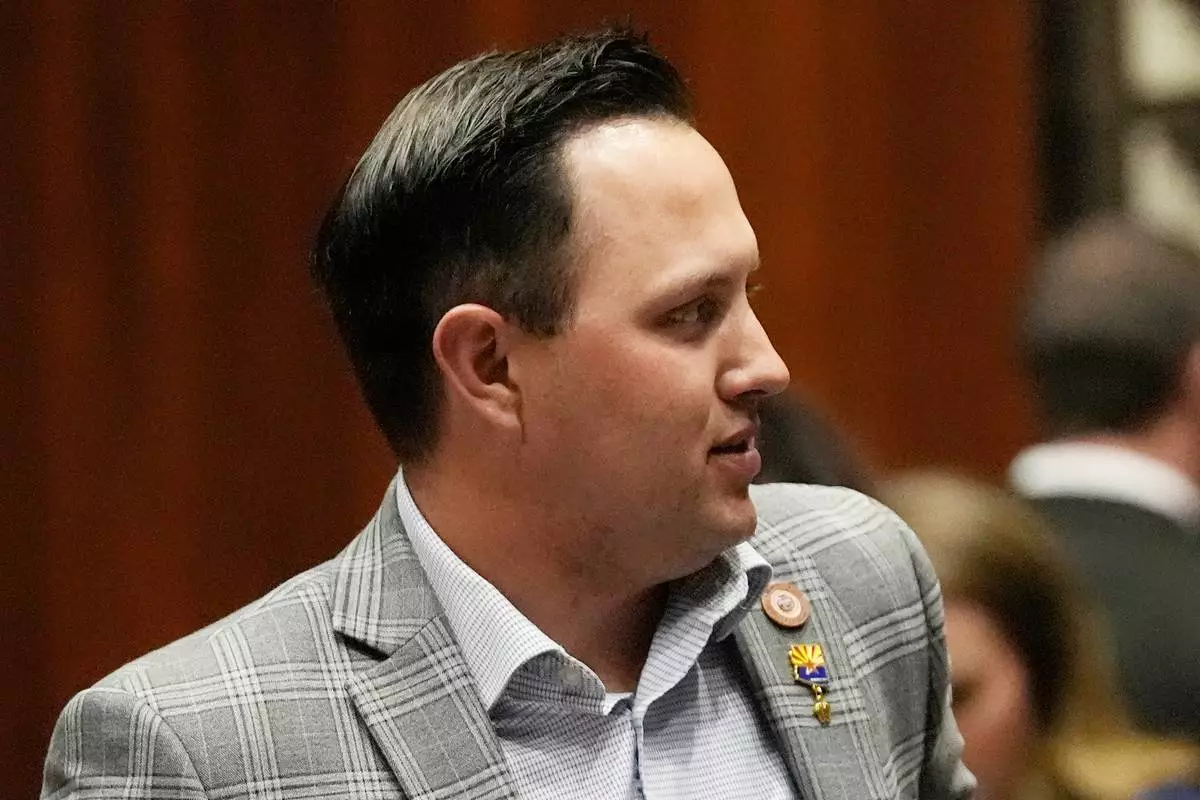
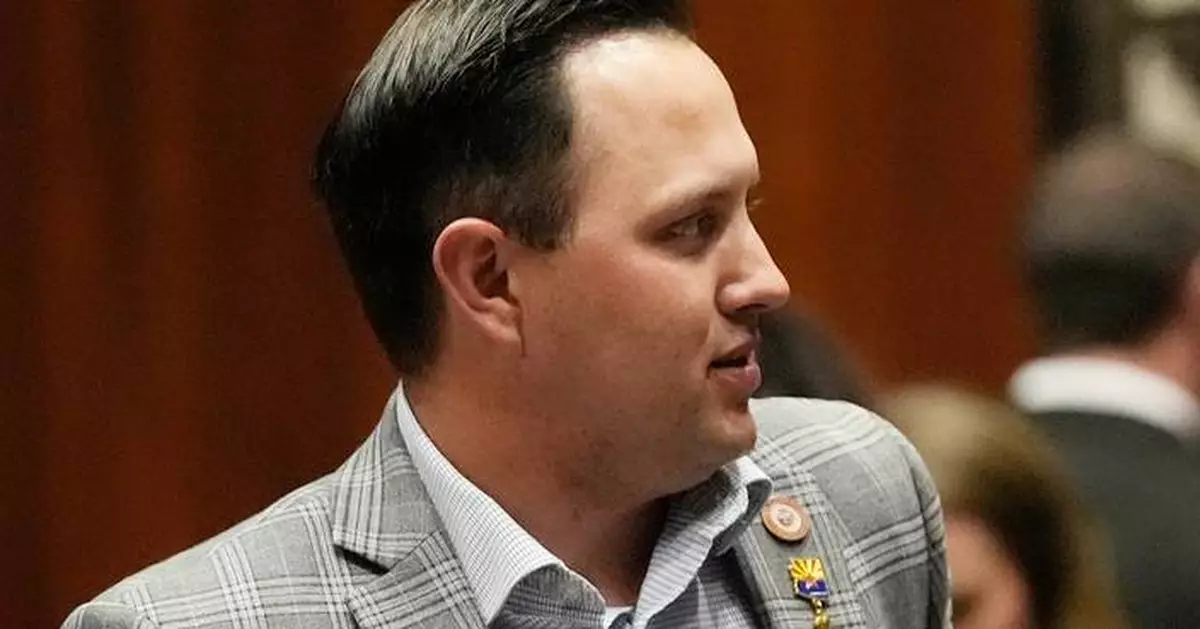
FILE - Former Arizona state Rep. Austin Smith, R-Wittmann, pauses during a session on the floor during a debate on the Arizona abortion law at the capitol, April 24, 2024, in Phoenix. (AP Photo/Ross D. Franklin, File)
JACKSONVILLE, Fla.--(BUSINESS WIRE)--Apr 2, 2026--
Coca-Cola Beverages Florida, LLC (Coke Florida) today unveiled limited-edition America250 Coca-Cola cans at its Jacksonville manufacturing facility—one of the select locations in the country producing commemorative packaging representing all 50 states ahead of the nation’s 250th anniversary.
This press release features multimedia. View the full release here: https://www.businesswire.com/news/home/20260402409814/en/
“Coca-Cola has been a unique and deeply rooted part of Americana for nearly 140 years,” said Troy Taylor, Chairman & Chief Executive Officer of Coke Florida. “As we celebrate this milestone, we’re proud to join our fellow bottling partners and The Coca-Cola Company in bringing these commemorative cans to life. This effort reflects our shared commitment to celebrating America’s 250th Anniversary while continuing to create meaningful connections with the communities we serve across Florida and beyond.”
Federal, state and local officials joined community leaders and Coke Florida associates for the unveiling event, which offered a first look at the commemorative cans as they moved through production lines—connecting Florida manufacturing directly to a once-in-a-generation national celebration.
Beginning April 6, the America250-themed Coca-Cola and Coca-Cola Zero Sugar mini cans will be available at retailers across Florida. Consumers will find patriotic branding on various Coca-Cola packages and other brands distributed by Coke Florida, such as smartwater and Gold Peak. Specially wrapped Coke Florida delivery trucks will also travel throughout the state, extending the visibility of the campaign into local communities.
Following the unveiling, guests toured the Jacksonville facility, gaining behind-the-scenes access to the scale and precision of Coke Florida’s operations, from production and packaging to warehousing and distribution, underscoring the company’s role in delivering a beverage for every occasion across the state.
As a Signature Partner of America250, The Coca-Cola Company is helping bring people together to mark this historic milestone—continuing a legacy that dates back to 1886 of being part of moments that unite communities across generations. In addition to the production of commemorative packaging, Coke Florida will further support America250 through planned community engagement initiatives and local activations to be rolled out throughout 2026.
For more information about the unveiling event or inquiries related to Coke Florida’s America250 celebration activities, visit cokeflorida.com/america250.
About Coca-Cola Beverages Florida, LLC
Coca-Cola Beverages Florida, LLC (Coke Florida) is a strategic bottling partner of The Coca-Cola Company and a growth-focused consumer packaged goods company. We are one of the largest Coca-Cola bottlers in the United States with an exclusive territory that covers forty-seven counties in Florida. Coke Florida makes, sells, and distributes a portfolio of beverages for every occasion including sparkling soft drinks, waters, teas, sports drinks, energy drinks, juices, and value-added dairy drinks. We drive positive economic impact in the communities we serve through employing over 5,000 associates and operating four GreenCircle Certified production facilities and eighteen distribution centers. Our investments in sustainability, education, and economic empowerment are the foundation of our commitment to helping build stronger communities. Founded in 2015 and headquartered in Tampa, Coke Florida is also one of the largest Black-owned businesses in the United States. The company has been recognized as a US Best Managed Company Gold Standard Winner by Deloitte Private and The Wall Street Journal. To learn more, visit www.cokeflorida.com and follow us on Instagram, Facebook, and LinkedIn.
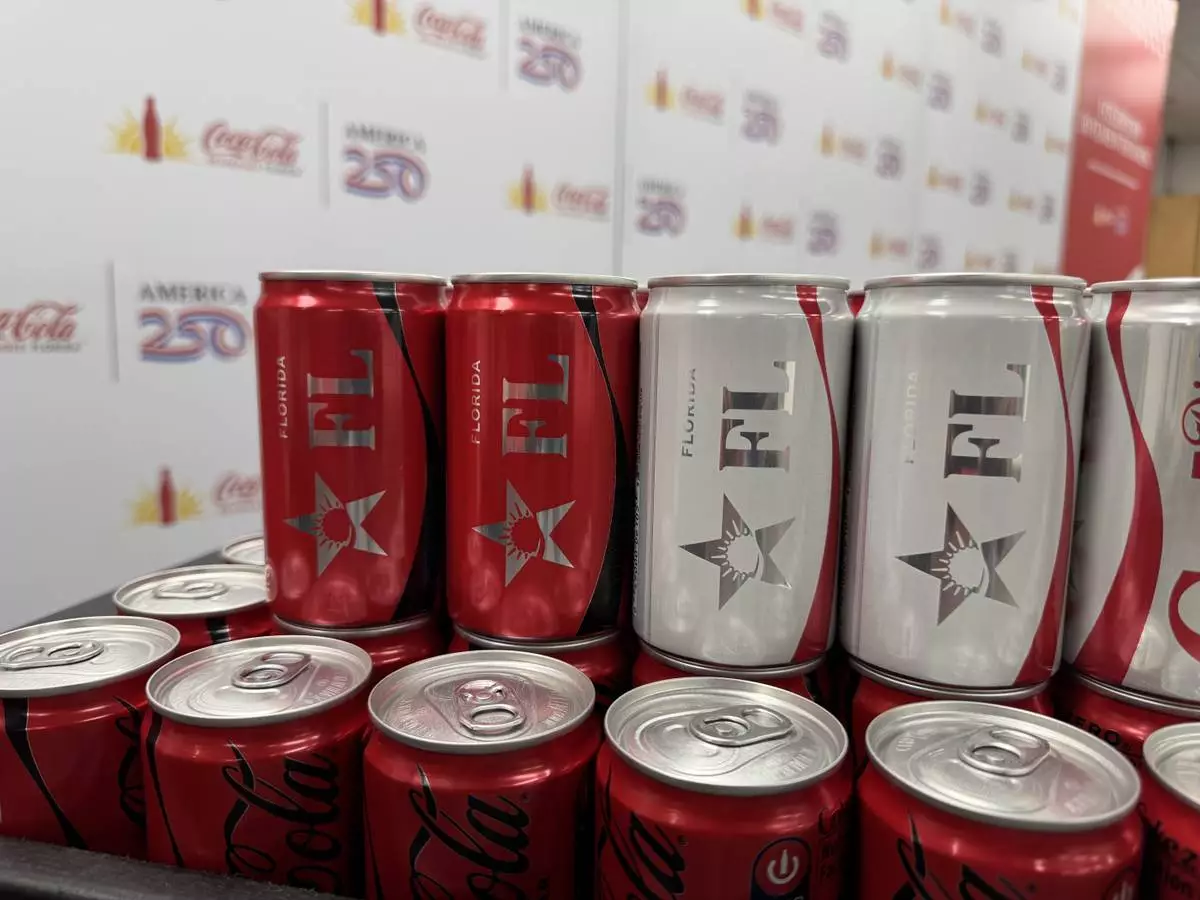
Limited-edition America250 Coca-Cola mini cans produced by Coca-Cola Beverages Florida will be available starting April 6th across Florida.
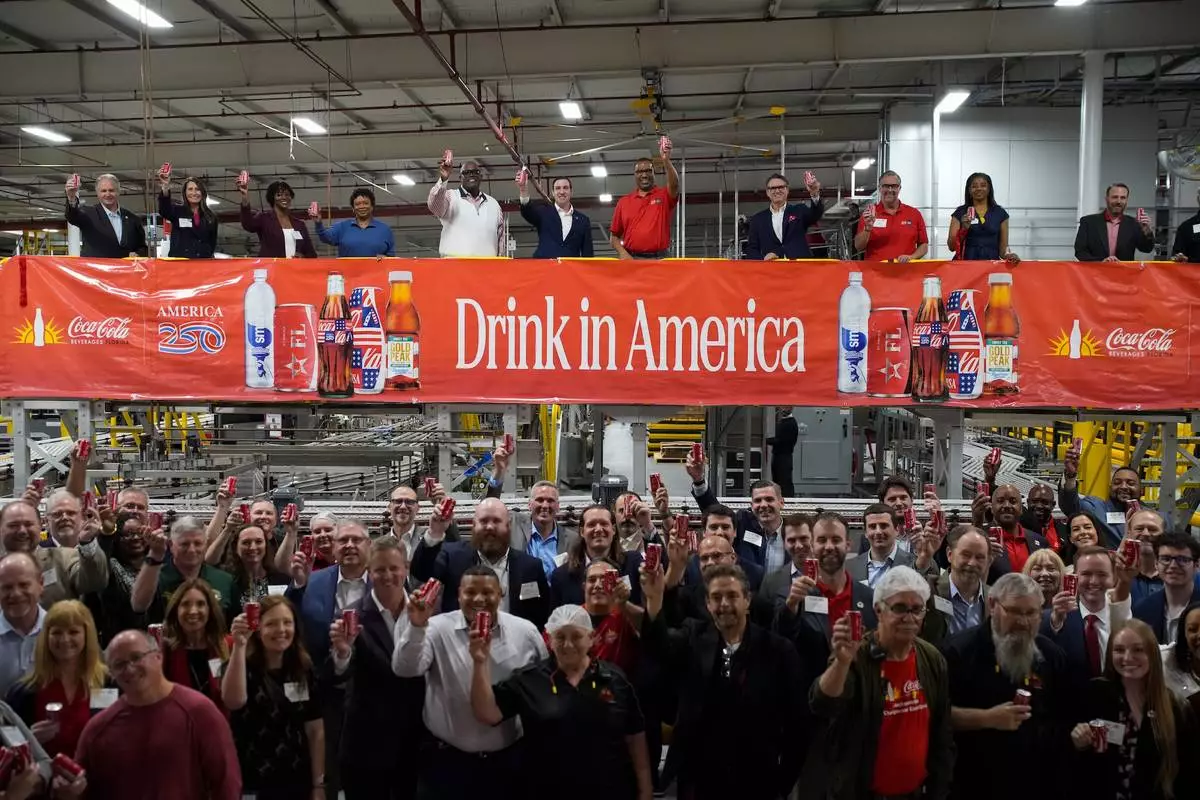
Coca-Cola Beverages Florida celebrates the launch of America250 Commemorative Coca-Cola cans in Florida.