From making erroneous remarks to introducing a series of military expansion policies, Japanese Prime Minister Sanae Takaichi is seeking to accelerate Japan's political rightward shift, according to Hideaki Uemura, a member of the House of Representatives.
In an interview with China Central Television (CCTV), Hideaki Uemura stated that the Japanese government's practice of exaggerating security crises to promote military expansion is fundamentally wrong.
"As Japan's prime minister, Takaichi's erroneous remarks are truly deeply regrettable. No matter how harsh the wording, it is insufficient to express this 'regret.' Furthermore, such incitement is accompanied by increased defense budgets. I believe this is fundamentally wrong," said Hideaki Uemura.
At a Diet (parliament) meeting on Nov. 7, 2025, Takaichi claimed that the Chinese mainland's "use of force on Taiwan" could constitute a "survival-threatening situation" for Japan, which has immediately drawn strong criticism at home and abroad.
Hideaki Uemura noted that the Japanese government has constantly breached defense policy red lines and increased defense budgets in recent years, saying that such a political trend is deeply disturbing.
"Now Takaichi says she wants to raise defense spending to two percent. Originally it was said to be gradually increased by fiscal year 2027, but now it is brought forward to fiscal year 2025, meaning the two-percent target shall be achieved by March 2026. Where will such a huge budget actually come from? The Japanese government has not provided a clear explanation at this stage," Hideaki Uemura said.
Speaking of Japan's post-World War II peace philosophy, Hideaki Uemura emphasized that Japan should learn from history and must not repeat the mistakes of war.
He also urged Japan to follow the path of peaceful diplomacy.
"I believe the Three Non-Nuclear Principles are one of Japan's very important peace policies. The current Takaichi administration's intent is precisely to dismantle them, and I am firmly opposed to this. What we must do is peaceful diplomacy, but regrettably, Japanese politics is not genuinely advancing peaceful diplomacy," he said.
The Three Non-Nuclear Principles, not possessing, not producing and not allowing introduction of nuclear weapons into Japanese territory, were first declared in the Diet, Japan's parliament, by then Japanese Prime Minister Eisaku Sato in 1967 and viewed as a national credo.
Takaichi was considering reviewing the third of the Three Non-Nuclear Principles, which prohibits nuclear weapons from entering Japan's territory, raising strong doubts and concerns at home.
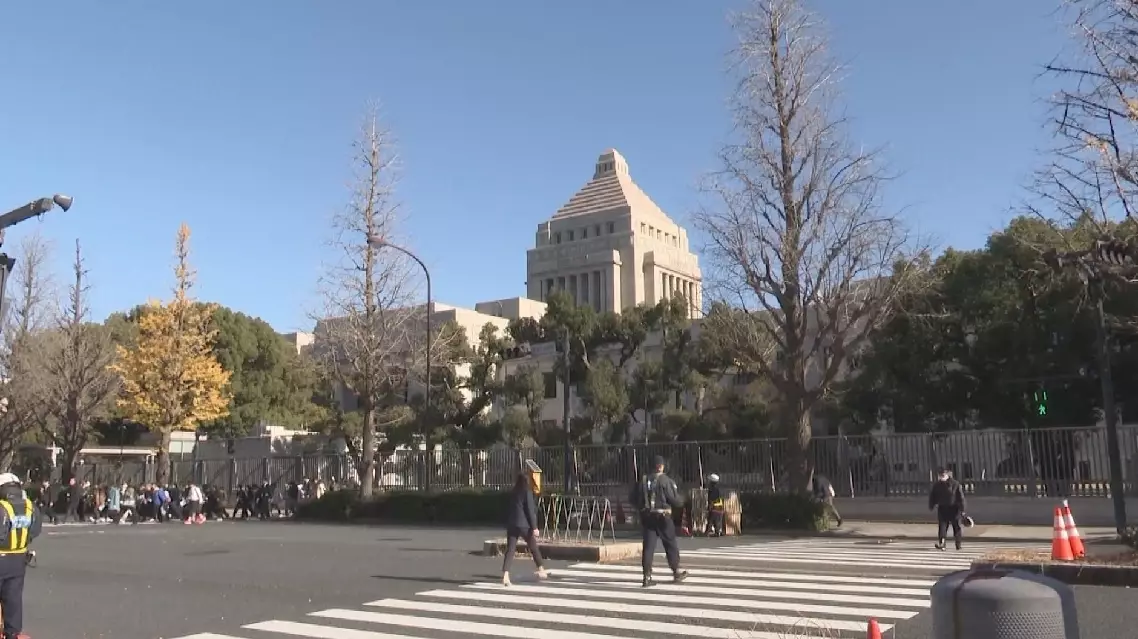
Japanese official criticizes Takaichi's erroneous remarks, military expansion
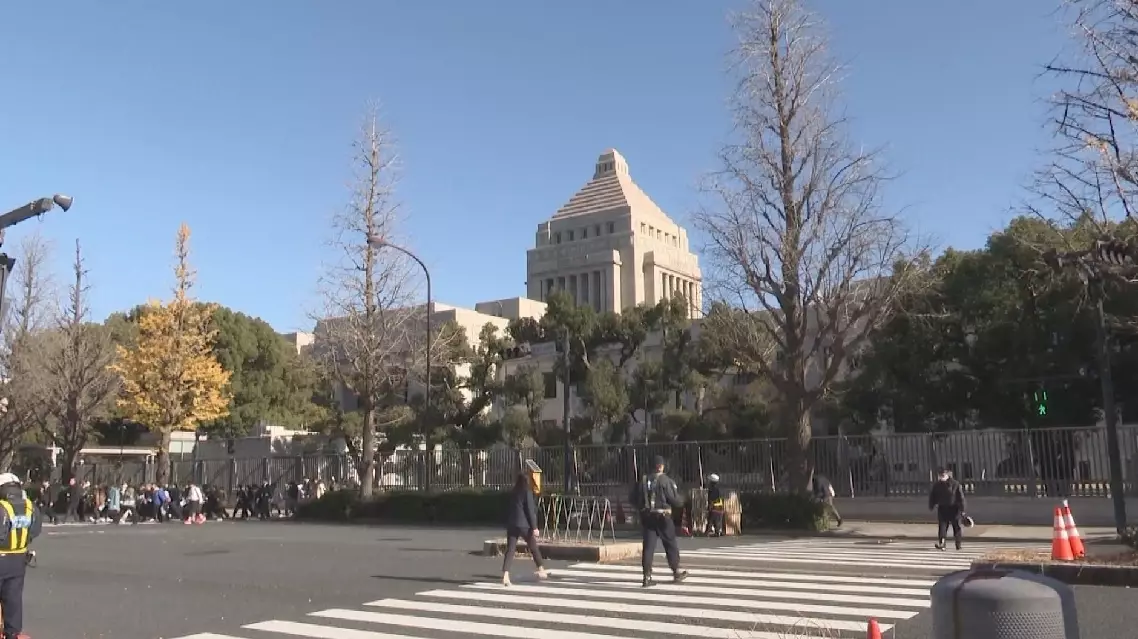
Japanese official criticizes Takaichi's erroneous remarks, military expansion