Skip to Content Facebook Feature Image

President Petro's clash with Trump over Venezuela backs Colombia into a corner

News

President Petro's clash with Trump over Venezuela backs Colombia into a corner
News

News

President Petro's clash with Trump over Venezuela backs Colombia into a corner

2026-01-08 13:22 Last Updated At:13:30

BOGOTÁ, Colombia (AP) — An “abhorrent” violation of Latin American sovereignty. An attack committed by “enslavers.” A “spectacle of death” comparable to Nazi Germany’s 1937 carpet bombing of Guernica, Spain.

There is perhaps no world leader criticizing the Trump administration’s attack on Venezuela as strongly as left-wing President Gustavo Petro of Colombia, historically Washington's most important ally in the region.

More Images
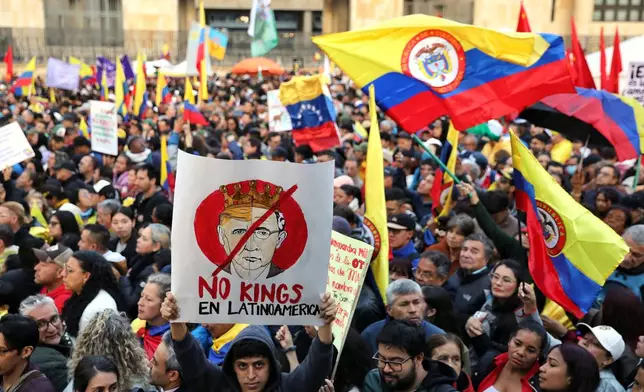
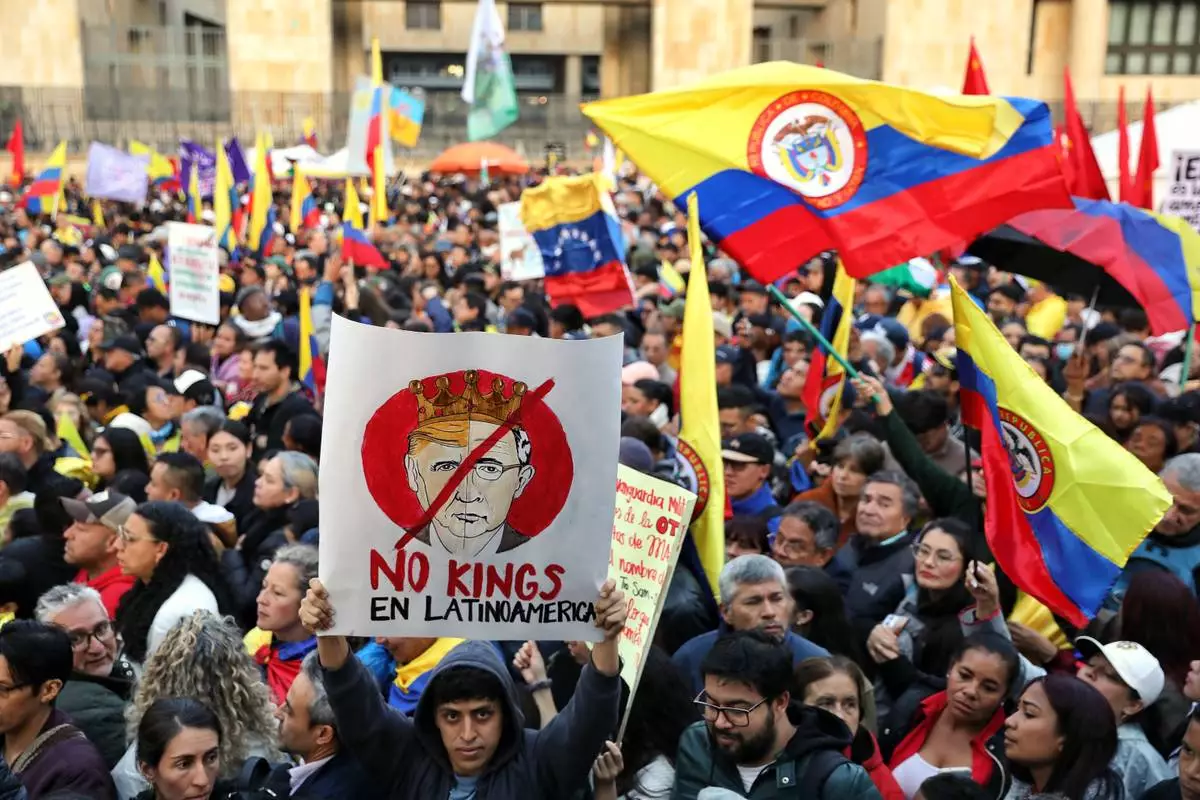
Supporters of Colombian President Gustavo Petro attend a rally he called to protest comments by U.S. President Donald Trump, in Bogota, Colombia, Wednesday, Jan. 7, 2026. (AP Photo/Santiago Saldarriaga)
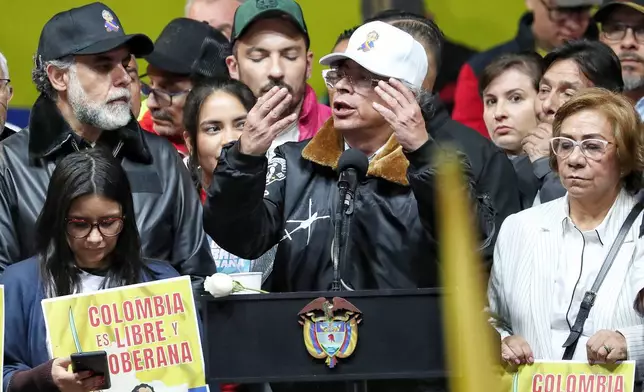
Supporters of Colombian President Gustavo Petro attend a rally he called to protest comments by U.S. President Donald Trump, in Bogota, Colombia, Wednesday, Jan. 7, 2026. (AP Photo/Santiago Saldarriaga)
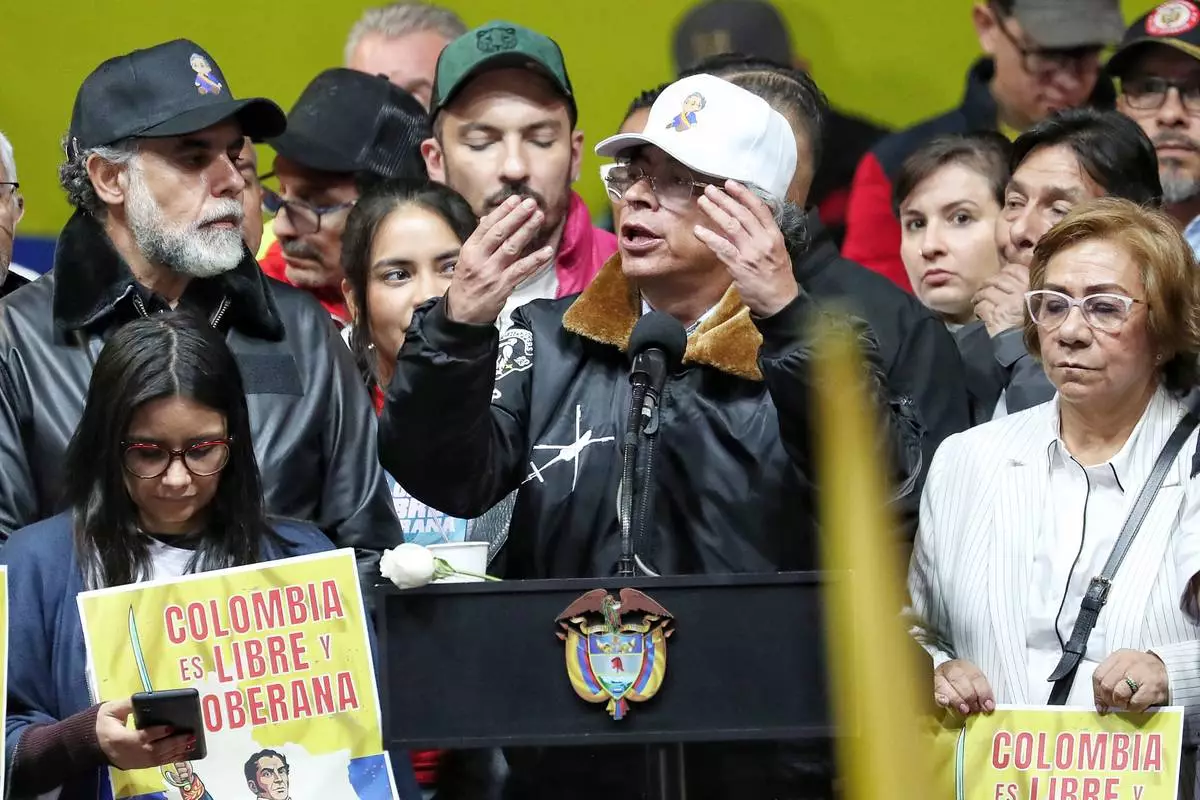
Colombian President Gustavo Petro addresses supporters in a rally he called to protest comments by U.S. President Donald Trump, in Bogota, Colombia, Wednesday, Jan. 7, 2026. (AP Photo/Santiago Saldarriaga)

Colombian President Gustavo Petro addresses supporters in a rally he called to protest comments by U.S. President Donald Trump, in Bogota, Colombia, Wednesday, Jan. 7, 2026. (AP Photo/Santiago Saldarriaga)

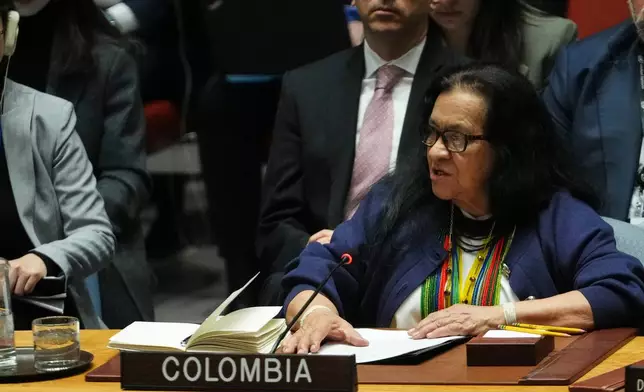
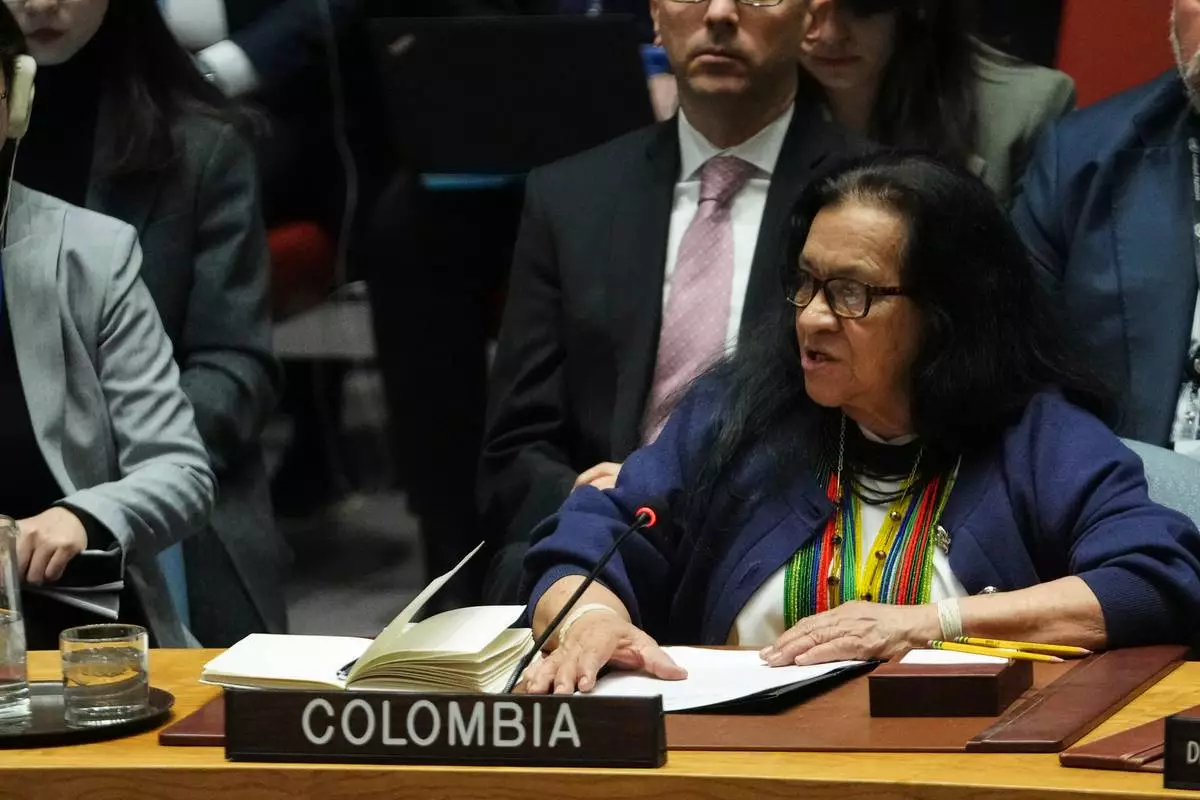
Colombia's ambassador to the U.N. Leonor Zalabata addresses the Security Council Monday, Jan. 5, 2026 at U.N. headquarters. (AP Photo/Frank Franklin II)
Colombia's ambassador to the U.N. Leonor Zalabata addresses the Security Council Monday, Jan. 5, 2026 at U.N. headquarters. (AP Photo/Frank Franklin II)

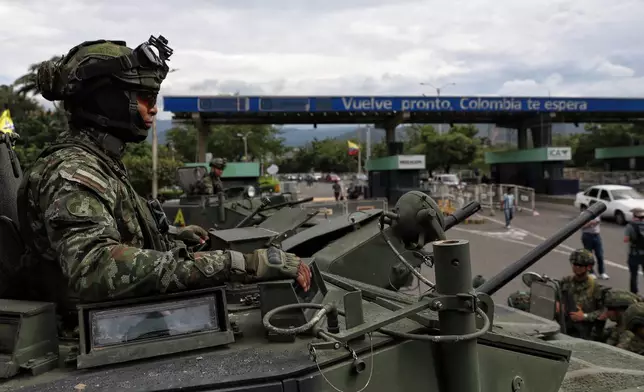
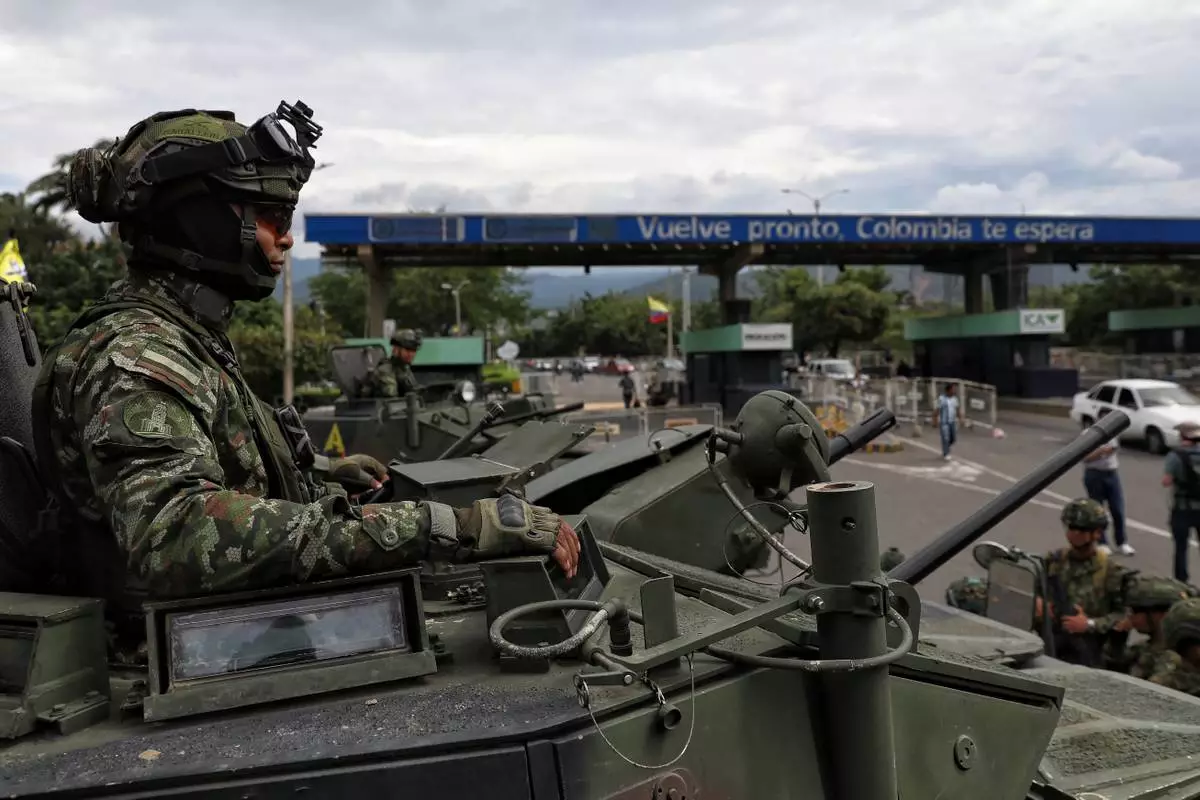
Colombian soldiers guard the border with Venezuela in Villa del Rosario, Colombia, Saturday, Jan. 3, 2026, after U.S. President Donald Trump announced that President Nicolás Maduro had been captured by U.S. forces. (AP Photo/Santiago Saldarriaga)
Colombian soldiers guard the border with Venezuela in Villa del Rosario, Colombia, Saturday, Jan. 3, 2026, after U.S. President Donald Trump announced that President Nicolás Maduro had been captured by U.S. forces. (AP Photo/Santiago Saldarriaga)

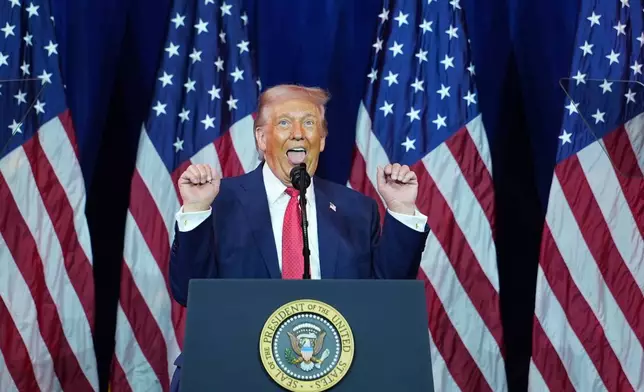
President Donald Trump speaks to House Republican lawmakers during their annual policy retreat, Tuesday, Jan. 6, 2026, in Washington. (AP Photo/Evan Vucci)
President Donald Trump speaks to House Republican lawmakers during their annual policy retreat, Tuesday, Jan. 6, 2026, in Washington. (AP Photo/Evan Vucci)

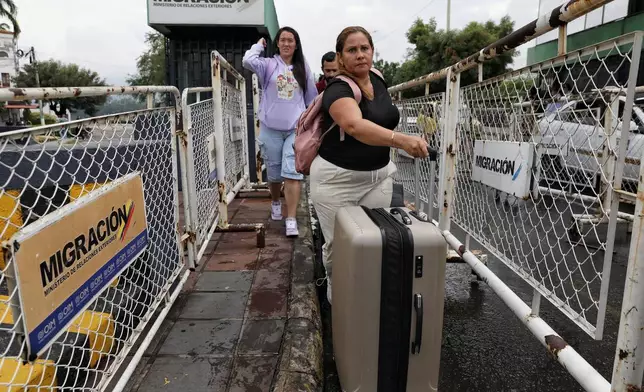
People cross the Colombian-Venezuelan border, to Villa del Rosario, Colombia, Monday, Jan. 5, 2026, two days after U.S. forces captured and removed Venezuelan President Nicolas Maduro. (AP Photo/Santiago Saldarriaga)
People cross the Colombian-Venezuelan border, to Villa del Rosario, Colombia, Monday, Jan. 5, 2026, two days after U.S. forces captured and removed Venezuelan President Nicolas Maduro. (AP Photo/Santiago Saldarriaga)

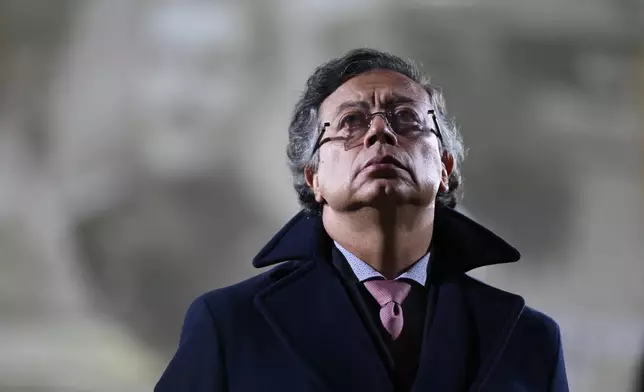
Colombian President Gustavo Petro looks on during a swearing-in ceremony for new military commanders at the army academy in Bogota, Colombia, Monday, Dec. 29, 2025. (AP Photo/Esteban Vega)

Colombian President Gustavo Petro looks on during a swearing-in ceremony for new military commanders at the army academy in Bogota, Colombia, Monday, Dec. 29, 2025. (AP Photo/Esteban Vega)

For the past 30 years, the U.S. has worked closely with Colombia, the world’s largest producer of cocaine, to arrest drug traffickers, fend off rebel groups and boost economic development in rural areas.

But while other officials tread carefully, Colombia's outspoken president has seized on the U.S. capture of Venezuelan President Nicolás Maduro to escalate his spiraling war of words with President Donald Trump, who said a U.S. military operation in Colombia “sounds good to me."

Answering a protest call issued by Petro, thousands of Colombians gathered in public squares across the country Wednesday “to defend national sovereignty" against Trump's military threats, chanting “Long live free and sovereign Colombia!” and waiting anxiously to hear what they expected would be Petro’s latest scathing salvo in his clash with Trump.

Instead, to everyone’s surprise, the Colombian president offered an olive branch to the man who has repeatedly called him a drug kingpin, despite a lack of evidence.

“I had one speech prepared for today, but I have to give another one,” Petro told the crowd in Colombia’s capital of Bogotá. “The first speech was quite harsh. I had to change it.”

Just minutes earlier, Petro said, he had held a friendly call with Trump, and explained that his only connection to drug trafficking was his fierce commitment to fighting against it.

“I asked (Trump) to re-establish direct communication between our governments,” Petro said. “If there is no dialogue, there will be war.”

Trump released a statement on social media, calling it a “Great Honor” to speak with Petro. He even invited his fiercest critic to the White House, revealing what he's shown in the past to be a dramatic capacity to swiftly change tack.

“I appreciated his call and tone, and look forward to meeting him in the near future,” Trump wrote of Petro.

The sudden détente between the irascible foes revealed that, for all their differences, Petro and Trump share a willingness to side with an ideological rival if deemed to be in their best interest.

For Colombia, the U.S. remains key to the military's fight against leftist guerrillas and drug traffickers. Washington has provided Bogotá with roughly $14 billion in the last two decades.

For the U.S., Colombia remains the cornerstone of its counternarcotics strategy abroad, providing crucial intelligence used to interdict drugs in the Caribbean.

“The Colombians are extremely effective in taking advantage of their contacts in Washington, on the Hill and elsewhere, and the private sector is mobilized," said Michael Shifter, a Latin America expert at the Inter-American Dialogue think tank in Washington.

“People were trying to tell Trump: ‘Look, you can punish Petro to the extent possible, but you don’t want to punish the country. That undermines the fight against drugs and is going to be harmful for the United States.'"

Petro has drawn Trump’s ire for months.

He turned back U.S. military deportation flights, urged American soldiers to disobey Trump during a pro-Palestinian rally in New York, lambasted U.S. attacks on alleged drug vessels as “murder,” and sparred with Trump over Israel’s war in Gaza and his crackdown on immigration.

Infuriated, Trump deployed language that he often used to describe Maduro, calling Petro a “lunatic” and an “international drug leader.” He revoked Petro’s U.S. visa and the visas of his top officials and diplomats; slapped sweeping sanctions on him, his relatives and his interior minister on drug-related grounds; vowed to end all U.S. aid to Colombia; and threatened punitive tariffs on Colombian exports.

Thrilled by Maduro’s ouster, Trump pushed the fight further in recent days. He called Petro a “sick man who likes making cocaine and selling it to the United States” and warned of a possible U.S. military operation on Colombian soil.

Casting himself as a patriot defending national sovereignty from U.S. meddling, Petro convened emergency meetings before the United Nations and the Organization of American States. He galvanized nationwide protests Wednesday where banners read “The U.S. is the biggest threat to world peace.” The former leftist guerrilla even threatened to take up arms against the U.S. to defend Colombia.

Petro’s high-stakes gambit put Colombia, long America’s staunchest regional ally, in Trump’s crosshairs and his government in a bind: how to reap the political rewards of standing up to Washington just months before a presidential election without jeopardizing crucial security assistance or goading Trump into making good on his threat to invade.

Frustrated with congressional resistance to his contentious reforms, failing to fulfill his promise of “total peace” with armed groups and facing a series of electoral tests, Petro found in Trump the perfect foil as he fought for his legacy.

“He wants this stage where he is the clearest adversary, rhetorically or politically, to the U.S.,” said Sergio Guzman, a political risk analyst based in Bogotá.

The constitution bars Petro from seeking another term in May's presidential vote. Still, as Colombia's first leftist president, Petro wants his coalition to retain power over the resurgent right that blames his unpopular government for rising crime. Colombia will also hold legislative elections in March.

On Wednesday, Petro's strategy of playing David to Trump’s Goliath seemed to have paid off.

While Trump's threats struck Colombians as excessive enough to provoke widespread sympathy for Petro, the Colombian leader managed to de-escalate tensions before the verbal conflict could spill into a military one and inflict irreparable damage to the country's most vital security partnership.

“The priority is peace, and peace is achieved through dialogue," Petro told protesters after his conversation with Trump. “Colombia can sleep soundly.”

Experts doubted the likelihood of a U.S. military operation against Petro who, unlike Maduro, was democratically elected.

But complicating the calculation for fretful Colombian officials were Trump's increasingly militaristic comments about Latin America that lumped Colombia in with Venezuela as a source of narcotics and immigrants in the U.S.

“Whereas the Colombian institutions still maintain cooperation and have a lot to lose, Petro personally felt like that bridge has already burned,” said Elizabeth Dickinson, a senior analyst at the International Crisis Group.

As Petro used his social media bully pulpit to hammer at Trump this week, his interior and justice ministers scrambled to reassure U.S. intelligence agencies that Colombia would “continue to coordinate and cooperate in the fight against drug trafficking,” the government said.

Defense Minister Pedro Sánchez also rushed to put out the fire, declaring this week a “golden moment” for the U.S. and Colombia to move away from confrontation.

In perhaps the most serious warning yet, Foreign Minister Rosa Villavicencio told reporters Tuesday that even as Colombia sought to resolve tensions diplomatically, authorities were preparing for “the possibility of aggression against our country by the United States."

“For this, we have a highly trained, very well prepared army,” she said. After all, it has long received training from the U.S.

Rather than readying for war, Villavicencio late Wednesday found herself preparing for a trip to Washington to set up Petro’s White House visit.

But first, authorities pointed out, she needed a U.S. visa.

DeBre reported from Buenos Aires, Argentina. Associated Press writer Gaby Molina in Bogotá, Colombia, contributed to this report.

Follow AP’s coverage of Latin America and the Caribbean at https://apnews.com/hub/latin-america
Supporters of Colombian President Gustavo Petro attend a rally he called to protest comments by U.S. President Donald Trump, in Bogota, Colombia, Wednesday, Jan. 7, 2026. (AP Photo/Santiago Saldarriaga)
Supporters of Colombian President Gustavo Petro attend a rally he called to protest comments by U.S. President Donald Trump, in Bogota, Colombia, Wednesday, Jan. 7, 2026. (AP Photo/Santiago Saldarriaga)
Colombian President Gustavo Petro addresses supporters in a rally he called to protest comments by U.S. President Donald Trump, in Bogota, Colombia, Wednesday, Jan. 7, 2026. (AP Photo/Santiago Saldarriaga)

Colombian President Gustavo Petro addresses supporters in a rally he called to protest comments by U.S. President Donald Trump, in Bogota, Colombia, Wednesday, Jan. 7, 2026. (AP Photo/Santiago Saldarriaga)

Colombia's ambassador to the U.N. Leonor Zalabata addresses the Security Council Monday, Jan. 5, 2026 at U.N. headquarters. (AP Photo/Frank Franklin II)
Colombia's ambassador to the U.N. Leonor Zalabata addresses the Security Council Monday, Jan. 5, 2026 at U.N. headquarters. (AP Photo/Frank Franklin II)

Colombian soldiers guard the border with Venezuela in Villa del Rosario, Colombia, Saturday, Jan. 3, 2026, after U.S. President Donald Trump announced that President Nicolás Maduro had been captured by U.S. forces. (AP Photo/Santiago Saldarriaga)
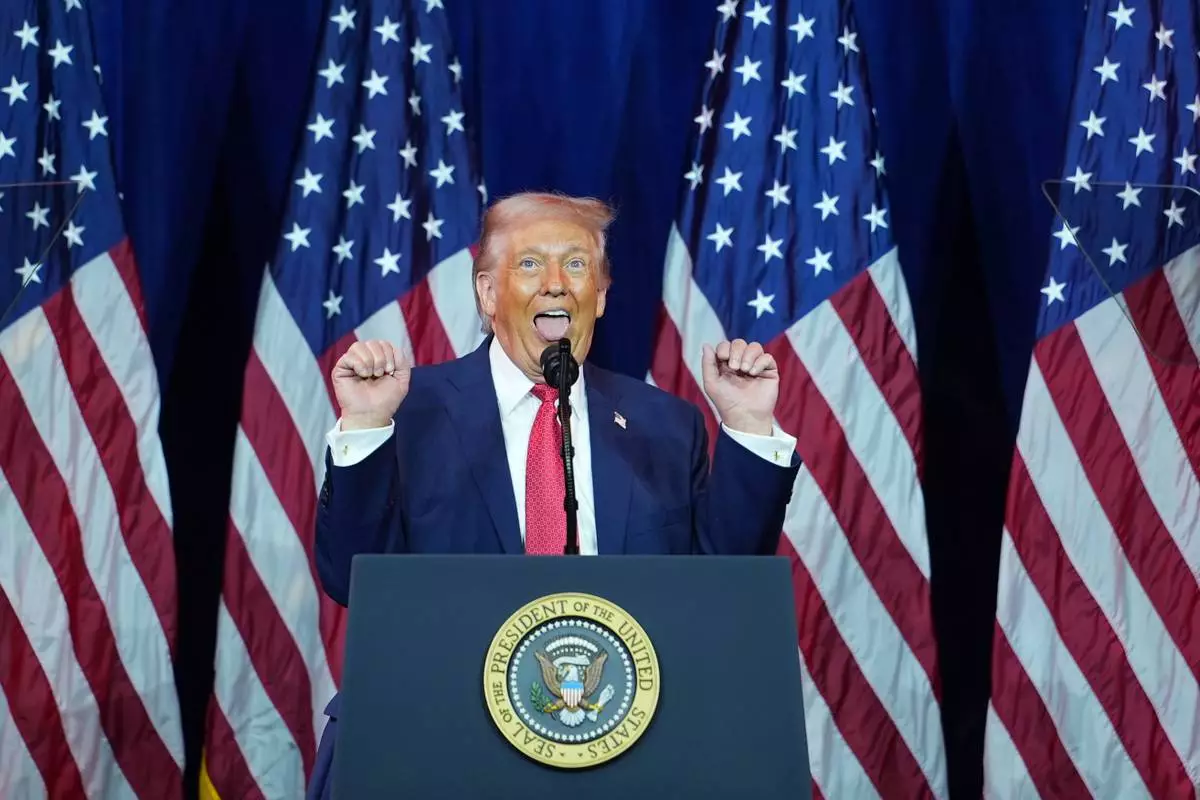
Colombian soldiers guard the border with Venezuela in Villa del Rosario, Colombia, Saturday, Jan. 3, 2026, after U.S. President Donald Trump announced that President Nicolás Maduro had been captured by U.S. forces. (AP Photo/Santiago Saldarriaga)

President Donald Trump speaks to House Republican lawmakers during their annual policy retreat, Tuesday, Jan. 6, 2026, in Washington. (AP Photo/Evan Vucci)
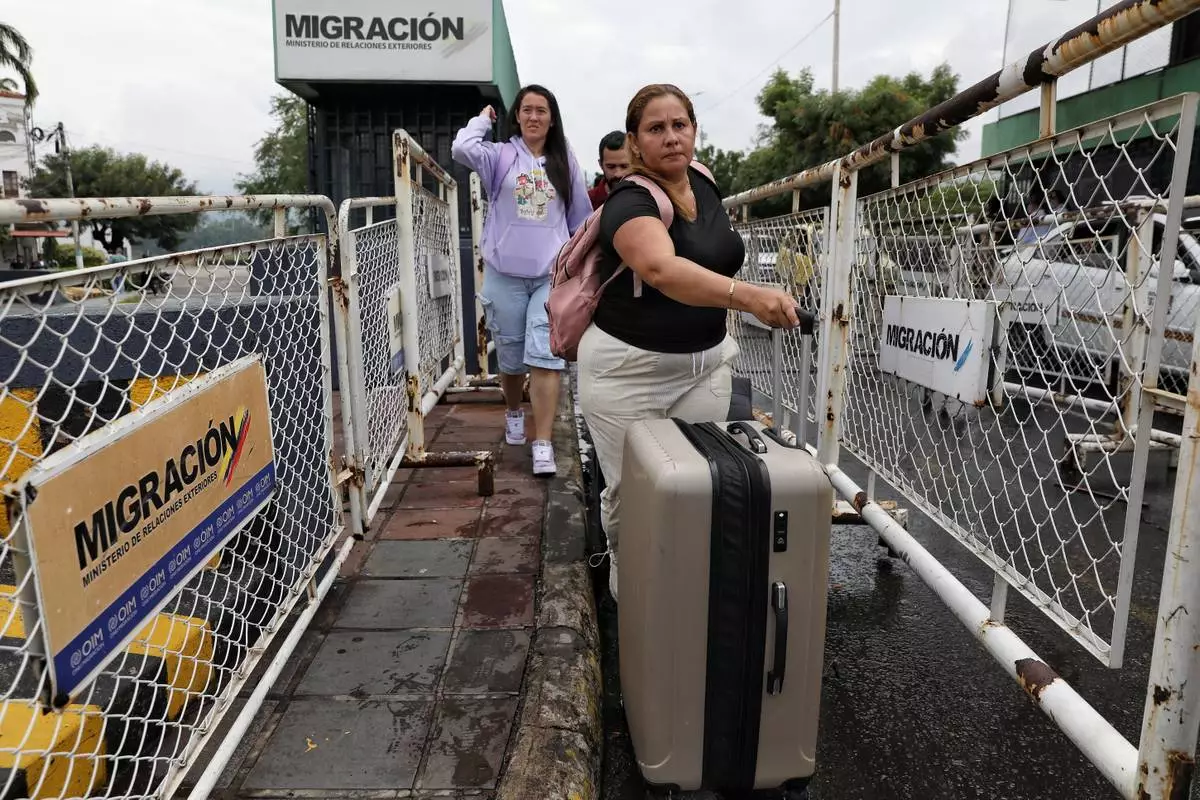
President Donald Trump speaks to House Republican lawmakers during their annual policy retreat, Tuesday, Jan. 6, 2026, in Washington. (AP Photo/Evan Vucci)

People cross the Colombian-Venezuelan border, to Villa del Rosario, Colombia, Monday, Jan. 5, 2026, two days after U.S. forces captured and removed Venezuelan President Nicolas Maduro. (AP Photo/Santiago Saldarriaga)
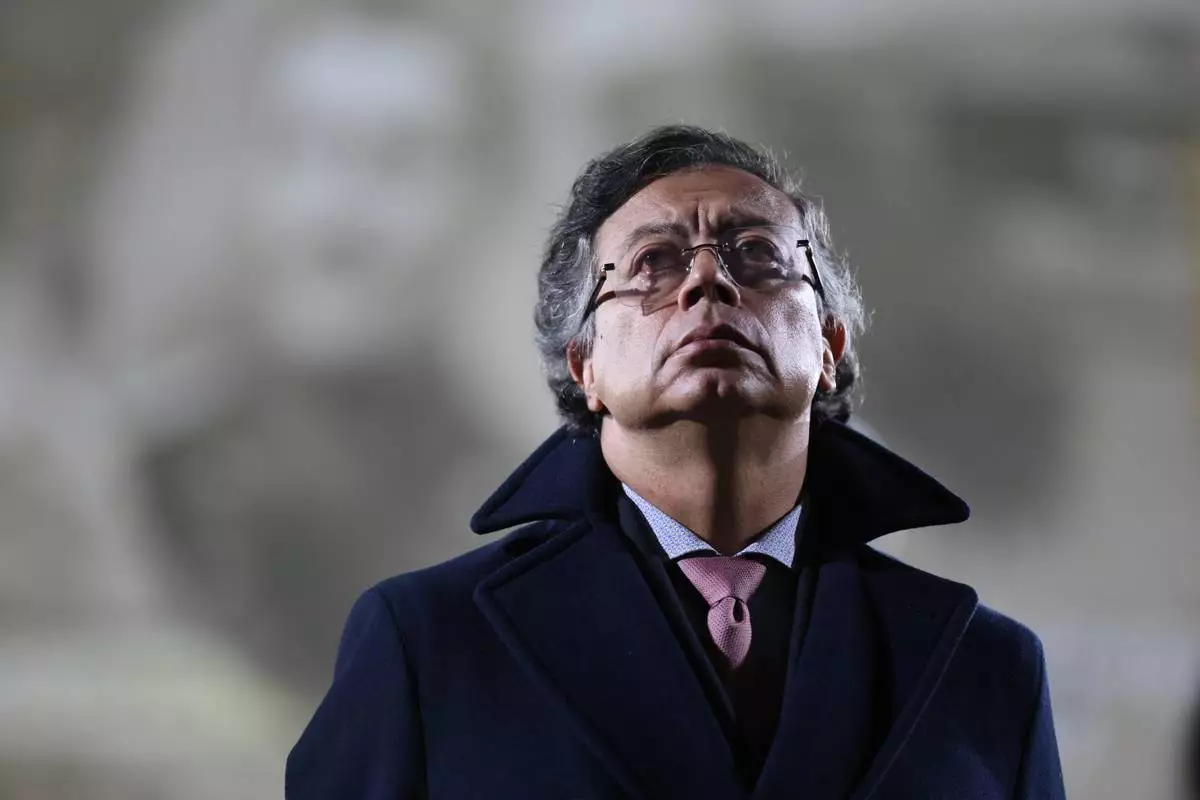
People cross the Colombian-Venezuelan border, to Villa del Rosario, Colombia, Monday, Jan. 5, 2026, two days after U.S. forces captured and removed Venezuelan President Nicolas Maduro. (AP Photo/Santiago Saldarriaga)

Colombian President Gustavo Petro looks on during a swearing-in ceremony for new military commanders at the army academy in Bogota, Colombia, Monday, Dec. 29, 2025. (AP Photo/Esteban Vega)
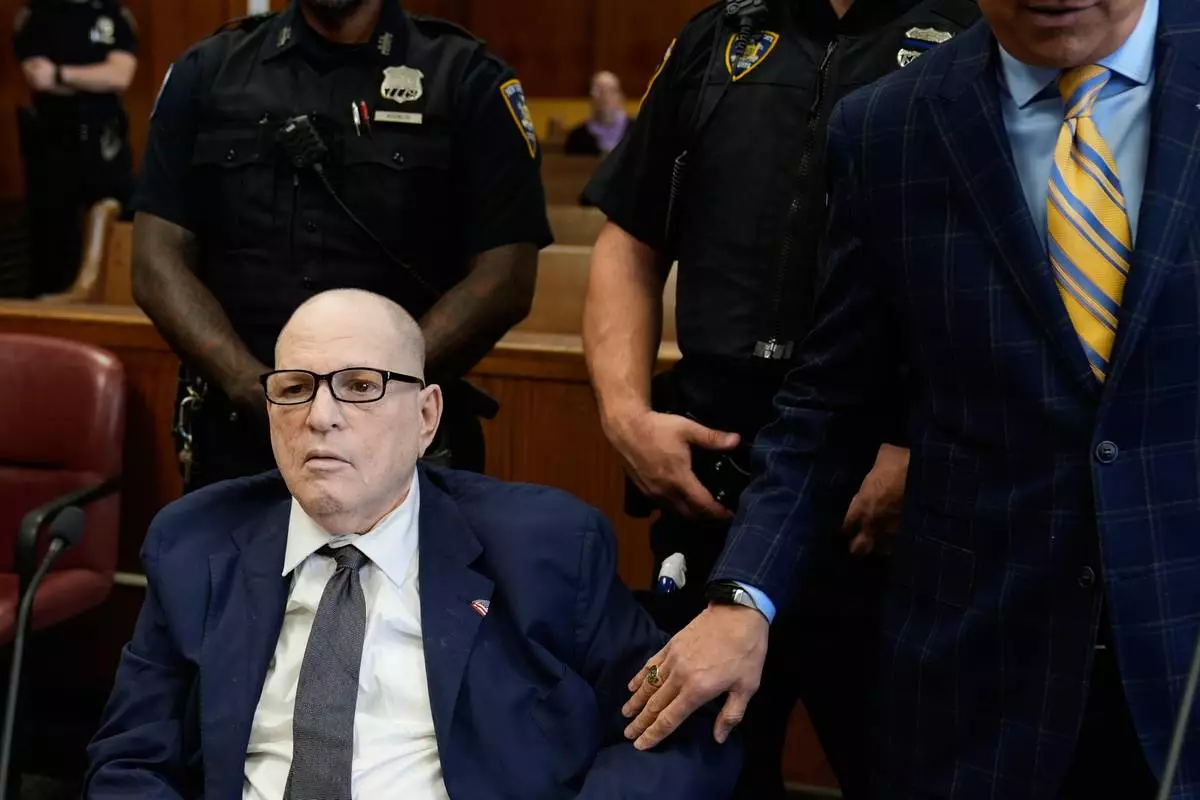
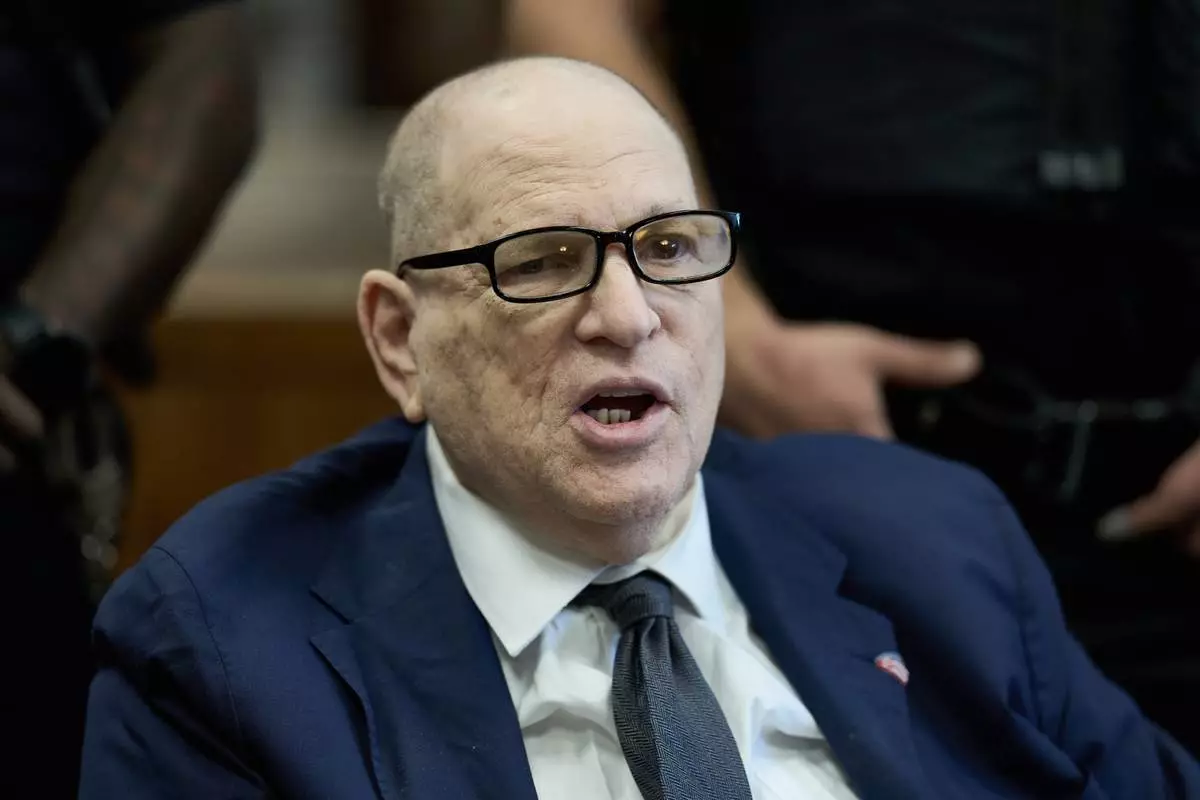
Colombian President Gustavo Petro looks on during a swearing-in ceremony for new military commanders at the army academy in Bogota, Colombia, Monday, Dec. 29, 2025. (AP Photo/Esteban Vega)
NEW YORK (AP) — Harvey Weinstein is weighing a potential guilty plea to resolve an undecided rape charge and avoid going to trial for a third time in New York, a judge said Thursday.

But, amid the plea talk, the disgraced movie mogul struck a defiant tone, telling a court hearing: “I know I was unfaithful, I know I acted wrongly, but I never assaulted anyone."

Weinstein spoke after Judge Curtis Farber denied his bid to overturn his lone conviction at his previous trial, a charge of forcibly performing oral sex on a woman in 2006 that carries a potential sentence of up to 25 years in prison.

The same jury acquitted Weinstein of a charge involving similar allegations involving a different woman, also in 2006, and failed to reach a verdict on a charge that he raped hairstylist and actor Jessica Mann in a Manhattan hotel in 2013.

Lawyers for the Oscar-winning producer had argued that the verdict last June in state court in Manhattan was tainted by infighting and bullying among jurors. Farber rejected that and scheduled a March 3 new trial for the unresolved third-degree rape charge.

The rape charge is punishable by up to four years — less than Weinstein already has served.

“I am disappointed in today’s decision," Weinstein told the judge. “You witnessed the trial and saw how forces beyond my control stripped me of my most basic right to be judged fairly.”

He accused one juror of carrying a personal agenda into deliberations, intimidating others and spreading false allegations. That, he said, "shattered any hope of impartiality.”

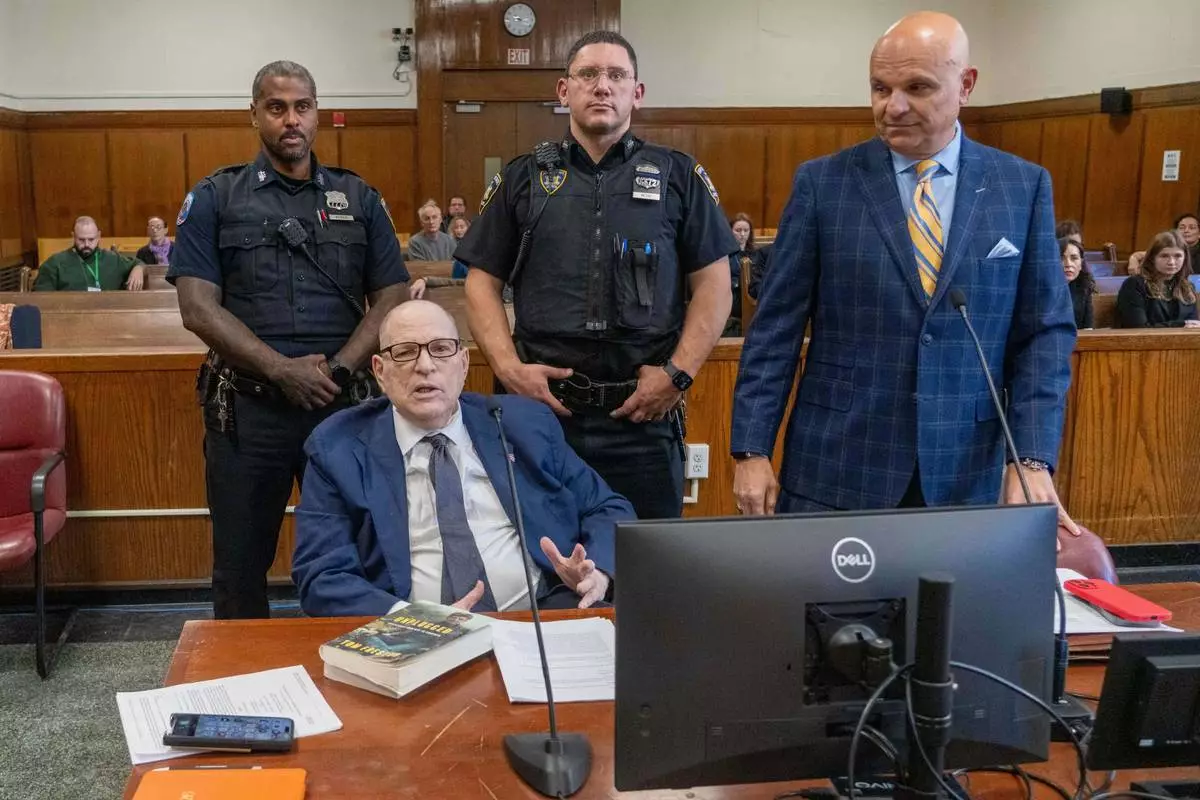
After Farber issued his decision, Weinstein’s lawyer Arthur Aidala said he wanted to “pursue plea negotiations" before going behind closed doors with the judge, prosecutors and other defense lawyers to discuss the matter.

Minutes later, Farber returned to the bench and said Weinstein wanted time to think about it.

It's the latest convoluted turn in the ex-Hollywood honcho's path through the criminal justice system. His landmark #MeToo-era case has spanned seven years, trials in two states, a reversal in one and a retrial that came to a messy end in New York last year.

Weinstein has denied all the charges.

They were one outgrowth of a stack of sexual harassment and sex assault allegations against him that emerged publicly in 2017 and ensuing years, fueling the #MeToo movement against sexual misconduct. Early on, Weinstein apologized for “the way I've behaved with colleagues in the past,” while also denying that he ever had nonconsensual sex.

At trial, Weinstein's lawyers argued that the women willingly accepted his advances in hopes of getting work in various capacities in show business, then falsely accused him to net settlement funds and attention.

The split verdict last June came after multiple jurors took the unusual step of asking to brief the judge on behind-the-scenes tensions.

In a series of exchanges partly in open court, one juror complained that others were “shunning " one of the panel members; the foreperson alluded to jurors “pushing people” verbally and talking about Weinstein's “past” in a way the juror thought improper; yet a third juror opined that discussions were “going well.”

The foreperson later came forward again to complain to the judge about being pressured to change his mind, then said he feared for his safety because a fellow panelist had said he would “see me outside.” The foreperson eventually refused to continue deliberating.

In court, Farber cited the secrecy of ongoing deliberations and reminded jurors not to disclose “the content or tenor” of them. Since the trial, Weinstein's lawyers have talked with the first juror who openly complained and with another who didn't.

In sworn statements, the two said they didn't believe Weinstein was guilty, but had given in because of other jurors' verbal aggression.

One said that after a fellow juror insulted her intelligence and suggested the judge should remove her, she was so afraid that she called two relatives that night and “told them to come look for me if they didn't hear from me, since something was not right about this jury deliberation process.” All jurors’ identities were redacted in court filings.

Weinstein's lawyers contend the tensions amounted to threats that poisoned the process, and that Farber didn't look into them enough before denying defense mistrial requests.

Prosecutors maintain that the judge was presented with claims about “scattered instances of contentious interactions” and handled them appropriately.

Weinstein, who is being held in New York, also is appealing a rape conviction in Los Angeles.

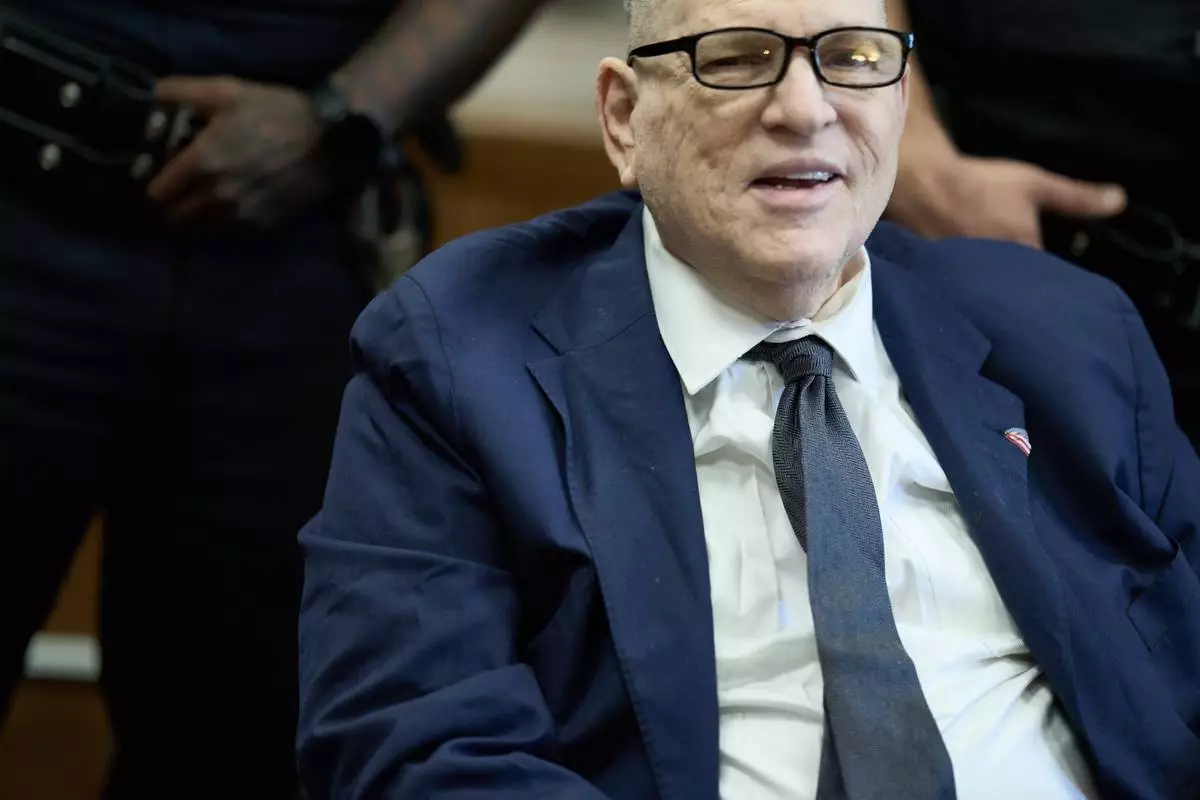
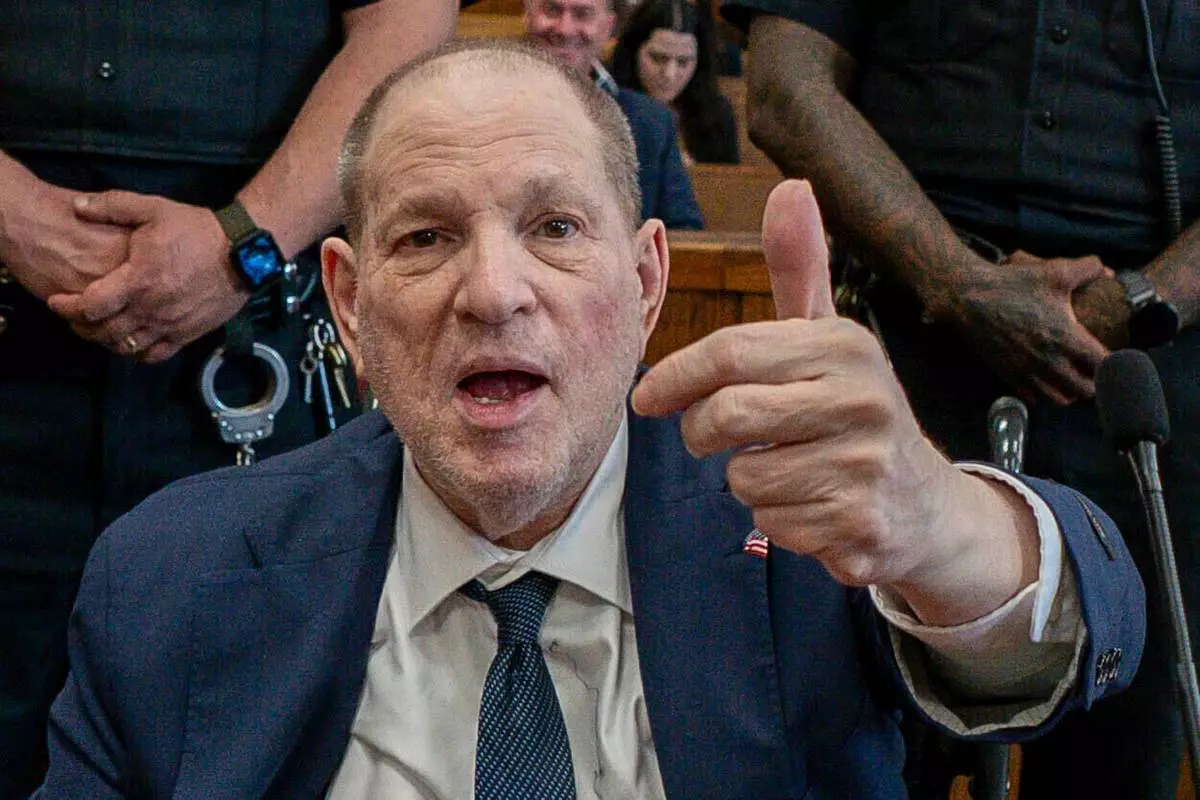
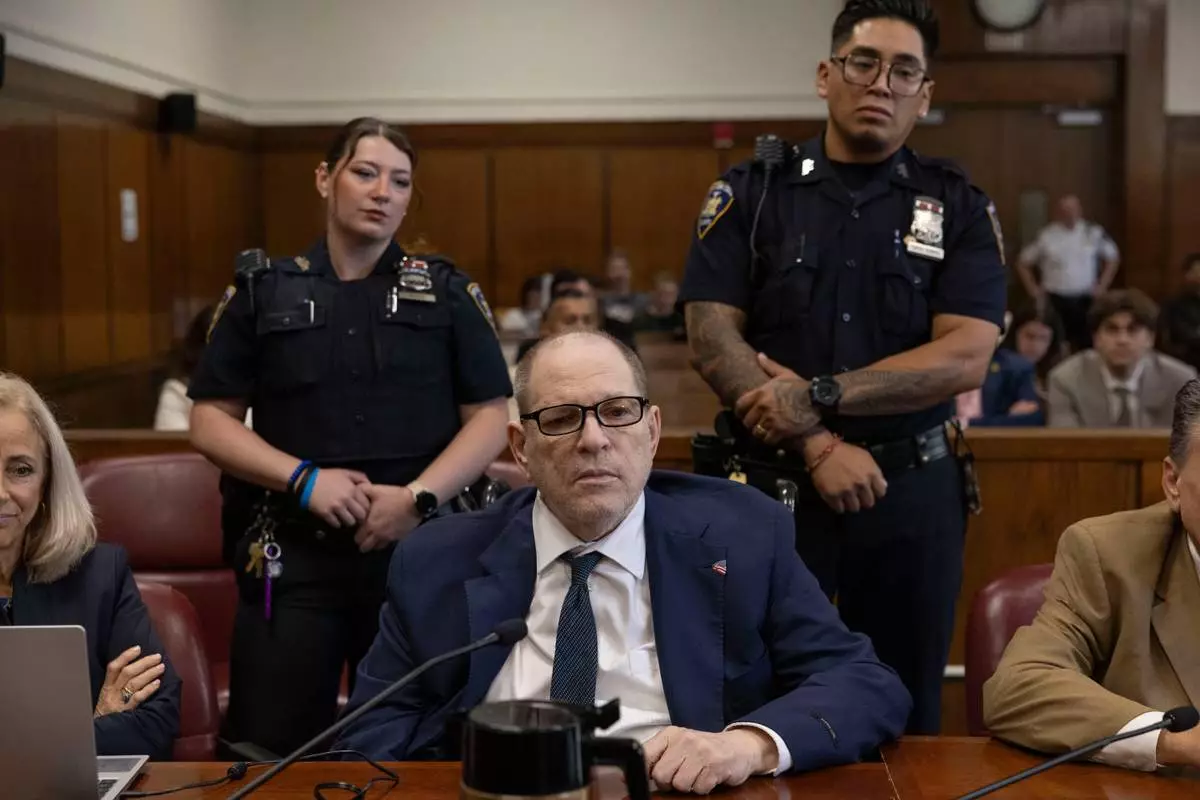
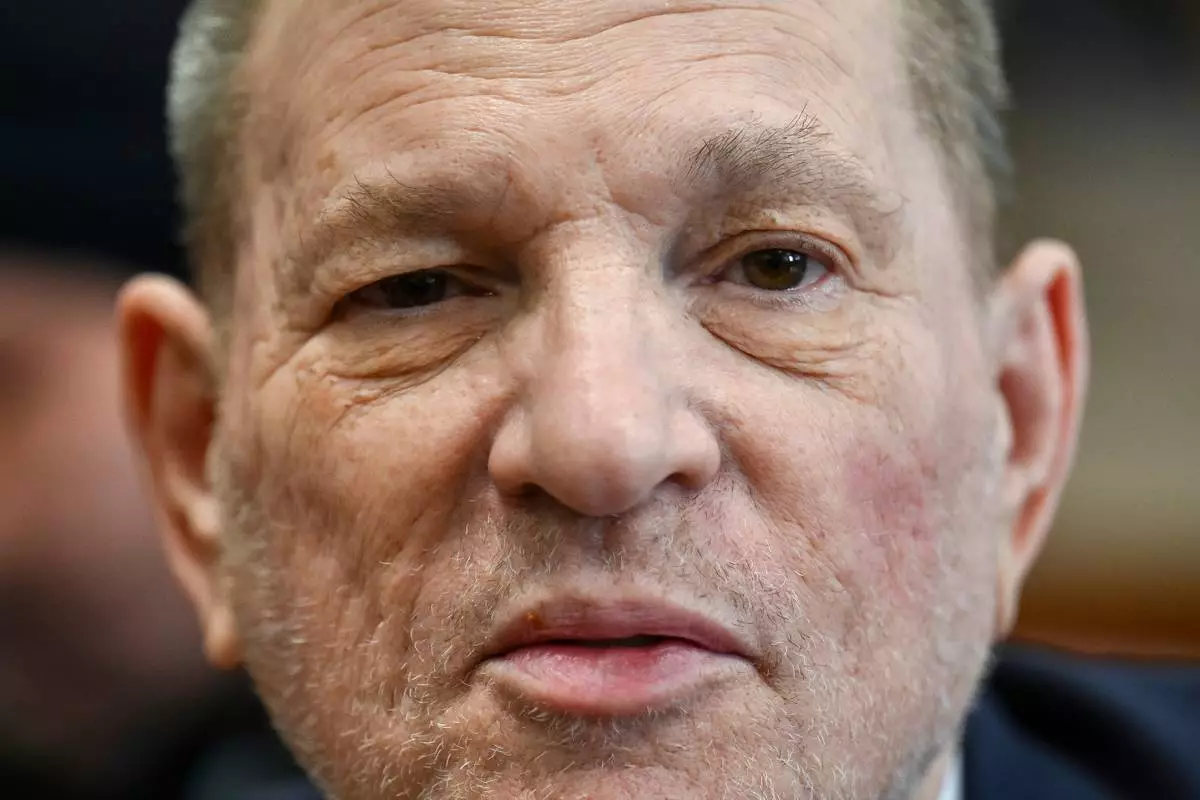
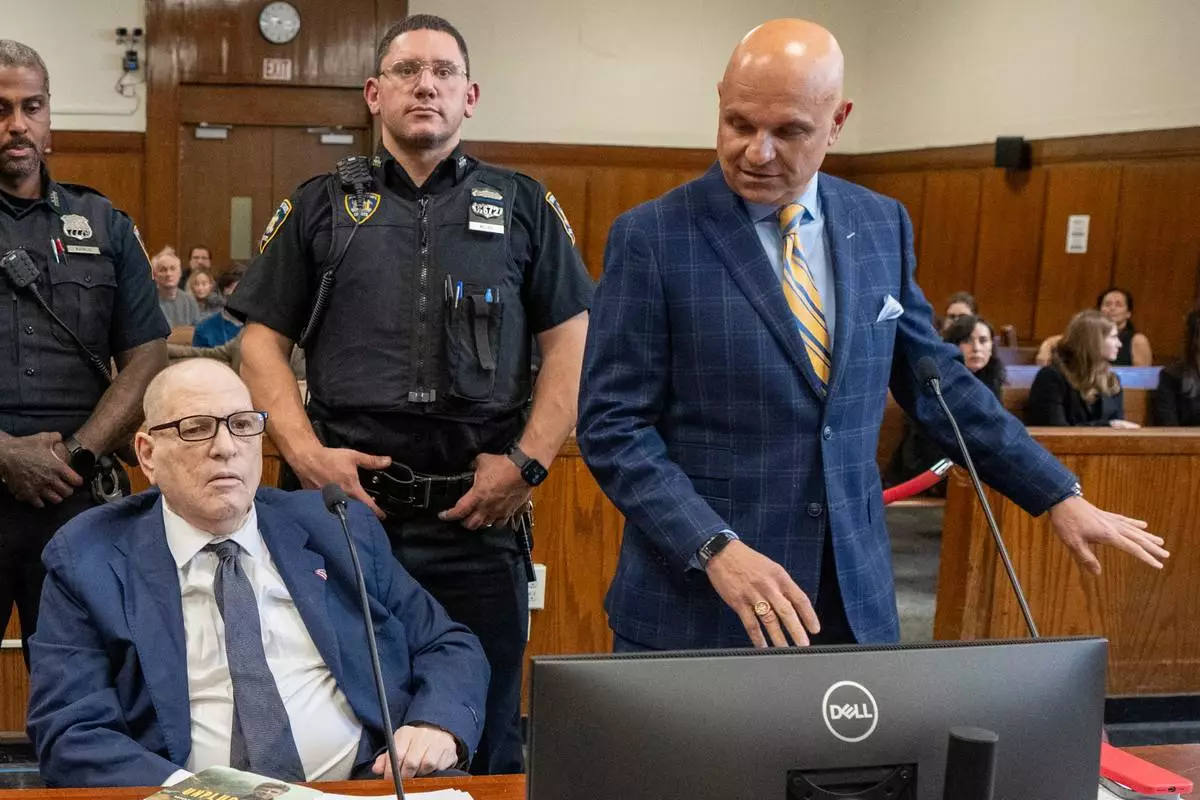
Harvey Weinstein appears in court in New York, Thursday, Jan. 8, 2026. (AP Photo/Seth Wenig, Pool)

Harvey Weinstein appears in court in New York, Thursday, Jan. 8, 2026. (AP Photo/Seth Wenig, Pool)

Harvey Weinstein appears in court in New York, Thursday, Jan. 8, 2026. (Curtis Means/Pool Photo via AP)

Harvey Weinstein appears in court in New York, Thursday, Jan. 8, 2026. (Curtis Means/Pool Photo via AP)

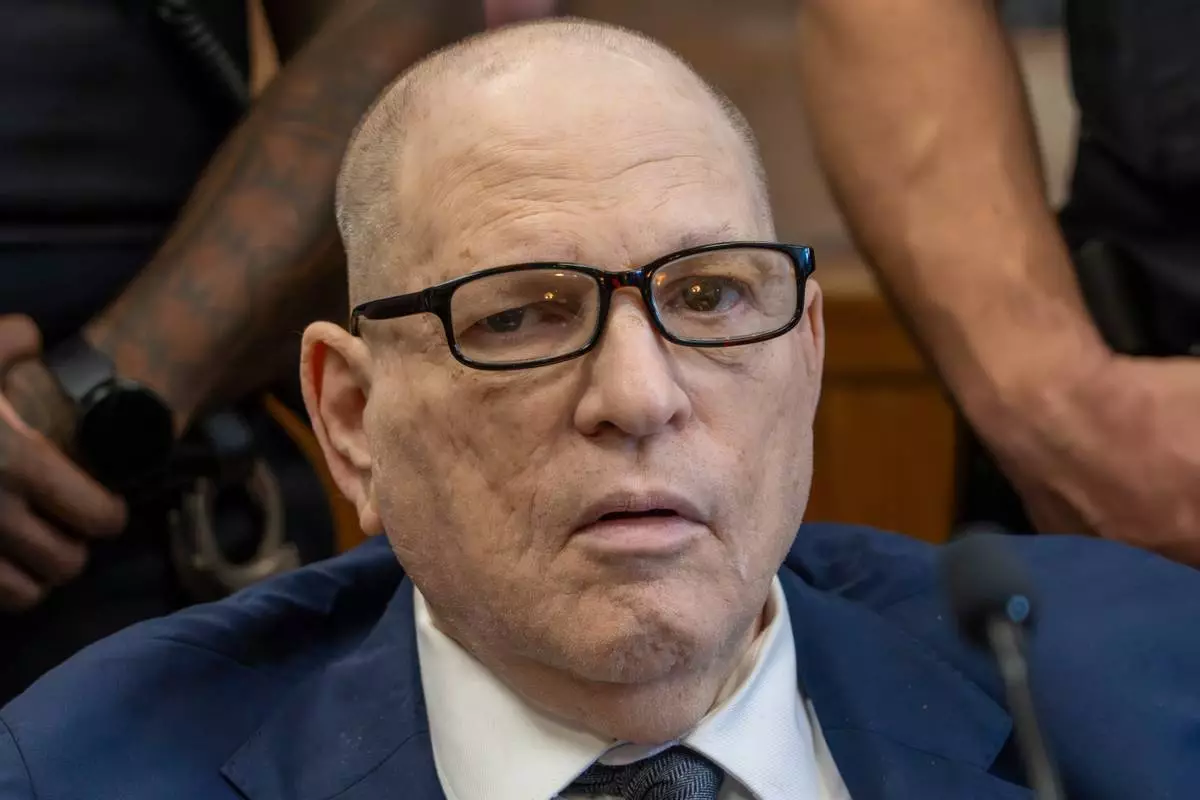
POOL PHOTO: Harvey Weinstein appeared in court today to see if he will have to stand trial again for his sexual assault crimes. Photos by Steven Hirsch /New York Post via AP) Harvey Weinstein appears in court in New York, Thursday, Jan. 8, 2026. (Steven Hirsch/New York Post via AP, Pool)

POOL PHOTO: Harvey Weinstein appeared in court today to see if he will have to stand trial again for his sexual assault crimes. Photos by Steven Hirsch /New York Post via AP) Harvey Weinstein appears in court in New York, Thursday, Jan. 8, 2026. (Steven Hirsch/New York Post via AP, Pool)

Harvey Weinstein appears in court in New York, Thursday, Jan. 8, 2026. (Curtis Means/Pool Photo via AP)

Harvey Weinstein appears in court in New York, Thursday, Jan. 8, 2026. (Curtis Means/Pool Photo via AP)

POOL PHOTO: Harvey Weinstein appeared in court today to see if he will have to stand trial again for his sexual assault crimes. Photos by Steven Hirsch /New York Post via AP) Harvey Weinstein appears in court in New York, Thursday, Jan. 8, 2026. (Steven Hirsch/New York Post via AP, Pool)

POOL PHOTO: Harvey Weinstein appeared in court today to see if he will have to stand trial again for his sexual assault crimes. Photos by Steven Hirsch /New York Post via AP) Harvey Weinstein appears in court in New York, Thursday, Jan. 8, 2026. (Steven Hirsch/New York Post via AP, Pool)

POOL PHOTO: Harvey Weinstein appeared in court today to see if he will have to stand trial again for his sexual assault crimes. Photos by Steven Hirsch /New York Post via AP) Harvey Weinstein appears in court in New York, Thursday, Jan. 8, 2026. (Steven Hirsch/New York Post via AP, Pool)

POOL PHOTO: Harvey Weinstein appeared in court today to see if he will have to stand trial again for his sexual assault crimes. Photos by Steven Hirsch /New York Post via AP) Harvey Weinstein appears in court in New York, Thursday, Jan. 8, 2026. (Steven Hirsch/New York Post via AP, Pool)

FILE - Harvey Weinstein appears in state court in Manhattan for his retrial, June 11, 2025, in New York. (Steven Hirsch /New York Post via AP, Pool, File)

FILE - Harvey Weinstein appears in state court in Manhattan for his retrial, June 11, 2025, in New York. (Steven Hirsch /New York Post via AP, Pool, File)

FILE - Harvey Weinstein appears in state court in Manhattan as jurors return to deliberations on a remaining charge in his retrial on June 12, 2025 in New York. (Christian Monterrosa/Pool Photo via AP, File)

FILE - Harvey Weinstein appears in state court in Manhattan as jurors return to deliberations on a remaining charge in his retrial on June 12, 2025 in New York. (Christian Monterrosa/Pool Photo via AP, File)

FILE - Harvey Weinstein appears in Manhattan criminal court during his retrial, June 11, 2025, in New York. (Angela Weiss/Pool Photo via AP, File)

FILE - Harvey Weinstein appears in Manhattan criminal court during his retrial, June 11, 2025, in New York. (Angela Weiss/Pool Photo via AP, File)

Recommended Articles