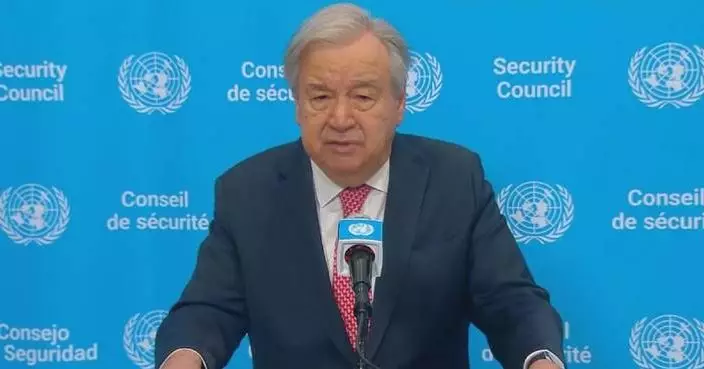
The United Nations (UN) has not been officially notified of the U.S. decision to withdraw from 31 UN entities, a spokesperson said Friday.
According to a presidential memorandum signed by U.S. President Donald Trump on Wednesday, the United States plans to withdraw from 66 international organizations, 31 UN entities and 35 non-UN bodies, that the White House said "no longer serve American interests."
In a statement issued Thursday, the UN Secretary-General's spokesperson Stephane Dujarric expressed regret over the announcement from Washington regarding the U.S. withdrawal from UN entities.
"No, and I checked especially with our legal department and there's been no official communication," Dujarric said.
The statement emphasized that assessed contributions to the UN's regular and peacekeeping budgets, as approved by the General Assembly, remain a legal obligation under the UN Charter for all member states, including the United States.
It further noted that all UN entities will continue implementing their mandates as assigned by member states, stressing that the UN "has a responsibility to deliver for those who depend on us. We will continue to carry out our mandates with determination".
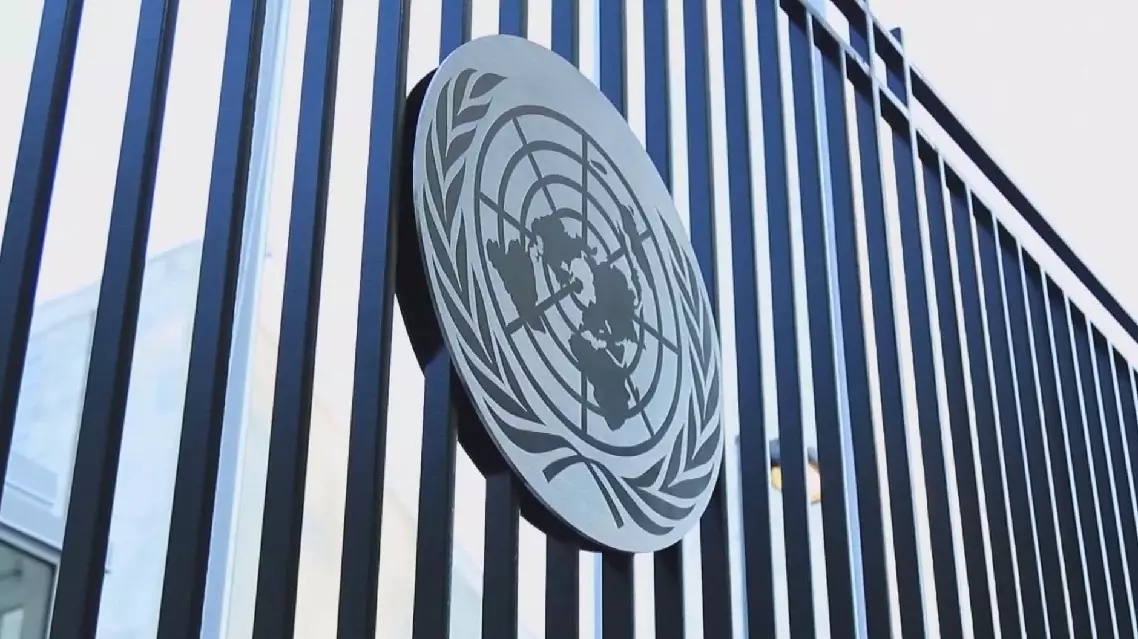
UN not officially notified of US withdrawal from agencies: spokesperson
UN not officially notified of US withdrawal from agencies: spokesperson
UN not officially notified of US withdrawal from agencies: spokesperson
China's two major power grid operators -- the State Grid Corporation of China (State Grid) and China Southern Power Grid (CSG) -- reported a surge in investment in the first quarter of 2026, underscoring efforts to strengthen infrastructure construction and support high-quality socioeconomic development in China.
The State Grid said it completed fixed-asset investment worth 129 billion yuan (about 18.77 billion U.S. dollars) in the first three months of this year, up 37 percent the corresponding period of the previous year. The spending has driven more than 250 billion yuan (36 billion U.S. dollars) of investment across the wider industrial chain.
Key projects such as the Panxi ultra-high-voltage (UHV) alternating current (AC) line and the Anhui-Hubei back-to-back direct current (DC) project have seen ground broken for their construction, while several west-to-east power transmission projects have been upgraded.
Investment in connecting renewable energy generation to the grid was reported to have exceeded 10 billion yuan (1.45 billion U.S. dollars) from January to March, a year-on-year rise of more than 50 percent.
The CSG also reported robust growth in investment in the three-month period, with fixed-asset investment reaching 38.45 billion yuan (5.58 billion U.S. dollars), up about 50 percent from a year earlier.
Among its achievements, the company completed and commissioned 80 key projects, including the 220 kV cross-sea power grid interconnection project, which was officially put into operation on March 20. The project ended years of grid isolation on the Weizhou Island in south China by linking it to the main power system of the Guangxi Zhuang Autonomous Region.
The construction of 17 other major energy projects, including one linking the power grid of the Xizang Autonomous Region in southwest China with that of Guangdong Province in south China, is advancing rapidly. These projects are expected to bolster regional industries, the maritime economy, digital collaboration and the transition to green energy.
"By accelerating major project construction, investment during the 15th Five-Year Plan period (2026-2030) is expected to approach 1 trillion yuan (145 billion U.S. dollars), driving a further 2 trillion yuan (290 billion U.S. dollars) of investment across upstream and downstream industries," said Dong Yanle, deputy general manager of the Engineering Construction Department under the China Southern Power Grid.
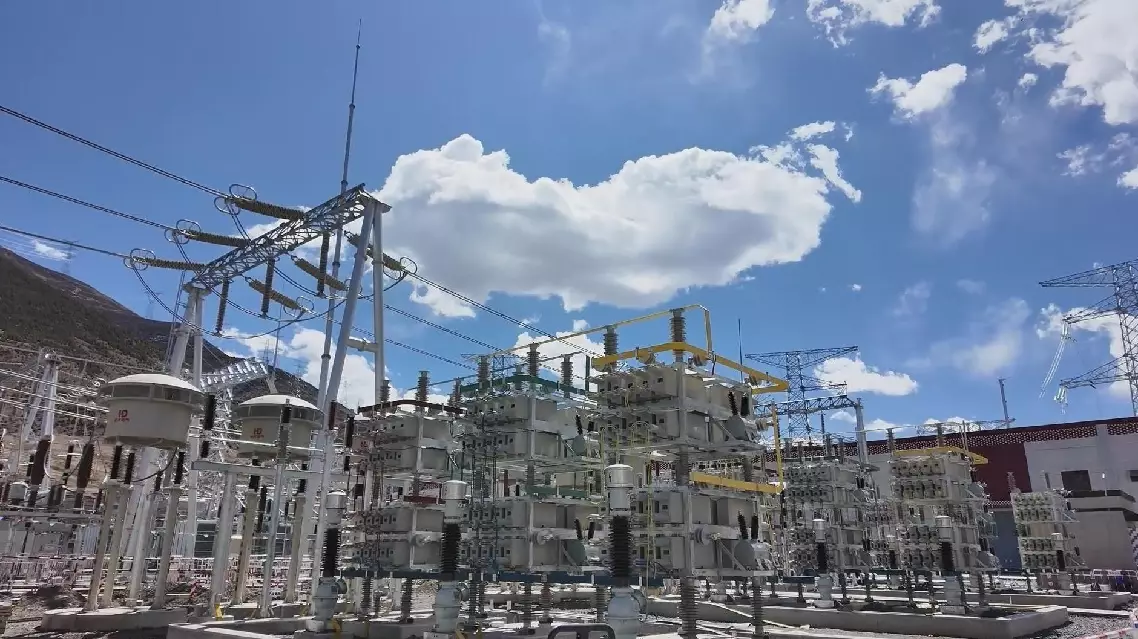
China ramps up power grid investment in January-March to boost growth