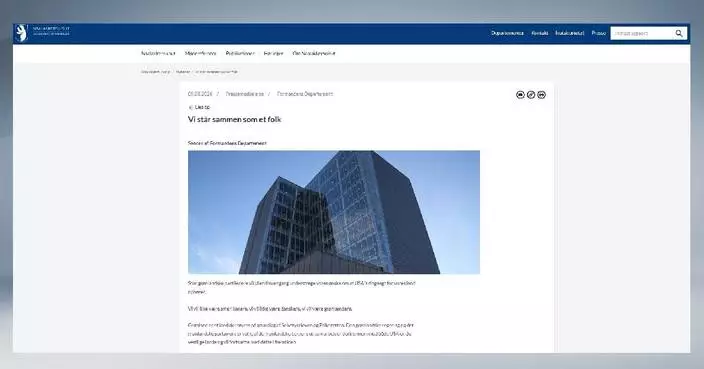
Polish public opinion and the academic community strongly opposed recent remarks by United States President Donald Trump regarding Greenland, a self-governing territory of Denmark. They warned that such statements are alarming and undermine international law and the established international order.
Among ordinary citizens in Poland, there is clear concern about the implications of any attempt by a major power to assert control over Greenland. Many emphasized that the island has its own political system and rules, which should be respected by the international community.
Click to Gallery
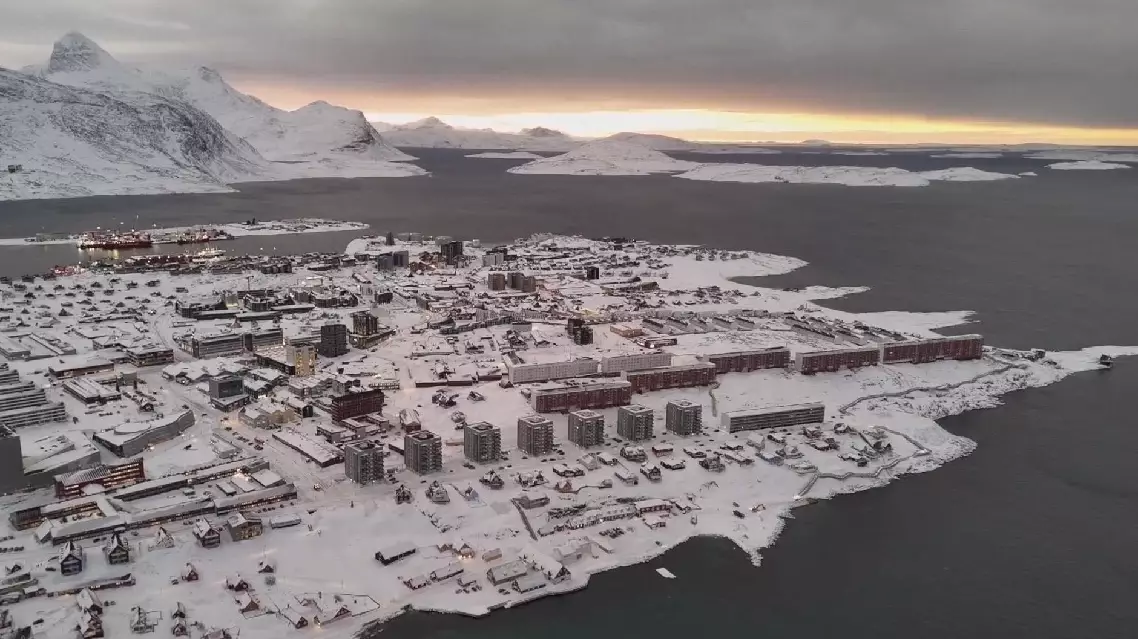
Poles warn U.S. remarks on Greenland threaten sovereignty, world order
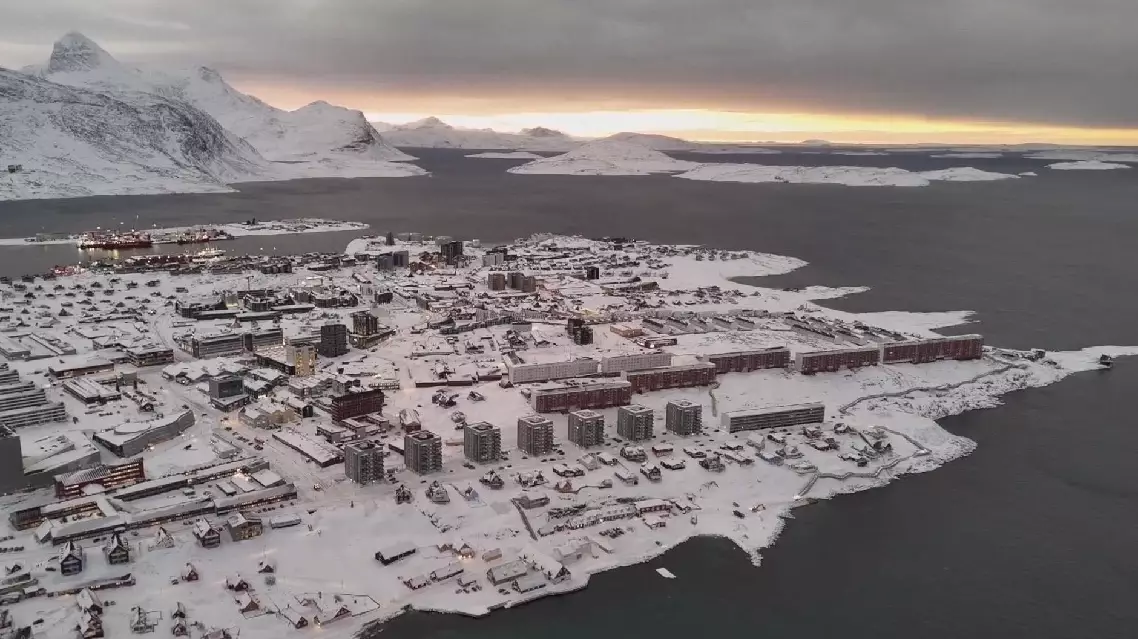
Poles warn U.S. remarks on Greenland threaten sovereignty, world order
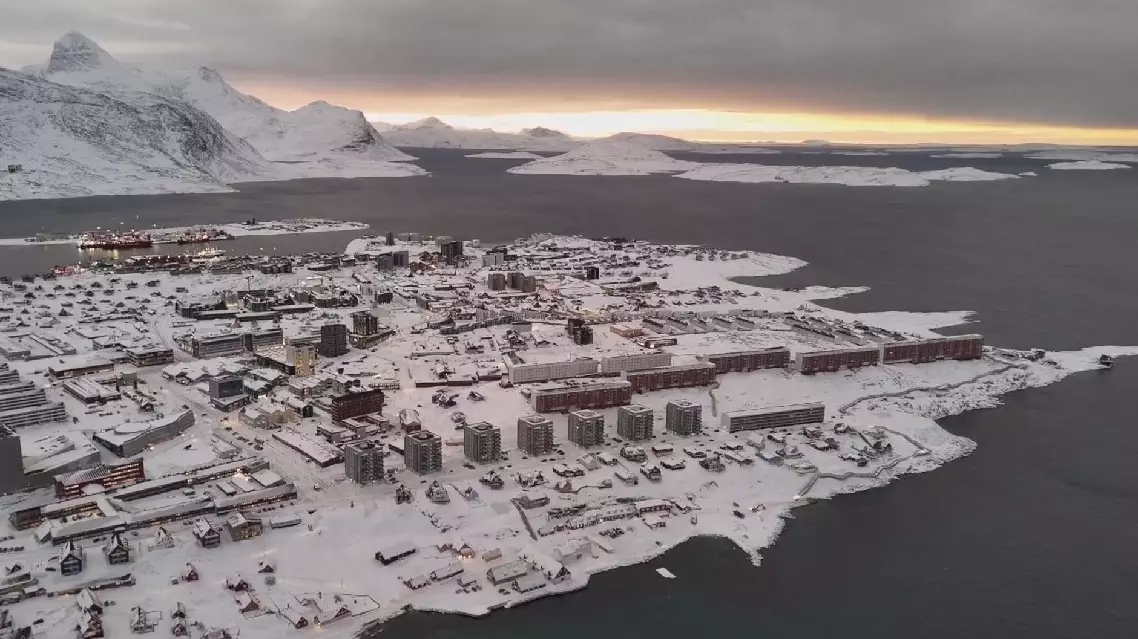
Poles warn U.S. remarks on Greenland threaten sovereignty, world order
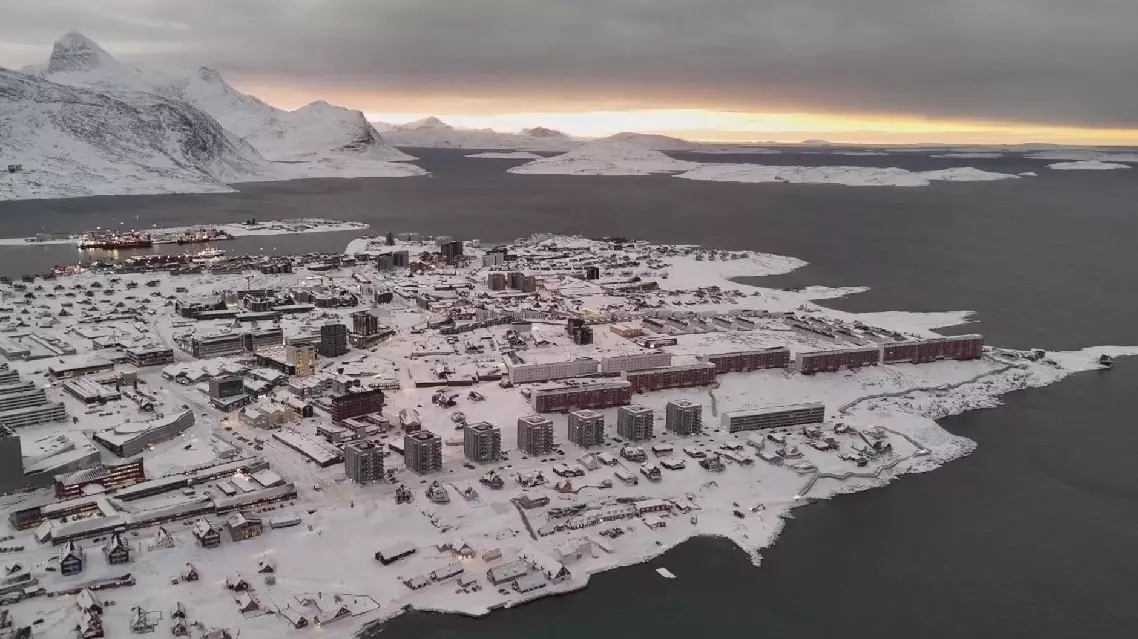
Poles warn U.S. remarks on Greenland threaten sovereignty, world order
"If I lived there, on Greenland, I would definitely resist, because they have their own political system and their own rules. If someone wanted to control them, I would also feel uneasy," said a Polish citizen.
Some Polish residents also questioned the U.S. motivations, suggesting that strategic and economic interests, particularly access to natural resources, may be the main reason.
"In the end, this is probably about mineral resources. Simply put, it is about occupation. Venezuela has oil. Greenland does not have that much oil, but it does have mineral resources," said another Polish citizen.
Several countries have also issued statements stressing that Greenland belongs to its people and only they can decide their future. Polish commentators have echoed this position, saying that sovereignty cannot be treated as a bargaining chip and that Greenland should not become a testing ground for geopolitical rivalry.
A Polish academic expert warned that the controversy goes beyond Greenland itself and could have far-reaching consequences for Europe and the transatlantic alliance.
"The U.S. president's remarks about Greenland are fundamentally shaking the world order. They call into question international law and the system of rules and principles that have been gradually established since World War II," said Wojciech Nowiak, a professor of the Department of Social and Economic Policy of the Faculty of Political Science and Journalism of Adam Mickiewicz University in Poznan, Poland.
"From a political perspective, leaders of many European countries, including those from North Atlantic Treaty Organization (NATO) member states, have clearly stated their support for Denmark and Greenland's right to self-determination and opposed U.S interference in Denmark's internal affairs. However, the problem is that when such statements come from the president of the United States, and the United States is the core pillar of NATO, they inevitably trigger controversy and doubts, and even undermine the very foundation of the alliance itself," he noted.
"From a security perspective, Europe today depends almost 100 percent on the United States for military and technological capabilities, from aircraft and tanks to satellites and intelligence systems. If the United States decided to withdraw support, Europe would, in terms of security, be effectively 'deaf, blind, and mute.' Therefore, I believe the Greenland issue may prompt Europeans to reassess this dependence," the professor added.
Poles warn U.S. remarks on Greenland threaten sovereignty, world order
Poles warn U.S. remarks on Greenland threaten sovereignty, world order
Poles warn U.S. remarks on Greenland threaten sovereignty, world order
Poles warn U.S. remarks on Greenland threaten sovereignty, world order