Skip to Content Facebook Feature Image

Eastern DR Congo violence forces mass displacement

China

China

China

Eastern DR Congo violence forces mass displacement

2026-01-13 16:56 Last Updated At:23:57

The conflict in eastern Democratic Republic of the Congo (DRC) continues to drive mass displacement, with tens of thousands of refugees reportedly fleeing the Kivu region, where most of the unrest take place.

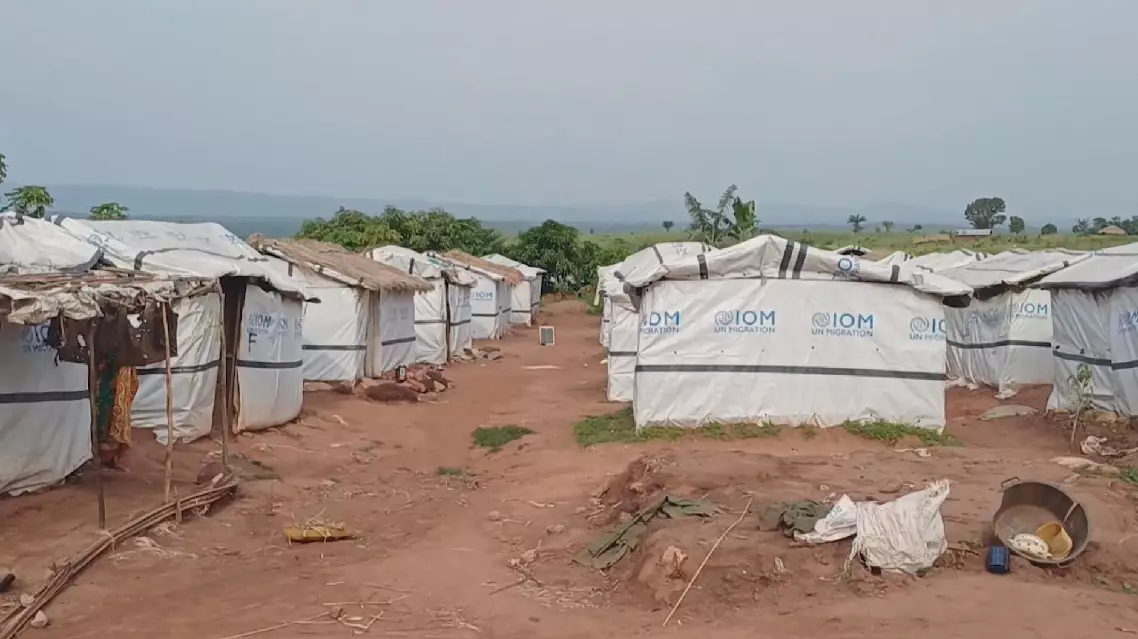
Many have since moved south, settling in villages around Kalemie, capital of the Congolese province of Tanganyika -- a province that lies directly south of Kivu.

Muzinga Angelani Salumu is among thousands who fled Bukavu, the capital of South Kivu Province, after it was captured by the March 23 Movement (M23) rebel group last February. She now settles in Ongwa Village, about 10 kilometers from Kalemie.

However, her search for solace is proving extremely challenging.

"First we came to Ndufita in May. There were a lot of people and diseases, we suffered a lot there. We were then brought here in August. Even here, there is still suffering. Women give birth in poor conditions. Diseases are not treated. Others have even been paralyzed. There is so much suffering," she said.

According to the International Organization for Migration, as of August in 2025, the total number of displaced persons in Tanganyika Province had climbed to above 250,000, and about 80 percent of them are being put up by local families.

Authorities warn the sudden rise in population is straining already limited resources.

"Since they have been here, the village has faced many problems, including overpopulation and food shortages. You know that when you flee, you don't bring food with you," said Bumbu Mwamba Amiri, chief of Ongwa Village.

Relief organizations are facing mounting challenges of their own. Chronic funding shortages have curtailed their ability to deliver essential assistance to the displaced. In March, the UN Refugee Agency warned that its emergency supplies in Kalemie were nearly exhausted, underscoring the strain on humanitarian operations in the province.

With appeals for assistance growing more urgent, some displaced families are questioning whether leaving their homes brought any relief.

"We wonder if we were wrong to leave our homes. Perhaps we should have stayed and endured the misery, or did we move here to suffer even more? We ask humanitarian organizations and the government to answer those questions and find a solution for us. We did not want what happened to our homes," said Wachwa Mwilungu Imani, a displaced Congolese.

A U.S.-brokered peace deal signed in December by the presidents of DR Congo and Rwanda offered hope, but has yet to ease conditions on the ground. For now, Tanganyika remains a refuge for thousands fleeing violence in Kivu, even as local leaders warn of worsening shortages.
Eastern DR Congo violence forces mass displacement
Eastern DR Congo violence forces mass displacement

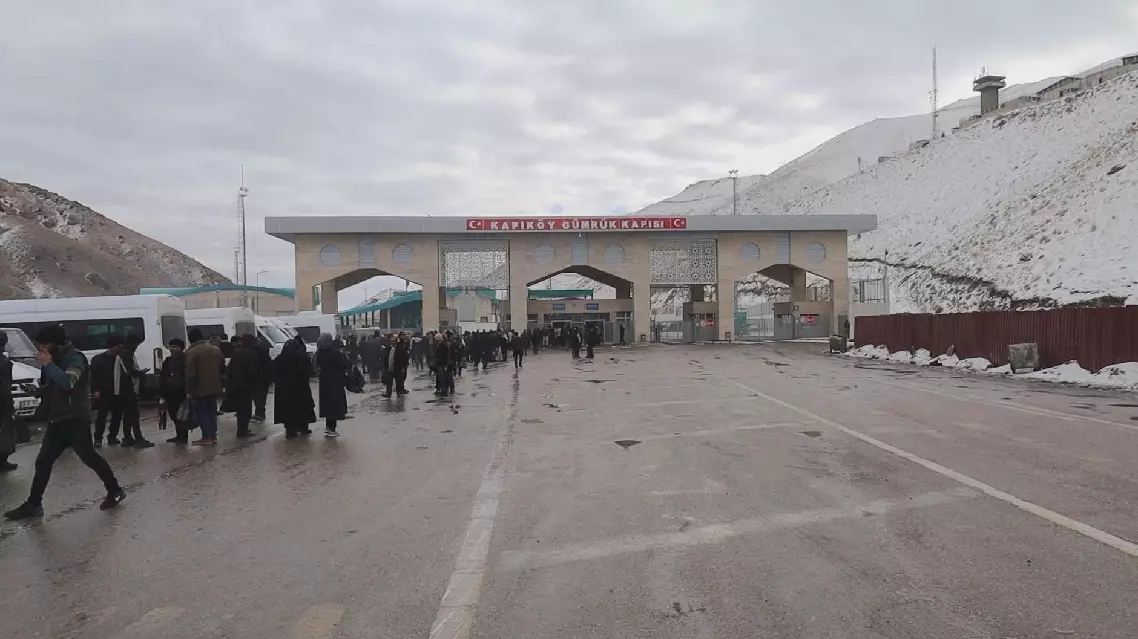
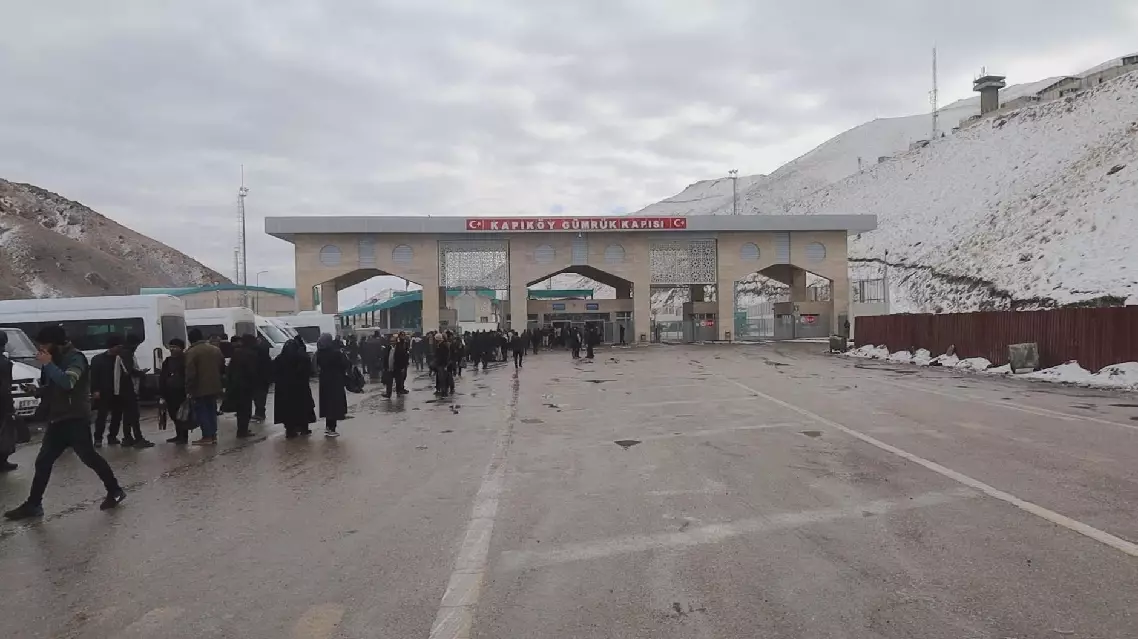
Some Iranians in Türkiye are crossing back over the border, driven by worry and desperation, as a nationwide communications blackout in Iran has left them cut off from their loved ones.

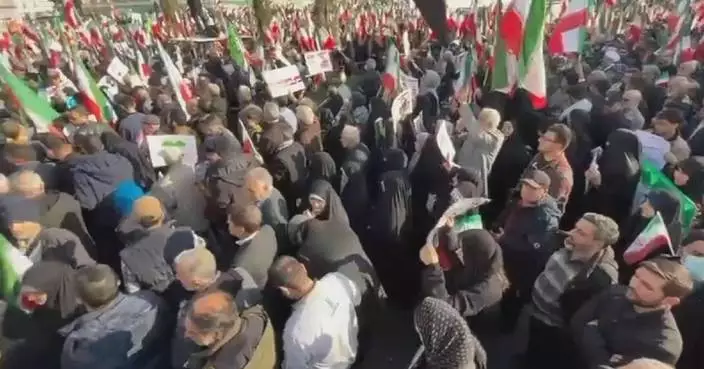
Protests have erupted in many Iranian cities since Dec. 28. They initially began with Tehran bazaar merchants demonstrating against the sharp devaluation of the national currency rial, and soaring inflation, before spreading to other cities. The unrest has led to casualties among both security forces and civilians.

At the Turkish-Iranian border, many are returning with no certainty about what awaits them, filled instead with questions and growing fear for those on the other side of the border.

"I went to Van yesterday for internet. I urgently needed to use the internet. I got it done. Now I'm heading straight back. There are protests everywhere. We can't get any news. We can't communicate with our families. And it's not just me, there are many Iranians outside the country who can't reach their families," said Feriste, an Iranian citizen.

With communications blacked out across Iran, those outside the country feel powerless to check on the situation back home. For some, this silence has prompted them to return across the border, even as tensions continue to rise.

"We can't get any news. There is no internet. Everything is shut down. I want to search. I want to find out. I want to see my brother. I'm going to see my family," said Husnu, an Iranian citizen.

"I work in Türkiye, and I have no news from Iran at all. I'm going back because I'm worried about my family. It's been days since I last heard from them, and because I'm worried, I'm returning to Iran now. Of course, we are concerned about our safety. We don't know what awaits us there," said another Iranian.

With protests escalating and government blackouts still in place, many Iranians are caught between staying in safety abroad and risking everything to reconnect with their families.

"We had to come to Türkiye because we couldn't reach our families. Schools were closed already. All official institutions were shut down. We have no information about other cities either, because there is no communication network there. There is no television, no internet. We can't even check Twitter," said Nazlican, another Iranian citizen.

Iranians in Türkiye return home, fearing for their families amid unrest in Iran

Iranians in Türkiye return home, fearing for their families amid unrest in Iran

Iranians in Türkiye return home, fearing for their families amid unrest in Iran

Iranians in Türkiye return home, fearing for their families amid unrest in Iran

Recommended Articles