FREMONT, Calif.--(BUSINESS WIRE)--Jan 14, 2026--
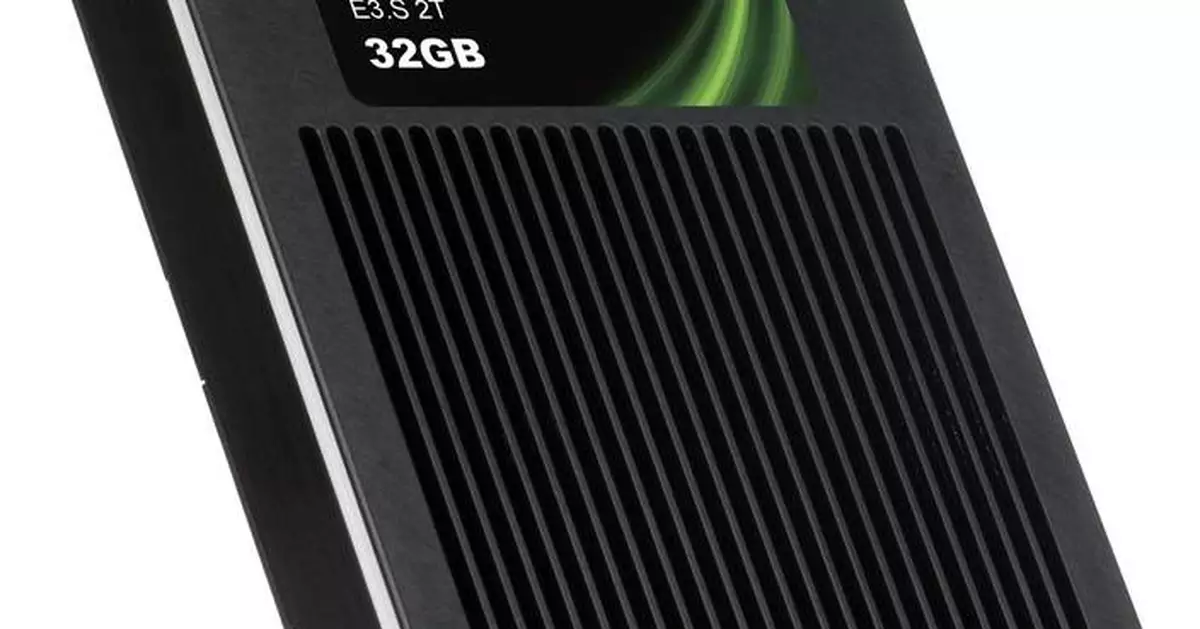
Penguin Solutions, Inc. (Nasdaq: PENG ) a leading provider of high-performance computing and AI infrastructure solutions, today announced that its SMART Modular CXL NV-CMM E3.S 2T non-volatile memory module has successfully passed CXL ® compliance testing. This achievement not only signifies adherence to industry standards, but positions Penguin Solutions as a trusted leader in advanced memory technology for CXL applications. Penguin’s SMART Modular CXL NV-CMM E3.S 2T Memory Module is now listed on the CXL Consortium's Integrators List.
This press release features multimedia. View the full release here: https://www.businesswire.com/news/home/20260114434969/en/
The CXL NV-CMM E3.S 2T module utilizes the Compute Express Link ® (CXL) 2.0 standard, offering low latency, high bandwidth persistent storage with enterprise-class RAS features. This module accelerates system performance through efficient checkpointing and caching for in-memory databases, and ensures quick data recovery following power loss or system crashes.
"We are proud to have our SMART CXL NV-CMM E3.S 2T memory module recognized for its compliance with CXL standards," said Andy Mills, vice president Advanced Product Development for Integrated Memory at Penguin Solutions. "This achievement underscores our commitment to delivering high-quality, interoperable memory solutions that meet the evolving needs of our customers."
Key Use Cases for the SMART CXL NV-CMM E3.S 2T:
This inclusion on the CXL Consortium’s Integrators List reflects the decades of experience and dedication to high-performance, high-quality, and interoperability of Penguin’s SMART Modular memory portfolio, reinforcing its position as a leading provider and innovator that is advancing integrated memory technology.
For more information, please visit www.penguinsolutions.com.
Penguin Solutions is a trademark or registered trademark of Penguin Solutions, Inc. or its affiliates. All other trademarks are the property of their respective owners. CXL and Compute Express Link are trademarks of compute Express Link Consortium, Inc.
About Penguin Solutions, Inc.
SMART Modular Technologies, a Penguin Solutions brand, helps customers around the world enable high performance computing through the design, development and advanced packaging of integrated memory solutions with a portfolio that ranges from today’s leading edge memory technologies to standard and legacy DRAM and Flash storage products. For more information, visit: www.penguinsolutions.com.

Penguin Solutions SMART CXL NV-CMM E3.S 2T non-volatile memory module has met compliance for the CXL® Consortium’s Integrators List. The module is designed to enhance system acceleration, support large in-memory databases, and ensure quick data recovery following power loss or system crashes.
PROVIDENCE, R.I. (AP) — World Cup fans in a growing number of U.S. cities won't have an issue finding a well-poured pint to go with their late-night match.
State leaders across the U.S. are signing off on extending bar and restaurant hours during the world’s most-watched sporting event. They want to help businesses and improve fan experiences, particularly for those who may have been priced out of tickets. Others see the move as a last-ditch effort to boost sales as expectations for a World Cup economic boon have dampened.
So far, Kansas, Missouri, New Jersey, Pennsylvania, Rhode Island and Washington — states either hosting World Cup matches or adjacent to the activity — have all approved various measures to extend hours for alcohol sales during the tournament. Similar proposals are being considered in New York and Massachusetts.
The changes mean that closing time won’t come until 4 a.m. in Philadelphia during the World Cup and America 250 celebrations. In Kansas City, some bars can stay open as late as 5 a.m.
Many of these changes are dependent on municipality approval, and no business would be required to extend business hours. But for the hospitality industry, already struggling under waning sales and inflation, the option to stay open later is welcomed.
Mark Prinzinger, owner of Lion Sports Bar in Philadelphia, described watching soccer with fans from all over the world as a “magical experience." Now that he has the option to keep his bar open two hours longer, he’s hired extra staff, streamlined the menus and planned late-night programming.
“People want to have a beer with other soccer fans and the great thing about the World Cup is that it brings people together from all over the world into one place to watch a sport that everybody loves,” he said.
Prinzinger and other bar, restaurant and nightlife venues in Pennsylvania will be allowed to move their closing times from 2 a.m. until 4 a.m. during the World Cup and the America 250 anniversary celebrations, between June 11 and July 20. Gov. Josh Shapiro approved the legislation by releasing a video showing him cracking open a beer, signing off the social media post with a cheeky warning to the City of Brotherly Love's reputation for getting rowdy: “Celebrate responsibly, Philly.”
With more hours available to drink, some critics have raised concerns about public safety and potential strain on law enforcement even as the effort has received bipartisan support from lawmakers.
In Kansas City, Missouri, Mayor Quinton Lucas initially stated that his city “doesn't need bars operating 23 hours” during the World Cup and joked, “Worry not, if you want to drink a ton, bars can open quite early.”
Yet bar owners bristle under such opposition, saying that most businesses prioritize training staff to prevent patrons from being overserved.
“Just because people are hanging out at the bar watching a soccer game doesn’t mean they’re getting blitzed,” Prinzinger said. “In fact, I would say it’s completely the opposite. I think people want to watch the game. People want to be engaged.”
Rhode Island Rep. Teresa Tanzi agreed.
“Not everybody that’s going to walk into a place is going to be chugging drinks and getting loaded,” Tanzi, a Democrat, said earlier this month on the House floor. “There are going to be families who are going to want a cheeseburger, an American cheeseburger, and a Coca-Cola."
Rhode Island, which is closer than Boston is to World Cup matches host Gillette Stadium, is weighing whether to extend alcohol sales to 3 a.m. and closing times to 4 a.m. Currently, last call in the smallest U.S. state is 1 a.m., with some exceptions for its capital city of Providence.
Even Lucas relented, eventually submitting a plan allowing Kansas City restaurants and bars to remain open until 3 a.m., and certain establishments to remain open until 5 a.m. if they submit a security plan to the police department. Currently, alcohol sales can generally be made between 6 a.m. through 1:30 a.m.
The extended hours aren't entirely a U.S. trend. Pubs in England and Wales will be able to stay open as late as 2 a.m. if the English or Scottish teams are playing in the knockout stages after the U.K. government relaxed its licensing rules.
In Scotland, which has its own semiautonomous government, local authorities can allow pubs to stay open until 30 minutes after matches end.
According to the World Cup schedule, a majority of games will be held from early afternoon through early evening. But a handful start later, with four games starting at midnight and eight games starting at 10 p.m. for those watching in the Eastern time zone.
Just how big of a demand there will be for late-night bites and drinks is somewhat unknown. In the U.S., consumer habits have shifted drastically ever since the COVID-19 pandemic, with more people choosing to go out earlier in the day and spending less overall, said David Henkes, senior principal at Technomic, a firm that monitors restaurant and food industry trends.
“It’s so hard to stay open late night or overnight just because it’s hard to find labor,” Henkes said. “I applaud the effort to give restaurants an opportunity to earn more revenue, but I’m not sure that there’s going to be significant enough demand for it to make sense for a lot of operators to do so.”
Associated Press writer Brian Melley contributed from London.
AP World Cup: https://apnews.com/hub/fifa-world-cup
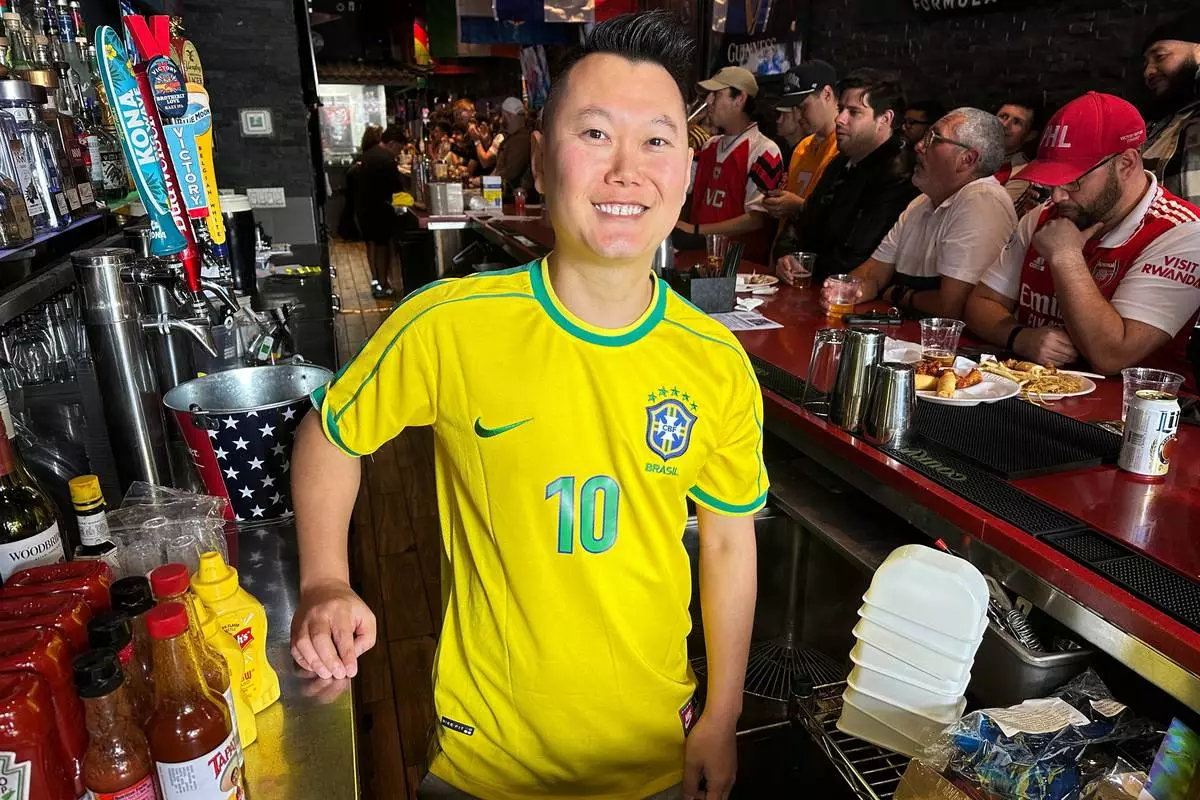
Lion Sports Bar owner Mark Prinzinger poses behind the bar as fans watch a Champion league soccer match between Arsenal and Paris Saint-Germain, Saturday, May 30, 2026, in Philadelphia. (AP Photo/Tassanee Vejpongsa)
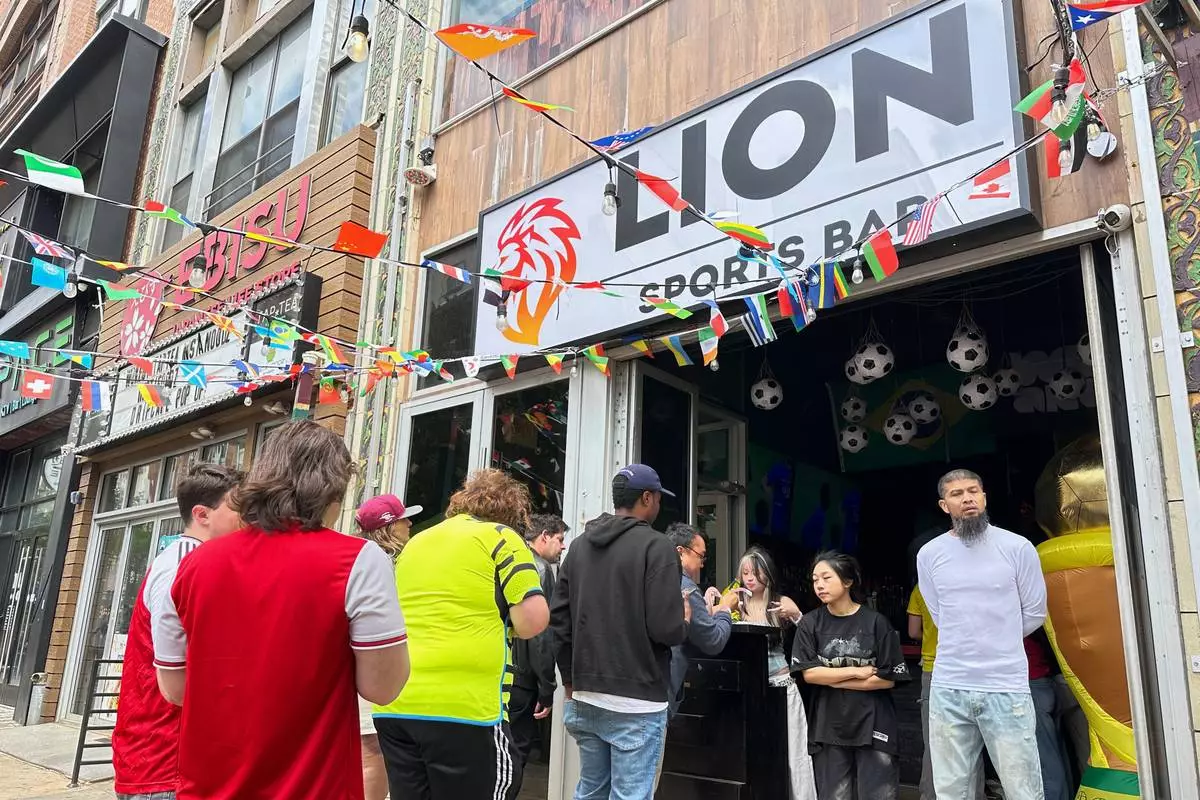
Fans arrive to watch a Champion league soccer match between Arsenal and Paris Saint-Germain at the Lion Sports Bar, Saturday, May 30, 2026, in Philadelphia. (AP Photo/Tassanee Vejpongsa)
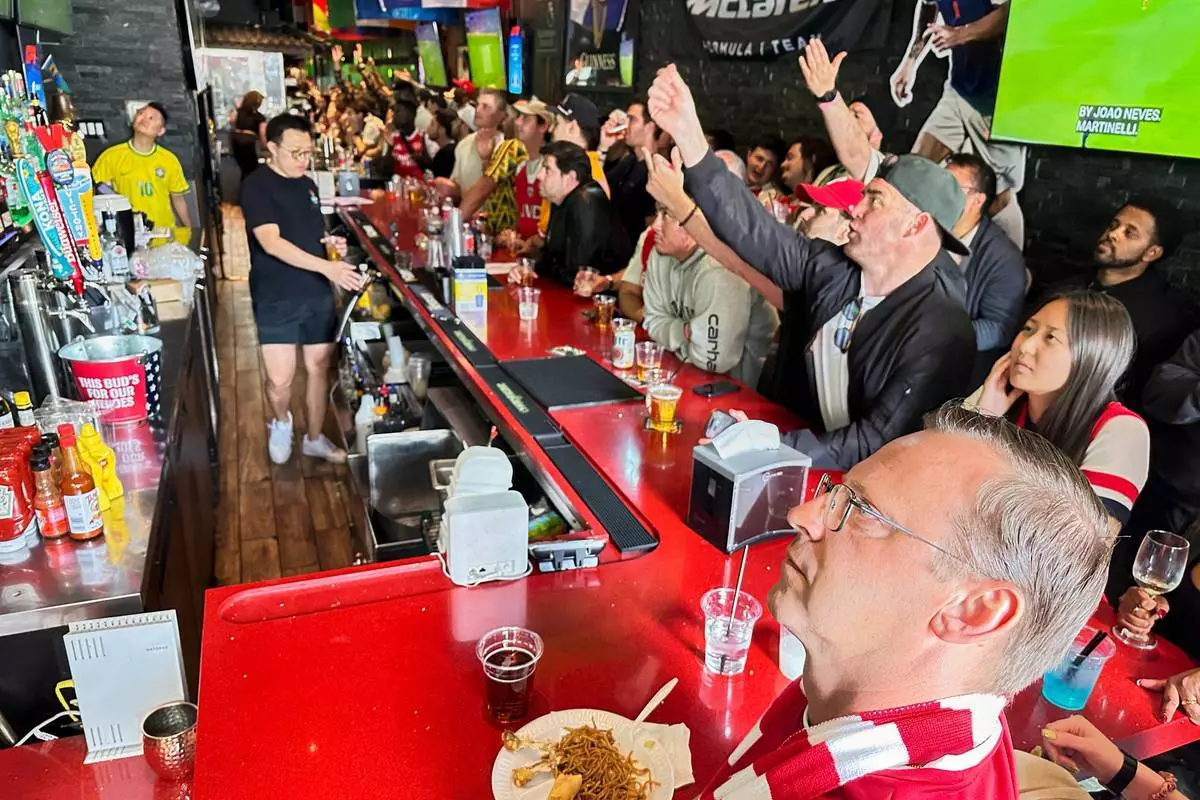
Fans watch a Champion league soccer match between Arsenal and Paris Saint-Germain at the Lion Sports Bar, Saturday, May 30, 2026, in Philadelphia. (AP Photo/Tassanee Vejpongsa)
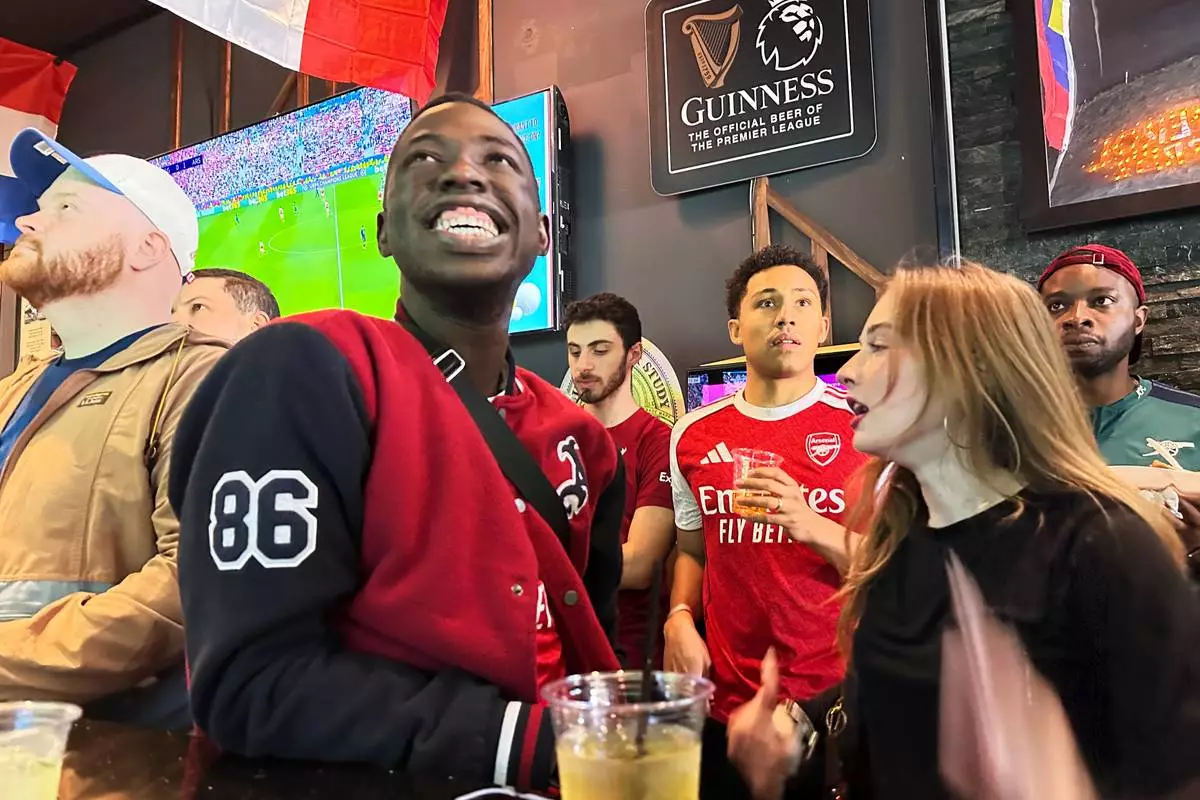
Fans watch a Champion league soccer match between Arsenal and Paris Saint-Germain at the Lion Sports Bar, Saturday, May 30, 2026, in Philadelphia. (AP Photo/Tassanee Vejpongsa)
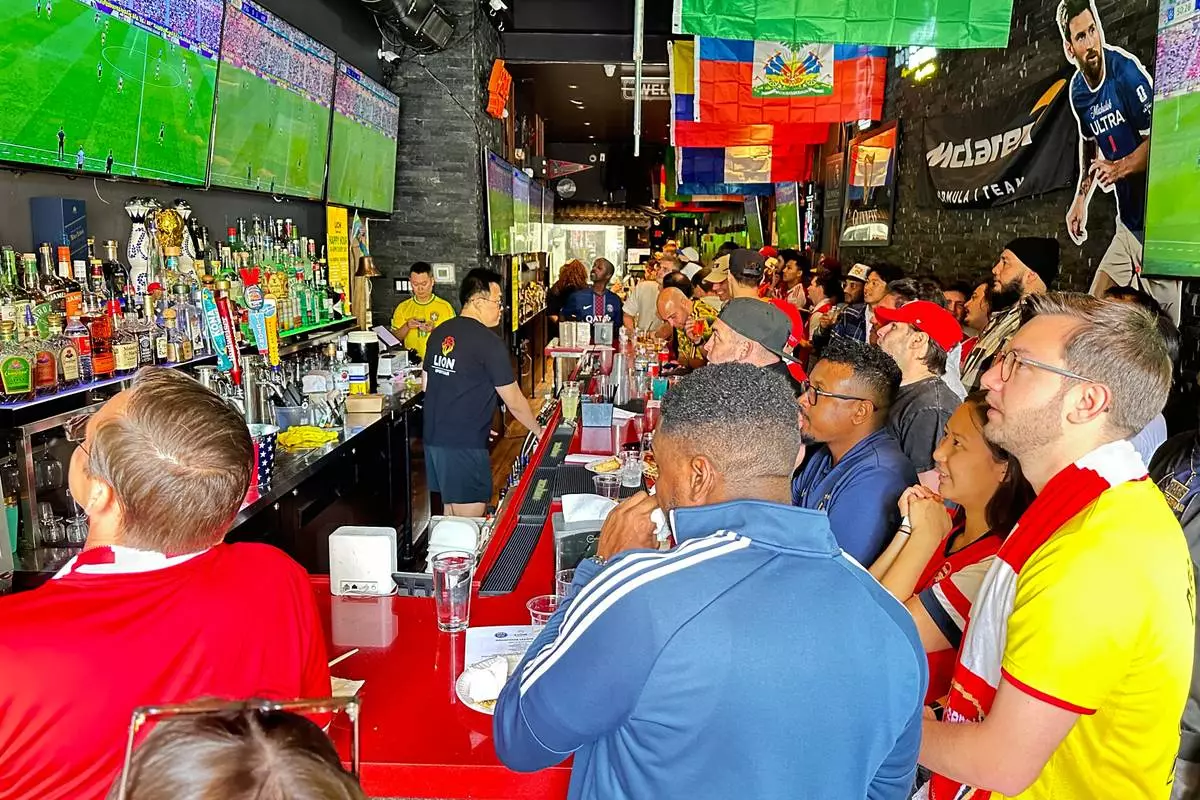
Fans watch a Champion league soccer match between Arsenal and Paris Saint-Germain at the Lion Sports Bar, Saturday, May 30, 2026, in Philadelphia. (AP Photo/Tassanee Vejpongsa)