China on Thursday launched two new "TIR Plus" models across multiple regions, marking a significant upgrade in cross-border logistics system and creating more efficient international transport channels for foreign trade companies.
The rollout follows new regulations issued by China's General Administration of Customs and includes two innovative models — "TIR plus bonded" and "TIR plus cross-border e-commerce."
The TIR system, which stands for Transports Internationaux Routiers or International Road Transport, is a global customs transit system based on a United Nations convention. Under this system, vehicles carrying a TIR carnet can pass through transit countries without repeated customs inspections after completing formalities at the point of origin, ensuring highly efficient cross-border transit.
The newly launched models integrate international road transport with bonded policies and e-commerce supervision modes for the first time.
In central China's Henan Province, the first batch of "TIR plus bonded" cargo was dispatched from the Zhengzhou Airport Economy Zone, heading directly for Russia.
"This model combines the advantages of comprehensive bonded zones with TIR international road transport, which helps enterprises develop transport-trade integration. It represents a breakthrough in innovating port models and enhancing the capacity of logistics hubs," said Ji Dakai, a senior specialist at the Zhengzhou Airport Economy Zone Port Administration.
The expansion of these services was also evident in northwest China's Xinjiang Uygur Autonomous Region. At the TIR logistics hub in Kashgar, two transport vehicles loaded with daily necessities departed for Pakistan and Uzbekistan, with expected travel times of two and five days, respectively.
"We provide appointment-based customs clearance and 'one-on-one' guidance to break down collaboration barriers. This has led to improved clearance efficiency and lower logistics costs," said Yang Qiang, deputy director of the inspection department at Kashgar Customs.
Meanwhile, Wenzhou City in east China's Zhejiang Province has also dispatched two batches of goods under the new models.
"We can apply for tax refunds as soon as the goods enter the zone, which is about 10 days earlier than before. In the past, our exports to Europe mainly relied on sea freight, which took much longer. The TIR model can reduce our transport time by about 65 percent," said Xu Jianyong, business manager of Wenzhou Juxin International Multimodal Transport Port Co., Ltd.
China joined the TIR Convention in July 2016 to simplify and streamline administrative formalities of international road transport.
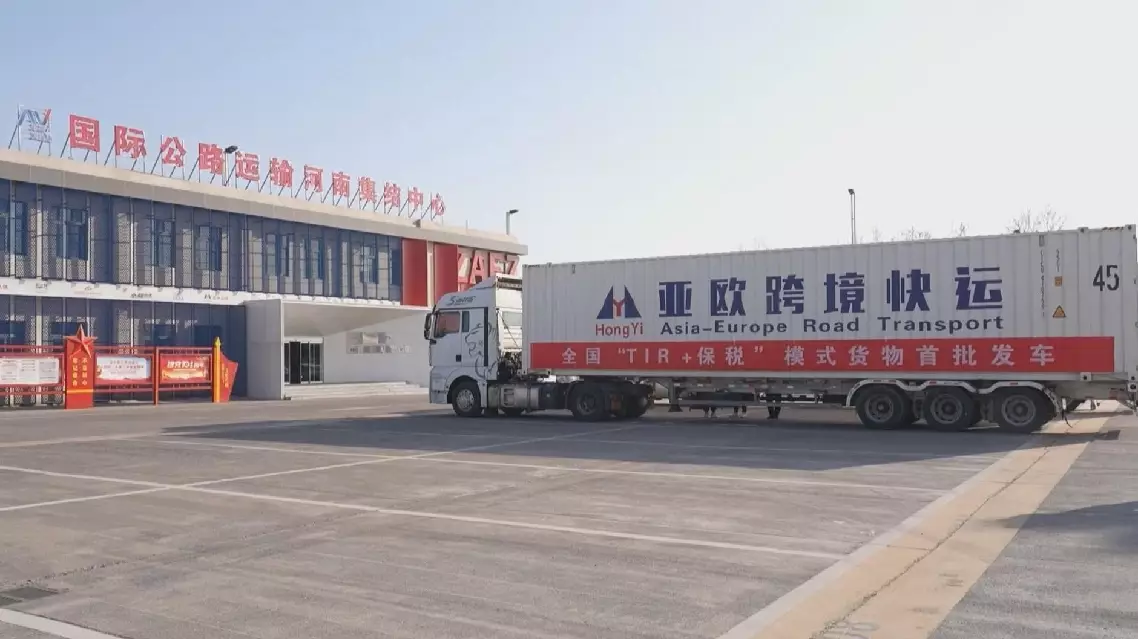
China launches 'TIR Plus' business models to upgrade cross-border logistics
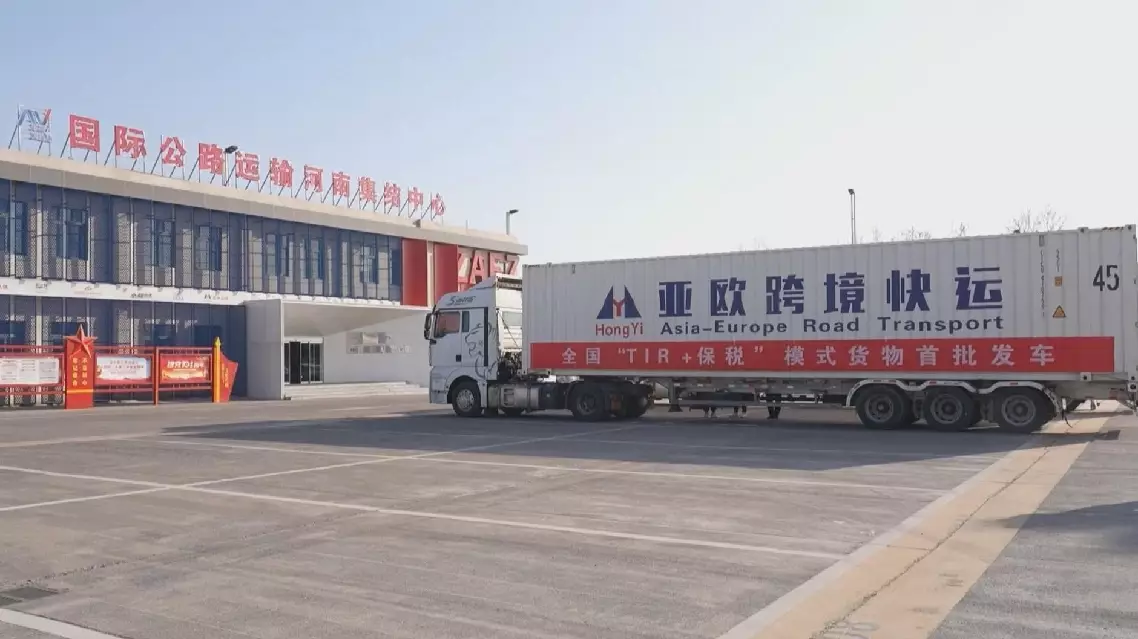
China launches 'TIR Plus' business models to upgrade cross-border logistics