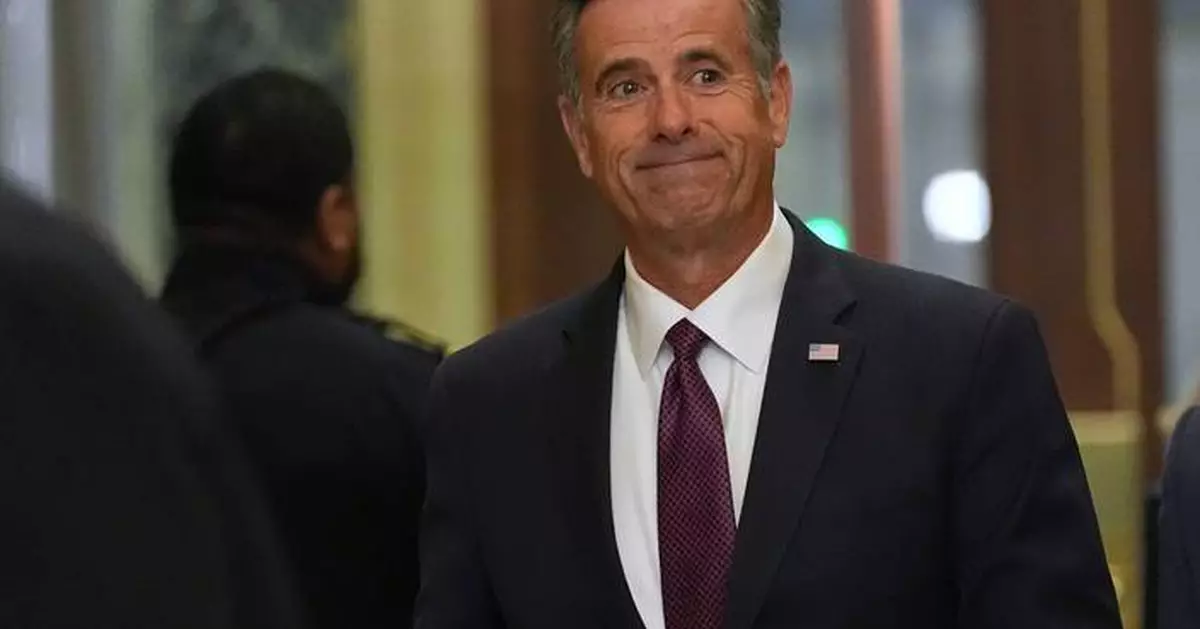
WASHINGTON (AP) — CIA Director John Ratcliffe has traveled to Venezuela to meet with acting President Delcy Rodríguez, becoming the highest-ranking Trump administration official to visit the South American country after the U.S. raid that captured former leader Nicolás Maduro.
The meeting Thursday in Caracas, the capital, lasted two hours, according to a U.S. government official who was not authorized to discuss the matter publicly and spoke Friday on condition of anonymity.
Click to Gallery

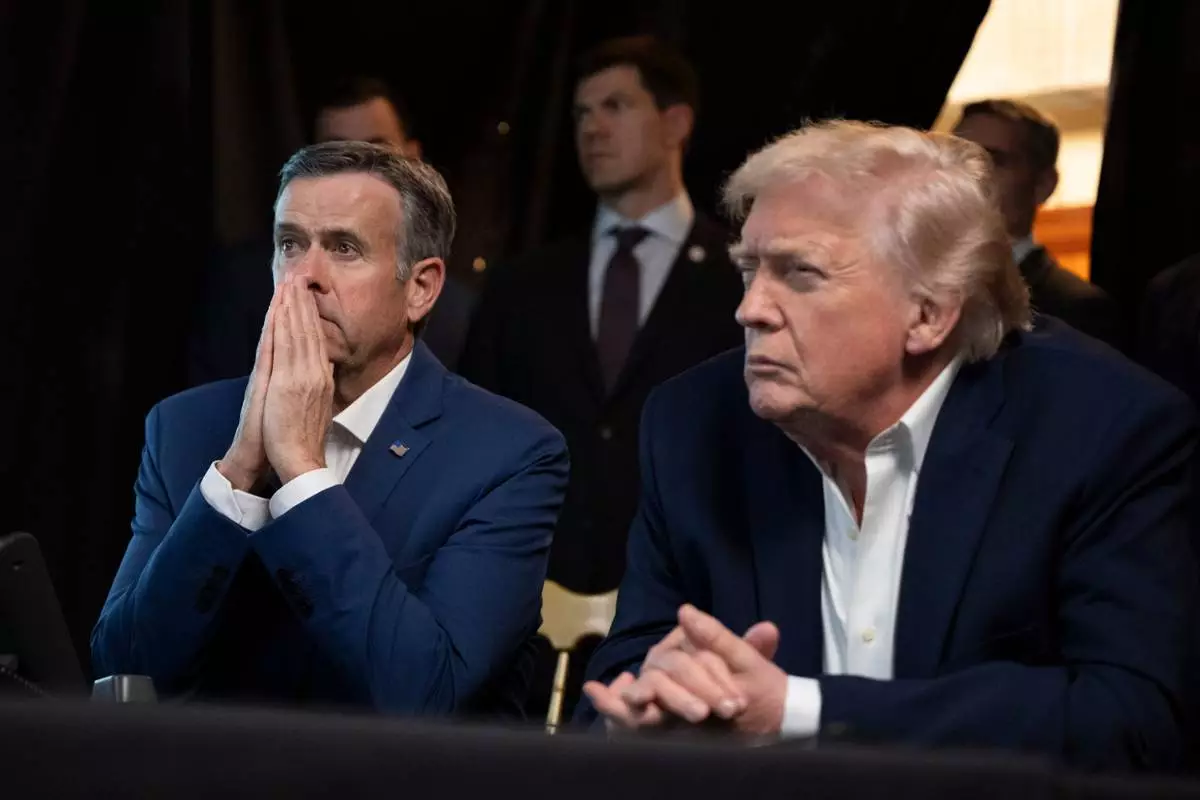
In this photo released by the White House, President Donald Trump monitors U.S. military operations in Venezuela, with CIA Director John Ratcliffe, left, at Mar-a-Lago in Palm Beach, Fla., Saturday, Jan. 3, 2026. (Molly Riley/The White House via AP)
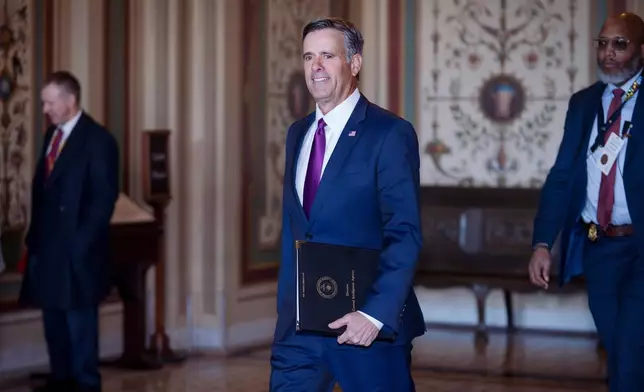
CIA Director John Ratcliffe arrives for a classified briefing with senators on the situation in Venezuela, at the Capitol in Washington, Wednesday, Jan. 7, 2026. (AP Photo/J. Scott Applewhite)

Venezuela's acting President Delcy Rodriguez addresses the National Assembly in Caracas, Venezuela, Thursday, Jan. 15, 2026. (AP Photo/Ariana Cubillos)

CIA Director John Ratcliffe arrives at the U.S. Capitol Monday, Jan. 5, 2026, in Washington, to brief top lawmakers after President Donald Trump directed U.S. forces to capture Venezuelan President Nicolas Maduro. (AP Photo/Jacquelyn Martin)
The official said the meeting came at the urging of President Donald Trump and was meant to demonstrate the desire by the U.S. for a better relationship with Venezuela. It occurred the same day Venezuelan opposition leader María Corina Machado presented her Nobel Peace Prize medal to Trump at the White House even as he has effectively sidelined her.
Ratcliffe’s visit is likely to be seen as another sign of Trump’s willingness to work with Rodríguez, who had been Maduro’s second in command until the audacious U.S. military operation two weeks ago that spirited him to the United States to face drug trafficking charges.
The visit, which included a small team of American officials and was first reported by The New York Times, was intended to lay the groundwork for additional cooperation between the Trump administration and Venezuela's new leaders, the official said.
Ratcliffe discussed potential economic collaboration between the two countries and warned that Venezuela can never again allow the presence of American adversaries, including drug traffickers, the official said.
The CIA played a key role in the operation to apprehend Maduro, providing critical intelligence support, as well as mounting an earlier drone strike on a dock used by cartels, U.S. officials have said.
A day after Ratcliffe's visit to Caracas, Machado told reporters in Washington that she was “profoundly, profoundly confident that we will have an orderly transition” to democracy in her country.
Machado said she rejected the notion that Trump has chosen to work with Rodríguez over her opposition movement, which is widely believed to have won the 2024 presidential election.
Rodríguez used her first state of the union message as acting president Thursday to advocate for opening the crucial state-run oil industry to more foreign investment following the Trump administration’s pledge to oversee Venezuelan crude sales.
Trump has raised doubts about his stated commitment to backing democratic rule in Venezuela, giving no timetable on when elections might be held. In turn, Machado took pains when pressed Friday to avoid giving any details on her plans to return home or when elections might be held.
Trump has said it would be difficult for Machado — the longtime face of the fight for democracy in Venezuela — to lead her country because she “doesn’t have the support within or the respect within the country."
In this photo released by the White House, President Donald Trump monitors U.S. military operations in Venezuela, with CIA Director John Ratcliffe, left, at Mar-a-Lago in Palm Beach, Fla., Saturday, Jan. 3, 2026. (Molly Riley/The White House via AP)
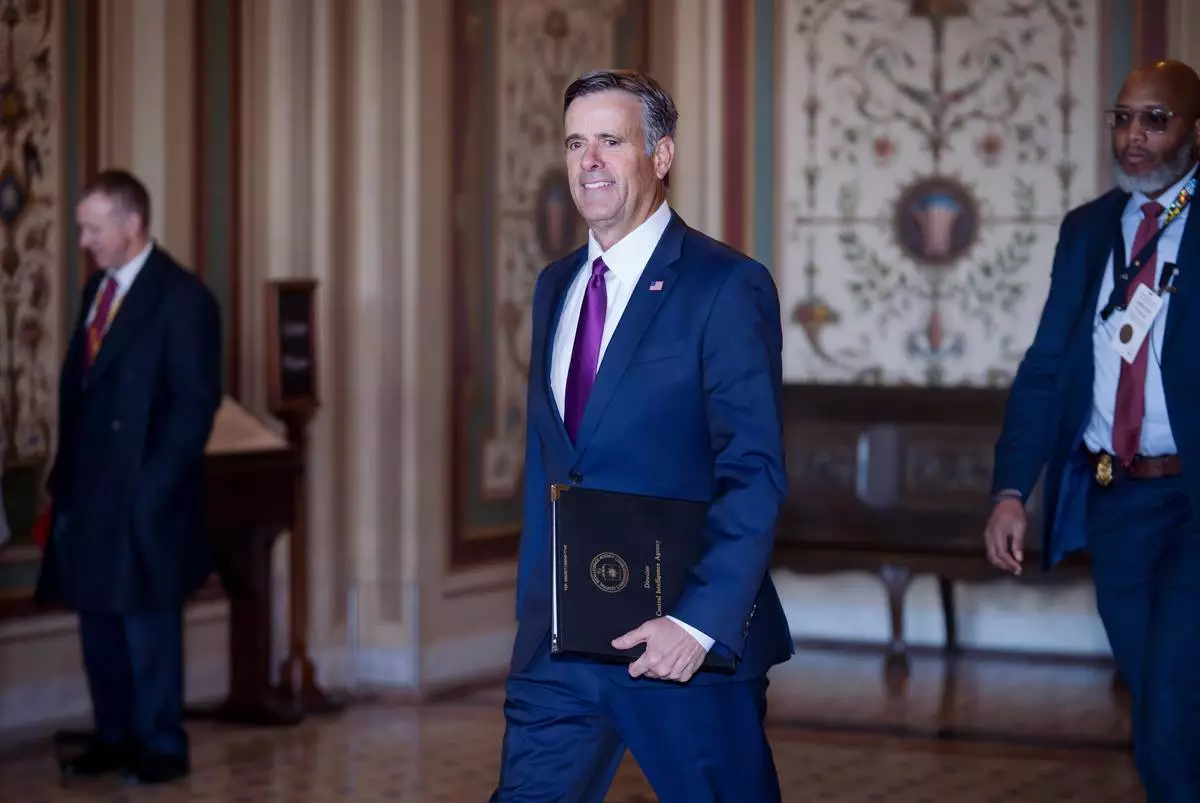
CIA Director John Ratcliffe arrives for a classified briefing with senators on the situation in Venezuela, at the Capitol in Washington, Wednesday, Jan. 7, 2026. (AP Photo/J. Scott Applewhite)
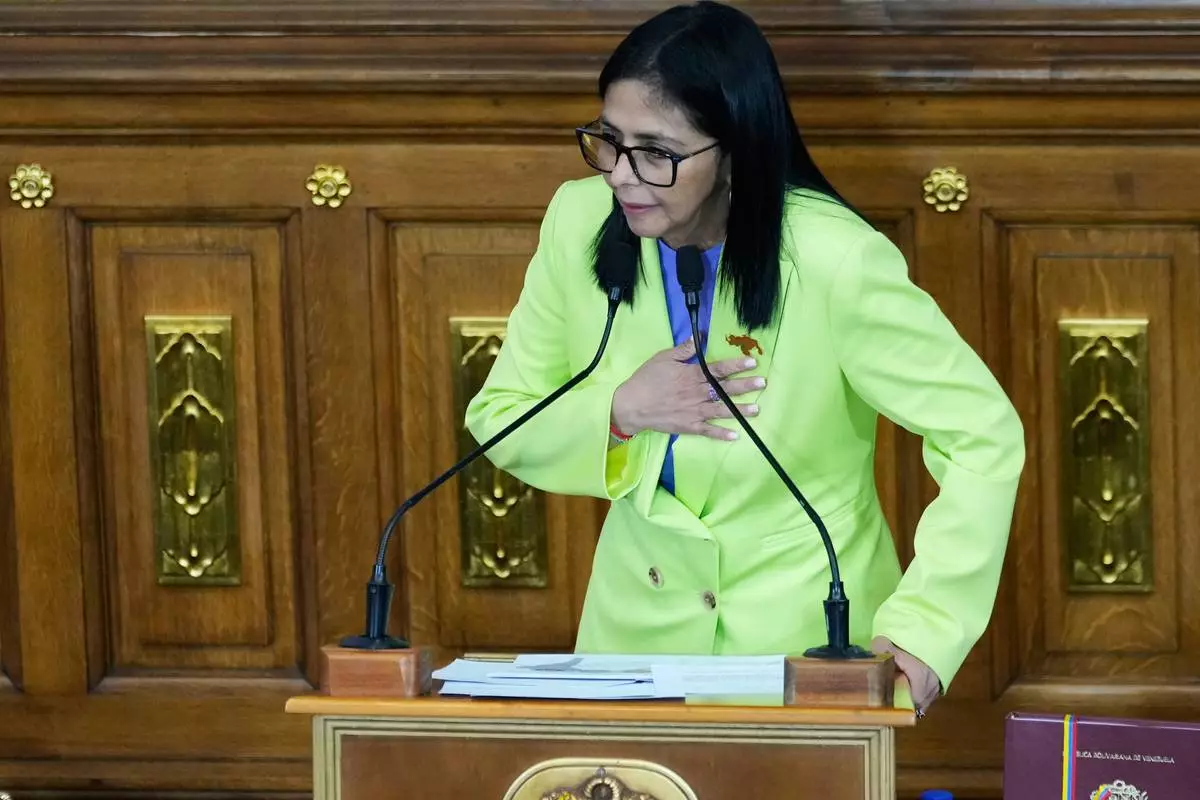
Venezuela's acting President Delcy Rodriguez addresses the National Assembly in Caracas, Venezuela, Thursday, Jan. 15, 2026. (AP Photo/Ariana Cubillos)
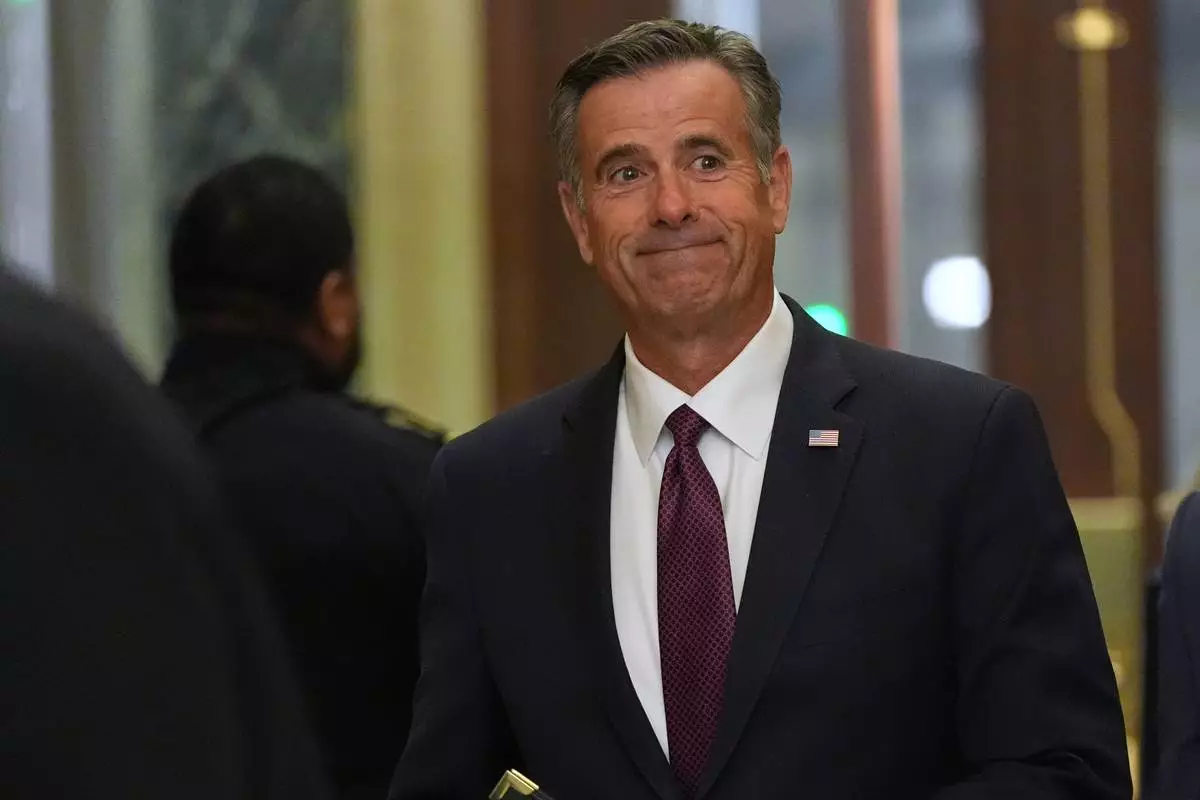
CIA Director John Ratcliffe arrives at the U.S. Capitol Monday, Jan. 5, 2026, in Washington, to brief top lawmakers after President Donald Trump directed U.S. forces to capture Venezuelan President Nicolas Maduro. (AP Photo/Jacquelyn Martin)