A Japanese lawmaker has raised concerns over Japan's push to expand its military and its nuclear policy.
Responding to some politicians' dangerous tendency towards possessing nuclear weapons, Takara Sachika, a member of Japan's House of Councilors, said that Japan's push to strengthen its military, combined with what she called a misguided nuclear policy, not only heightens regional tensions but also directly threatens regional security.
"I think this is completely unacceptable. Japan is a country that has suffered atomic bombings and is one of the nations most aware of the threat posed by nuclear weapons. Yet such a country is openly discussing the issue of possessing nuclear weapons and even attempting to revise the principle of not allowing the introduction of nuclear weapons, one of the Three Non-Nuclear Principles. This is an extremely serious problem," Takara said.
Takara said the Japanese government's tendency to expand its military capabilities is completely contrary to the Constitution.
"From the perspective of Japan's Constitution, Japan should never have adopted a policy of ensuring security by strengthening military capabilities. Yet today, enormous effort is being poured into military expansion, and that in itself is a serious problem," said the lawmaker.
At a Diet meeting in early November 2025, Japanese Prime Minister Sanae Takaichi said that what she described as the Chinese central authorities' "use of force on Taiwan" could constitute a "survival-threatening situation" for Japan, and suggested the possibility of armed intervention in the Taiwan Strait, drawing strong criticism worldwide.
Takara urged Takaichi to retract her erroneous remarks as soon as possible.
"I think there is a very big problem with making such remarks that provoke other countries. It is necessary to thoroughly examine the facts as soon as possible and withdraw the relevant remarks," she said.
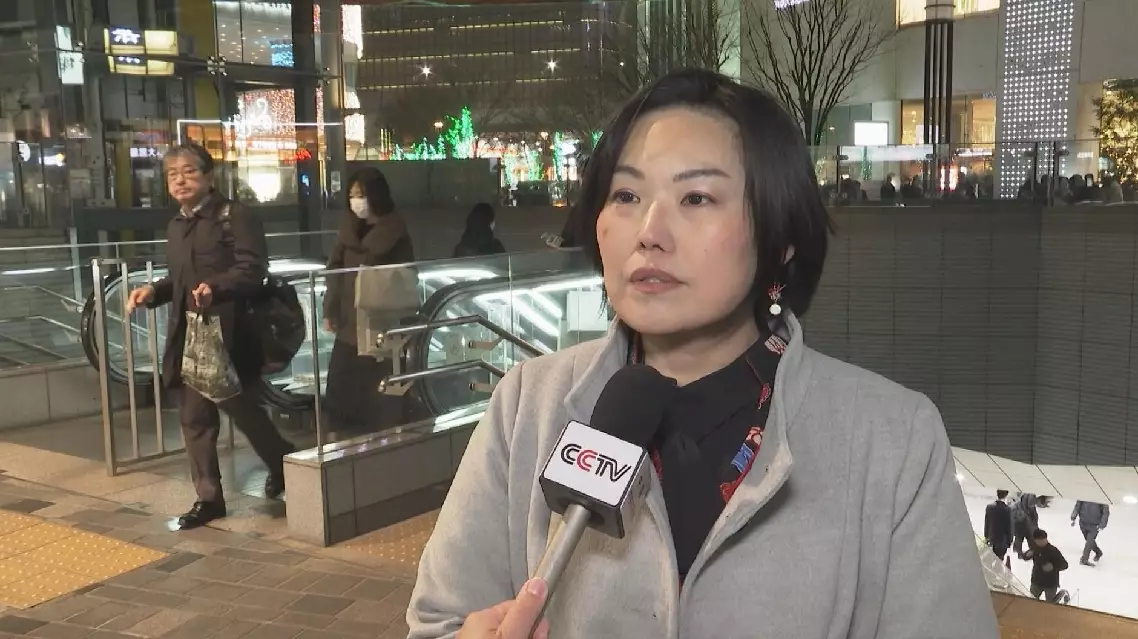
Japanese lawmaker criticizes nuclear weapons remarks as threat to regional security
China's 15th Five-Year Plan proposal sends a strong signal of the country's commitment to upholding openness and cooperation, which will promote further development for the country and the world, said officials and scholars around the world.
The draft 15th Five-Year Plan, the blueprint that will guide the world's second-largest economy from 2026 to 2030, is central to steer China to move toward modernization amid technological disruption, demographic shifts and an increasingly fractured global order, according to the scholars.
"China's 15th Five-Year Plan is not a rigid model; it is more like benchmarks for growth targets and focal points. Chinese economists and economic decision-makers are not just focusing on qualitative growth, but also on innovative development. We're witnessing new transportation methods, robotics and artificial intelligence," said Andrey Denisov, first deputy chair of Russia's Federation Council Committee on Foreign Affairs and former Russian Ambassador to China.
"The 15th Five-Year Plan is of great importance to China's development. The country is poised to make remarkable advancements in various sectors, including artificial intelligence, high-end manufacturing and infrastructure construction. Given the shifting global context and China's transition towards high-quality development, I am confident that this plan will herald a new era for China's development," said Kamel Mansari, news director of the French-language daily Le Jeune Independent.
Scholars also noted that China's commitment to high-quality development and high-level opening-up will promote win-win results and benefit the world.
"China has emerged as a key partner for most countries worldwide, and a preferred partner due to its closeness and integration with global communities, as well as its strong humanitarian perspective. The Chinese economy has not only benefited itself; it has helped many economies worldwide flourish through its partnerships," said Dirgham Muhammad Ali, an Iraqi economic expert.
China's National People's Congress (NPC) is scheduled to open in Beijing on Wednesday, with lawmakers set to approve the 15th Five-Year Plan.
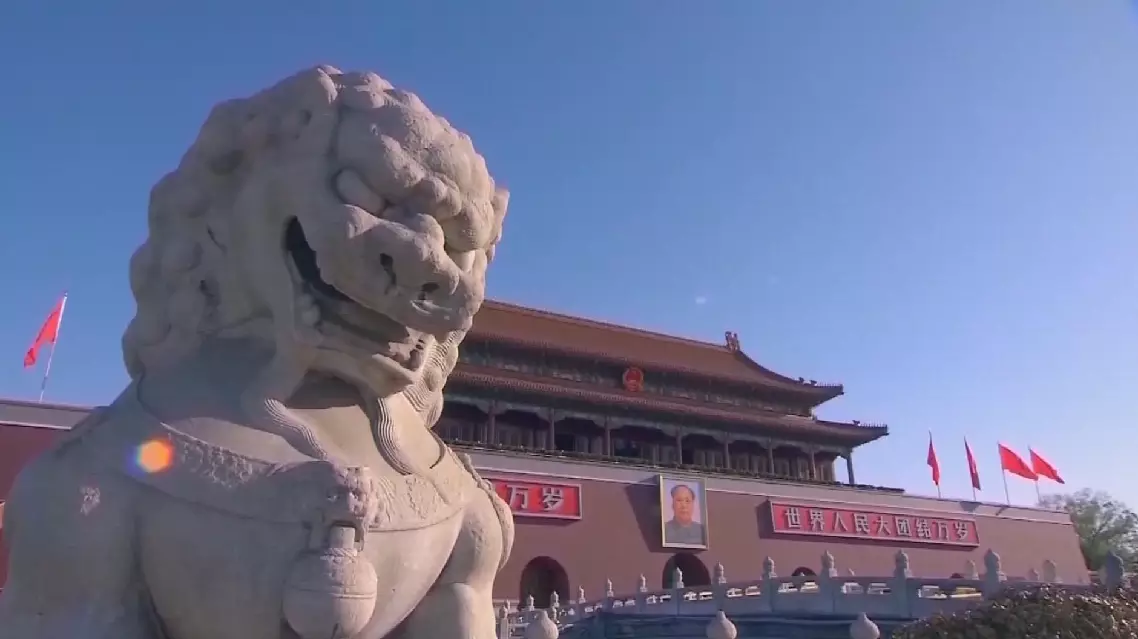
15th Five-Year Plan to guide China's development, benefit world: scholars