MINNEAPOLIS (AP) — Federal officers in the Minneapolis area participating in its largest recent U.S. immigration enforcement operation can’t detain or tear gas peaceful protesters who aren't obstructing authorities, including when these people are observing the agents, a judge in Minnesota ruled Friday.
U.S. District Judge Kate Menendez's ruling addresses a case filed in December on behalf of six Minnesota activists. The six are among the thousands who have been observing the activities of Immigration and Customs Enforcement and Border Patrol officers enforcing the Trump administration’s immigration crackdown in the Minneapolis-St. Paul area since last month.
Click to Gallery
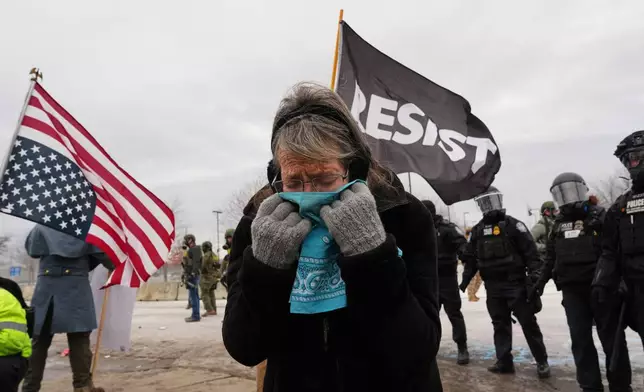
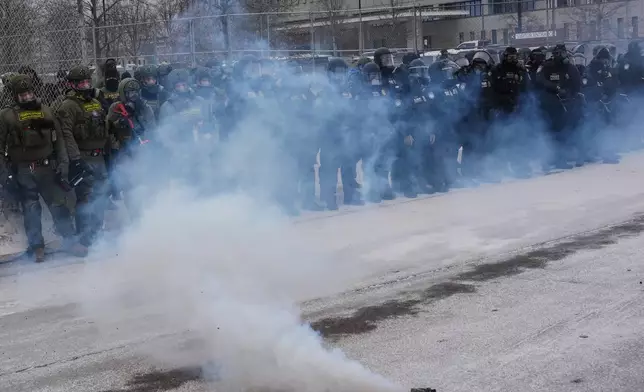
A woman covers her face from tear gas as federal immigration officers confront protesters outside Bishop Henry Whipple Federal Building, Thursday, Jan. 15, 2026, in Minneapolis. (AP Photo/Adam Gray)
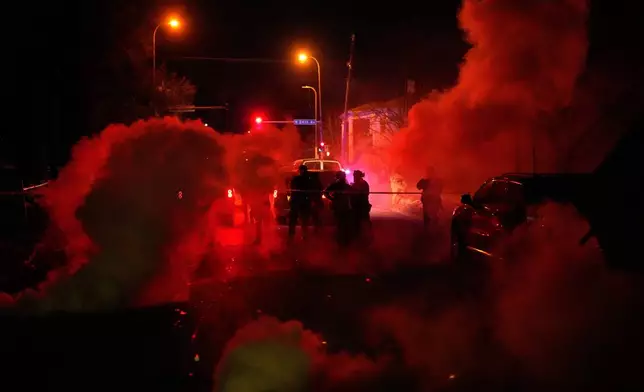
Tear gas surrounds federal law enforcement officers as they leave a scene after a shooting on Wednesday, Jan. 14, 2026, in Minneapolis. (AP Photo/John Locher)
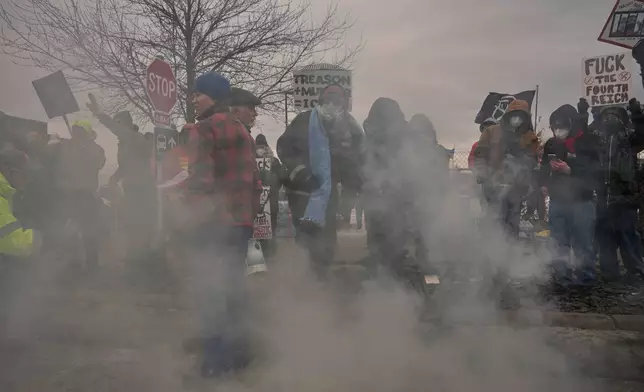
People cover tear gas deployed by federal immigration officers outside Bishop Henry Whipple Federal Building, Thursday, Jan. 15, 2026, in Minneapolis. (AP Photo/Adam Gray)
Federal immigration officers stand outside Bishop Henry Whipple Federal Building as tear gas is deployed Thursday, Jan. 15, 2026, in Minneapolis. (AP Photo/Adam Gray)
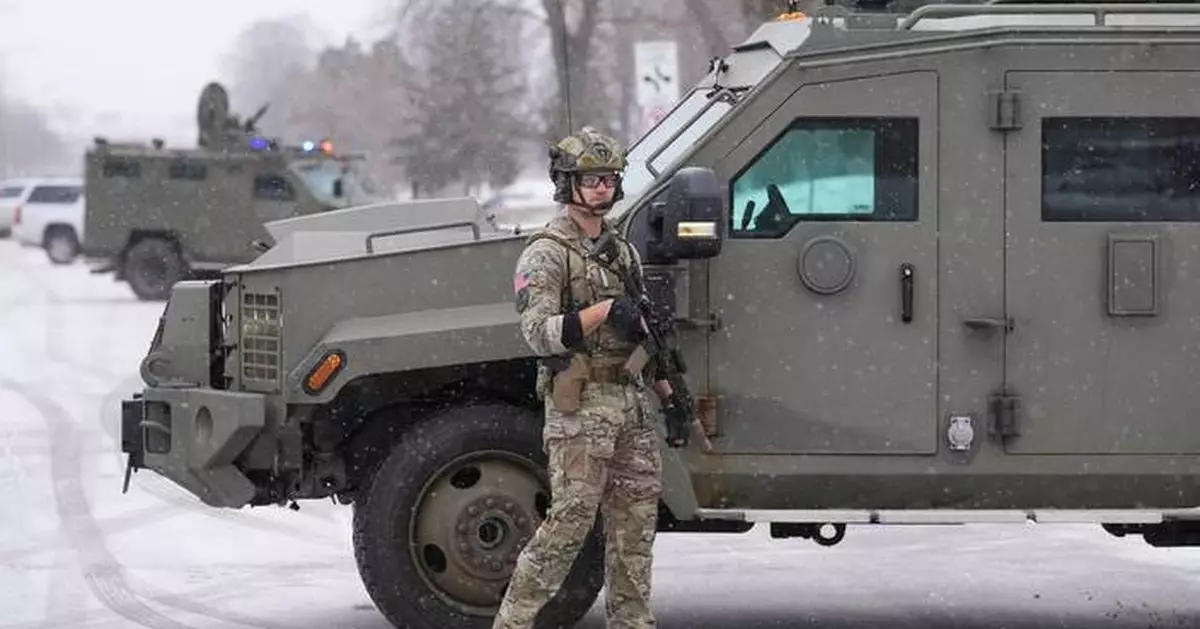
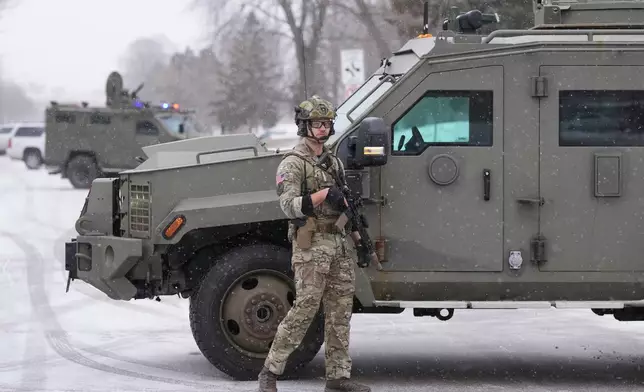
An FBI officer works the scene during operations on Friday, Jan. 16, 2026, in St. Paul, Minn. (AP Photo/Adam Gray)
Federal agents and demonstrators have repeatedly clashed since the crackdown began. The confrontations escalated after an immigration agent fatally shot Renee Good in the head on Jan. 7 as she drove away from a scene in Minneapolis, an incident that was captured on video from several angles. Agents have arrested or briefly detained many people in the Twin Cities.
The activists in the case are represented by the American Civil Liberties Union of Minnesota, which says government officers are violating the constitutional rights of Twin Cities residents.
After the ruling, U.S. Department of Homeland Security Assistant Secretary Tricia McLaughlin issued a statement saying her agency was taking “appropriate and constitutional measures to uphold the rule of law and protect our officers and the public from dangerous rioters.”
She said people have assaulted officers, vandalized their vehicles and federal property, and attempted to impede officers from doing their work.
“We remind the public that rioting is dangerous — obstructing law enforcement is a federal crime and assaulting law enforcement is a felony,” McLaughlin said.
The ACLU didn't immediately respond to requests for comment Friday night.
The ruling prohibits the officers from detaining drivers and passengers in vehicles when there is no reasonable suspicion they are obstructing or interfering with the officers.
Safely following agents “at an appropriate distance does not, by itself, create reasonable suspicion to justify a vehicle stop,” the ruling said.
Menendez said the agents would not be allowed to arrest people without probable cause or reasonable suspicion the person has committed a crime or was obstructing or interfering with the activities of officers.
Menendez is also presiding over a lawsuit filed Monday by the state of Minnesota and the cities of Minneapolis and St. Paul seeking to suspend the enforcement crackdown, and some of the legal issues are similar. She declined at a hearing Wednesday to grant the state’s request for an immediate temporary restraining order in that case.
“What we need most of all right now is a pause. The temperature needs to be lowered,” state Assistant Attorney General Brian Carter told her.
Menendez said the issues raised by the state and cities in that case are “enormously important.” But she said it raises high-level constitutional and other legal issues, and for some of those issues there are few on-point precedents. So she ordered both sides to file more briefs next week.
McAvoy reported from Honolulu. Associated Press writer Hallie Golden in Seattle contributed to this report.
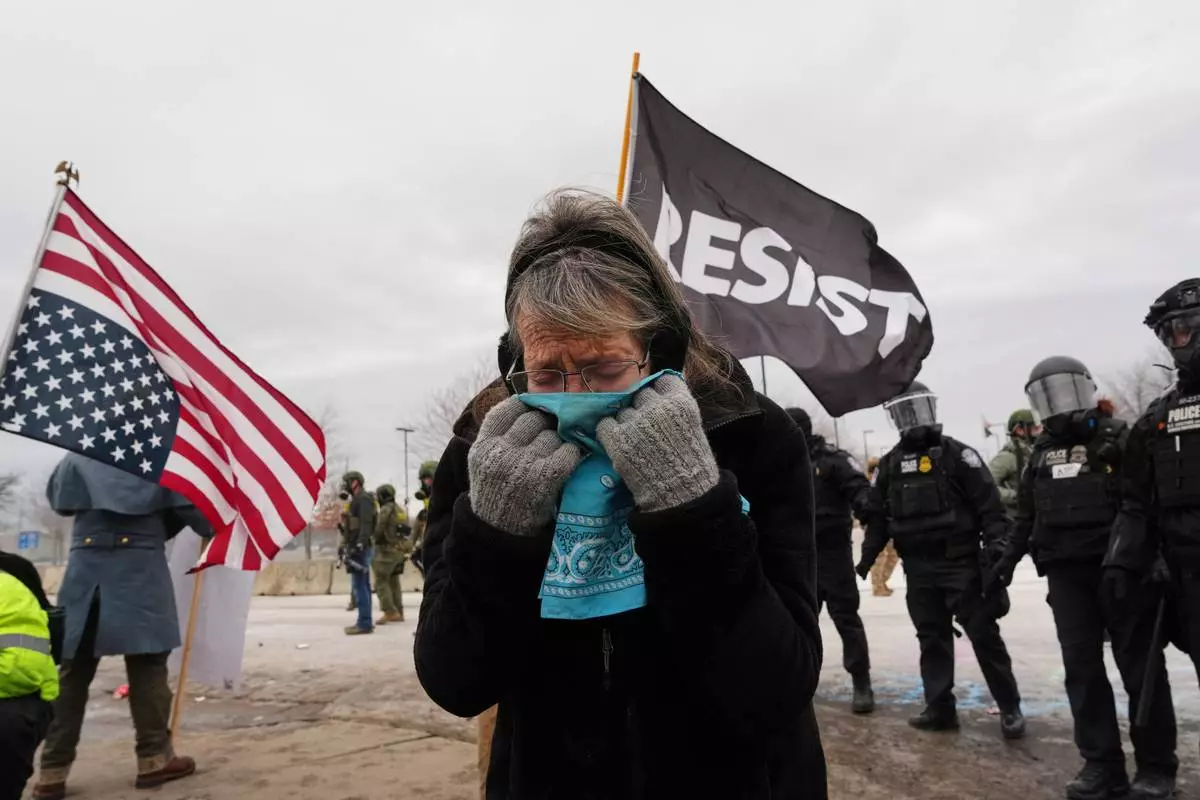
A woman covers her face from tear gas as federal immigration officers confront protesters outside Bishop Henry Whipple Federal Building, Thursday, Jan. 15, 2026, in Minneapolis. (AP Photo/Adam Gray)
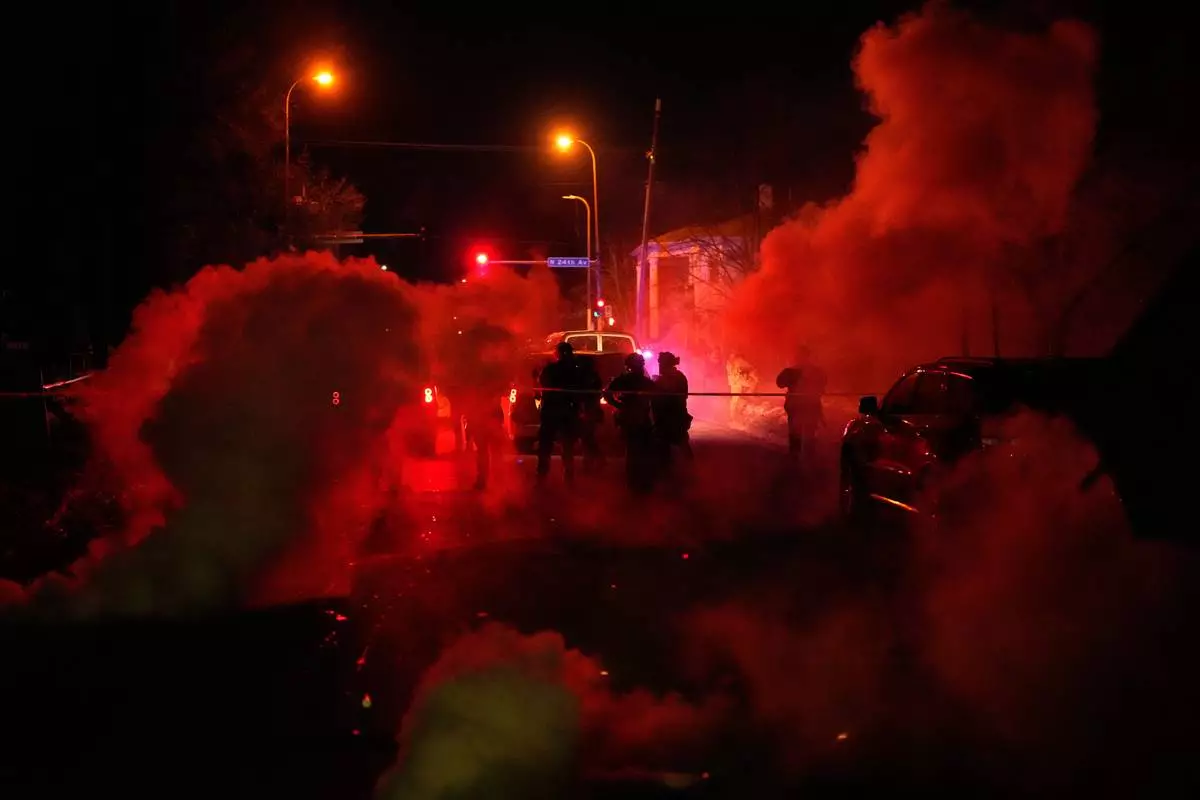
Tear gas surrounds federal law enforcement officers as they leave a scene after a shooting on Wednesday, Jan. 14, 2026, in Minneapolis. (AP Photo/John Locher)
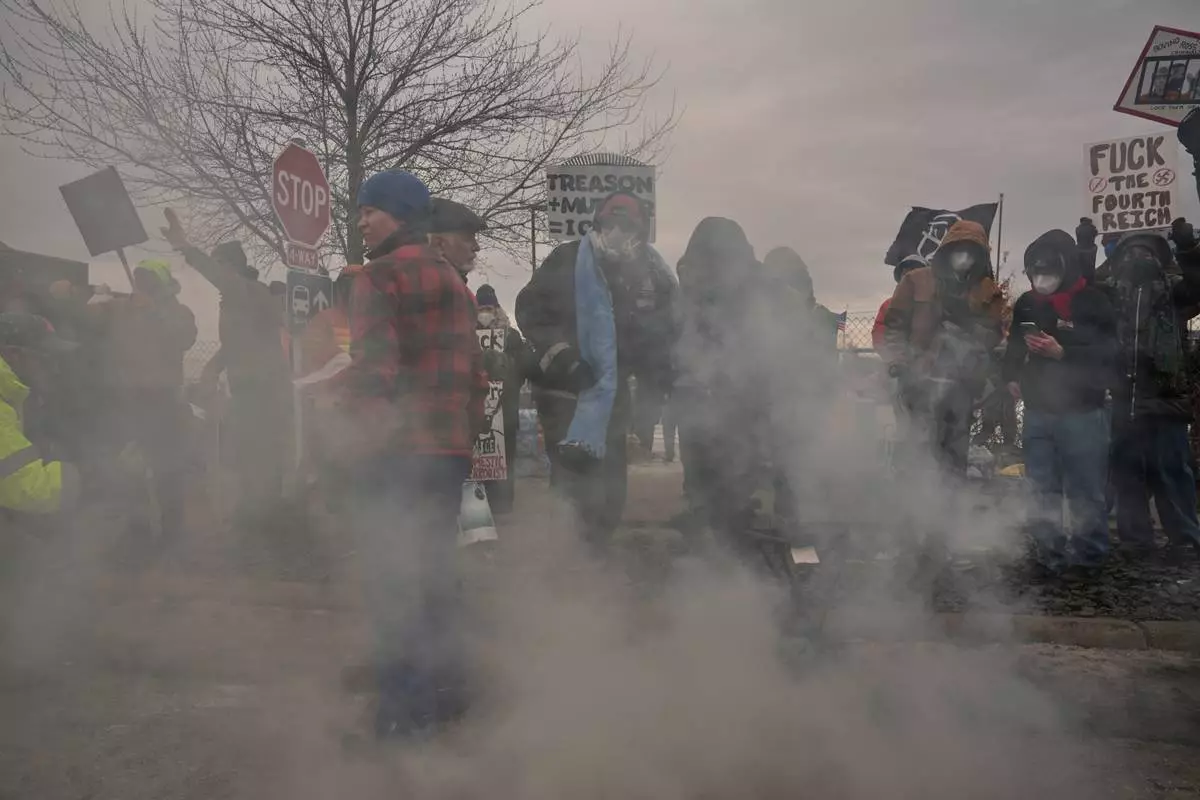
People cover tear gas deployed by federal immigration officers outside Bishop Henry Whipple Federal Building, Thursday, Jan. 15, 2026, in Minneapolis. (AP Photo/Adam Gray)
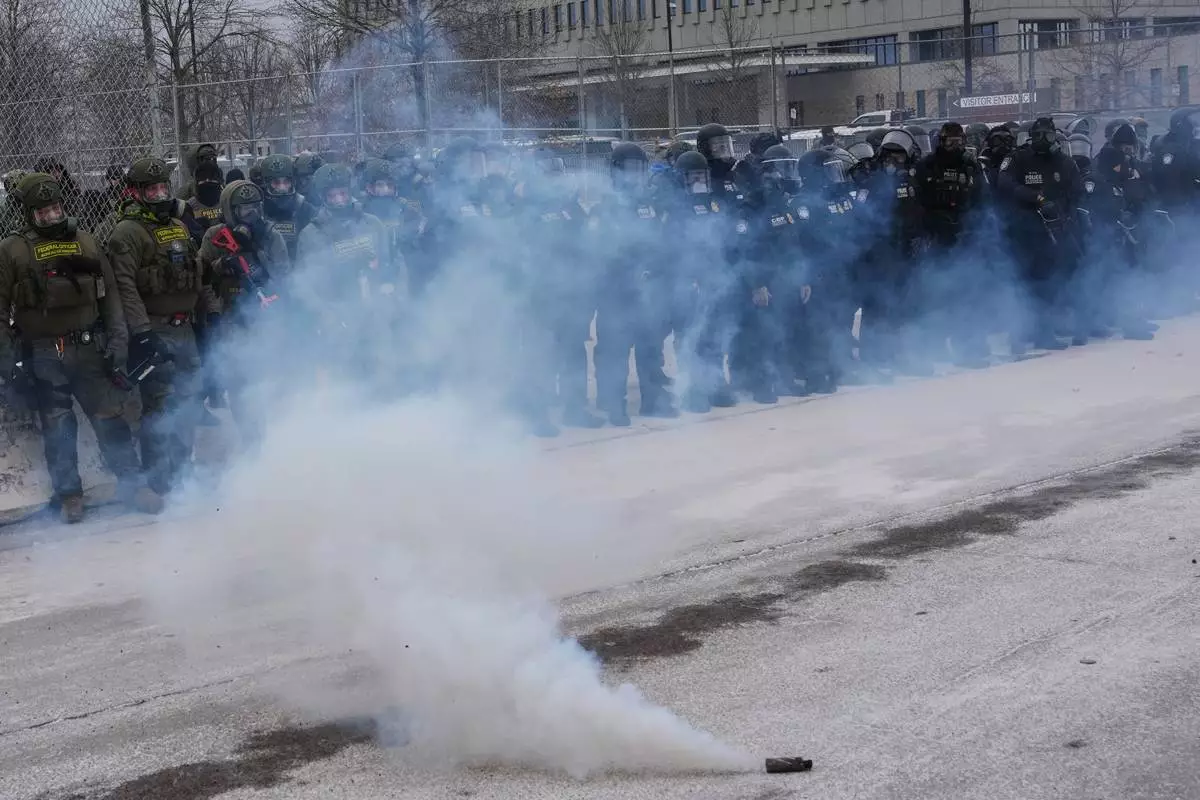
Federal immigration officers stand outside Bishop Henry Whipple Federal Building as tear gas is deployed Thursday, Jan. 15, 2026, in Minneapolis. (AP Photo/Adam Gray)
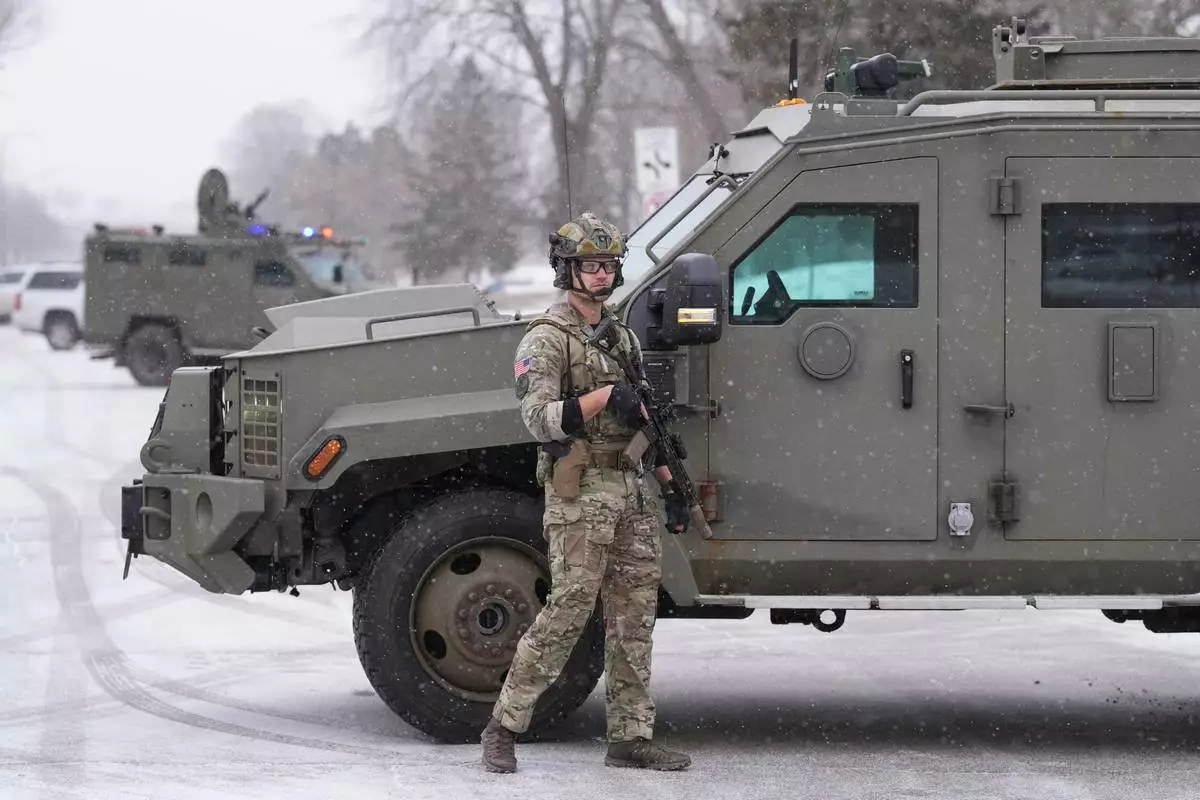
An FBI officer works the scene during operations on Friday, Jan. 16, 2026, in St. Paul, Minn. (AP Photo/Adam Gray)
DALLAS (AP) — The mess in Texas may be just beginning.
Four-term Sen. John Cornyn and his allies spent nearly $70 million to survive the first round of the party’s nomination fight on Tuesday. He was slightly ahead of conservative firebrand Ken Paxton, the state attorney general, with more votes still being counted on Wednesday.
Both now advance to a May 26 runoff election that Republicans fear could be even uglier and more expensive than the first contest.
“It's judgment day for Ken Paxton,” Cornyn said on Tuesday night.
But whether any level of attacks can stop Paxton — who has long been shadowed by allegations of corruption and infidelity — remains unclear, especially as he fashions himself as the kind of Make America Great Again warrior President Donald Trump needs in Washington.
Paxton was defiant when speaking to a few hundred supporters at a Dallas hotel ballroom, a far different scene than Cornyn's small press conference.
“We just sent a message, loud and clear, to Washington,” he said. “We are not going to go quietly, and we are not going to let you buy the seat.”
Republicans are sweating the runoff because the 83-day sprint takes place as operatives in both major political parties acknowledge that Democrats have an unusually solid chance of winning a Senate seat in Texas this year, something that hasn't happened in nearly four decades.
Democrats nominated state Rep. James Talarico, who Republicans immediately attacked as a far-left extremist — even though they privately consider the 36-year-old Christian progressive to be a stronger general election candidate than his primary opponent, Rep. Jasmine Crockett.
The Texas contest is playing out as Trump fights to maintain control of Congress for his final two years in the White House. Republicans are more confident about keeping their majority in the Senate than the House, but a competitive race in Texas could scramble the map, or at least consume resources that the party needs in more competitive states like North Carolina, Maine, Ohio and Alaska.
Republican leaders in Washington insist that Cornyn has the best shot, especially after he finished ahead of Paxton in Tuesday's primary, with U.S. Rep. Wesley Hunt finishing a distant third and conceding. Cornyn's campaign argued that a runoff wouldn't even be necessary if it wasn't for “Wesley Hunt's vanity campaign.”
“Paxton’s problems aren’t just an issue in a Republican primary; they also threaten to put the Senate seat at risk due to his lack of strength against Democrat nominee Talarico," a memo from Cornyn's team said.
But Paxton and his allies are showing no signs of backing down.
“The D.C. establishment has done its job: it rallied around its wounded incumbent, opened the fundraising spigot, and flooded the airwaves. But the results, the data, and the reality on the ground all point to the same conclusion: John Cornyn has no viable path to the Republican nomination,” the pro-Paxton Lone Star PAC wrote in a memo. “Cornyn should suspend his campaign, concede the nomination to Ken Paxton, and refuse to allow another $100+ million in Republican resources to be burned in a race that is already decided.”
The only person who might be able to forestall the intraparty fight, or at least limit its fallout, is Trump. But the president has declined to endorse a candidate in the primary, describing all of them as “great,” and it was unclear if anything would change in the runoff.
Without Trump's support, Cornyn made it clear that he would make the case himself. He told reporters that Paxton would be “a dead weight at the top of the ticket for Republicans" in November.
“I’ve worked for decades to build the Republican Party, both here in Texas and nationally,” Cornyn said. “I refuse to allow a flawed, self-centered and shameless candidate like Ken Paxton to risk everything we’ve worked so hard to build over these many years.”
Cornyn will face intense fundraising pressure, having already spent so much money in the first round of the primary. Aides said he had some small fundraisers planned but nothing in the days immediately after this week's vote as he returns to Washington.
In addition, Paxton's allies are confident that the political landscape will tilt in the attorney general's favor.
“The casual and moderate Republican voters who are most likely to support an establishment incumbent are the least likely to return for a runoff,” said the memo from the Lone Star PAC. “The committed conservative activists who form Paxton’s base are the most likely to show up.”
Follow the AP's coverage of the 2026 elections at https://apnews.com/hub/elections.
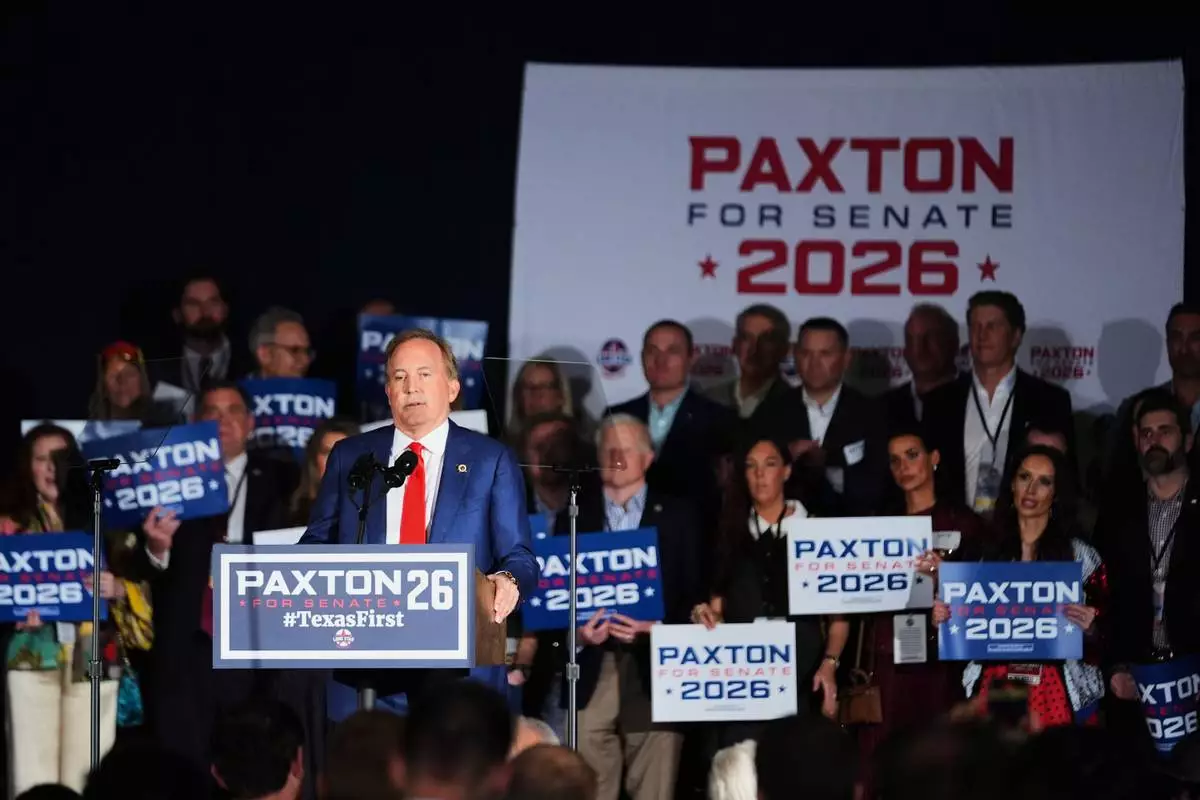
Texas Attorney General Ken Paxton, a Republican candidate for the U.S. Senate, speaks during a primary election night watch party Tuesday, March 3, 2026, in Dallas. (AP Photo/Julio Cortez)
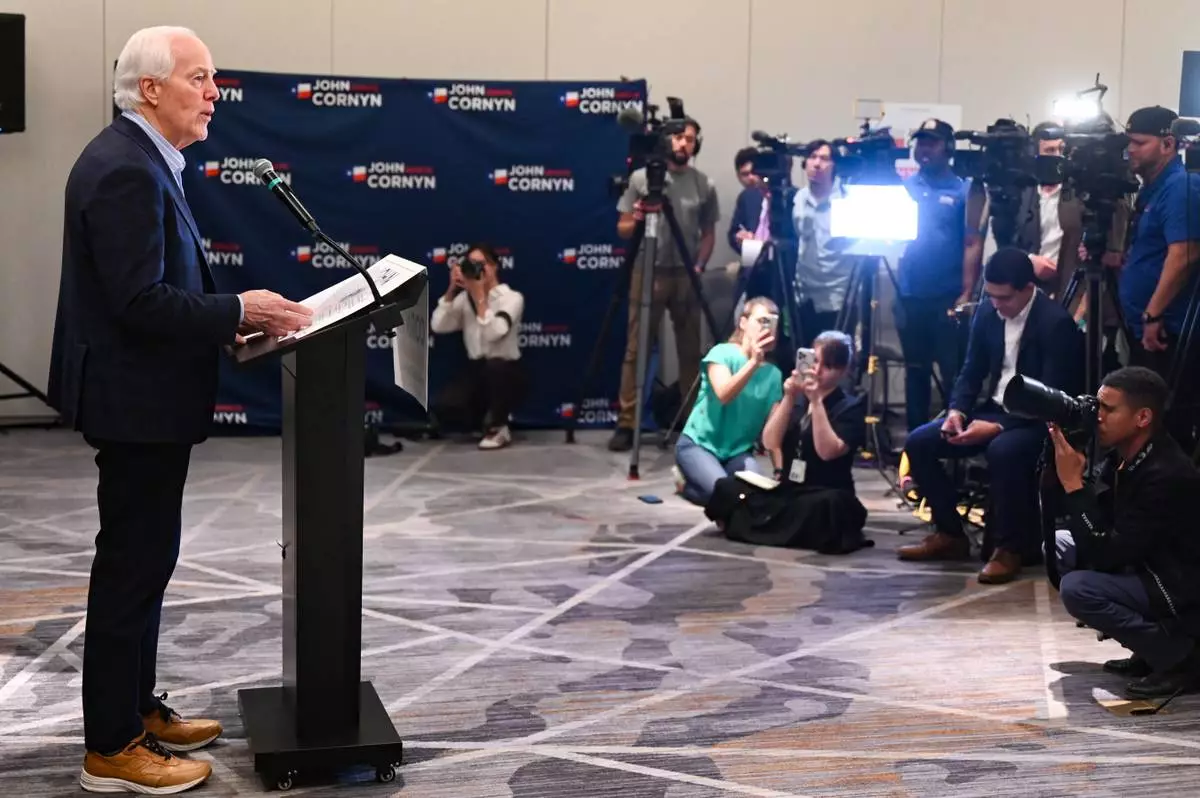
Sen. John Cornyn, R-Texas, speaks to the media Tuesday, March 3, 2026, in Austin, Texas. (AP Photo/Jack Myer)
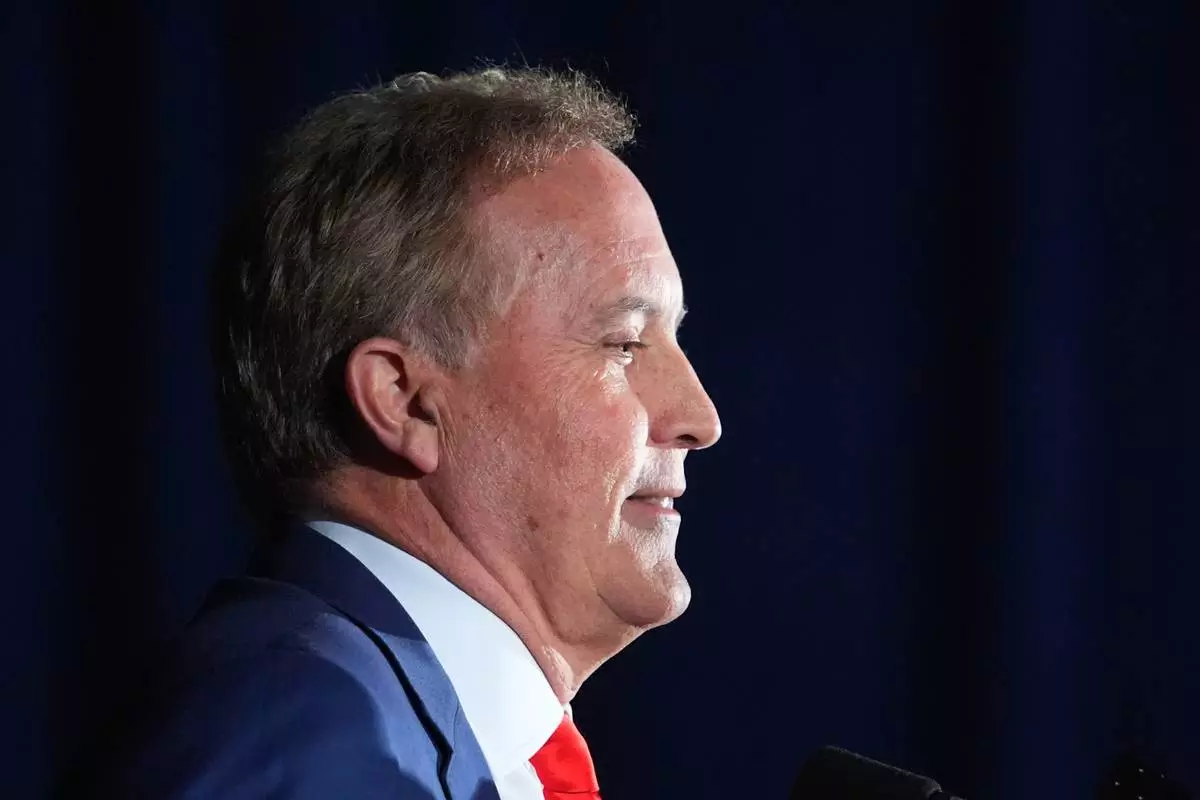
Texas Attorney General Ken Paxton, a Republican candidate for the U.S. Senate, speaks during a primary election night watch party Tuesday, March 3, 2026, in Dallas. (AP Photo/Julio Cortez)
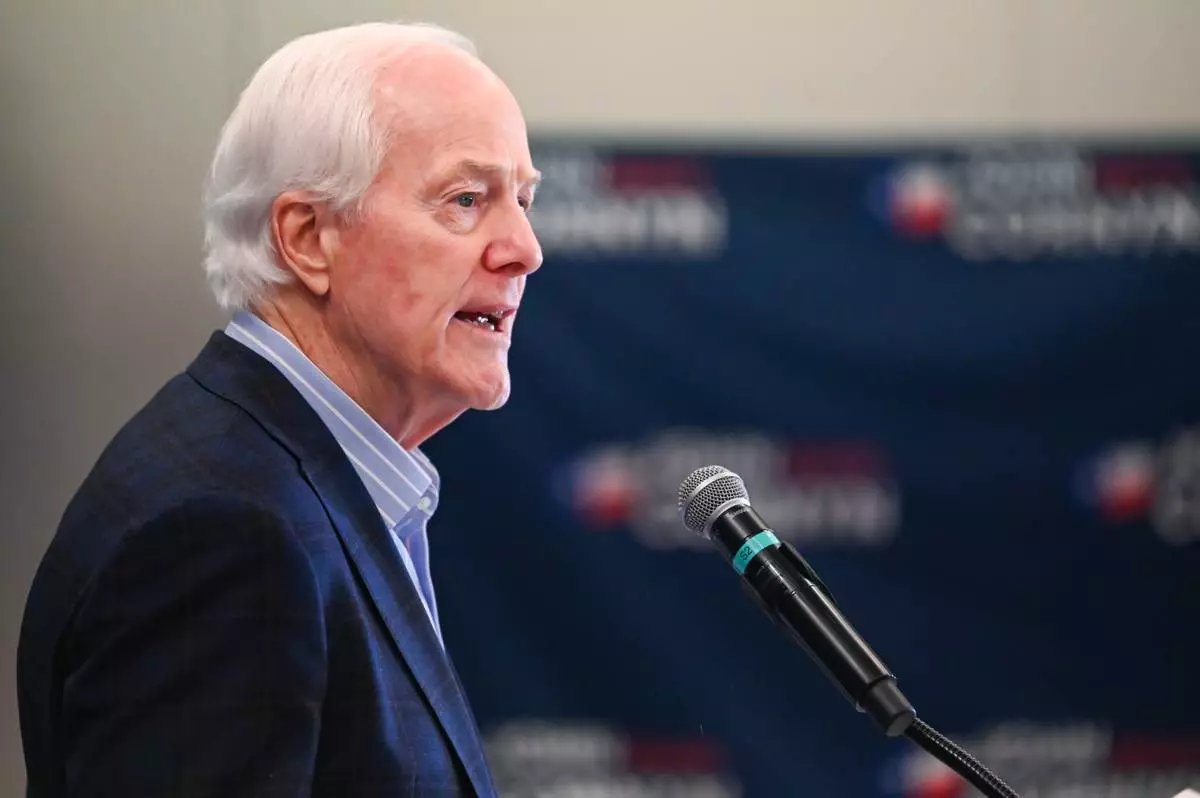
Sen. John Cornyn, R-Texas, speaks to the media Tuesday, March 3, 2026, in Austin, Texas. (AP Photo/Jack Myer)