The United States has reserved its right to withdraw from the World Health Organization (WHO), but any withdrawal can only take place if it first fulfills its financial obligations for the current fiscal year, a WHO spokesman said Friday.
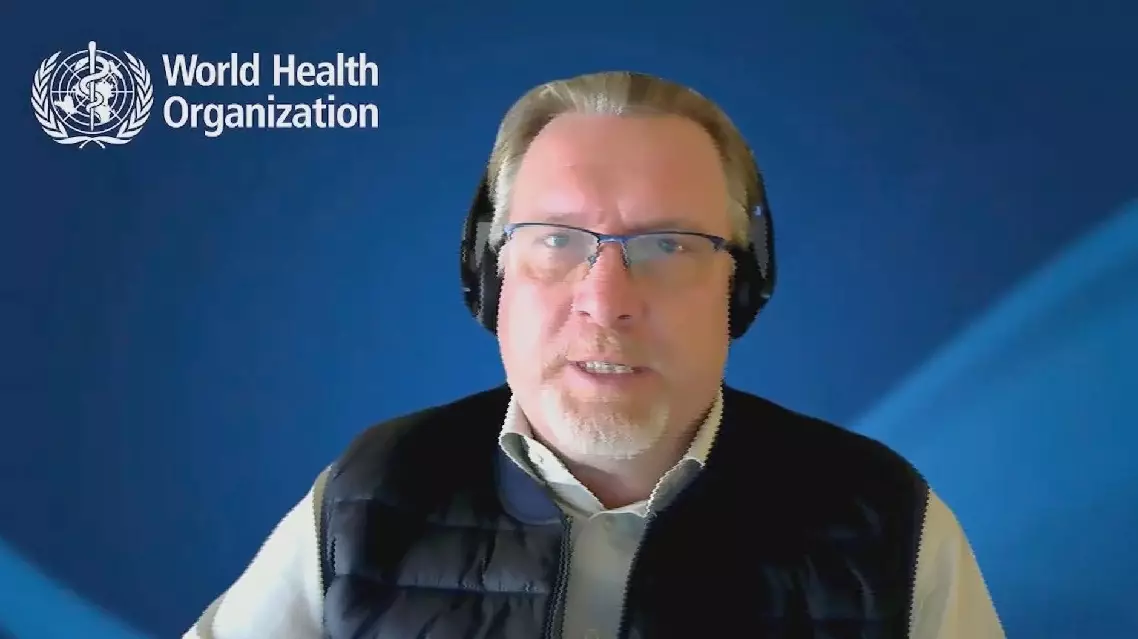
Christian Lindmeier, the spokesman, made the remarks in response to a media query as the United States is set to formally withdraw from the WHO in January.
"When it joined WHO, the United States of America reserved its right to withdraw from the organization on a one-year notice, provided, however, that the financial obligations of the United States to the organization shall be met in full for the organization's current fiscal year," said the spokesman.
Lindmeier said the United States had currently not paid its invoiced amounts for assessed contributions for 2024 to 2025. According to the WHO, the U.S. owes the organization 260.6 million U.S. dollars in dues for 2024 and 2025.
On Jan 20, 2025, U.S. President Donald Trump signed an executive order shortly after his inauguration to withdraw the country from the WHO, which will only take effect after a one-year notice period.
U.S. reserves right to withdraw from WHO if it fulfills financial obligations: WHO spokesman
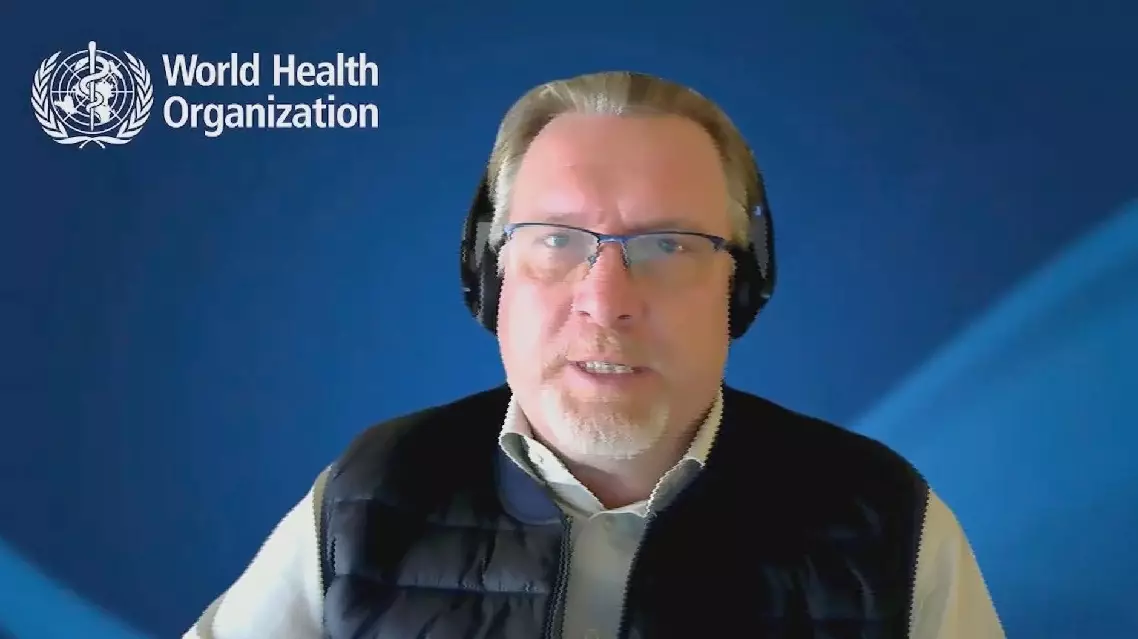
U.S. reserves right to withdraw from WHO if it fulfills financial obligations: WHO spokesman
U.S. reserves right to withdraw from WHO if it fulfills financial obligations: WHO spokesman
The 32nd Asia-Pacific Economic Cooperation (APEC) Ministers Responsible for Trade Meeting concluded in east China's Suzhou on Saturday, yielding fruitful results and laying significant groundwork for the APEC Economic Leaders' Meeting in November.
The trade ministers' meeting focused on "building an open and predictable regional and multilateral economic and trade order" and "fostering new engines of innovative and dynamic trade and investment cooperation."
Chinese Commerce Minister Wang Wentao briefed the media on the meeting's outcomes at a press conference.
Wang said the meeting issued a joint statement titled the Suzhou Statement, and approved the latest edition of the APEC Roadmap for Innovative, Competitive and Resilient Services.
All parties agreed to advance policy innovation and reform in services trade, build an open and predictable investment environment, improve regional trade facilitation and supply chain resilience, strengthen standards coordination, and enhance intellectual property protection, Wang told the media.
He also said that substantial progress was made on a framework document for regional digital trade cooperation and the ministers emphasized promoting inclusive AI development, strengthening AI-related trade, and bridging the digital divide to ensure shared benefits from digital transformation.
The minister noted that the outcomes of the meeting demonstrated strong cooperation willingness, highlighted an innovation-oriented approach, and reflected inclusiveness and shared benefits. "The fact that Asia-Pacific economies can come together, uphold the original aspiration of promoting trade and investment liberalization and facilitation while supporting economic growth and prosperity, and engage in in-depth discussions on the important issue of 'where multilateral and regional economic and trade cooperation is headed,' fully demonstrates that open regionalism and true multilateralism enjoy broad support, and that mutual success and shared development serve the fundamental interests of all economies," Wang said.
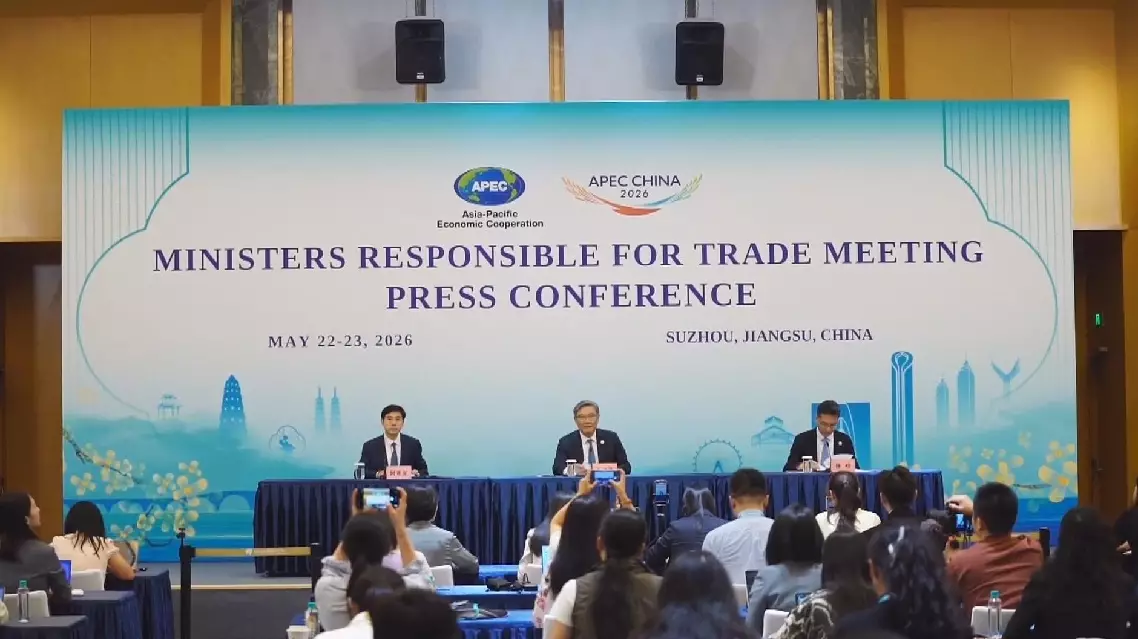
2026 APEC trade ministers' meeting concludes with fruitful results