Skip to Content Facebook Feature Image

Brazilian experts share insight into implications, potential motivations behind U.S. visa suspension

HotTV

HotTV

HotTV

Brazilian experts share insight into implications, potential motivations behind U.S. visa suspension

2026-01-17 17:05 Last Updated At:01-19 23:55

Brazilian experts have shared insight into the implications and potential motivations behind a U.S. decision to pause immigrant visa processing from 75 countries.

The United States announced on Wednesday suspension of visa processing for the 75 countries, including South American countries of Brazil, Colombia and Uruguay, effective Jan 21, according to a U.S. State Department memo.

According to the U.S. State Department statement, all applicants will still be interviewed, but requests from these nation's applicants will be paused.

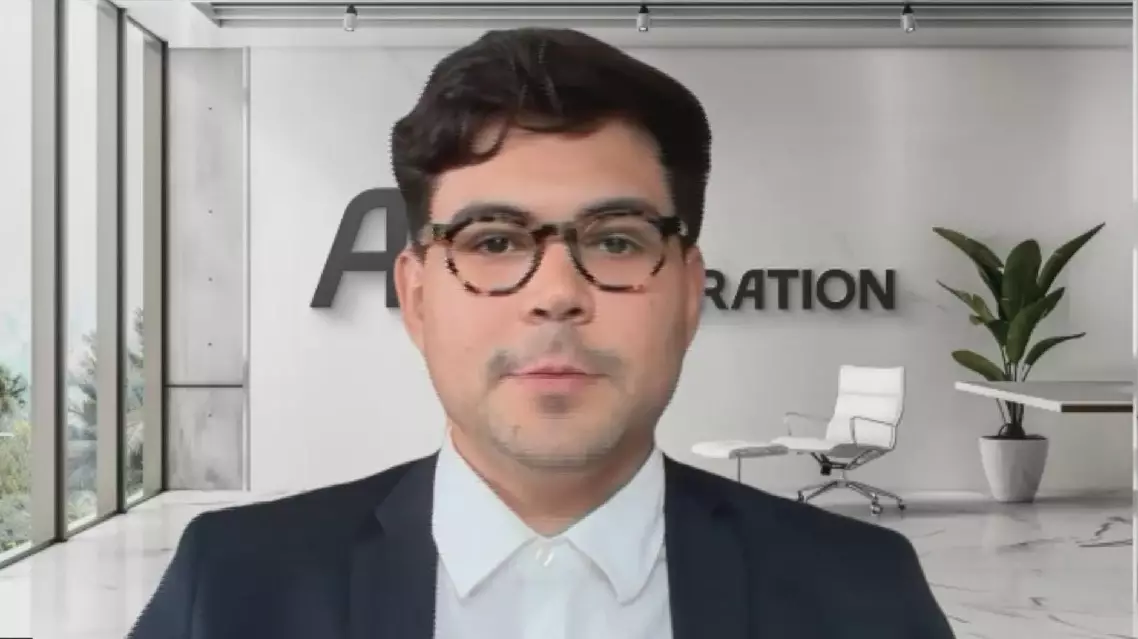
Glaydson Cabral, an immigration lawyer from a visa consultancy firm in Brazil, said he doesn't understand why Brazil is on the list.

"The visa most sought by Brazilian applicants is precisely that of professionals who can demonstrate relevant activity in the United States -- with a business plan or career plan linked to areas of U.S. national interest, like engineers, software engineers, computer scientists and health professionals," he said.

Vinicius Vieira, an international relations professor said politics is the motivation behind the decision, not immigration.

"I think there are too many reasons. If you look at Latin America, for instance, Uruguay, which is the richest country of the region, alongside Chile, for instance, was included in the list, and there has never been such a heavy wave of migration from Uruguay to the United States. However, Uruguay is governed by the left, so it means that a potential reason for including countries is the fact that they are governed by a center of left or left-wing politicians like Lula [Brazilian President Luiz Inacio Lula da Silva] and the current government of Uruguay," he said.

The new U.S. suspension applies only to immigrant visas. But since the start of U.S. President Donald Trump's administration, the issuance of other visas, including tourist and student visas, has also become more restrictive.

U.S. consular officials have also been instructed to tighten social media screening to identify visa applicants considered hostile to the United States. And a new visa integrity fee of at least 250 U.S. dollars has been implemented.

"There is, in fact, increased scrutiny by [U.S.] consular officers when granting these visas. Even without a formal memorandum, the current administration's immigration policy has been operating in that direction," said Cabral.
Brazilian experts share insight into implications, potential motivations behind U.S. visa suspension
Brazilian experts share insight into implications, potential motivations behind U.S. visa suspension
Chinese Foreign Minister Wang Yi said on Wednesday that the red line on protecting civilians in conflicts must not be crossed.

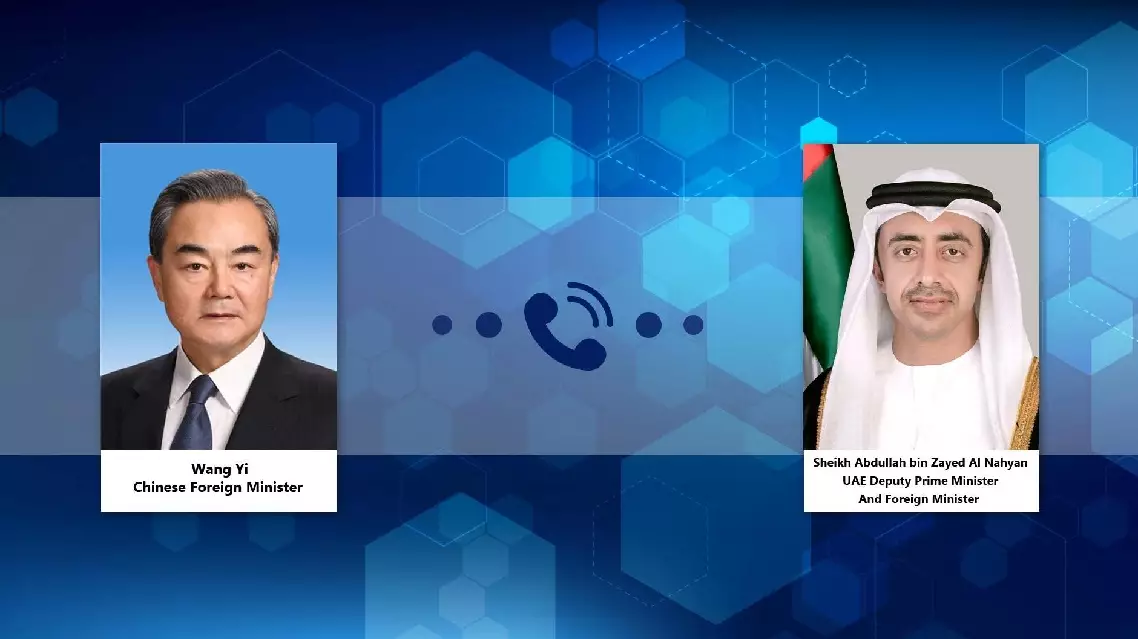
Wang, also a member of the Political Bureau of the Communist Party of China Central Committee, made the remarks in a phone conversation with Sheikh Abdullah bin Zayed Al Nahyan, deputy prime minister and foreign minister of the United Arab Emirates (UAE).

Abdullah briefed Wang on the regional situation and the UAE's position, saying the country is not a party to the war, has not participated in the current conflict, and should not be subjected to illegal attacks.

He expressed appreciation for China's consistent objective and impartial stance, adding that the UAE expects China to continue to play an active and important role in the current grave circumstances to prevent further escalation of regional tensions.

The UAE will continue to take measures to ensure the safety of Chinese personnel and institutions in the country, Abdullah said.

For his part, Wang reiterated China's principled position on the current situation in Iran, noting that the spillover of war serves no one's interests and that the people of the region would be the ones to suffer.

He stressed that non-military targets related to energy, economy and people's livelihoods should not be attacked, and that the security of shipping routes must be safeguarded.

Wang noted that the UAE had worked for peace even before the conflict broke out, and that a recent foreign ministers' meeting of the Gulf Cooperation Council emphasized that dialogue and diplomacy are the only way to overcome the current crisis and safeguard regional security, which China appreciates.

China backs the UAE's legitimate demands to safeguard its national security and supports countries in the region in their continued efforts to resolve disputes through diplomatic means, Wang said.

China will not give up hope for peace and will continue to play a constructive role, Wang said, adding that China will send its special envoy on the Middle East issue to the region to conduct mediation efforts to help bring the region back to peace and stability.

Wang also expressed hope that the UAE will continue to ensure the safety of Chinese citizens and institutions in the country.

Chinese FM says red line on protecting civilians in conflict must not be crossed

Chinese FM says red line on protecting civilians in conflict must not be crossed

Recommended Articles