Canadian Prime Minister Mark Carney’s landmark visit to China has opened "a new era" in bilateral relations, said former ambassador to China Dominic Barton in an interview with China Global Television Network (CGTN).
The trip, the first by a Canadian prime minister in eight years, placed ties between the two countries back in the spotlight. Carney arrived in Beijing on Wednesday and met Chinese President Xi Jinping on Friday, with Xi stressing that the sound and stable development of China‑Canada relations serves the common interests of both sides.
Barton described the visit as highly significant, noting that it sets the foundation for a new framework in the long-standing relationship.
"I think it's very significant. It's sort of the, if you will, the beginning and the establishment of a new era in that long relationship. So I think there's some broad framework, setting things that we're putting in places, as well as some specific agreements. So, I think this is a big deal," he said.
The former ambassador emphasized that newly created frameworks and working groups could serve as the backbone of future cooperation between Canada and China.
"I think it's at two levels. The first is there's a framework as I said, an approach of how to be able to work through things, the opportunities in trade and investment, the people to people ties that President Xi spoke about, that Prime Minister Carney also believes in, education, culture, sports, tourism. And I think that sort of establishes the working group, and sort of the forums to be able to work through opportunities but also issues. Secondly, there's progress made on trade tensions. I think these are first steps, it's more than what I expected in the first sort of meeting like this. I thought the first part was key. I think this is very significant," he explained.
Barton acknowledged advances in bilateral talks but stressed that key issues, particularly in trade, still persist.
"There's more to be done on trade. There is sort of countervailing tariffs on each side, which more broadly relate to agriculture. On the Chinese side, EVs, areas of investment, how that's going to work through. I think there will always be challenges and issues that come up in any good relationship. So I think being able to have the frameworks and the working groups in place to be able to deal with that will be very good. It was only seven or eight months ago that Prime Minister Carney met with the Premier of China at the UN, the meetings that happened in Seoul, so I think there's real conviction, is what it feels like to me on both sides to set up for a new era," he said.
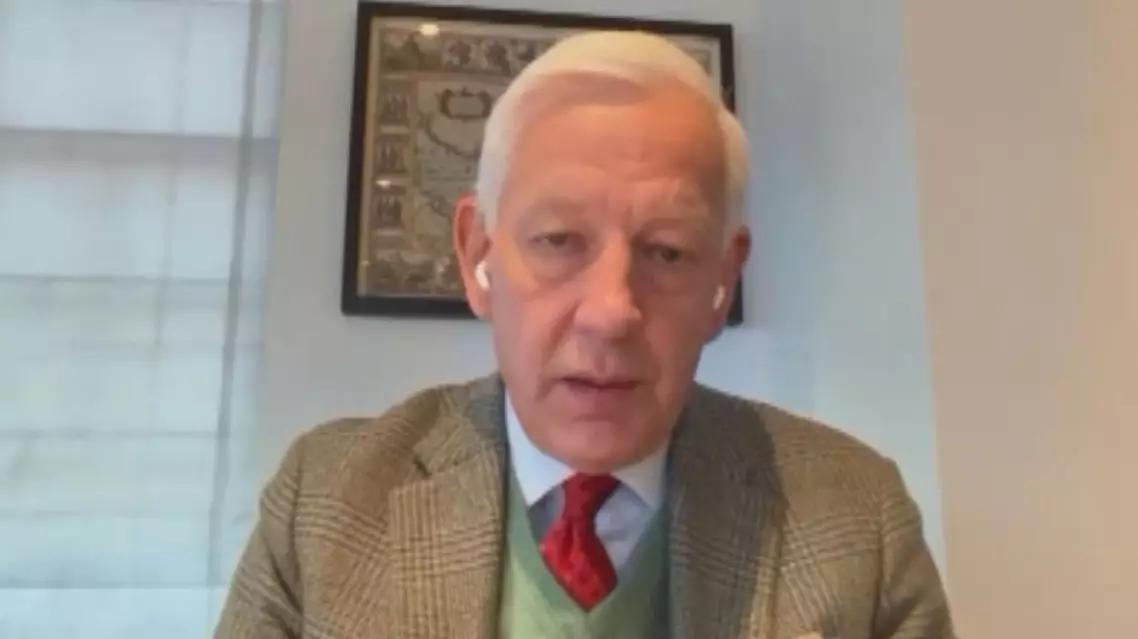
Canadian PM's China visit establishes framework for "new era" in bilateral ties: former ambassador
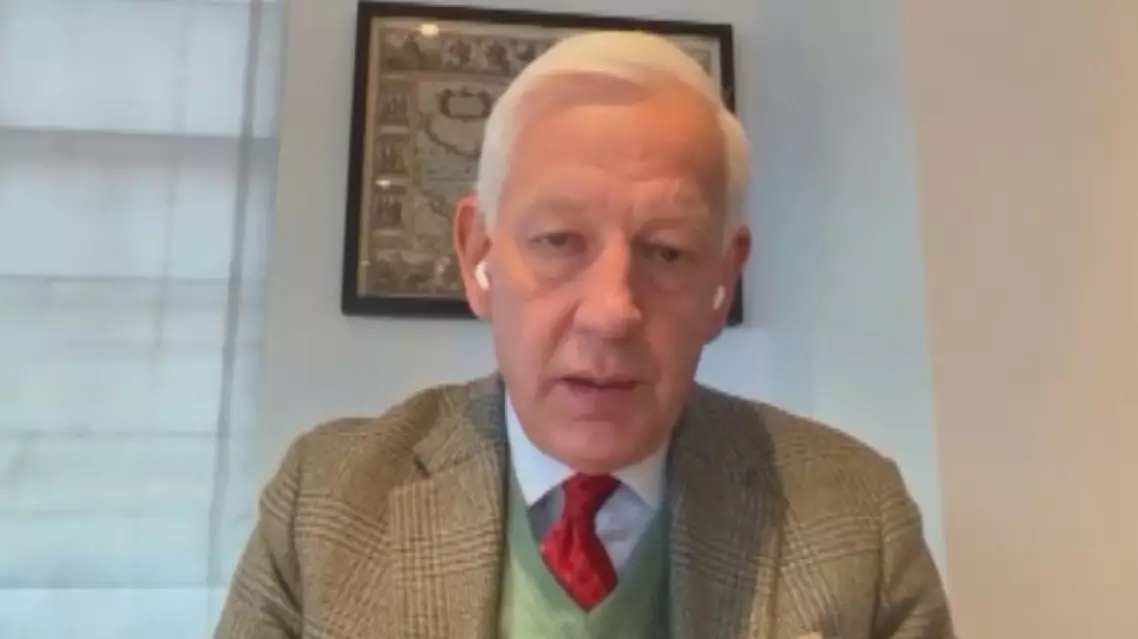
Canadian PM's China visit establishes framework for "new era" in bilateral ties: former ambassador