Skip to Content Facebook Feature Image

China to empower innovation, target social needs in 2026 sci-tech push: minister

China

China

China

China to empower innovation, target social needs in 2026 sci-tech push: minister

2026-01-18 01:07 Last Updated At:01-20 00:01

In 2026, China's science and technology efforts will target urgent social needs and empower innovation entities to drive the development of new quality productive forces, according to Science and Technology Minister Yin Hejun.

The Central Economic Work Conference held in December 2025 identified innovation-driven development and the cultivation of new growth drivers as key priorities for China's economic agenda in 2026.

In an interview with China Media Group (CMG), Yin said that the Ministry of Science and Technology will focus on the strategic goal of building a strong nation in science and technology, adhere to innovation-driven development, strengthen strategic planning, enhance central-local coordination and inter-departmental collaboration, and improve the overall effectiveness of the national innovation system.

"We will focus on the urgent needs of economic and social development, deploy and implement major national sci-tech projects, and strengthen original innovation and breakthroughs in key core technologies. We will reinforce the leading role of enterprises in sci-tech innovation, support the cultivation of leading sci-tech enterprises, accelerate the efficient transformation and application of major sci-tech achievements, promote sci-tech innovation in financial services, and promote the mutual integration and coordinated development of sci-tech innovation and industrial innovation to support the construction of a modern industrial system," said the minister.

The Global Innovation Index 2025 report, released in September 2025, shows that China has 24 innovation clusters among the world's top 100, ranking first globally. The Central Economic Work Conference proposed the development of international sci-tech innovation centers in the Beijing-Tianjin-Hebei region, the Yangtze River Delta, and the Guangdong-Hong Kong-Macao Greater Bay Area.

"Leveraging the leading role of Beijing and Shanghai, we will drive coordinated development and complementary advantages among the Beijing-Tianjin-Hebei region and the Yangtze River Delta, strengthening resource sharing, joint talent cultivation, and joint platform construction. Simultaneously, we will promote the alignment of rules and mechanisms among Guangdong, Hong Kong, and Macao, deepen cooperation in sci-tech innovation within the Greater Bay Area, and build a global hub for sci-tech innovation," he said.

The 15th Five-Year Plan (2026-2030) proposal called on relevant departments to promote talent cultivation in the education and sci-tech sectors and to accelerate the development of a national strategic talent pool.

"We will leverage national-level major sci-tech missions and innovation platforms to accelerate the gathering and cultivation of top-tier leading sci-tech talents. Focusing on sci-tech innovation, industrial development, and national strategic needs, we will make extraordinary arrangements for urgently needed disciplines and specialties, deepen the integration of science and education, as well as industry and education, and emphasize the discovery and cultivation of young sci-tech talents. We will deepen reforms in project review, institutional evaluation, talent assessment, and income distribution, facilitate talent exchange channels between universities, research institutes, and enterprises, and fully stimulate the innovation and creativity of the vast number of personnel in the sci-tech sector," Yin said.

China to empower innovation, target social needs in 2026 sci-tech push: minister
China to empower innovation, target social needs in 2026 sci-tech push: minister
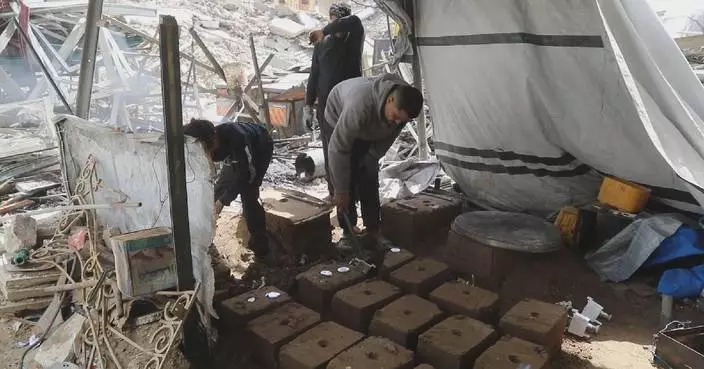
Iran has surprised its foes with the extent of its military power and resilience in the conflict with Israel and the U.S., Egyptian analysts in Cairo said.

With the conflict in its fourth week, Iran has shown that while it may lack the strong military muscle of the U.S. and Israel, it can strike effectively at Israeli cities and U.S. Gulf allies.

Iran's military capabilities are perhaps proving stronger than previously anticipated.

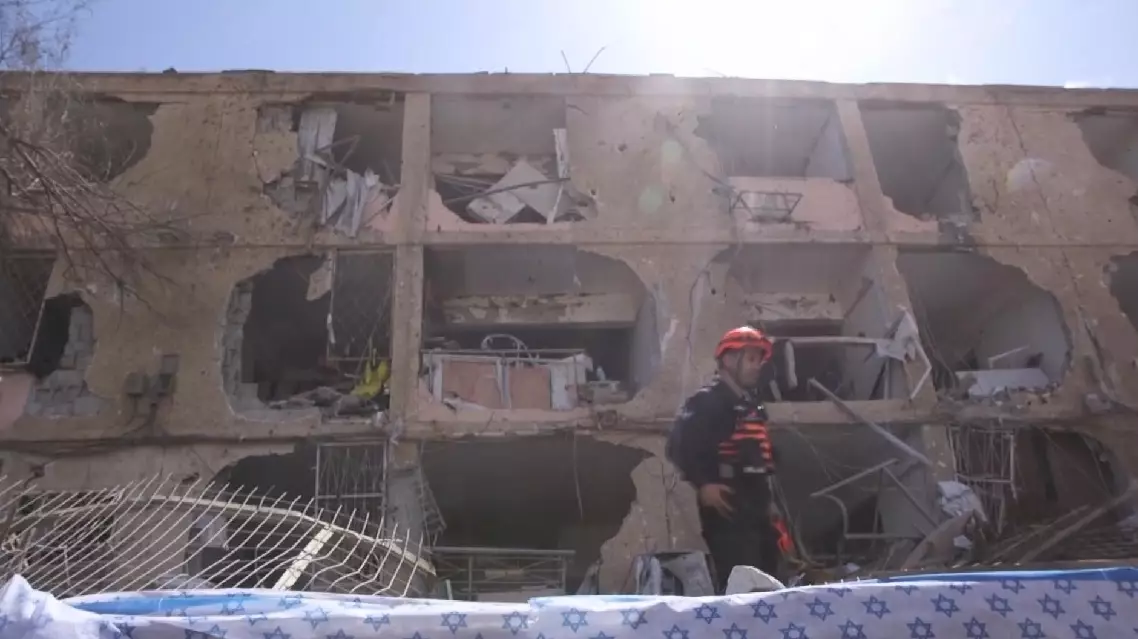
As soon as Israel and the U.S. attacked Iran on February 28, Tehran responded with barrages of missiles targeting Israel as well as U.S. military facilities in the six Gulf Cooperation Council countries and Jordan.

As the war began to stretch, Iran has expanded the list of its targets to include a total of 10 countries, and among them is a British base in Cyprus used by the United States.

Last week, a reported Iranian attack on another British military base on Diego Garcia Island in Mauritius signaled Tehran's possible capability to strike targets up to 4,000 kilometers away from its shores, bringing most of Europe within its radius of reach.

Walid Atlam, a researcher at the National Center for Studies, said Iran managed to use its military power to seize the global economic artery, the Strait of Hormuz, to exert pressure on the U.S. and Israel.

"The Iranian tactical strike on southern Israel, including the one near the Dimona nuclear facility or on Arad is the most effective qualitative attack during this war. It is also the deepest hit yet inside Israel. Another success for Iran is the closure of the Strait of Hormuz -- though only a partial one. In doing so, Iran managed to pressure a pillar of the global economy by disrupting energy markets and global supply chains. These effects will be felt even after a ceasefire," he said.

Iran does not match the U.S. and Israel in military might. For Tehran, surviving the war is the ultimate goal. Until then, it aims to inflict maximum damage -- not only militarily but also politically.

Mohamed al Shahawy, former chief of staff of military chemical warfare of the Egyptian Armed Forces, said Iran has surprised its foes with its military capabilities.

"Iran's resilience in fighting into the fourth week is the biggest surprise, so is its ability to target U.S. military bases with new generations of missiles. The U.S.-Israeli objective in this war, including overthrowing the regime in Iran, destroying Iran's ballistic missiles program and its nuclear facilities, and seizing Iran's enriched uranium, has failed," he said.

Atlam said the ongoing conflict seems to be undermining U.S. dominance and straining the close relations with its European allies.

"I think this war has created a kind of doubt about the United States and its foreign policy. The most significant sign is perhaps a clear European desire to reduce its dependence on the U.S., both militarily and economically. This was evident when many European countries refused to get directly involved in this war or join a coalition to secure navigation in the Strait of Hormuz," he said.

Iran's strike reveals military power, resilience against US: experts

Iran's strike reveals military power, resilience against US: experts

Recommended Articles