The Republic of Korea (ROK) is rushing out emergency fuel measures as surging global oil prices threaten to choke its supply chains amid escalating Middle East tensions.
U.S.-Israeli strikes on Iran on Feb. 28 and Iran's moves to restrict traffic through the Strait of Hormuz, a critical route that carries roughly a fifth of the world's oil, have added to the volatility, with geopolitical whiplash feeding directly into import costs for energy-dependent economies.
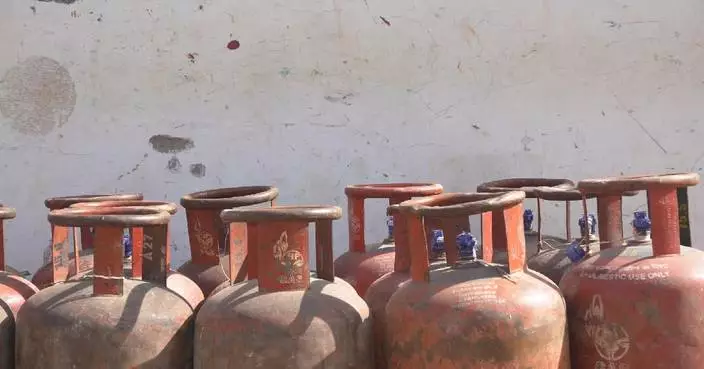
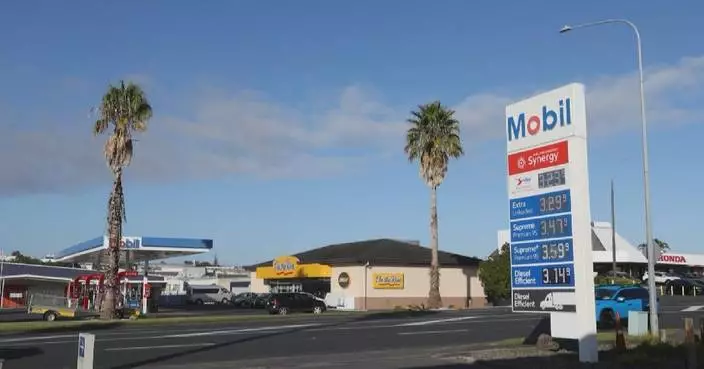
These effects of conflict in the Middle East reverberate at a logistics hub located just south of Seoul. With global crude oil prices on the rise, truck drivers line up to refuel, bracing for higher costs with every trip.
"My truck isn't very fuel-efficient. I will usually do over 4,000 liters at a time, but with prices going up, that’s adding an extra cost of several million Korean won (several thousand U.S. dollars) a month, so it's been pretty tough. On top of that, export volumes are really unstable right now, because shippers can’t send cargo on Middle East routes at the moment," said Choi Jae-jin, a truck driver. Fuel is the biggest expense for independent drivers like Choi, and rising diesel costs are eroding margins to the point where many doubt how long they can stay on the road.
With pressure mounting on truck drivers, the government is rolling out emergency measures, from fuel subsidies to price controls, to keep supply chains moving. Seoul has announced steps to stabilize the market, including releasing stockpiles and capping fuel prices for refiners, controls not seen since the 1990s.
The ROK sources about 70 percent of its oil and gas from the Middle East, leaving the economy exposed to prolonged disruption.
Analysts warn that if disruptions persist, the impact could spread beyond the transport sector, affecting supply chains and pushing up prices for consumers. For now, drivers say they have little choice but to keep going, even as the cost of staying on the road continues to rise.
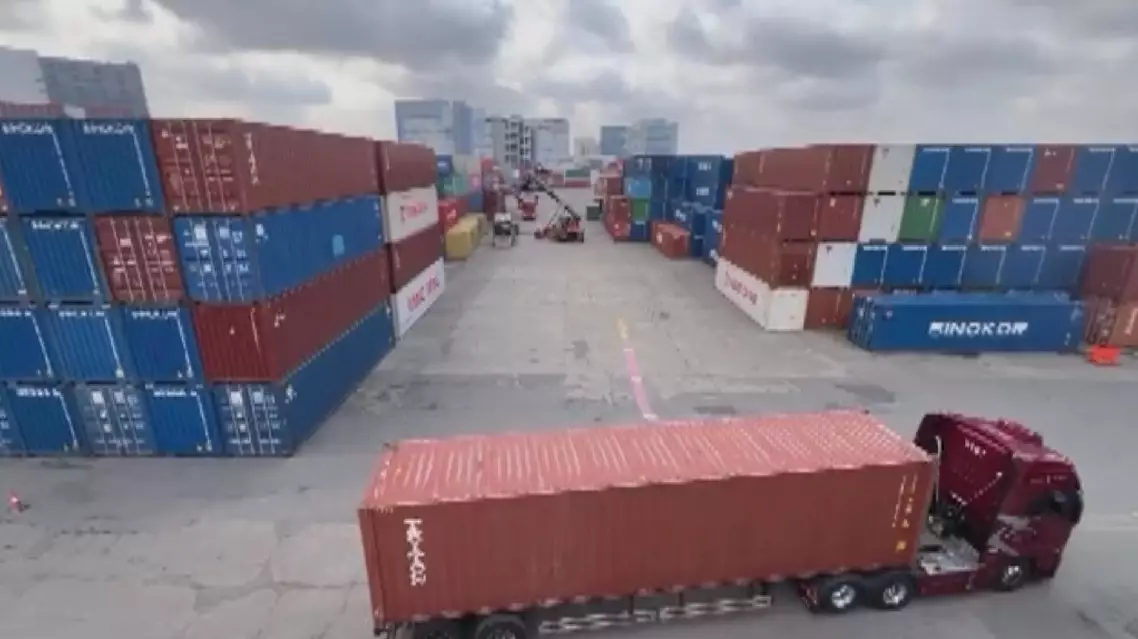
ROK announces fuel subsidies, price controls to safeguard supply chains as oil prices surge
The Boao Forum for Asia (BFA) 2026 Annual Conference opened in the town of Boao, south China's Hainan Province on Tuesday with an eye on China's vibrant economic development and global free trade.
On the first day of the annual conference, seven sub-forums were held, focusing on topics such as China's economic outlook, global free trade ports, and the green economy.
As 2026 marks the start of China's 15th Five-Year Plan (2026-2030), attendees at the BFA say China's economy has entered a new stage of high-quality development, which will bring tremendous opportunities to the rest of the world.
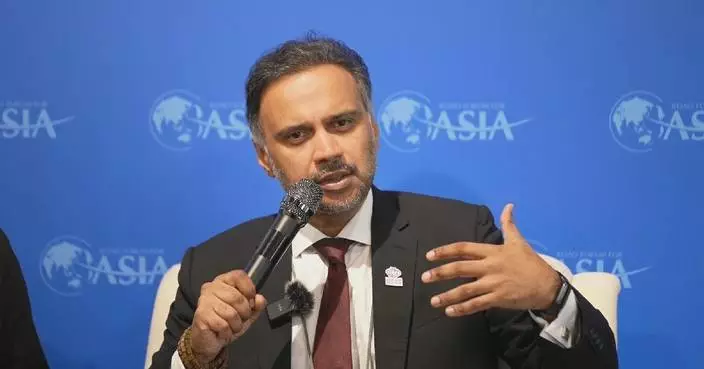
"China has changed from a factory to an innovation center of the world. So now, [when] we talk about any technology -- renewable energy, green development [and] AI -- China is leading the world. This change has taken place in a very short period of time," said Zafar Uddin Mahmood, policy advisor to secretary general of the Boao Forum for Asia.
"The type of planning is very positive for business in a general way, because it brings a lot of stability [and] predictability for a businessman," Bernardo Mendia, secretary-general of the Portugal-China Chamber of Commerce and Industry, said of China's five-year plan that charts the country's path for social and economic development in the next five years.
The BFA also released two flagship reports, one on Asia' economic outlook, and the other on sustainable development.
The first report, titled "Asian Economic Outlook and Integration Progress", indicated that Asian economies remain the primary engine of world economic growth, with their global share of gross domestic product expected to rise from 49.2 percent in 2025 to 49.7 percent in 2026. It also highlighted how China and ASEAN (the Association of Southeast Asian Nations) continue to stand out as regional "stability anchors."
The second report, which was titled "Sustainable Development in Asia amid Global Transformation", noted that Asia is leading the global energy transition, with the region accounting for some 70 percent of annual new clean energy capacity installations worldwide.
This year's BFA, themed "Shaping a Shared Future: New Dynamics, New Opportunities, New Cooperation," features four core topics and more than 50 sub-forums, roundtables and dialogue sessions.
Founded in 2001, the BFA has grown into a key platform for addressing Asian issues and strengthening cooperation both within the region and globally.
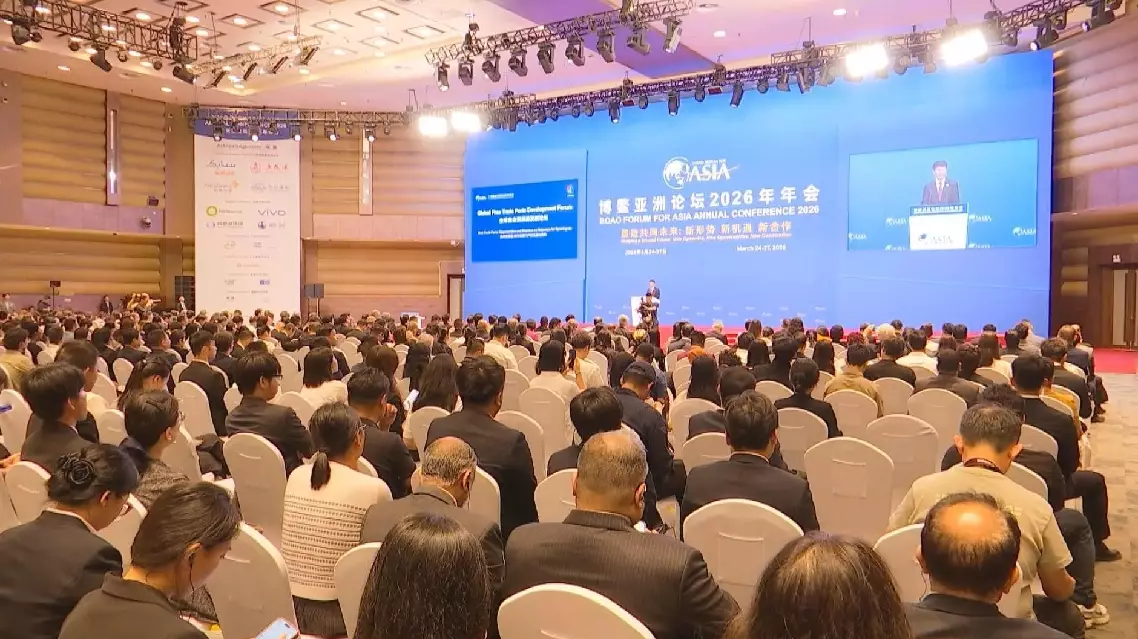
Boao Forum for Asia Annual Conference 2026 opens in China's Hainan Province