South Africa's Gauteng province will deepen cooperation with China in technology, talent cultivation and trade, said Thulani Kunene, deputy chairperson of the Committees of the Gauteng Provincial Legislature, in Johannesburg.
As China shares its vision and future with Africa, its trade partnership with South Africa has also deepened, and a new framework signed last month will grant South African exports duty-free access to the Chinese market.
"We believe that our relationship can take us forward, in terms of mutually benefiting each other. We can benefit from advances in technology from China, and we think that we've got the resources, we've got the young population, young people who are prepared to learn, and we've got entrepreneurs who are willing. And we hope that some of them will take an opportunity to go to China, and also trade with the Chinese. We can sell more products from South Africa, from Gauteng to the Chinese, as much as we also buy products from China," said Kunene in an interview with China Global Television Network.
"The distance between China and Gauteng is not a problem. We've got very good port services, we've got a port in Johannesburg. We also have good freeways, good highways that go to the Sea Port of Durban and Richards Bay. So, we think that we're able to trade easily, as we were already doing," he said.
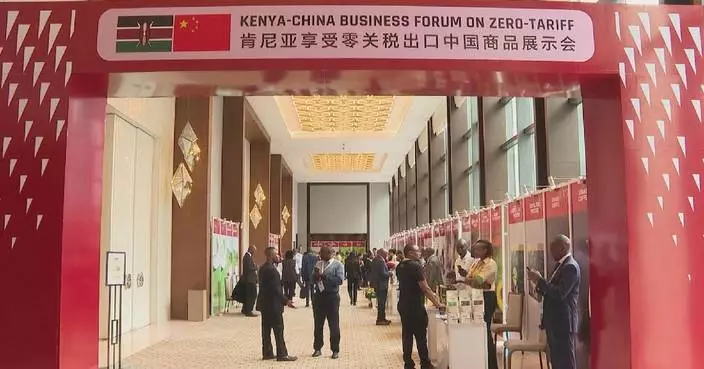
Starting May 1, China will implement a zero-tariff policy for all products from 53 African countries with diplomatic ties to China.

South Africa's Gauteng province to deepen cooperation with China: official
Fuel prices in New Zealand have jumped sharply in recent weeks, driven by global energy market volatility and Middle East tensions, adding strain to households and businesses.
International crude and gas markets have swung sharply recently, with Brent crude briefly topping 113 U.S. dollars on Monday before plunging below 100 U.S. dollars on conflicting signals between the U.S. and Iran over potential dialogue. Prices later stabilized near 101 U.S. dollars, while European gas and U.S. WTI futures mirrored the turbulence.
Analysts say such geopolitical whiplash is feeding directly into import costs for energy-dependent economies such as New Zealand. The International Energy Agency (IEA) has warned that even a second release of strategic reserves would not fully ease the shortfall, while Goldman Sachs sees Middle East risks keeping oil above 100 U.S. dollars for the foreseeable future.
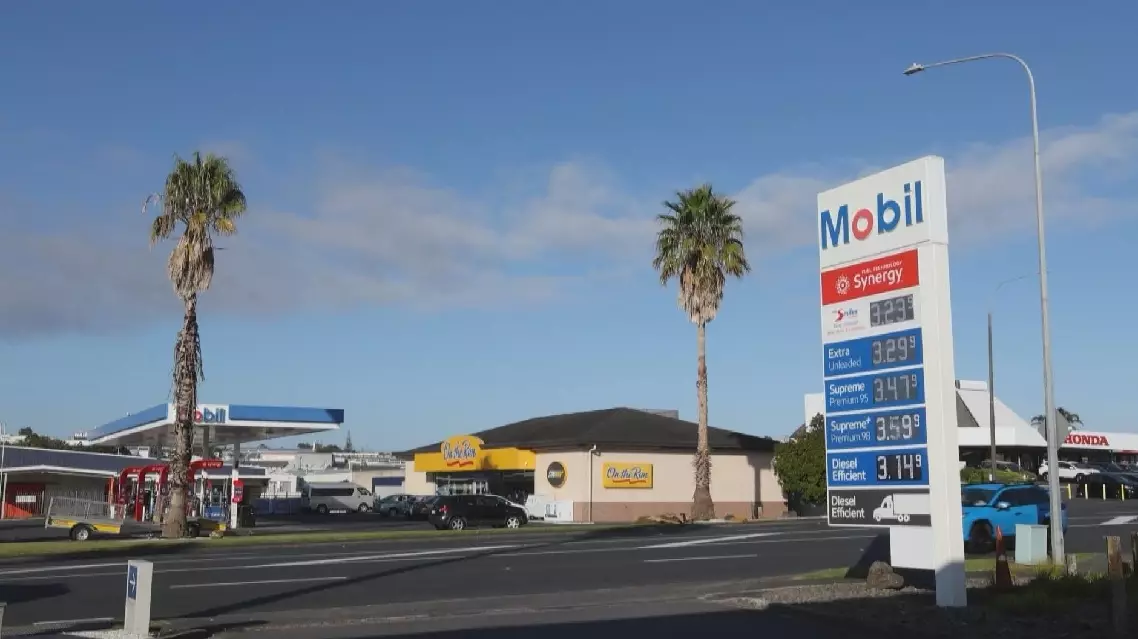
Latest figures from Gaspy show the average price of 91-octane petrol climbing to 3.30 New Zealand dollars per liter, with 95-octane reaching 3.50 New Zealand dollars, and diesel rising to 3.11 New Zealand dollars. As of March 23, national fuel costs in New Zealand have surpassed their 2022 peak.
"It's too high. You see what I'm running. That's going to cost a fortune. But I guess I'll just start not driving around so much. It's going up ten to 20 cents a day at least. It’s crazy," said a resident.
On Tuesday, the New Zealand government announced a relief package in response to rising fuel prices. Starting from April 7, about 143,000 working families with children will receive an additional 50 New Zealand dollars per week through a boost to the in-work tax credit. The temporary support may last for up to one year, or until the price of 91-octane petrol remains below three New Zealand dollars per liter for four consecutive weeks.
Analysts warn that New Zealand, as a net energy importer, faces mounting inflationary pressures from global market swings. With fuel costs at record highs, the government's ability to balance fiscal restraint against targeted relief is set to dominate policy debates in the months ahead.
Rising fuel costs squeeze New Zealand households, prompt government support