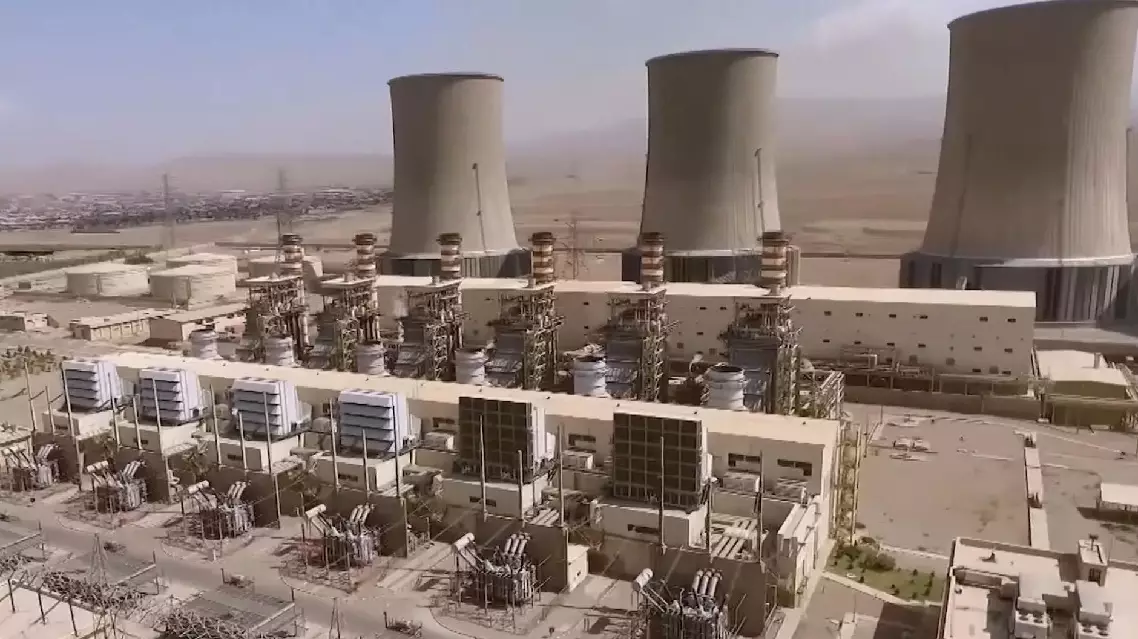
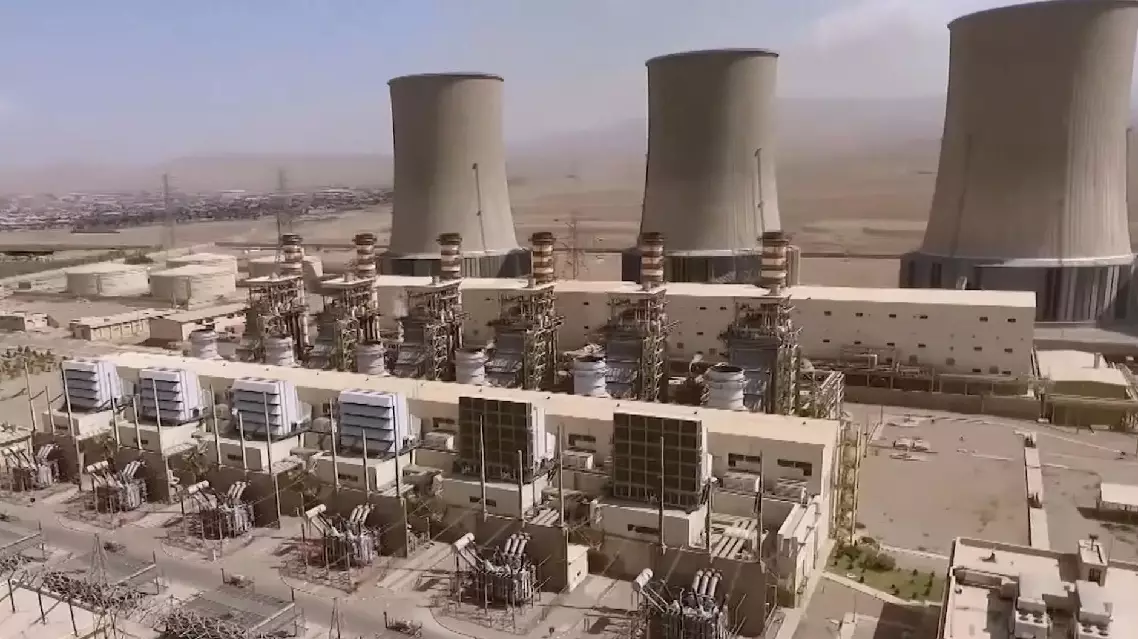
Iran's power grid which has been already weakened by aging infrastructure and years of economic pressure, is now under huge strain as regional hostilities brought by Israeli-U.S. strikes on Iran intensify.
The current Middle East conflict has only worsened the difficulties that many residents and small business owners already faced in Iran.
After two consecutive summers of daily nationwide power rationing, many locals say blackouts have become routine, triggering disruptions that extend beyond electricity to water supply and commerce.
"Summer power outages create challenges for us, affecting many businesses. During blackouts, clients are left stranded in offices, unable to get their work done," said Nasrin, a Tehran resident.
For residents like Nasrin, the instability is already a daily reality. But there are concerns over the dangerous effect which can occur, as when the electricity fails, so do other essential services.
"In some regions, when power outages occur, water supply is also disrupted. Naturally, this causes numerous problems for residents," she continued.
The impact goes far beyond inconvenience. For many business operators, a sudden blackout is not just an interruption, it is a direct hit to their livelihood.
"Power outages directly hurt my business. My shop relies on refrigerators and freezers to store large amounts of food-when the power goes out, the food spoils, leading to major losses. Sales also drop because the POS systems go down, so customers can't pay," said Alireza, a supermarket owner.
Many Iranians had already taken matters into their own hands long before the current war erupted. Over the past two summers, sales of diesel and gasoline-powered generators have surged, as households and businesses alike invest in a costly but increasingly necessary backup.
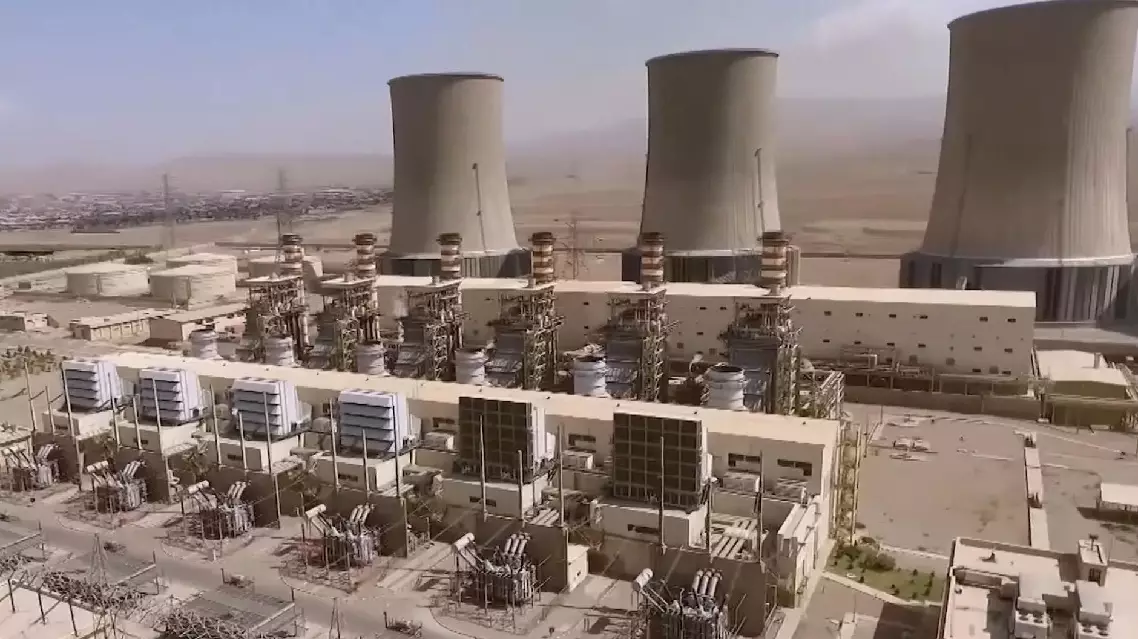
Businesses, residents suffer as conflict strains Iran's fragile power grid
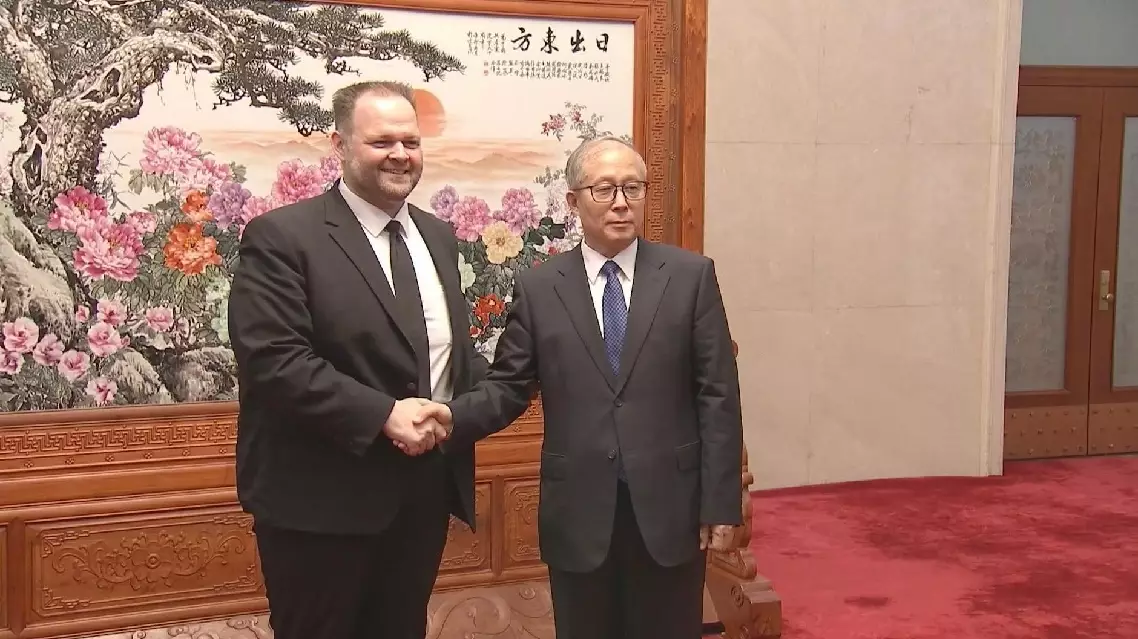
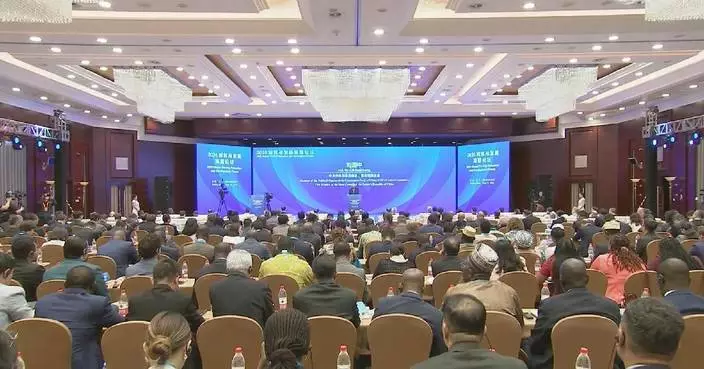
The Boao Forum for Asia (BFA) 2026 Annual Conference opened in the town of Boao, south China's Hainan Province on Tuesday with an eye on China's vibrant economic development and global free trade.
On the first day of the annual conference, seven sub-forums were held, focusing on topics such as China's economic outlook, global free trade ports, and the green economy.
As 2026 marks the start of China's 15th Five-Year Plan (2026-2030), attendees at the BFA say China's economy has entered a new stage of high-quality development, which will bring tremendous opportunities to the rest of the world.
"China has changed from a factory to an innovation center of the world. So now, [when] we talk about any technology -- renewable energy, green development [and] AI -- China is leading the world. This change has taken place in a very short period of time," said Zafar Uddin Mahmood, policy advisor to secretary general of the Boao Forum for Asia.
"The type of planning is very positive for business in a general way, because it brings a lot of stability [and] predictability for a businessman," Bernardo Mendia, secretary-general of the Portugal-China Chamber of Commerce and Industry, said of China's five-year plan that charts the country's path for social and economic development in the next five years.
The BFA also released two flagship reports, one on Asia' economic outlook, and the other on sustainable development.
The first report, titled "Asian Economic Outlook and Integration Progress", indicated that Asian economies remain the primary engine of world economic growth, with their global share of gross domestic product expected to rise from 49.2 percent in 2025 to 49.7 percent in 2026. It also highlighted how China and ASEAN (the Association of Southeast Asian Nations) continue to stand out as regional "stability anchors."
The second report, which was titled "Sustainable Development in Asia amid Global Transformation", noted that Asia is leading the global energy transition, with the region accounting for some 70 percent of annual new clean energy capacity installations worldwide.
This year's BFA, themed "Shaping a Shared Future: New Dynamics, New Opportunities, New Cooperation," features four core topics and more than 50 sub-forums, roundtables and dialogue sessions.
Founded in 2001, the BFA has grown into a key platform for addressing Asian issues and strengthening cooperation both within the region and globally.
Boao Forum for Asia Annual Conference 2026 opens in China's Hainan Province