During the 14th Five-Year Plan period (2021-2025), China has continued to advance urban ecological restoration and functional improvement, promoting the development of "park cities" tailored to local conditions.
By prioritizing public needs in urban planning and construction and allocating ecological space more rationally, cities across the country have added greenery, enriched daily life, and significantly improved living environments.
According to the latest data, the green coverage rate in urban built-up areas nationwide has exceeded 43 percent, while per capita park green space has reached 15.9 square meters, an increase of 1.1 square meters compared with 2020.
Over the past year alone, more than 4,700 pocket parks were launched, along with over 5,800 kilometers of greenways.
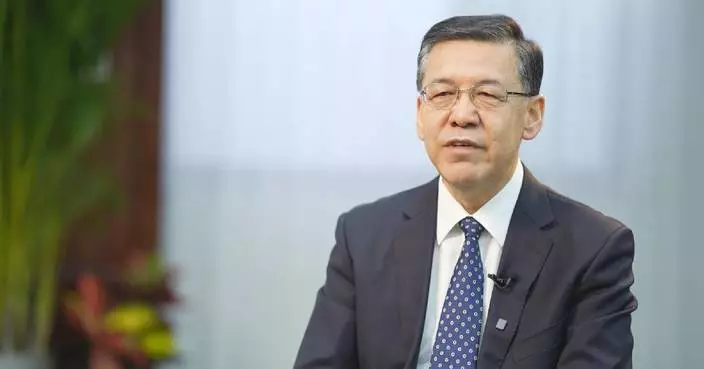
"The construction of 'park cities' means that in the process of urban planning, development and governance, we can provide inclusive and equitable ecological benefits. This will further meet people's needs to connect with nature and enjoy a better quality of life," said Li Rusheng, head of the Chinese Society of Landscape Architecture.
Since the beginning of the 14th Five-Year Plan, a series of policy measures have been introduced, including Opinions on Promoting High-Quality Urban Development, Opinions on Promoting Green Development in Urban and Rural Construction, and Opinions on Continuously Advancing Urban Renewal, setting out clear requirements for the development of urban parks and green spaces from different perspectives.
Urban renewal initiatives have incorporated park green spaces into renewal plans, while urban "health check" assessments have included coverage of park service radii as an evaluation indicator, helping to optimize park layouts.
These measures have brought more parks closer to residents' homes.
During the 14th Five-Year Plan period, China added 19,000 pocket parks and more than 27,000 kilometers of urban greenways. As the number of parks grows, their functions are also becoming more diverse -- supporting night running, fitness, and camping.
Also during the 14th Five-Year Plan period, a total of 19,000 hectares of park lawns nationwide have been opened and shared with the public. Through initiatives such as "table tennis in parks", local government have added 215,000 new sports facilities to parks.
The 15th Five-Year Plan period (2026-2030) recommendations clearly point out that it is imperative to vigorously implement urban renewal, and build modern people's cities that are innovative, livable, beautiful, resilient, civilized, and intelligent.
At present, local governments continue to improve the "assessment–planning–implementation" mechanism for landscaping and greening based on urban renewal, actively promote the adjustment of the incremental structure and the improvement of the quality of existing green space systems, so that the city's green spaces can follow the needs of the people.
"Moving forward, the Ministry of Housing and Urban-Rural Development will continue to promote the construction of pocket parks and urban greenways, and the opening and sharing of park green spaces. We will provide safer, more convenient, and more attractive green activity venues for the public, guide local governments in renovating and upgrading aging urban parks, enrich the supply of public leisure products, and ensure that the achievements of ecological civilization better benefit the people," said Wang Kaifeng, deputy director of the Department of Urban Development, Ministry of Housing and Urban-Rural Development.
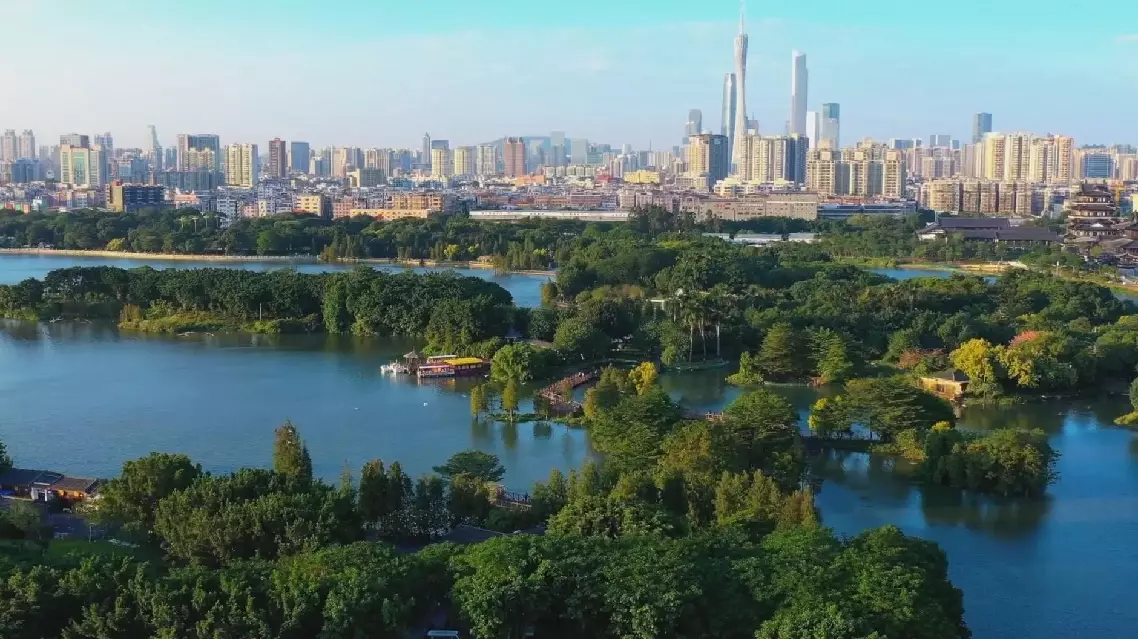
China expands park cities to improve urban livability in 2021-2025 period