In a sharply worded press conference on Sunday, Iranian Foreign Ministry spokesman Esmaeil Baghaei placed full responsibility on the United States for escalating tensions with Iran, framing U.S. foreign policy as inherently interventionist, coercive and hegemonic.
Protests erupted since late December in several Iranian cities over the sharp depreciation of the national currency -- the rial. Initially held peacefully, the protests gradually became violent, leading to casualties and damage to public property, mosques, government buildings, and banks, especially on Jan. 8 and 9, for which Iranian authorities have blamed the United States and Israel.
Click to Gallery
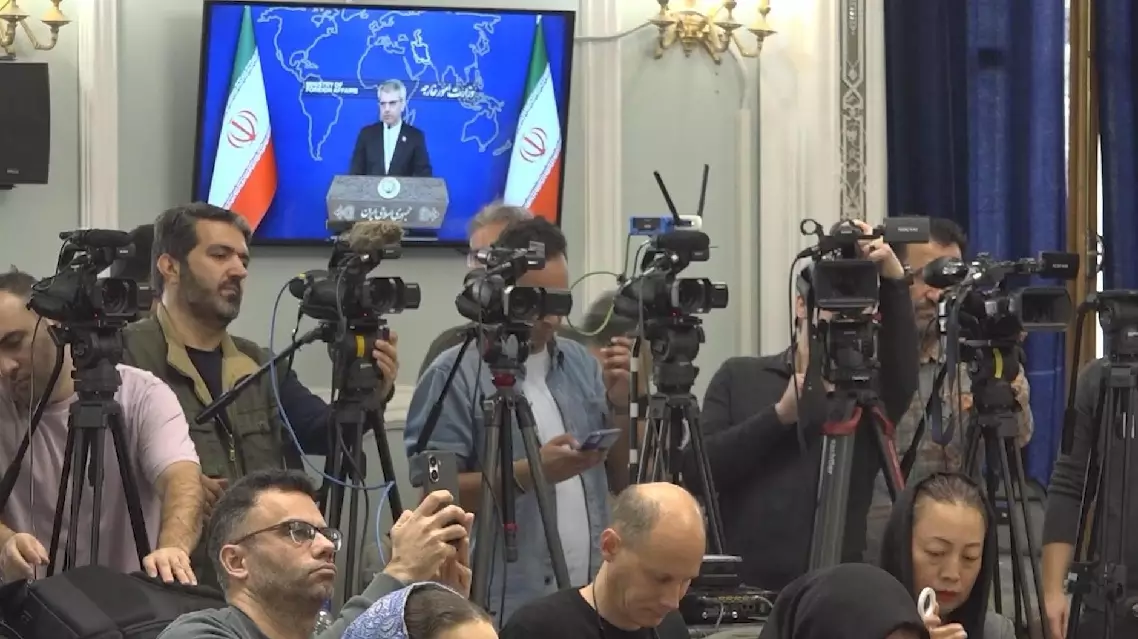
Iranian Foreign Ministry denounces U.S. interventionist policy for escalating tensions
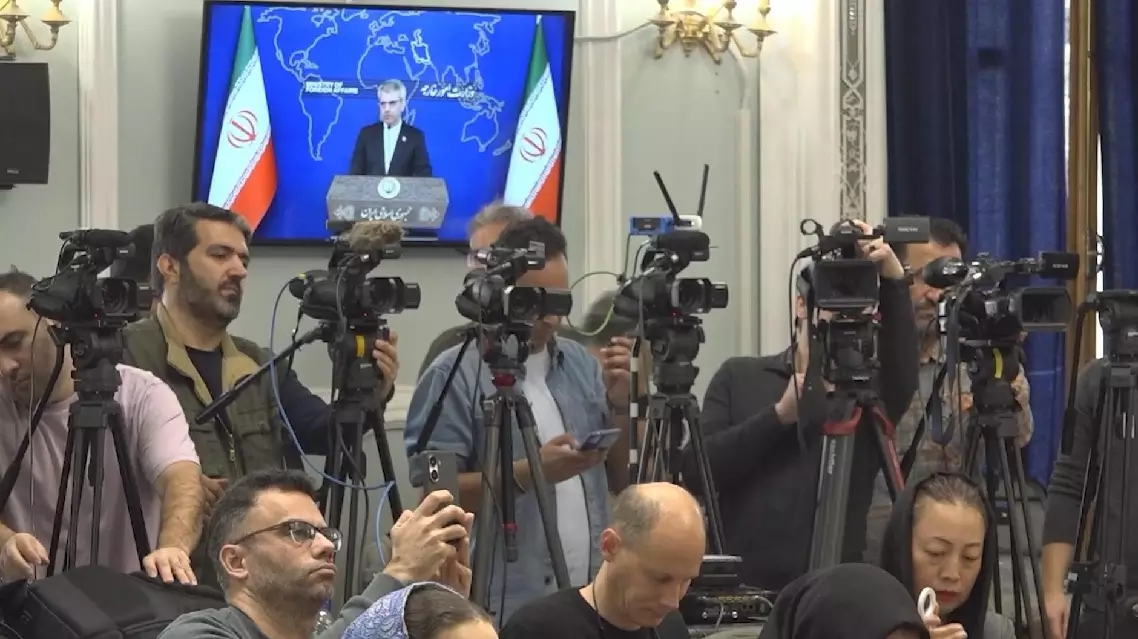
Iranian Foreign Ministry denounces U.S. interventionist policy for escalating tensions

Iranian Foreign Ministry denounces U.S. interventionist policy for escalating tensions

Iranian Foreign Ministry denounces U.S. interventionist policy for escalating tensions

Iranian Foreign Ministry denounces U.S. interventionist policy for escalating tensions
U.S. President Donald Trump has repeatedly threatened to intervene if protesters continued to be killed on the streets or were executed. He said in an interview with U.S. newspaper Politico on Saturday: "It's time to look for new leadership in Iran".
"The United States is responsible for the current tensions. Escalation has now become part of the nature of U.S. policy. It is not Iran that deploys its military from the Persian Gulf to the Gulf of Mexico and the border of the U.S. It is not Iran that interferes in the internal affairs of the United States," Baghaei said.
The spokesman condemned what he described as the United States' habit of intervening in regional affairs on false grounds.
"It is the United States that, under various pretexts, continues to pursue its interventionist policies toward Iran and other countries in the region. Whenever it speaks of diplomacy, it in fact means imposing its will and dictating terms," he said.
Iranian Foreign Ministry denounces U.S. interventionist policy for escalating tensions
Iranian Foreign Ministry denounces U.S. interventionist policy for escalating tensions
Iranian Foreign Ministry denounces U.S. interventionist policy for escalating tensions
Iranian Foreign Ministry denounces U.S. interventionist policy for escalating tensions
Iranian Foreign Ministry denounces U.S. interventionist policy for escalating tensions