The soaring prices of rice and other daily necessities have increased the cost of living for households in Japan, raising concerns amongst residents of all ages.
According to data released by Japan's Ministry of Agriculture, Forestry and Fisheries on Friday, the average price of rice in supermarkets across Japan has reached 4,267 yen (about 27.03 U.S. dollars) per 5 kilograms, remaining at a historically high level.
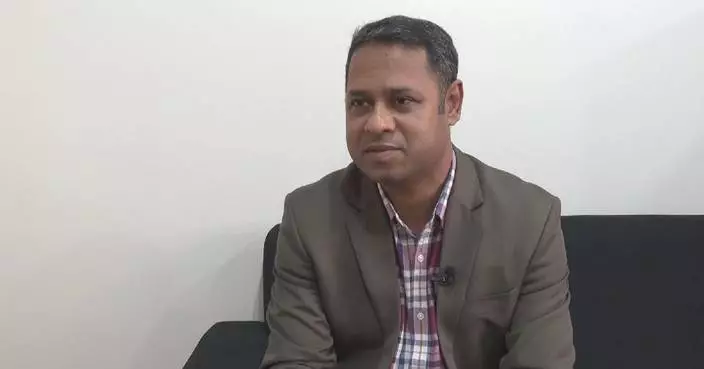
During interviews with China Global Television Network (CGTN), some residents in Osaka said the higher prices have made rice increasingly difficult to afford, prompting them to specifically buy during supermarket discounts days or promotional offers, while others said the continuous price hikes have forced them to reduce their daily rice consumption.
"Rice has really become too expensive. It's really difficult to afford. Sometimes when I plan to go to the supermarket to buy rice, I'll choose a day when there are discounts," said a resident.
"I eat less rice than before, because it's too expensive," said another resident.
In addition to rice, other foods and daily necessities have also seen price increases, according to residents.
"Prices have risen by around 20 to 30 percent. Overall, almost everything, like food and other groceries, have seen their prices increase," said a resident. "When I go to the supermarket, I notice fruit prices have increased. So do vegetable prices," said another resident.

Japan's rising rice prices strain household budgets

Japan's rising rice prices strain household budgets
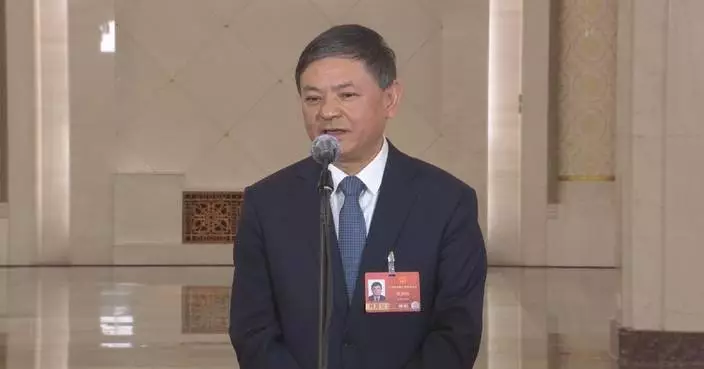
Smart technologies have reshaped China's ecological and environmental monitoring system, Huang Runqiu, minister of Ecology and Environment, said Thursday in Beijing on the sidelines of the fourth session of the 14th National People's Congress(NPC).
"Regarding ecological and environmental monitoring, we have been promoting the digitalization, informatization, and intelligentization of the entire monitoring process in recent years, reshaping the ecological and environmental monitoring system. For instance, in water environment monitoring and sampling, we have used intelligent drones which can quickly locate sampling points, collect samples accurately, return rapidly, and they are safe and reliable, improving work efficiency by over 70 percent. They are particularly advantageous for sampling during flood seasons and in remote areas," Huang told the press.
"In terms of environmental sample analysis, we have developed 'lights-out laboratories' in recent years. As the name suggests, these labs operate without lights and are unattended. Through robotic arms, robots, and intelligent management systems, they achieve full-process automation and intelligence from sample handover, testing, and analysis to report generation. This has significantly enhanced work efficiency, increasing it by more than eightfold compared to traditional labs. More importantly, it reduces human interference, human error, and even data falsification," he said.
Thanks to the improved ecological and environmental supervision capabilities, the number of environmental violation cases nationwide has decreased from 130,000 five years ago to 43,000 last year, representing a decline of 68 percent, Huang said.
The minister said China has already applied environmental DNA technology in the biodiversity monitoring work.
"In the field of biodiversity monitoring, monitoring aquatic organisms remains a weak point. However, significant progress has been made in recent years as we have developed environmental DNA technology. Although this chip is very small in size, it contains DNA detection information for aquatic organisms, including the finless porpoise and the Chinese sucker, from 19 state-controlled sections in the Jiangsu segment of the Yangtze River. The results showed that over the past five years, more than 20 species of aquatic organisms have increased in this river section, fully demonstrating the tangible effectiveness of the ten-year fishing ban in the Yangtze River," Huang said while showing a chip to reporters.
The 14th NPC, China's national legislature, concluded its fourth session on Thursday.
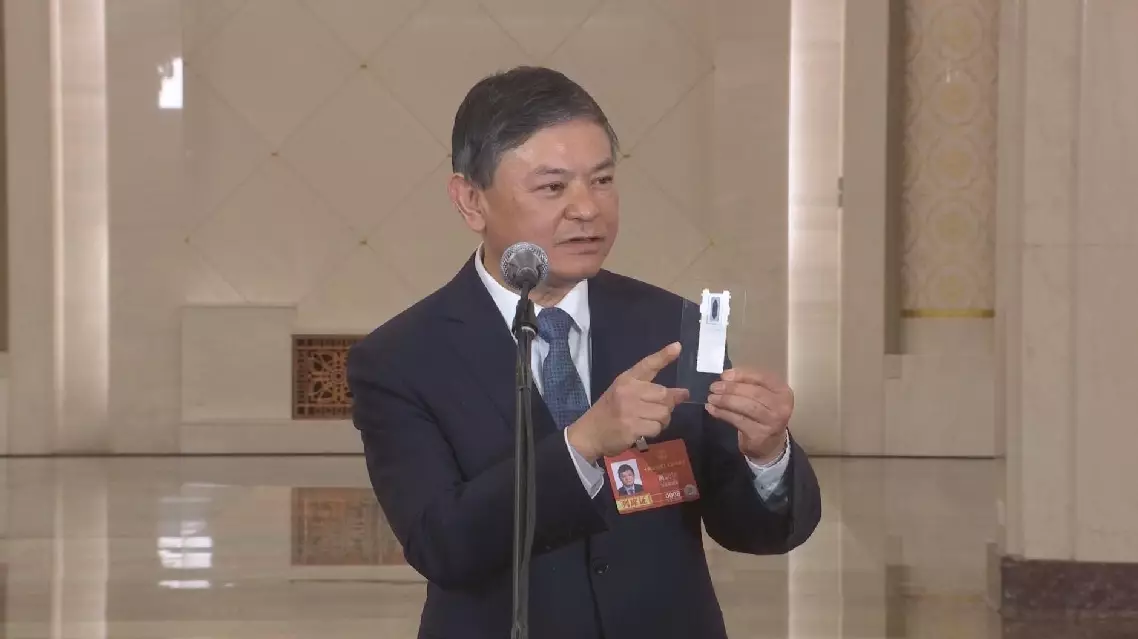
Smart technologies reshape China's ecological, environmental monitoring system: minister