Korean premium hair brand LEEKAJA arrives in Central, establishing Hong Kong regional headquarters for Asian expansion
Invest Hong Kong (InvestHK) today (January 20) announced that LEEKAJA x AMONG, a new flagship store collaborated on between Korean premium hair brand LEEKAJA and creative brand AMONG, has launched in Central. The brand also established its Hong Kong regional headquarters as a core base for expanding its Asian operations.
The Central flagship store blends LEEKAJA's hair expertise with AMONG's aesthetic vision, bringing a fresh K-Beauty experience that encompasses Korean scalp care, professional styling, fashion artistry, and lifestyle aesthetics in an immersive beauty space.
Associate Director-General of Investment Promotion of InvestHK Mr Arnold Lau said, "We warmly welcome Korean brand LEEKAJA to Hong Kong, injecting new energy into our lifestyle and beauty industry. Hong Kong's multicultural environment, international talent pool, and demand for premium lifestyle experiences make it an ideal platform for brands expanding into the Asia-Pacific market. We look forward to witnessing LEEKAJA's success in Hong Kong and across Asia."
The Chief Executive Officer of LEEKAJA, Ms Choi Yoobin, said, "The opening of our Hong Kong flagship store and regional headquarters marks a significant milestone in LEEKAJA's deepening presence across Asia. Hong Kong is Asia's trendsetting hub with advantages in talent and capital markets, making it the ideal base for promoting our next-generation K-Beauty concept. This flagship store is not just a premium salon but our strategic hub for expanding throughout the Asia-Pacific region with Hong Kong at its centre."
Ms Choi added, "Looking ahead, we will open more salons and a hair technology academy here to cultivate talent and set global-level service benchmarks. Our Hong Kong office is not merely a branch but a control tower for Asian operations, steering towards our ultimate goal of getting listed in Hong Kong by 2030."
Founded in 1972, LEEKAJA is Korea's leading high-end hair brand with a global footprint of 130 locations across Asia, the United States, and Europe. Known for its premium hair rituals, head spa services, and refined design identity, the brand continually redefines the global beauty experience through innovation, cross-sectoral collaboration, and cultural relevance. The brand's Hong Kong regional headquarters will oversee operations in Singapore, Vietnam, Cambodia, Indonesia, and other markets - managing performance, service standards, and global expansion strategies while leveraging Hong Kong's role as a key Asian hub.
For more information about LEEKAJA, please visit: www.leekaja.hk.
To download photos, please visit: www.flickr.com/photos/investhk/albums/72177720331299266.
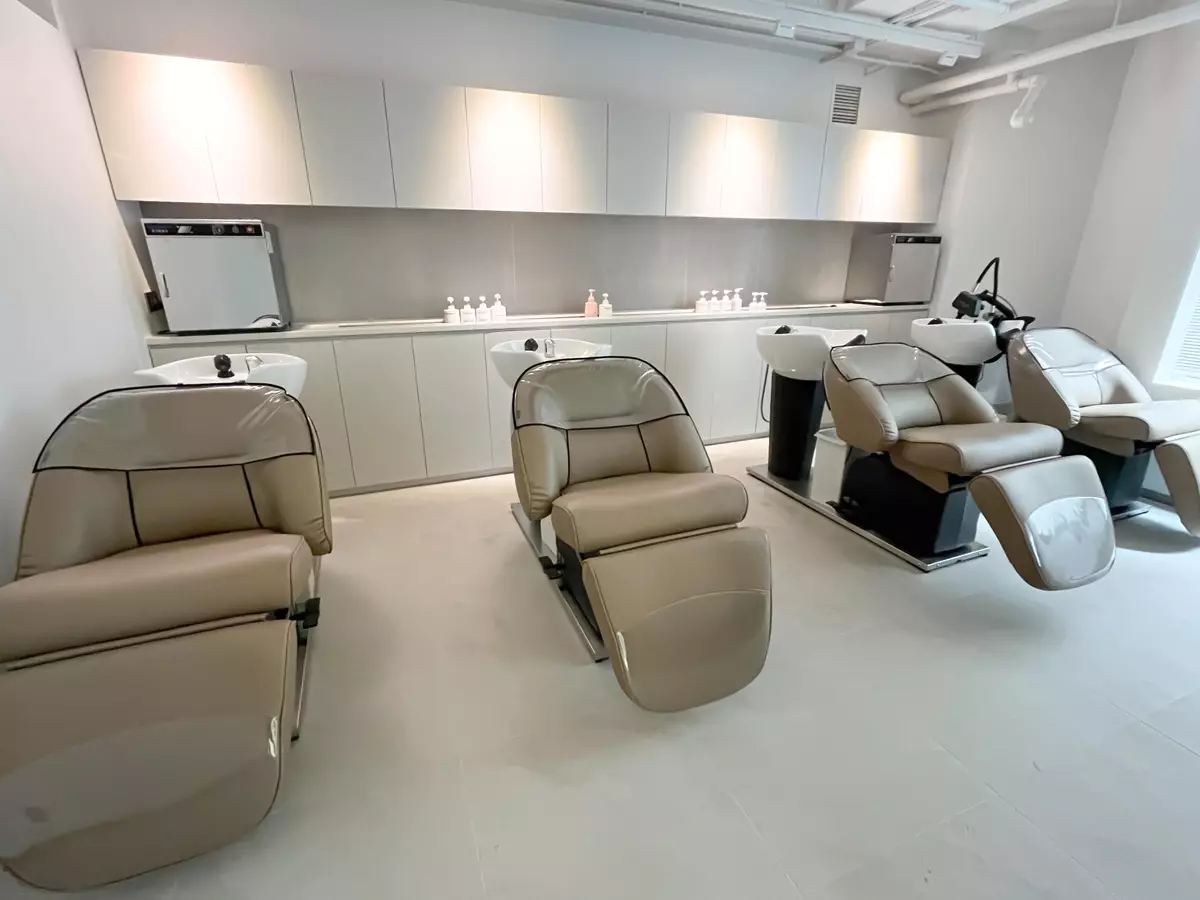
Korean premium hair brand LEEKAJA arrives in Central, establishing Hong Kong regional headquarters for Asian expansion Source: HKSAR Government Press Releases

Korean premium hair brand LEEKAJA arrives in Central, establishing Hong Kong regional headquarters for Asian expansion Source: HKSAR Government Press Releases
Police launch new features on "eTraffic Ticket Platform"
The Hong Kong Police Force (HKPF) launched a series of new features today (June 15) on the "e-Traffic Ticket Platform" ("eTTP") (www.etrafficticket.gov.hk) to facilitate members of the public and the transport sector in handling matters related to electronic traffic fixed penalty notices (FPNs).
The digitalisation of traffic FPNs and the "eTTP" have been operating smoothly since their launch in the middle of last year. To meet the fleet management needs of the transport sector and further facilitate the handling of FPNs against illegal parking by the public, the Police have enhanced the platform system and introduced the following four new features:
(1) Introducing multiple roles
The "eTTP" has introduced multiple roles, such as "Agent", "Agency Company" and "Designated Employee" to facilitate fleet management. Registered vehicle owners or corporate account holders can authorise designated agents or employees to handle FPNs against illegal parking for vehicles under their management, enabling more effective monitoring of the FPN status of the relevant vehicles.
(2) "Vehicle-specific QR Code"
"Vehicle-specific QR Codes" can be generated for download on the "eTTP". Upon scanning the relevant QR code via the "eTTP""s mobile application, on-duty drivers can record their driving hours. If an FPN against illegal parking is issued during that period, the on-duty drivers will receive a push notification from the application, allowing them to view the details and settle fines directly.
This new feature has been integrated with the "HKeToll Commercial Vehicle Driver" mobile application QR code, which was designed by the Transport Department for taxis. By simply scanning the "Vehicle-specific QR code", on-duty drivers can activate both systems simultaneously.
(3) Application for viewing illegal parking photos
Members of the public may apply through the "eTTP" to view photos taken by police officers during the issuance of the FPNs against illegal parking.
(4) Disputing all types of traffic FPNs through the "eTTP"
In addition to existing channels, members of the public can dispute all types of traffic FPNs directly through the "eTTP" and upload supporting documents based on the circumstances of their case. As legal proceedings are involved, identity authentication and digital signing via "iAM Smart+" are required.
To allow sufficient time for members of the public to adapt to the digitalisation of traffic FPNs, the HKPF will continue to maintain the "dual track transitional arrangement" for the time being by issuing both electronic and paper FPNs simultaneously. The HKPF will monitor the implementation status to determine a timetable for full implementation of digitalisation.
The HKPF will also continue to identify and introduce more citizen-centric features to the "eTTP". For more information and relevant user guides of the new features, please visit the dedicated website of the "eTTP" or call the hotline at 181 181.
The HKPF appeals to the public with the following anti-deception tips:
 All traffic FPN SMS messages are issued under the SMS sender name "#HKPF-eTT"; any of those issued from other sender names are fraudulent;
All traffic FPN SMS messages or emails do not contain any hyperlinks. Members of the public should stay vigilant and avoid clicking on any suspicious hyperlinks or providing any personal information; and
The thematic portal of the "eTTP" has a domain ending with ".gov.hk". Websites that do not end with ".gov.hk" are not government websites.
All traffic FPN SMS messages are issued under the SMS sender name "#HKPF-eTT"; any of those issued from other sender names are fraudulent;
All traffic FPN SMS messages or emails do not contain any hyperlinks. Members of the public should stay vigilant and avoid clicking on any suspicious hyperlinks or providing any personal information; and
The thematic portal of the "eTTP" has a domain ending with ".gov.hk". Websites that do not end with ".gov.hk" are not government websites.
Police launch new features on "eTraffic Ticket Platform" Source: HKSAR Government Press Releases