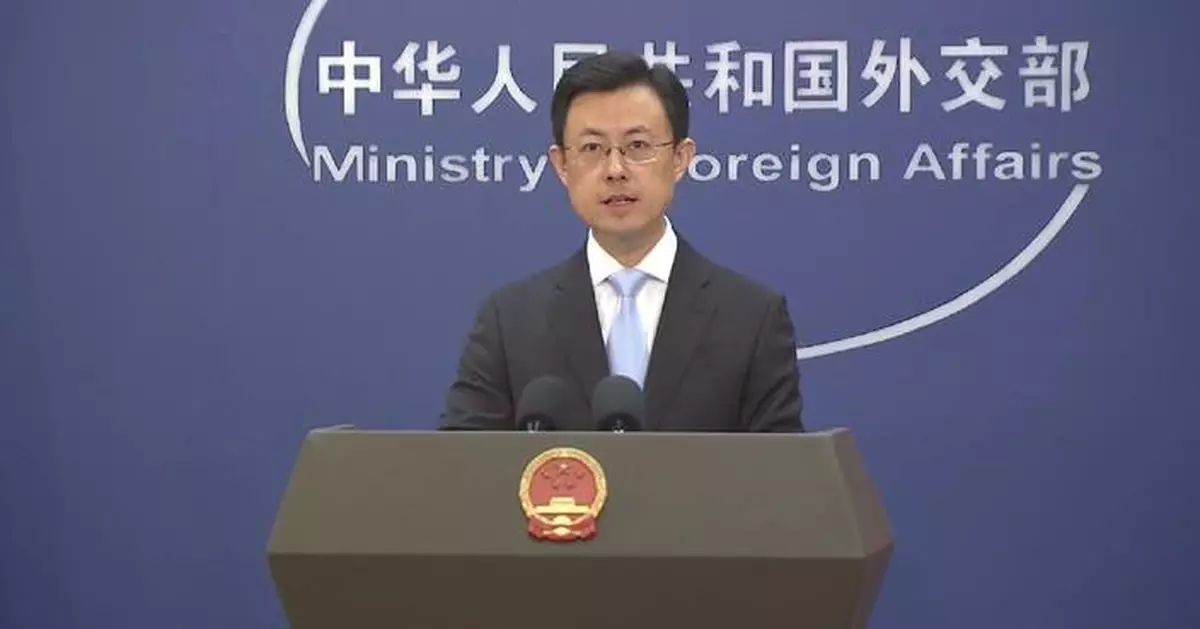
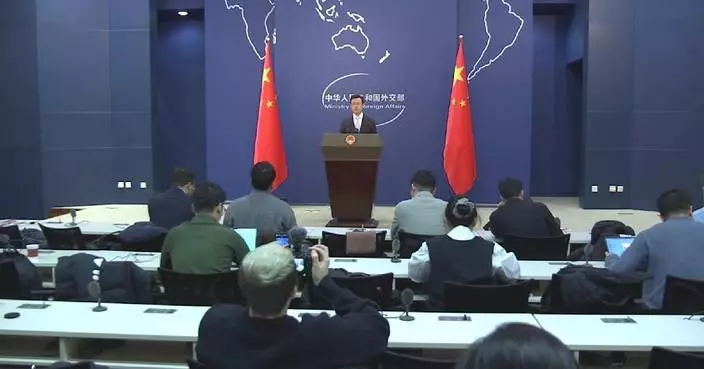
China calls on EU to adopt a forward-looking and open attitude, and to work with China in the same direction to ensure healthy growth of their economic and trade ties -- a relationship characterized by complementarity and shared gains, Foreign Ministry spokesman Guo Jiakun said at a press briefing in Beijing on Wednesday.
"The China-EU economic and trade relations are mutually complementary and win-win in nature. The competitive advantage of Chinese products is not built on subsidies but is the combined result of huge research input, full market competition and the complete industrial chain. We never seek trade surplus; on top of being the world's factory, we hope to be the world's market too. We hope that the EU can have a long-term perspective and open attitude, work with China in the same direction to promote the sustained and sound development of China-EU economic and trade ties," Guo said.
"The Chinese government always encourages and supports willing and capable Chinese companies to invest and do business in Europe based on market principles. We hope the EU can provide a fair, nondiscriminatory, transparent and predictable market environment for Chinese companies," he added.
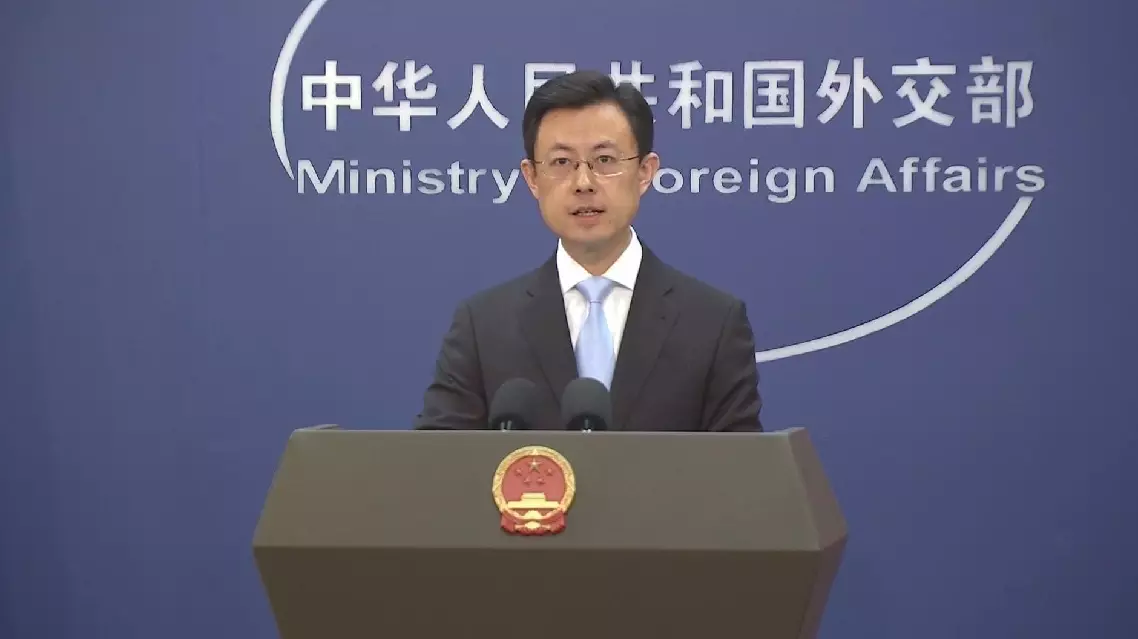
China calls for long-term perspective, open attitude from EU in managing bilateral trade: spokesman
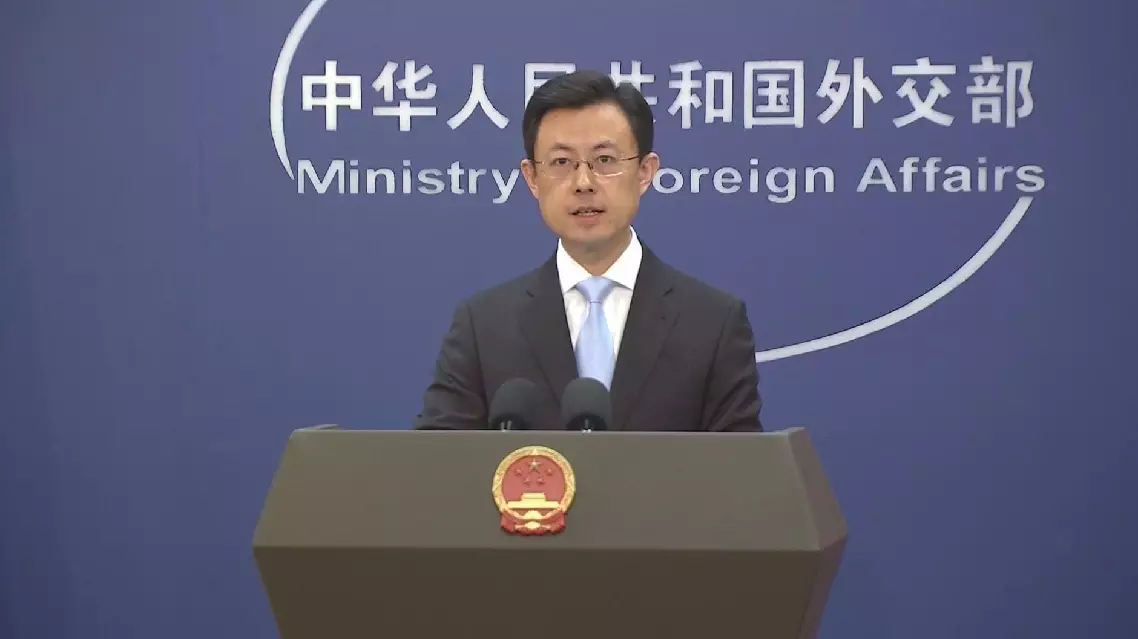
China calls for long-term perspective, open attitude from EU in managing bilateral trade: spokesman
As Portugal's presidential race enters a runoff, voters are voicing frustration over housing, wages, healthcare, and education.
On Sunday, Portugal launched the first major election of Europe's 2026 political calendar. Voters on the streets of Lisbon were focused more on day-to-day issues.
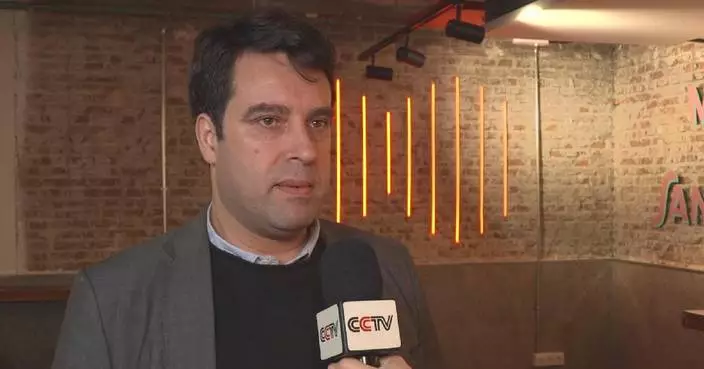
"The issue I carry the most when I'm casting the vote is about our housing prices, because we are having a major crisis. Even for young people, it's really hard to buy our first house. And even renting, the prices in Lisbon are collapsing, even outside, even the outskirts are collapsing. And about our healthcare national system, because it's also collapsing. It's a very complicated issue. And I'm a teacher and when I cast my vote, I need to think about my profession and my future colleagues as well," said Maria.
"I'm concerned about things such as education in Portugal, the healthcare in Portugal, the wages which are pretty low compared to other countries in Europe. Basically for me those are the key points - education, health and wages. And right now, also the cost of living in Portugal is pretty high," said Juan.
Portugal's presidential election will proceed to a second round, with Antonio Jose Seguro leading the first round with 30.69 percent of the votes, according to data released by the General Secretariat of the Ministry of Internal Administration.
Chega party leader Andre Ventura placed second with 26.97 percent of the vote, followed by Luis Marques Mendes of the center-right Social Democratic Party in third place, with 14.82 percent.
The move to a runoff marks the first time in 40 years that a Portuguese presidential election has required a runoff between the two leading candidates.
The runoff vote is scheduled for Feb. 8, with the winner to be determined by a simple majority.
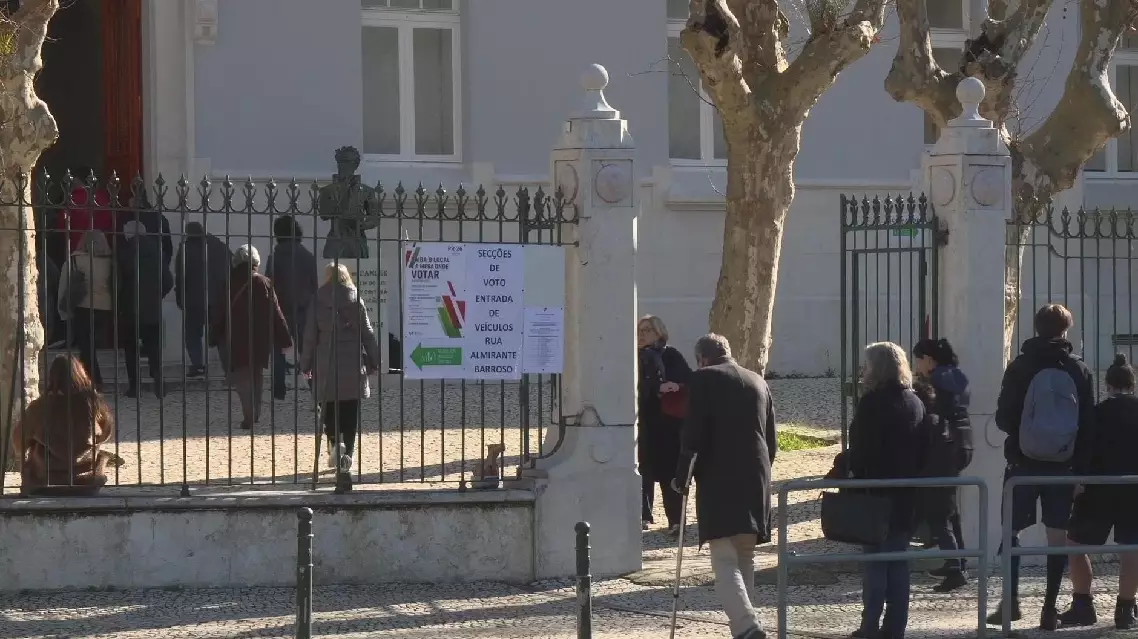
Portuguese voters prioritize housing, wages, healthcare as presidential race heads to runoff