BOGOTA, Colombia (AP) — Chile is reeling from one of its most serious wildfire emergencies in years.
Deadly flames sweeping across central and southern parts of the South American country have turned large swaths of forest and towns to ash, killed at least 20 people, forced tens of thousands from their homes and left families sifting through charred debris.
Click to Gallery
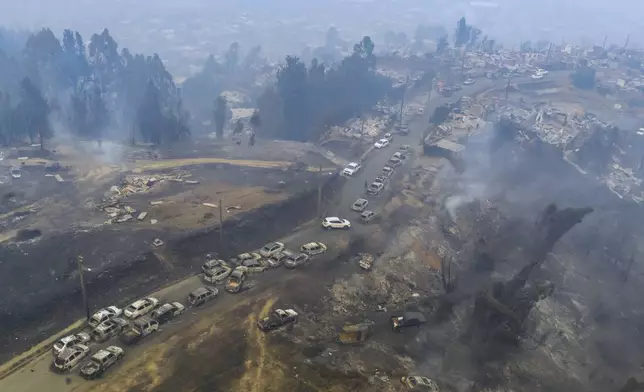
FILE - Damaged vehicles line a road after wildfires swept through residential areas in Lirquen, Chile, Jan. 18, 2026. (AP Photo/Javier Torres, File)
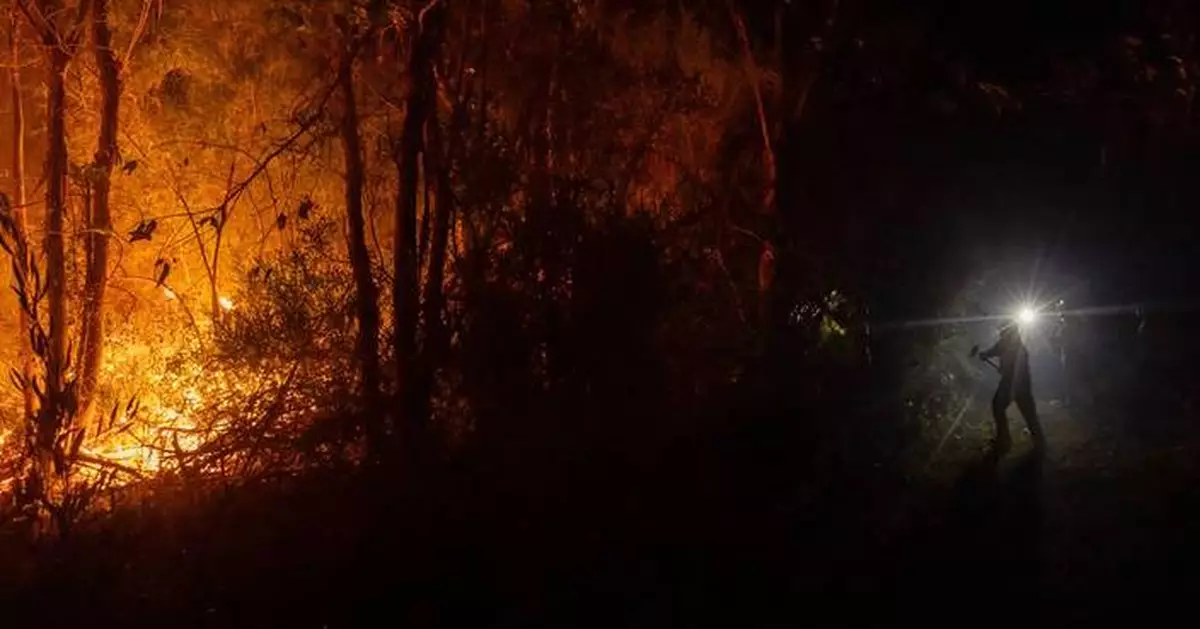
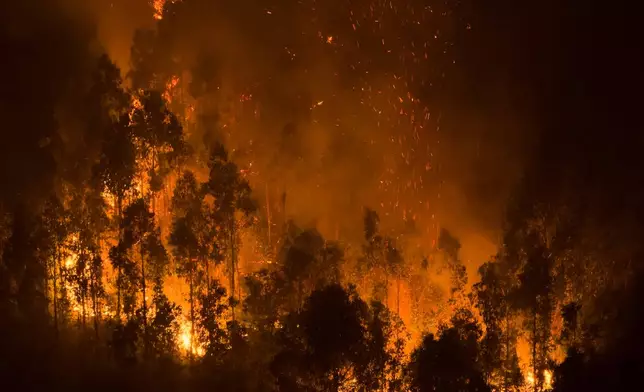
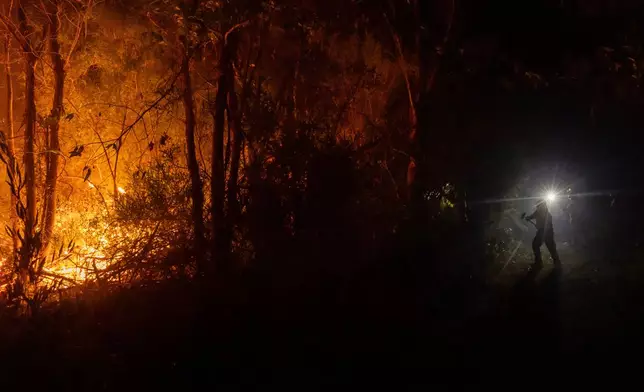
FILE - Wildfires burn near Concepcion, Chile, Jan. 19, 2026. (AP Photo/Javier Torres, File)
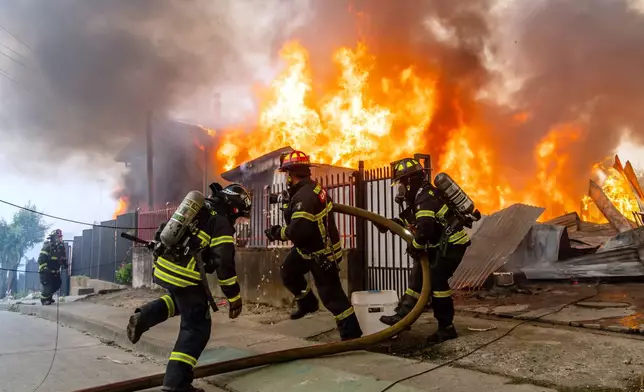
FILE - Firefighters battle a blaze at a house as wildfires burn in Lirquen, Chile, Jan. 18, 2026. (AP Photo/Javier Torres, File)
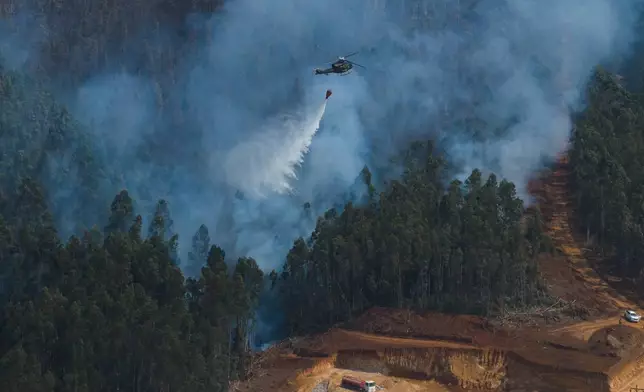
FILE - A helicopter drops water to battle wildfires near Concepcion, Chile, Jan. 19, 2026. (AP Photo/Javier Torres, File)
FILE - Firefighters battle a wildfire spreading through a forested area near Concepcion, Chile, Tuesday, Jan. 20, 2026. (AP Photo/Javier Torres, File)
Fire scientists say the blazes are being driven not only by extreme heat, drought and wind, but also by how human-shaped landscapes interact with changing climates — a lethal mix that makes fires harder to control.
The fires began around mid-January in the Biobio and Nuble regions, roughly 500 kilometers (300 miles) south of the capital, Santiago. Within days, deaths were reported, more than 50,000 residents had evacuated and firefighters were battling more than a dozen active blazes. The government declared a state of catastrophe — a rare emergency designation allowing for military coordination in firefighting efforts.
The fires have razed forests, farmland and hundreds of homes. In towns such as Penco and Lirquen, families confronted scenes of destruction — roofs collapsed, vehicles melted into twisted frames and community buildings reduced to rubble.
What distinguishes Chile’s current fire season isn't an unusual surge in the number of fires, but the amount of land they are burning.
“We are living a particularly critical situation that is very far from the usual averages that are normally seen in wildfire seasons,” said Miguel Castillo, director of the Forest Fire Engineering Laboratory at the University of Chile.
Castillo said Chile is “almost tripling the amount of affected area,” even though the number of fires so far is “within normal margins, even below average.” That means fewer ignitions are causing far greater damage — a pattern increasingly seen in extreme wildfire seasons around the world.
“This is a huge challenge for firefighters,” Virginia Iglesias, director of Earth Lab at the University of Colorado Boulder and a fire scientist and statistician, told The Associated Press.
Iglesias said that the emergency involves fires of different sizes, often advancing toward communities at once.
Chile is emerging from more than a decade of severe drought, leaving vegetation unusually dry. High summer temperatures and strong, shifting winds have further increased the risk.
“The hotter and drier things are the more of the fuel becomes available to burn,” said Mark Cochrane, a fire ecologist at the University of Maryland's Center for Environmental Science, who studies wildfires globally.
“Wind leans the flames over and transfers more heat in the direction of the wind. It also oxygenates the fire, so the fires combust more fuel more quickly raising the intensity.”
Iglesias described wildfire risk as a simple “recipe” with three ingredients: ignition, fuel and dry conditions. While fires have long been part of Chile’s ecosystems, she said, human activity has altered all three elements.
“Those winds are very erratic and very intense,” she said, adding that this affects not just how large fires become, but “how fast it’s going to move across the landscape.”
Alejandro Miranda, a researcher at Chile’s Center for Climate and Resilience Research, said wildfire behavior depends on several interacting factors: ignition, climate conditions, topography and the amount and continuity of burnable vegetation.
Chile’s prolonged drought — now more than a decade long — has dried forests and plantations alike, Miranda said, creating conditions that favor rapid fire spread. He said that recent extreme fire seasons, including those in 2017 and 2023, coincided with record high temperatures and rainfall deficits of more than 30% below historical averages.
“These conditions are the ones that are projected to become more intense in the future,” Miranda said.
Large areas of central and southern Chile are dominated by industrial pine and eucalyptus plantations, grown for timber and pulp. Fire experts say these landscapes play a major role in how fires behave once they start.
“Plantations facilitate the rapid spread of fire,” Castillo said.
Miranda said that plantations tend to have a high fuel load, large continuous areas of similar-aged trees and abundant dead vegetation on the ground. When plantations aren't actively managed, branches beneath the canopy can create a vertical “ladder,” allowing flames to climb into treetops and generate high-intensity crown fires.
Cochrane said that pine and eucalyptus “are very flammable and will build up more fuels over time,” and that these fires often send burning embers far ahead of the main blaze.
“It isn’t usually the direct fire that ignites homes,” Cochrane said. “It is embers landing everywhere.”
Castillo said those wind-blown embers can ignite new fires behind containment lines, making suppression extremely difficult, especially in steep terrain and strong winds.
Native forests, by contrast, tend to be more diverse and, in many areas, more humid, which can slow fire spread.
Nearly all wildfires in Chile are caused by human activity, whether intentional or through negligence, experts said. Iglesias said that humans add ignitions through power lines, recreation and infrastructure, and that human-caused ignitions can extend the fire season, because they aren't limited to lightning or storms.
The environmental impacts extend well beyond burned trees. Iglesias said smoke degrades air quality and poses serious health risks, especially for vulnerable populations, often far from the flames. After fires, soils can become water-repellent, increasing runoff, floods and landslides — what scientists call “cascading hazards.” Sediment can also contaminate rivers and raise the cost of treating drinking water.
Miranda warned that fires can permanently alter ecosystems. After intense burns, invasive species such as pine can regenerate rapidly, replacing native forests and increasing future fire risk.
Looking ahead, Iglesias emphasized that while firefighting is essential, prevention matters more.
She said that reducing ignitions, managing fuels, addressing climate change and redesigning communities — including defensible space around homes — are all critical steps.
“These are very concrete actions that we can take to reduce the fire problem,” Iglesias said.
The Associated Press’ climate and environmental coverage receives financial support from multiple private foundations. AP is solely responsible for all content. Find AP’s standards for working with philanthropies, a list of supporters and funded coverage areas at AP.org.
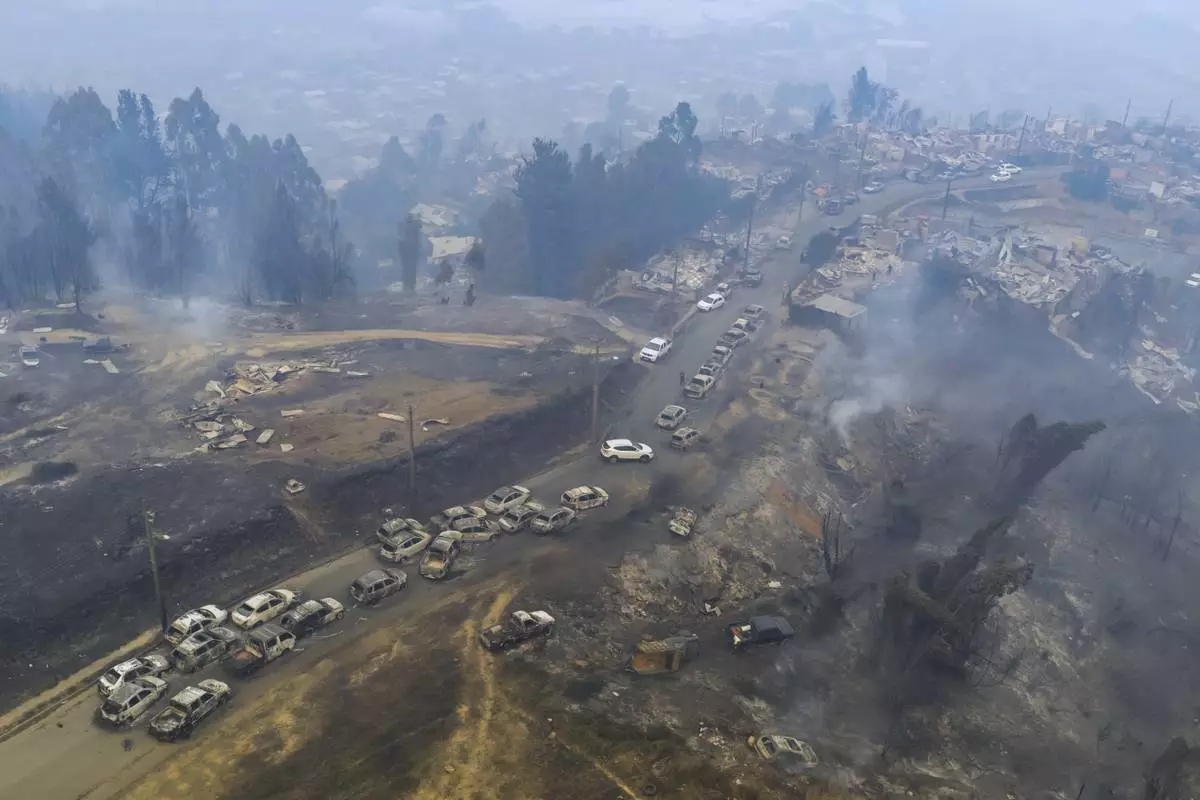
FILE - Damaged vehicles line a road after wildfires swept through residential areas in Lirquen, Chile, Jan. 18, 2026. (AP Photo/Javier Torres, File)
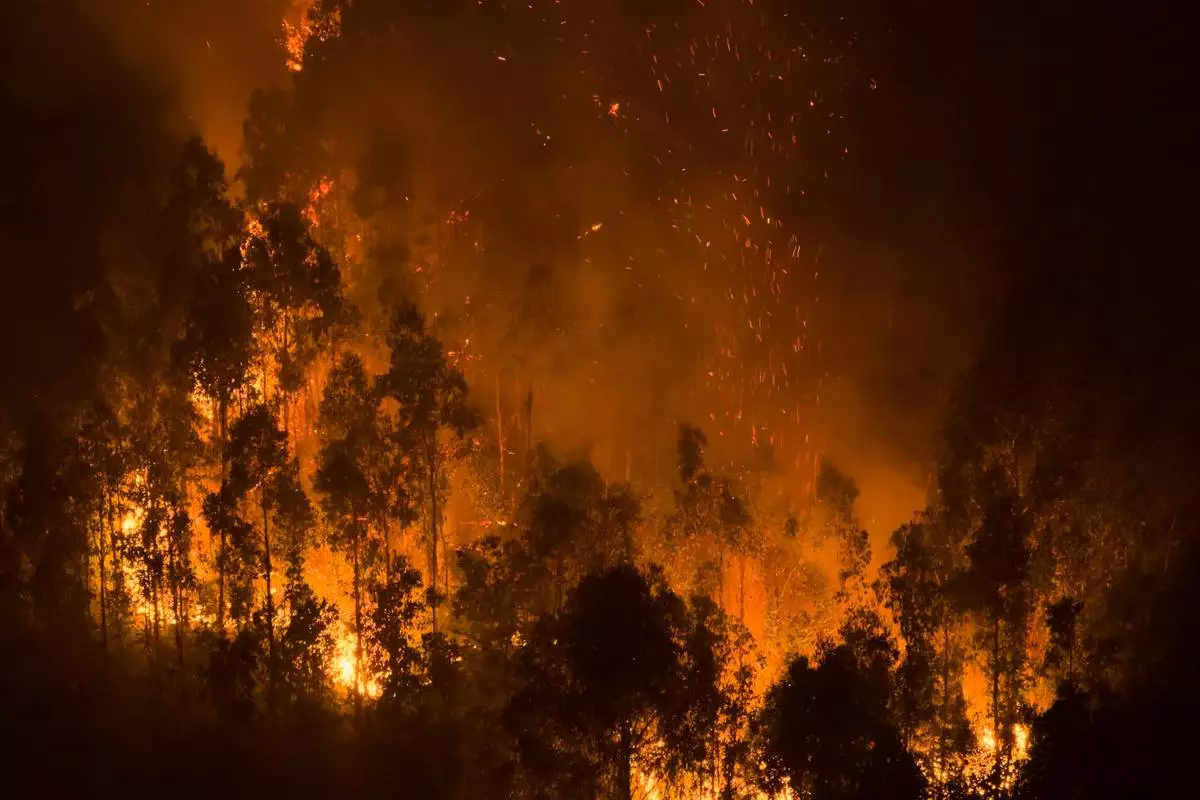
FILE - Wildfires burn near Concepcion, Chile, Jan. 19, 2026. (AP Photo/Javier Torres, File)
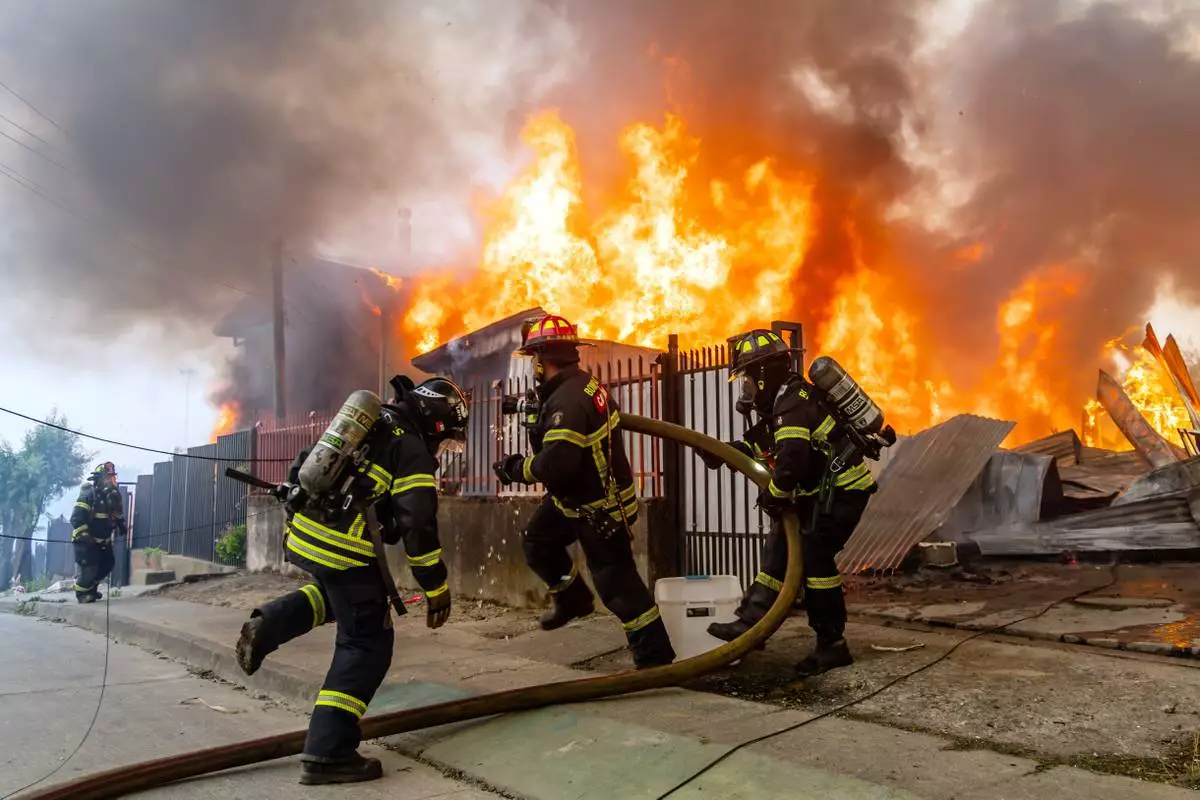
FILE - Firefighters battle a blaze at a house as wildfires burn in Lirquen, Chile, Jan. 18, 2026. (AP Photo/Javier Torres, File)
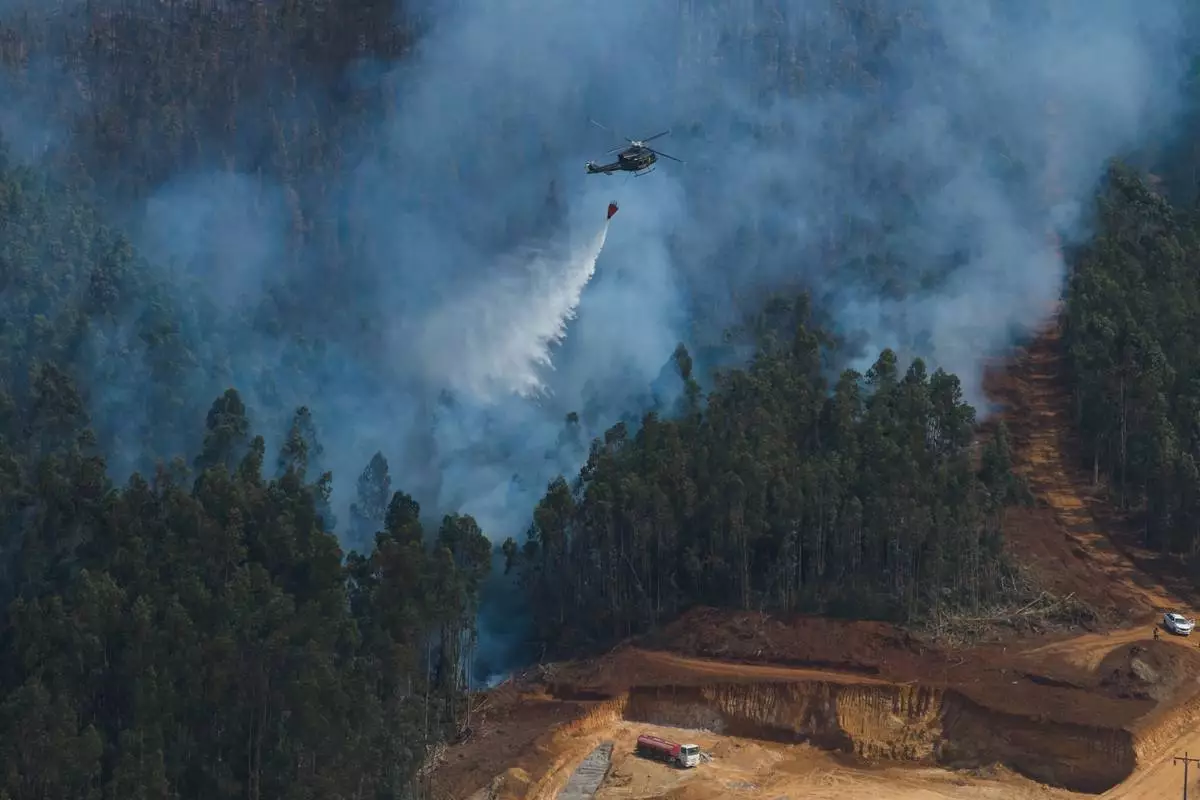
FILE - A helicopter drops water to battle wildfires near Concepcion, Chile, Jan. 19, 2026. (AP Photo/Javier Torres, File)
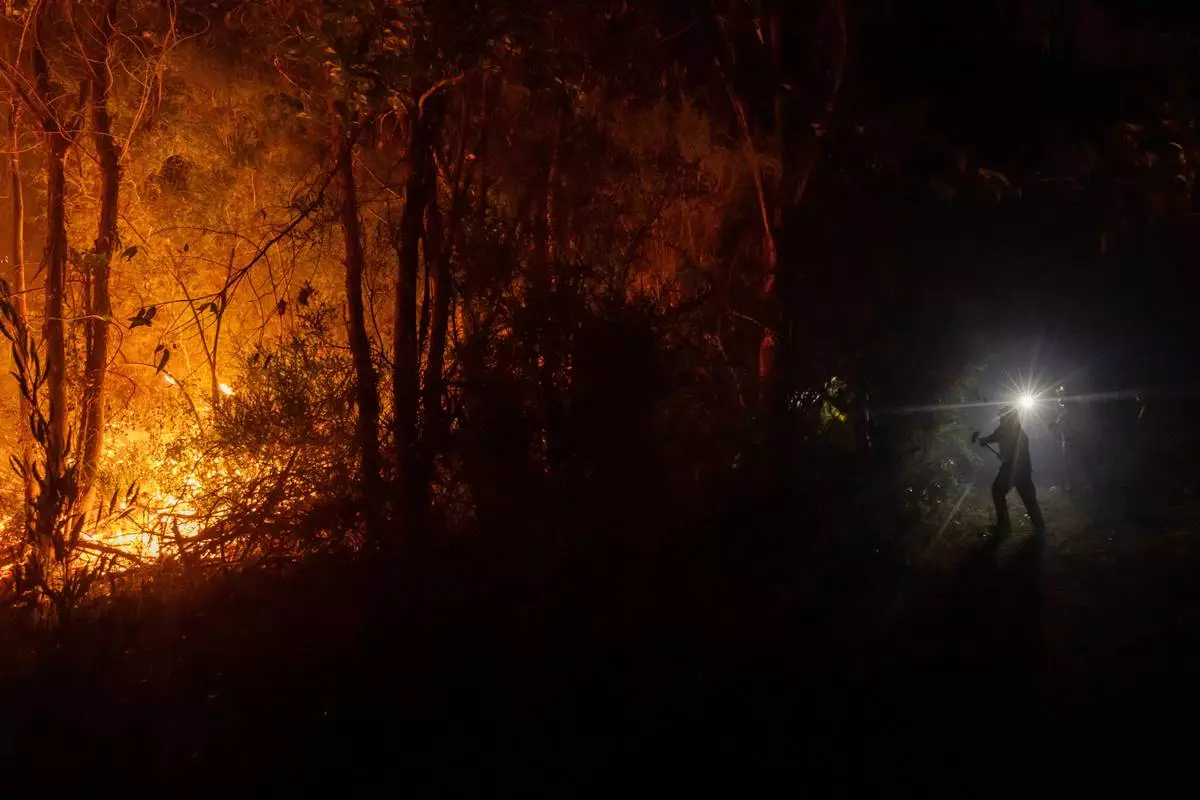
FILE - Firefighters battle a wildfire spreading through a forested area near Concepcion, Chile, Tuesday, Jan. 20, 2026. (AP Photo/Javier Torres, File)
DUBAI, United Arab Emirates (AP) — Iran attacked commercial ships on Wednesday across the Persian Gulf and targeted Dubai International Airport, escalating a campaign of squeezing the oil-rich region as global energy concerns mounted and American and Israeli airstrikes pounded the Islamic Republic.
Two Iranian drones hit near Dubai International Airport, home to the long-haul carrier Emirates and the world’s busiest for international travel. Four people were wounded but flights continued, the Dubai Media Office said.
Iran's joint military command announced it would start targeting banks and financial institutions in the Middle East. That would put at risk particularly Dubai, in the United Arab Emirates, which is home to many international financial institutions, as well as Saudi Arabia and the island kingdom of Bahrain.
Earlier, a projectile hit a Thai cargo ship off the coast of Oman in the Strait of Hormuz, setting it ablaze. Authorities are searching for three missing crew members from the Mayuree Naree after 20 were rescued by the Omani navy, according to Thailand’s Marine Department.
Kuwait said its defenses downed eight Iranian drones and Saudi Arabia said it intercepted five heading toward the kingdom’s Shaybah oil field.
Iran has effectively stopped cargo traffic in the narrow strait through which about a fifth of all oil is shipped. It has also targeted oil fields and refineries in Gulf Arab nations, aiming at generating enough global economic pain to pressure the United States and Israel to end their strikes.
The U.N. Security Council was to vote later Wednesday on a resolution sponsored by the Gulf Cooperation Council demanding Iran stop attacking its Arab neighbors.
Witnesses reported continuous airstrikes hitting Tehran after Israel said it had renewed its attacks. Explosions were also heard in Beirut and in southern Lebanon after Israel said it was hitting targets connected to Iran-backed Hezbollah militants.
The attacks set a building ablaze in central Beirut's densely populated Aicha Bakkar area, engulfing the top two floors. There were no immediate reports of casualties.
Other Israeli strikes on southern and eastern Lebanon killed 14 people, and a Red Cross worker also died Wednesday of wounds sustained Monday, when his team was hit by an Israeli strike while they were rescuing people from an earlier attack.
More than 500 people have been killed so far in Lebanon since Hezbollah triggered the latest round of fighting with Israel after the United States and Israel began the wider war with their surprise bombardment of Iran.
Israel warned of three Iranian attacks early Wednesday, with sirens heard in Tel Aviv and elsewhere but no immediate reports of casualties.
Saudi Arabia said it had destroyed six ballistic missiles launched toward Prince Sultan Air Base, a major U.S.- and Saudi-operated facility, and intercepted two drones over the eastern city of Hafar al-Batin.
The United Kingdom Maritime Trade Operations center, run by the British military, reported an attack on a container ship off the United Arab Emirates, saying the “extent of the damage is currently unknown but under investigation by the crew.” Another ship was hit by a projectile in the Persian Gulf, it said. The crew was reported safe.
The ship attacks follow intense American airstrikes targeting Iranian navy assets and the port city of Bandar Abbas on Tuesday.
Qatar, Oman, Bahrain and the UAE were working to shoot down Iranian missiles and drones.
The Iranian threat against financial institutions did not identify any specifically. It came after a Tehran location of Bank Sepah, the state-owned financial institution sanctioned by the U.S. over funding its armed forces, came under attack early Wednesday, killing staffers there, the state-run IRNA news agency reported.
At the United Nations, the Security Council was to vote Wednesday afternoon on the Gulf Cooperation Council resolution, according to three diplomats speaking on condition of anonymity ahead of an official announcement.
The draft resolution, obtained by The Associated Press, condemns Iran’s attacks on Bahrain, Kuwait, Oman, Qatar, Saudi Arabia, the UAE and Jordan. The measure calls for an immediate end to all strikes and threats against neighboring states, including through proxies.
It would be the first Security Council resolution considered since the start of the war on Feb. 28.
Oil prices remained well below Monday's peaks but the price of Brent crude, the international standard, was still up some 20% Wednesday from when the war began, and consumers around the world are already feeling the pain at the pump.
The spike in oil prices has been rocking financial markets worldwide because of worries that a prolonged war could hinder exports from a critical region.
The U.S. military said Tuesday it had destroyed 16 Iranian minelayers near the Strait of Hormuz, though U.S. President Donald Trump said in social media posts that there were no reports yet of Iran mining the passage.
If the strait is mined, it could take at least weeks to clean it up once the conflict is over.
Some tankers, believed linked to Iran, are continuing to get through the strait making so-called “dark” transits -- meaning they aren’t turning on their Automatic Identification System trackers, which show where vessels are. Vessels carrying sanctioned Iranian crude often turn off their AIS trackers.
The security firm Neptune P2P Group said Wednesday there had been seven ships pass through the strait since March 8. Of them, five were linked to Iranian-associated shipping, it said. In ordinary times the strait typically sees 100 ships or more transit daily from the Persian Gulf into the Gulf of Oman.
Meanwhile, the commodity-tracking firm Kpler said Iran has restarted crude exports through its Jask oil terminal on the Gulf of Oman. A tanker loaded roughly 2 million barrels at Jask on March 7, it said.
Concerns are growing over the health of Iran’s new Supreme Leader Ayatollah Mojtaba Khamenei after comments about him “being injured.”
The 56-year-old Khamenei — the son of the late Supreme Leader Ayatollah Ali Khamenei — has not been seen since becoming supreme leader on Monday. His father and wife both were killed in an Israeli airstrike on the first day of the conflict.
In addition to the more than 500 killed in Lebanon, Iran has said that more than 1,300 people have been killed there and Israel has reported 12 people dead.
The U.S. has lost seven soldiers while another eight have suffered severe injuries.
Many foreign nationals have been getting out of the Persian Gulf region since the war began, including over 45,000 U.K. citizens, the British Foreign Office said. Some 40,000 people returned to the United States, according to the State Department.
Magdy reported from Cairo, and Rising from Bangkok. Associated Press writers Sally Abou AIJoud in Beirut, Giovanna Dell’Orto in Miami, Jintamas Saksornchai in Bangkok and Edith M. Lederer at the United Nations contributed to this story.

A man holds a picture of late Defense Minister Aziz Nasirzadeh beside his coffin as mourners attend the funeral procession for senior Iranian military officials and civilians killed during the U.S.-Israel campaign in Tehran, Iran, Wednesday, March 11, 2026. (AP Photo/Vahid Salemi)

A mourner holds a poster depicting Ayatollah Mojtaba Khamenei, right, the successor to his late father Ayatollah Ali Khamenei, left, as supreme leader, during the funeral procession for senior Iranian military officials and civilians killed during the U.S.-Israel campaign in Tehran, Iran, Wednesday, March 11, 2026. (AP Photo/Vahid Salemi)
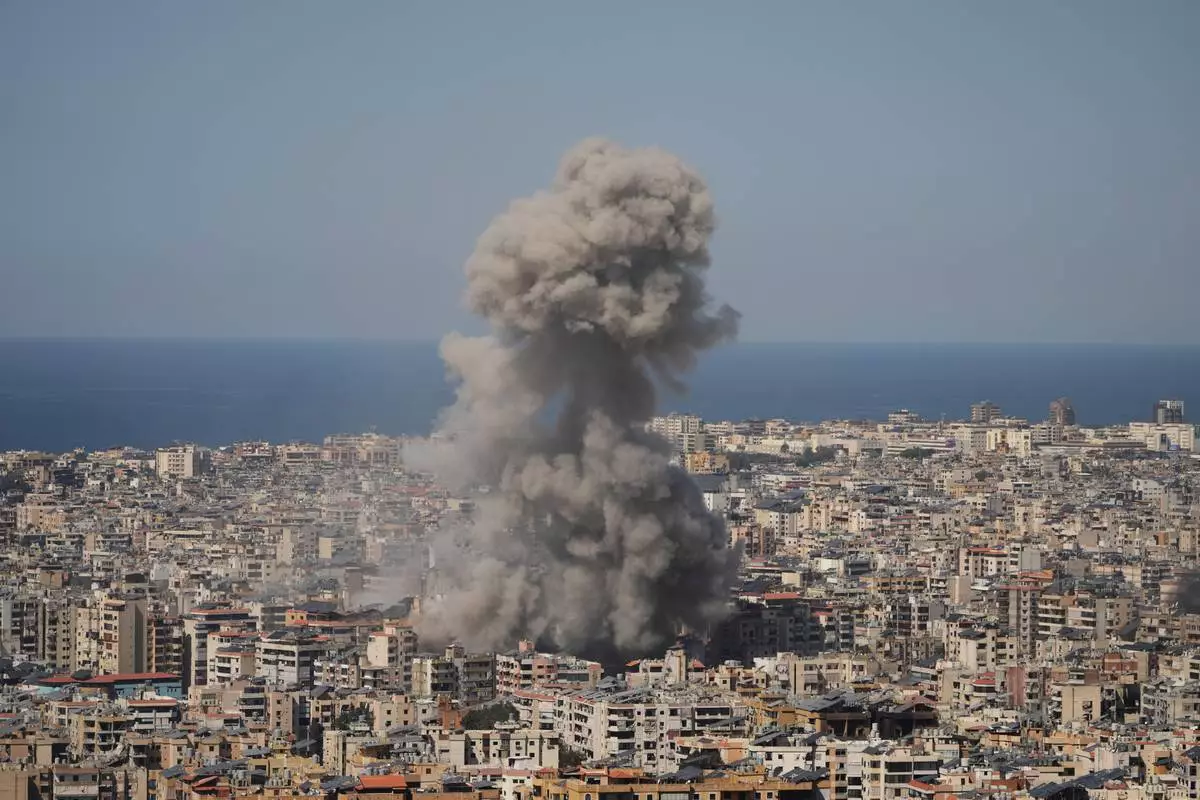
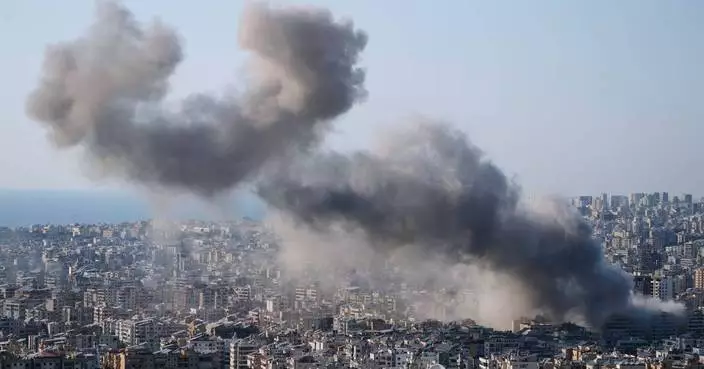
Smoke rises from a building following an Israeli airstrike in Dahiyeh, Beirut's southern suburb, Wednesday, March 11, 2026. (AP Photo/Hassan Ammar)
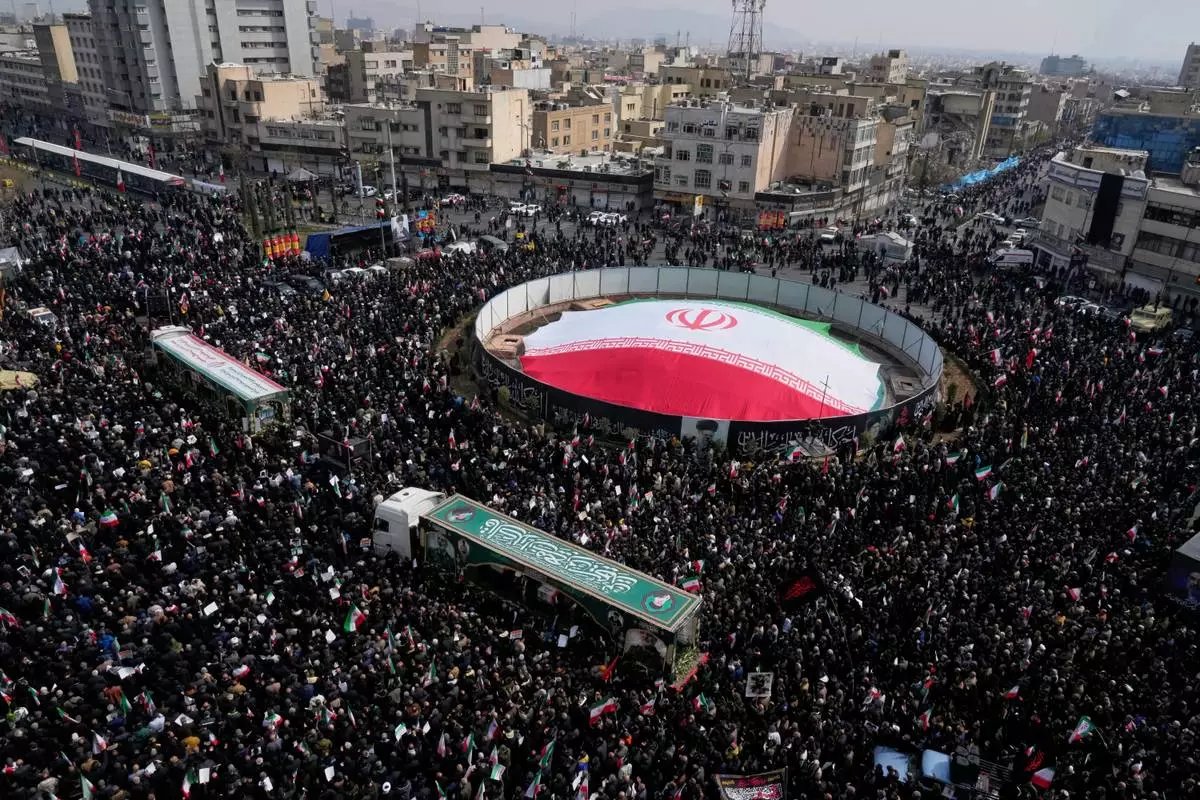
Mourners attend the funeral procession for senior Iranian military officials and some civilians killed during the U.S.-Israel campaign, in Tehran, Iran, Wednesday, March 11, 2026. (AP Photo/Vahid Salemi)

FILE - A plume of smoke rises after a strike in Tehran, Iran, Monday, March 2, 2026. (AP Photo/Mohsen Ganji, File)

Rescue workers gather at the site where Israeli airstrikes hit apartments in Beirut, Lebanon, Wednesday, March 11, 2026. (AP Photo/Hussein Malla)
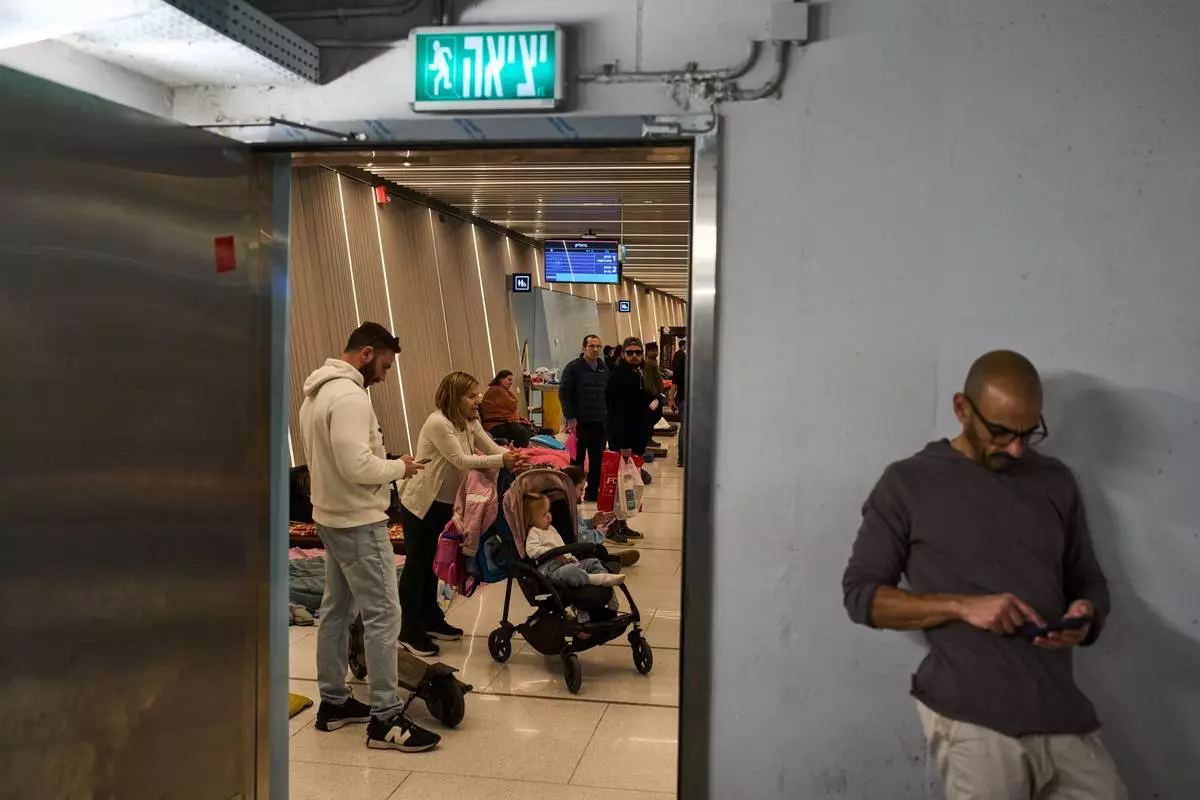
People take shelter in an underground metro station as air raid sirens warn of incoming Iranian missile strike, in Ramat Gan, Israel, Tuesday, March 10, 2026. (AP Photo/Oded Balilty)
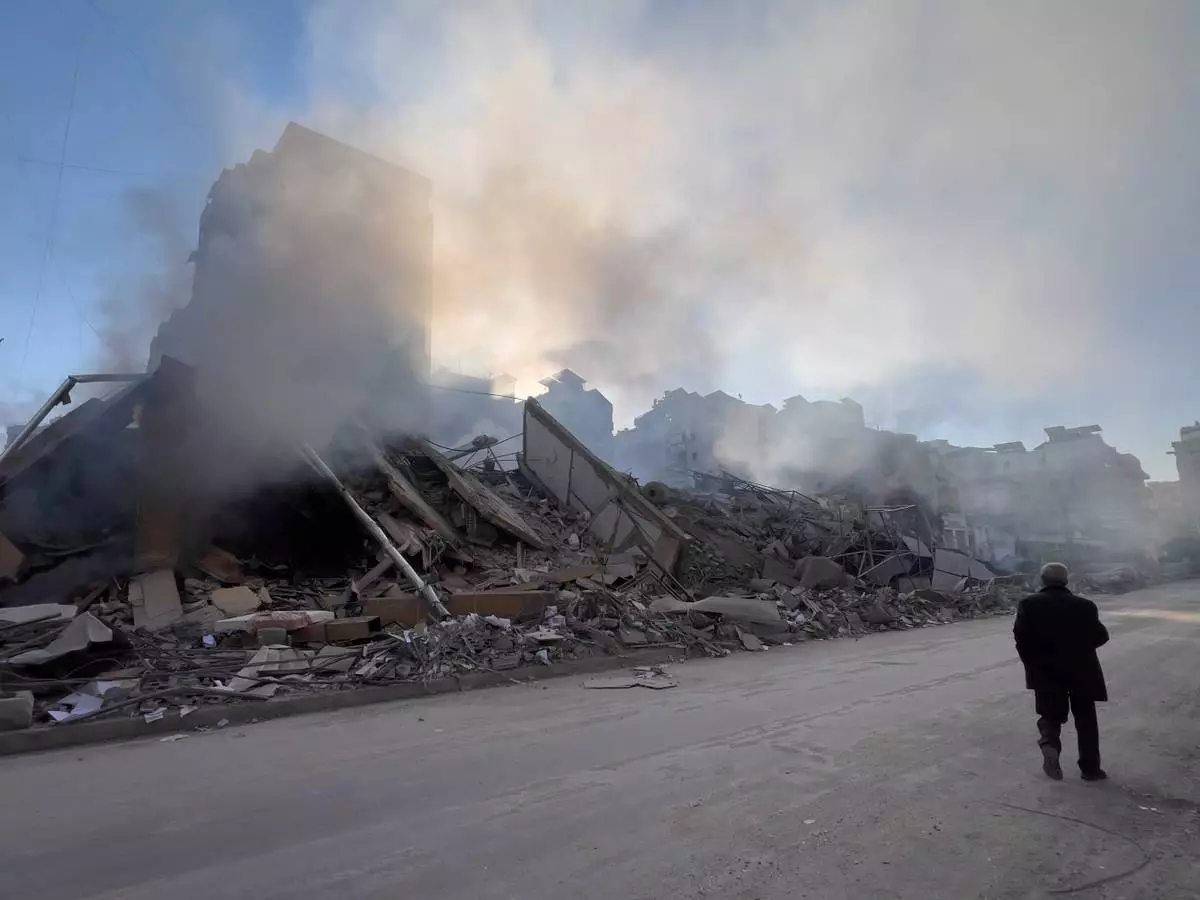
A man passes in front of a destroyed building that housed a branch of Al-Qard Al-Hassan, a non-bank financial institution run by Hezbollah, which was hit by an Israeli airstrike in Dahiyeh, Beirut's southern suburbs, Lebanon, Tuesday, March 10, 2026. (AP Photo/Hussein Malla)
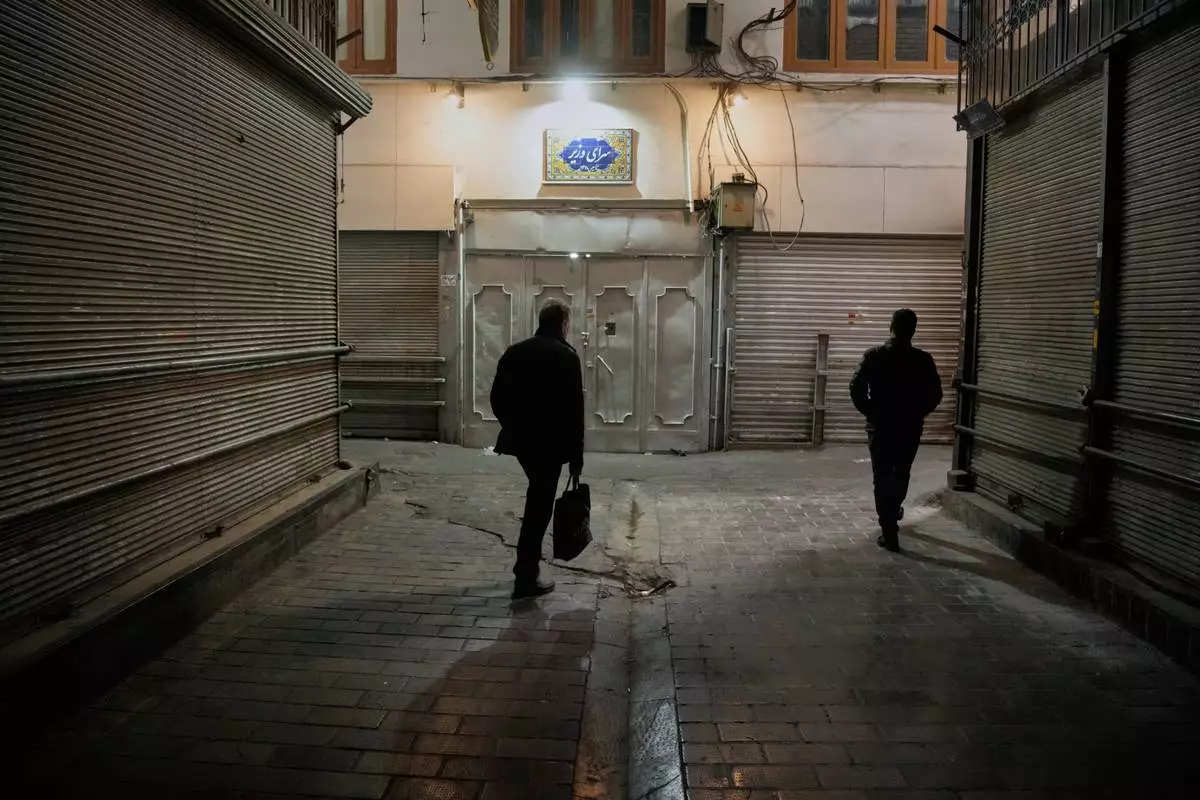
People walk past closed shops at the nearly empty traditional main bazaar in Tehran, Iran, Tuesday, March 10, 2026. (AP Photo/Vahid Salemi)
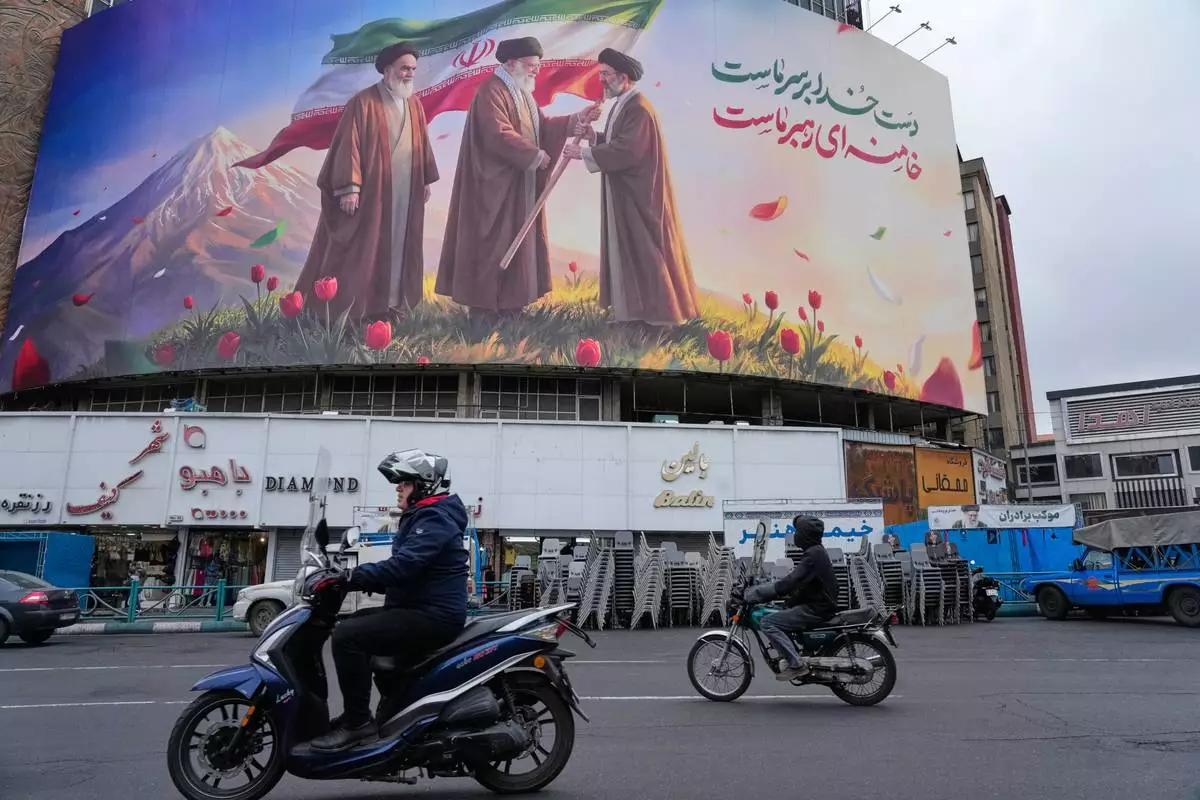
Motorbikes drive past a billboard depicting Iran’s late Supreme Leader Ayatollah Ali Khamenei, center, handing the country’s flag to his son and successor Ayatollah Mojtaba Khamenei, right, as the late revolutionary founder Ayatollah Ruhollah Khomeini stands at left, in a square in downtown Tehran, Iran, Tuesday, March 10, 2026. (AP Photo/Vahid Salemi)

Smoke rises from an Israeli airstrike in Dahiyeh, Beirut's southern suburbs, Lebanon, Tuesday, March 10, 2026. (AP Photo/Bilal Hussein)