The director general of the International Atomic Energy Agency (IAEA) Rafael Grossi has urged Iran to restore inspector access to key nuclear sites, emphasizing that cooperation is a binding obligation under the Non‑Proliferation Treaty.
Iran has suspended cooperation with the IAEA since last June after the agency failed to condemn attacks launched by Israel and the U.S. on Iranian nuclear sites and citing concerns about the safety of its facilities and scientists.
Israel carried out surprise airstrikes on several locations in Iran on June 13 last year, including on nuclear and military sites, killing senior commanders, nuclear scientists, and civilians. The attacks triggered a 12-day conflict during which U.S. forces subsequently bombed the Natanz, Fordow, and Isfahan nuclear facilities.
The IAEA has constantly demanded that Iran provide the agency's inspectors with access to its bombed nuclear facilities. However, Iran's atomic chief on Thursday urged the UN nuclear watchdog to clarify its stance on the June attacks, according to a report by the Iranian state news agency IRNA.
Mohammad Eslami, president of the Atomic Energy Organization of Iran, said Tehran had sent a letter to Rafael Grossi, director general of the International Atomic Energy Agency (IAEA), insisting the agency "should determine its position on the aggression against Iran's nuclear facilities."
He added that the IAEA must establish inspection protocols for sites targeted in military strikes, warning that such attacks could pose environmental hazards.
The remarks followed Grossi's comments on Tuesday at the World Economic Forum (WEF) in the Swiss Alpine town of Davos, where he expressed concern over the standoff with Iran regarding accounting for its highly enriched uranium stockpile and inspecting bombed nuclear facilities, saying, "this cannot go on forever."
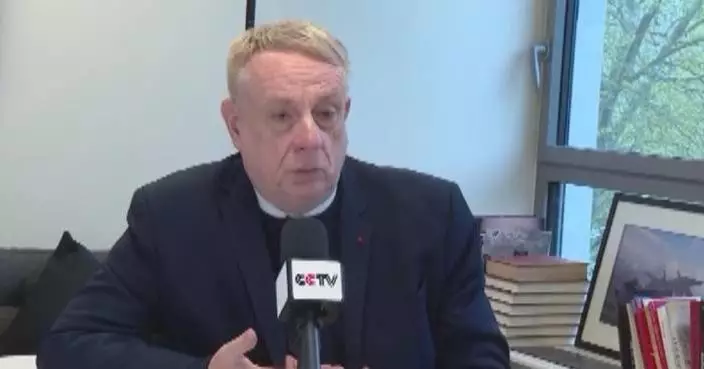
In an interview with the China Global Television Network (CGTN) on the sidelines of the Davos forum, Grossi stressed that inspectors have been barred from Iran's nuclear sites since last year's military strikes. He said the loss of access has prevented the agency from verifying whether sensitive nuclear material remains peaceful.
"We all know that this needs to be solved in one way or the other. We need to get access again. And I don't think even Iran would deny this. The problem is that they are not doing it, they are putting conditions, they're coming up with certain positions which are for us not accurate. But it is absolutely necessary. Why? Because after the 12-day war and with all the consequences that came with it, one was of course the loss of access for our inspectors in some places, in particular the most sensitive places, Isfahan, Fordow, Natanz, places that were hit during this military campaign. And this coincides obviously with the most sensitive equipment and facilities that Iran used to have. And importantly, the nuclear material, which is still there," said Grossi.
Grossi said the IAEA must identify the nuclear material and verify it has not been diverted or hidden, but inspectors have been unable to do so. He expressed the hope that Iran would grant them as much freedom of access as possible.
"I say it respectfully, it's an obligation for Iran, for as long as they want to remain as a party to the Treaty on the Nonproliferation of Nuclear Weapons. If they decide otherwise, it's another story. But you cannot be in a regime, you cannot say that you are a law-abiding citizen and not pay your taxes. Let me put it that way. They have to comply with this. And so we can reconstruct tis relationship on a normal footing," he said.
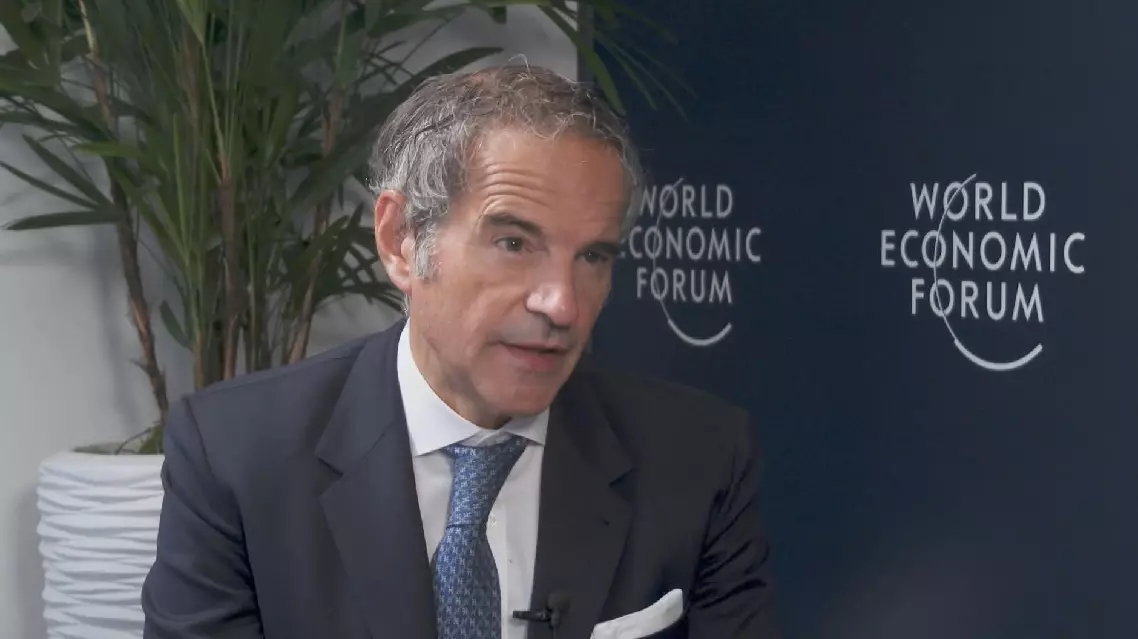
IAEA chief calls for restoration of nuclear inspection access in Iran
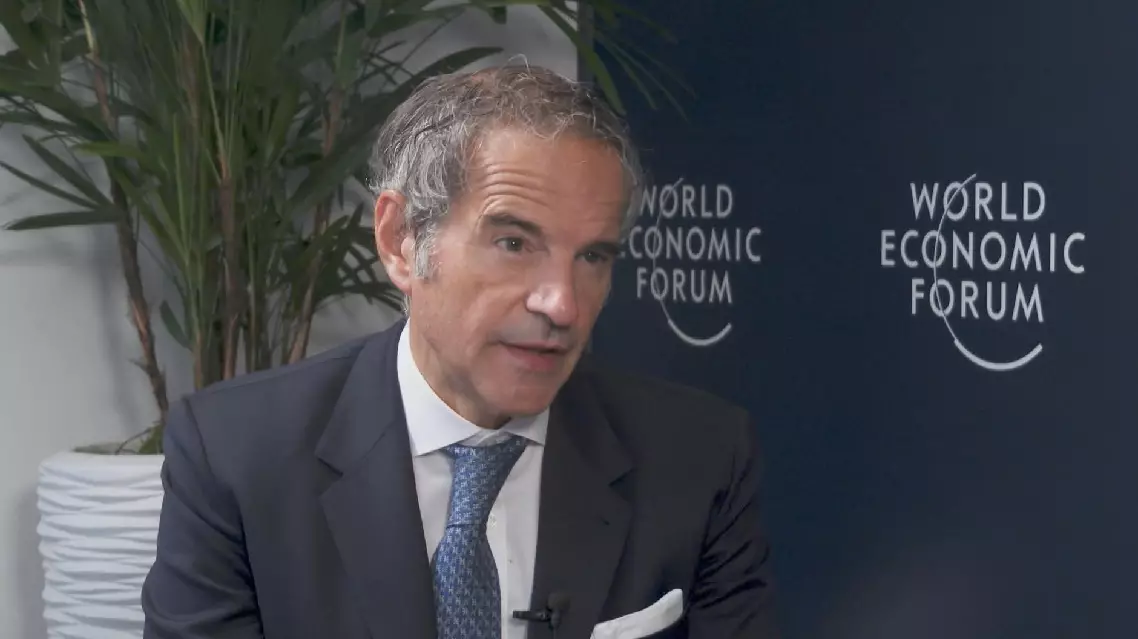
IAEA chief calls for restoration of nuclear inspection access in Iran