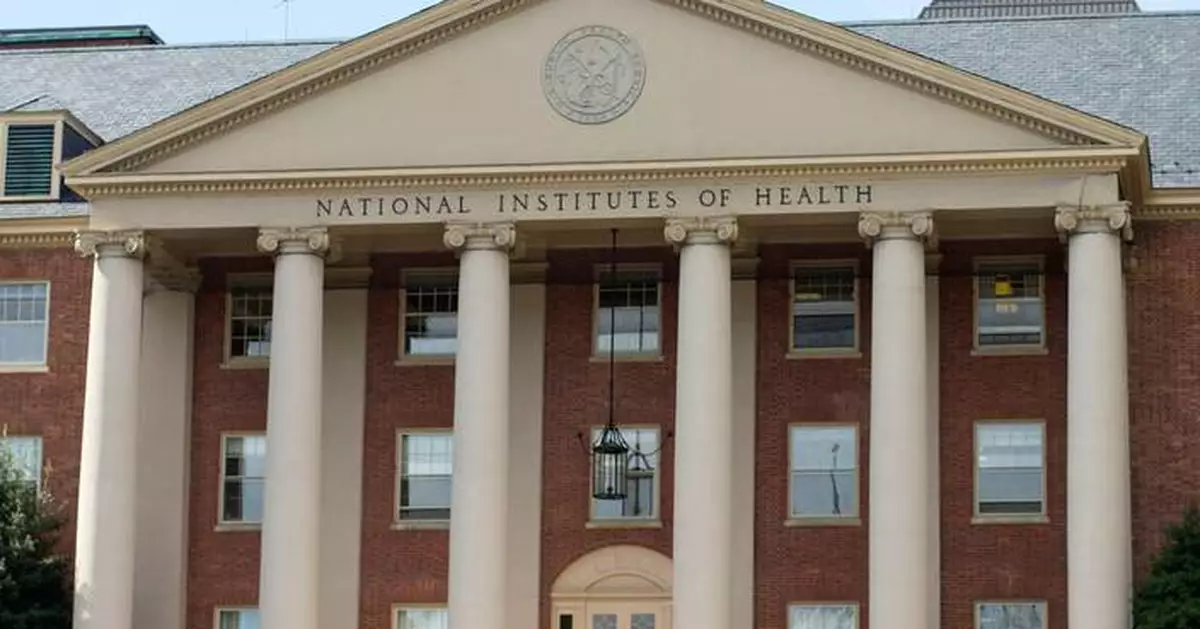
The Trump administration announced Thursday that human fetal tissue derived from abortions can no longer be used in research funded by the National Institutes of Health.
The policy, long urged by anti-abortion groups, expands restrictions issued during President Donald Trump’s first term.
The government has funded research involving fetal tissue for decades, under both Republican and Democratic administrations. The tissue, which otherwise would be thrown away, has been critical for certain research, including ways to fight HIV and cancer. Opponents of fetal tissue use say there are now alternatives, although many scientists say there aren’t always adequate substitutes.
In a statement Thursday, NIH Director Jay Bhattacharya acknowledged the agency “has long maintained policies governing the responsible and limited use of human fetal tissue in biomedical research.”
Its use has declined since 2019. The $47 billion agency counted just 77 projects funded in 2024 that included fetal tissue.
The first Trump administration ended the use of fetal tissue on NIH's campus and set up additional hurdles for non-government scientists seeking NIH funding, restrictions that were subsequently lifted by the Biden administration. Thursday's new policy covers all NIH-funded research.
NIH documents say the policy doesn’t end the use of “cell lines” created years ago from fetal cells. Those are cloned copies of cells, such as embryonic stem cells, adapted to grow continuously in labs. Bhattacharya’s statement said NIH will soon seek comment about potential ways “to reduce or potentially replace reliance on human embryonic stem cells.”
The Associated Press Health and Science Department receives support from the Howard Hughes Medical Institute’s Science and Educational Media Group and the Robert Wood Johnson Foundation. The AP is solely responsible for all content.
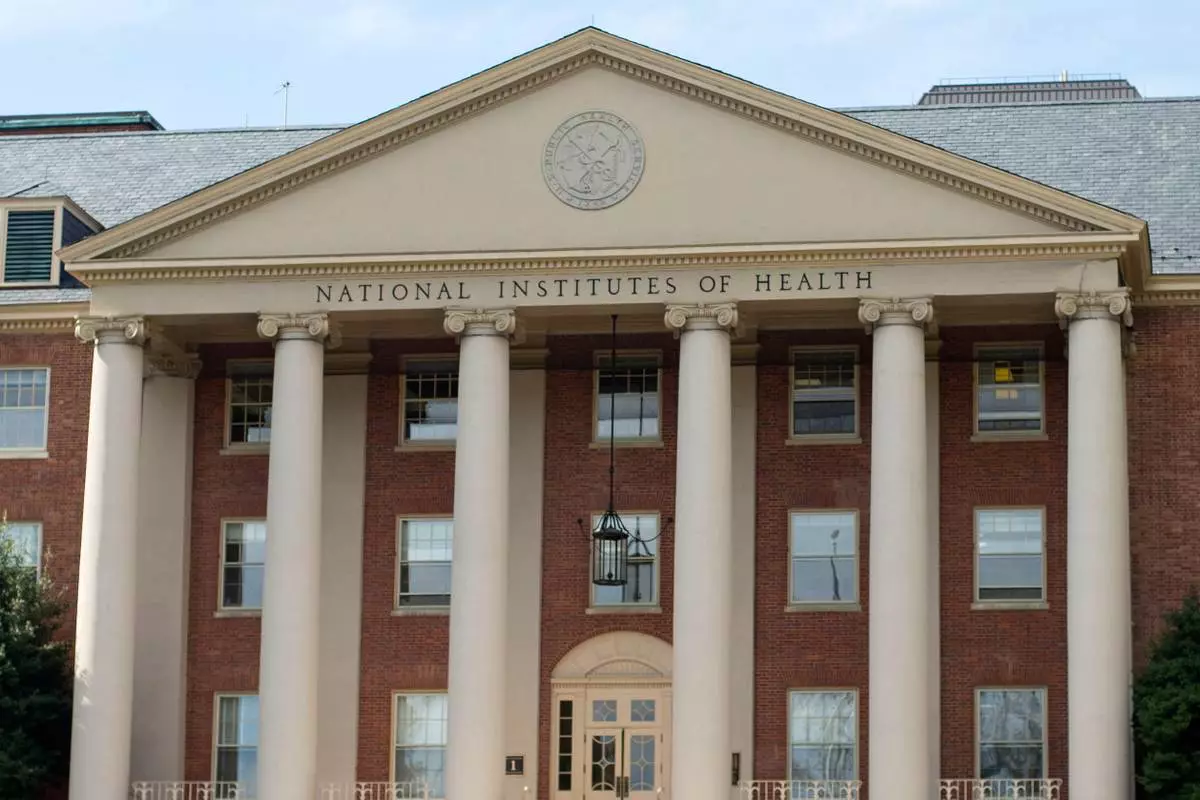
FILE - The National Institutes of Health's James Shannon building is seen on the agency's campus in Bethesda, Md., Oct. 24, 2014. (AP Photo/Pablo Martinez Monsivais, File)
NEW YORK (AP) — The U.S. stock market is rising again Thursday and regaining more of its losses for the week following the latest walkback by President Donald Trump from tariffs he had earlier threatened.
The S&P 500 climbed 0.5% and added to its big gain from Wednesday, when Trump said he had reached “the framework of a future deal with respect to Greenland” and called off 10% tariffs on European countries that he said opposed his having the Arctic island. The index has recovered most of the losses it took after Trump shook financial markets with his initial tariff threat.
The Dow Jones Industrial Average was up 307 points, or 0.7%, with an hour remaining in trading, and the Nasdaq composite was 0.9% higher.
It’s the latest example of Trump making a big, initial threat, only to pull back after seeing how much pain it created in financial markets. The pattern has led to the “TACO” acronym, suggesting that “Trump Always Chickens Out” if markets react strongly enough. Tuesday’s drop for the U.S. stock market was the worst since October and large enough that Trump, who often takes credit when Wall Street is doing well, acknowledged “the dip.”
But the pattern has also led to deals for Trump that outsiders may have initially considered unlikely if not for his market-shaking opening moves.
Details are still sparse about the framework of a deal on Greenland that Trump said he reached with the head of NATO. And it is not a signed deal yet.
Financial markets were still showing some signals of nervousness on Thursday. Gold’s price swiveled between small losses and gains before turning 1.6% higher. Its price often rises when investors are looking for something safer to own. The value of the U.S. dollar also weakened against the euro and several other foreign currencies, though not by as much as early in the week when global investors bailed out of some U.S. markets.
Treasury yields held relatively steady in a signal that foreign investors weren't rushing out of the U.S. bond market.
Yields also got some support after several reports on the U.S. economy’s strength came in better than expected. One said that fewer U.S. workers applied for unemployment benefits last week than economists expected in a potential signal that the pace of layoffs remains low. A second suggested the U.S. economy grew at a faster rate during the summer than the government initially estimated.
A third said that inflation in November was close to economists' expectations, while spending by U.S. consumers was a touch better than expected.
The yield on the 10-year Treasury climbed as high as 4.28% following the reports, but it later eased to 4.25% from 4.26% late Wednesday.
On Wall Street, Northern Trust climbed 5.3% after reporting a stronger profit for the end of 2025 than analysts expected. CEO Michael O’Grady also said that the financial services company is entering 2026 with “strong momentum across all our businesses.”
Procter & Gamble added 2.7% after likewise delivering a better profit than analysts expected. Revenue for the company behind the Downy, Pantene and Tide brands, though, fell just shy of expectations amid what CEO Shailesh Jejurikar called a “challenging consumer and geopolitical environment.”
Shares of BitGo, a company that helps crypto businesses and traditional financial firms hold and manage digital assets, climbed 12.2% in their debut on the New York Stock Exchange. The company priced its stock at $18 per share in its initial public offering, above its earlier estimated range of $15 to $17.
JPMorgan Chase added 0.5% as a lawsuit filed by Trump against the bank caused few ripples on Wall Street. Trump accused JPMorgan Chase of closing his accounts for political reasons after he left office in 2021.
They helped offset a 7.9% drop for spice seller McCormick & Co., whose profit fell short of expectations. CEO Brendan Foley said it continues to face rising costs because of “a shifting global trade environment.”
In stock markets abroad, indexes climbed across Europe and Asia amid relief on Trump’s walkback of tariffs.
Japan’s Nikkei 225 jumped 1.7%, and Germany's DAX returned 1.2% for two of the world's bigger moves.
Global markets also got support from a continuing easing of long-term yields in Japan’s bond market. They had spiked early in the week on worries that Japan’s popular prime minister could make moves that would add heavily to the government’s already big debt.
But the 40-year Japanese government bond yield has eased since hitting a record and dropped back below 4% on Thursday after hitting 4.22% on Tuesday.
AP Business Writers Chan Ho-him and Matt Ott contributed.
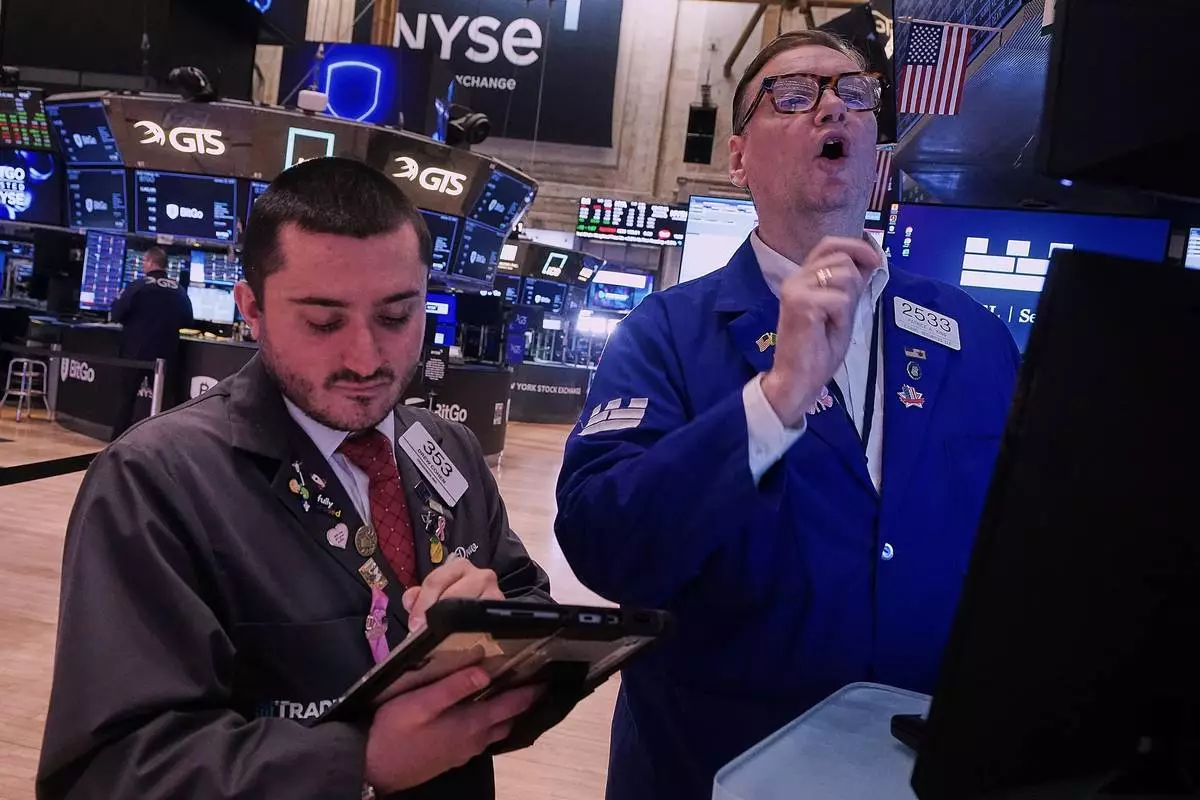
Trader Drew Cohen,; left, and Specialist Patrick King work on the floor of the New York Stock Exchange, Thursday, Jan. 22, 2026. (AP Photo/Richard Drew)
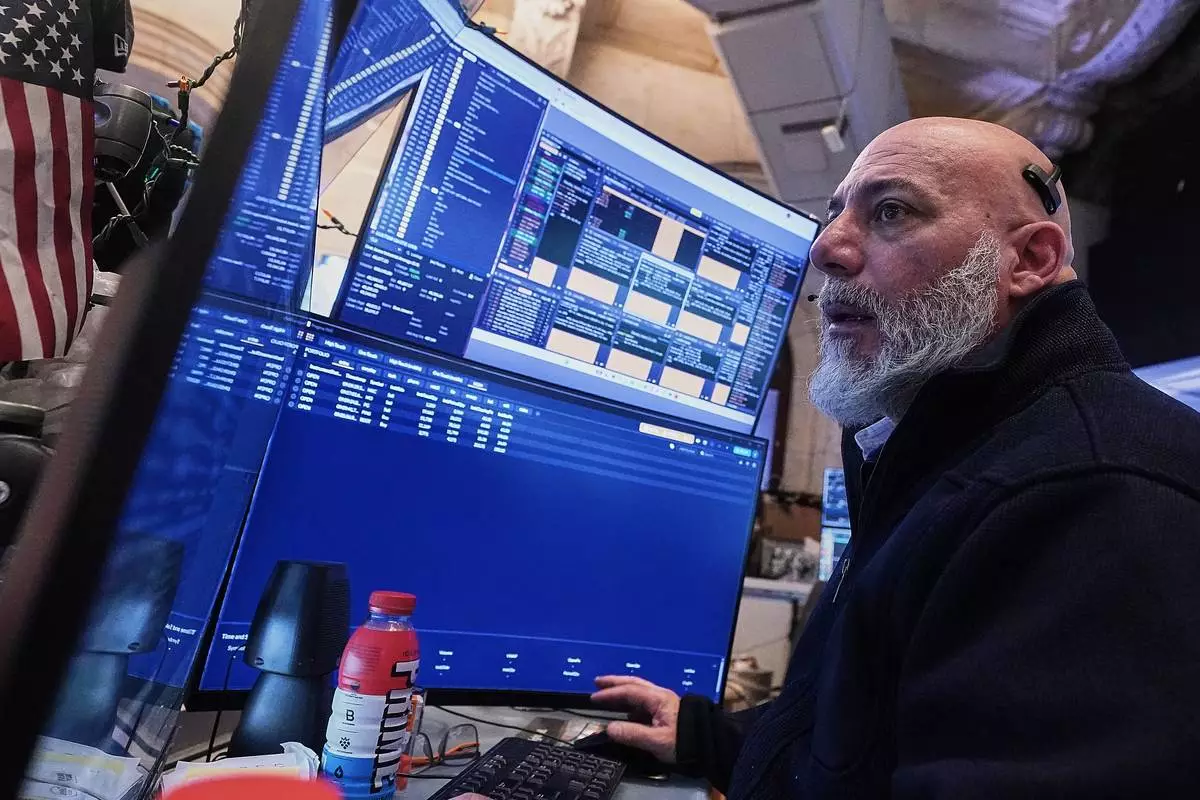
Trader Vincent Napolitano works on the floor of the New York Stock Exchange, Thursday, Jan. 22, 2026. (AP Photo/Richard Drew)
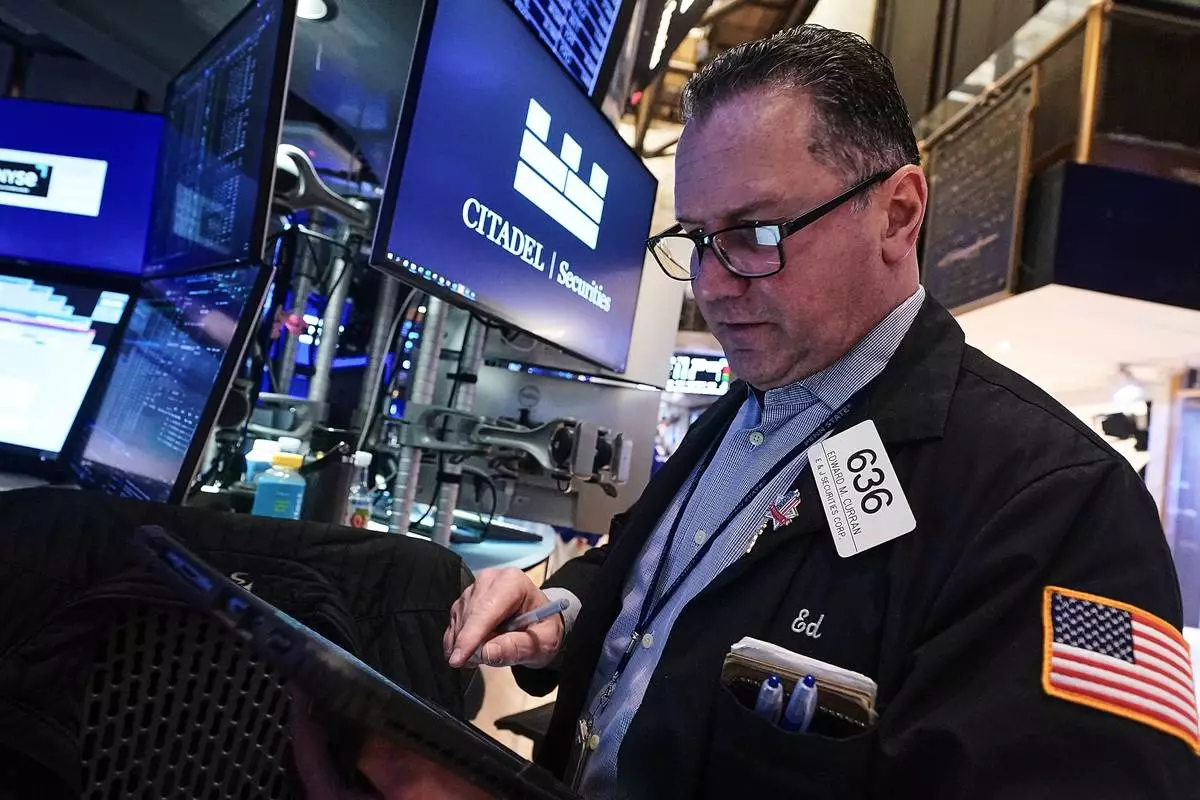
Trader Edward Curran works on the floor of the New York Stock Exchange, Thursday, Jan. 22, 2026. (AP Photo/Richard Drew)
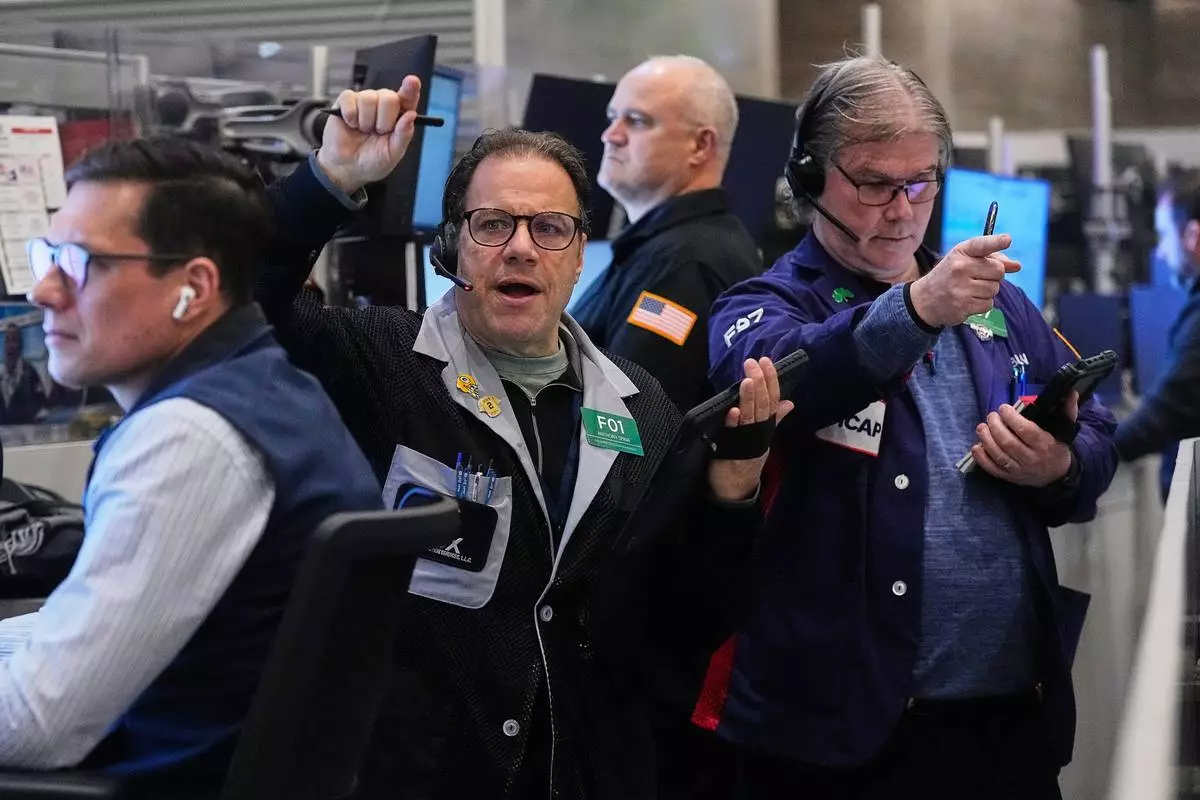
Options traders Anthony Spina, second left, and Brian Garvey, right, work on the floor of the New York Stock Exchange, Wednesday, Jan. 21, 2026. (AP Photo/Richard Drew)
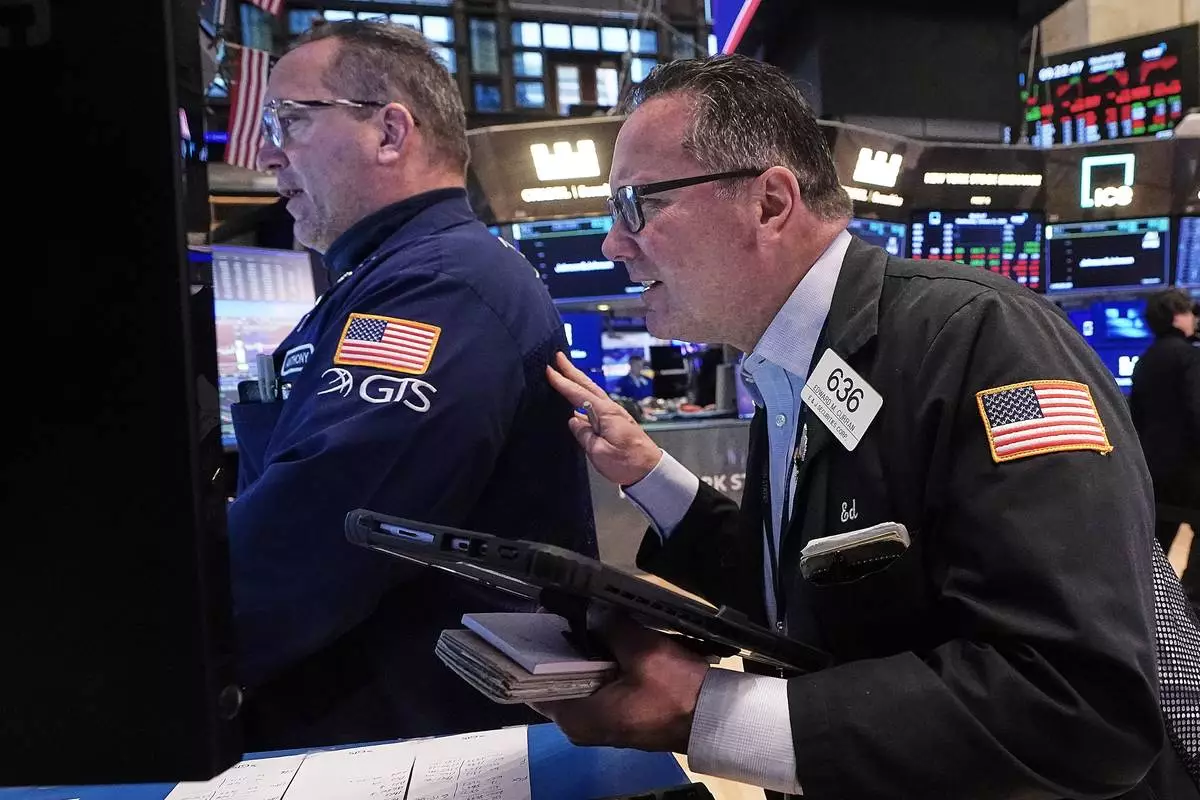
Specialist Anthony Matesic, left, and trader Edward Curran work on the floor of the New York Stock Exchange, Wednesday, Jan. 21, 2026. (AP Photo/Richard Drew)

Trader Daniel Krieger is framed by his computer monitors as he works on the floor of the New York Stock Exchange, Wednesday, Jan. 21, 2026. (AP Photo/Richard Drew)

Specialist Meric Greenbaum works at his post on the floor of the New York Stock Exchange, as a television shows President Donald Trump speaking at the World Economic Forum, Wednesday, Jan. 21, 2026. (AP Photo/Richard Drew)
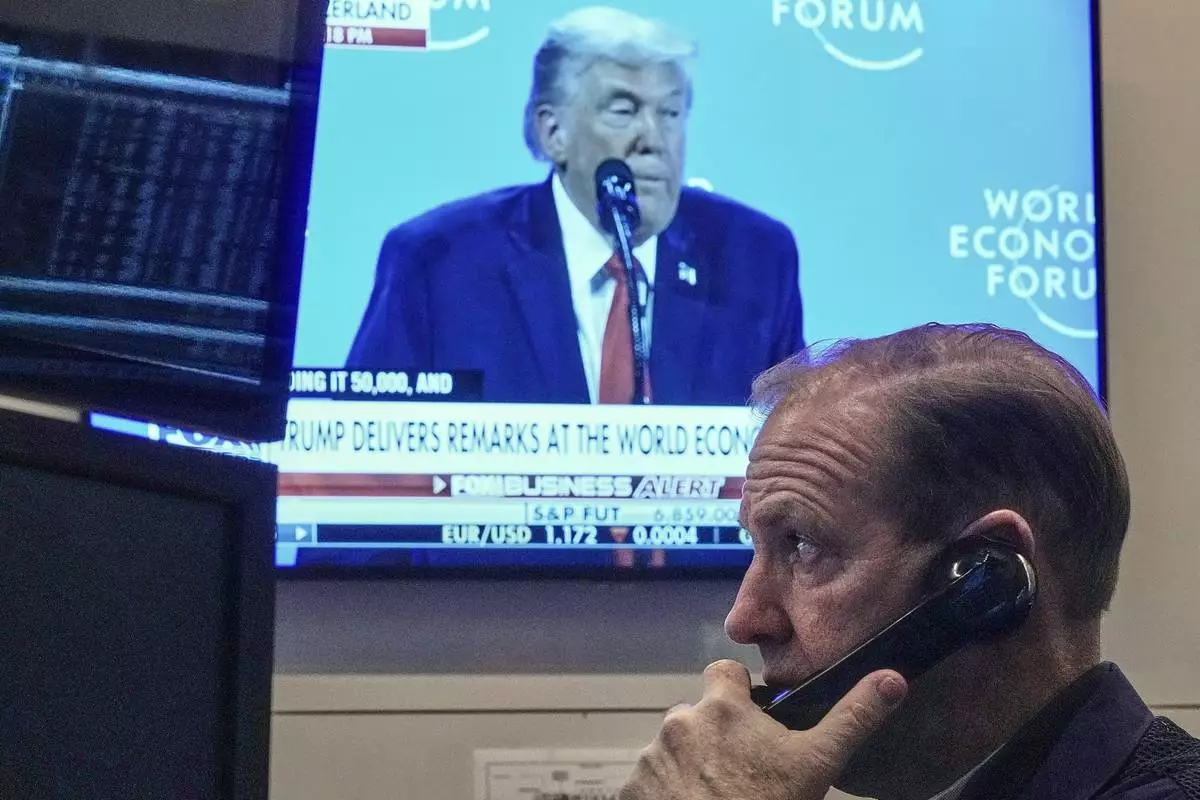
Trader Michale Smyth works on the floor of the New York Stock Exchange as President Donald Trump speaks at the World Economic Forum, Wednesday, Jan. 21, 2026. (AP Photo/Richard Drew)

Currency traders celebrate as they work in the office with a screen showing the Korea Composite Stock Price Index (KOSPI), center, of over 5,000 points at the foreign exchange dealing room of the Hana Bank headquarters in Seoul, South Korea, Thursday, Jan. 22, 2026. (AP Photo/Ahn Young-joon)

A currency trader passes by a screen showing the Korea Composite Stock Price Index (KOSPI) and the foreign exchange rate between U.S. dollar and South Korean won, left, at the foreign exchange dealing room of the Hana Bank headquarters in Seoul, South Korea, Thursday, Jan. 22, 2026. (AP Photo/Ahn Young-joon)

Currency traders celebrate as they work in the office with a screen showing the Korea Composite Stock Price Index (KOSPI), center, of over 5,000 points at the foreign exchange dealing room of the Hana Bank headquarters in Seoul, South Korea, Thursday, Jan. 22, 2026. (AP Photo/Ahn Young-joon)

Currency traders celebrate as they work in the office with a screen showing the Korea Composite Stock Price Index (KOSPI), center top, of over 5,000 points at the foreign exchange dealing room of the Hana Bank headquarters in Seoul, South Korea, Thursday, Jan. 22, 2026. (AP Photo/Ahn Young-joon)