CHP reminds public to take precautions against cold weather
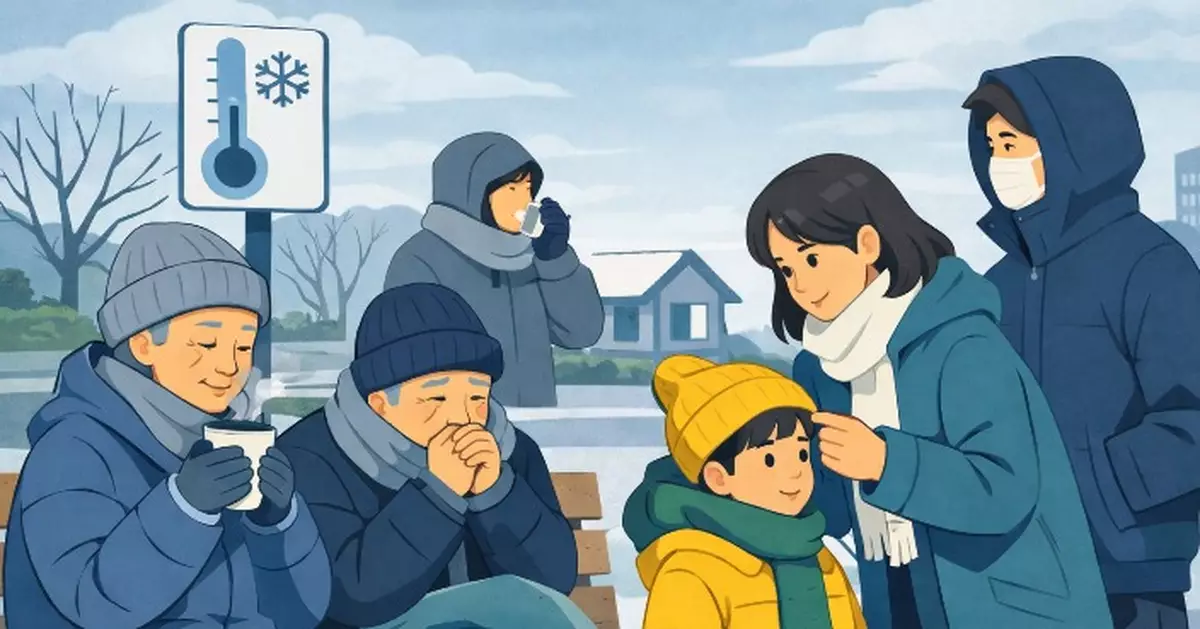
The Centre for Health Protection (CHP) of the Department of Health (DH) today (January 23) reminded the public, particularly the elderly, people with chronic illnesses, outdoor workers, pregnant women, infants and children, to adopt appropriate measures to protect their health in view of the cold weather.
Elderly and people with chronic illnesses
---------------------------------------------
A spokesman for the CHP said that in general, elderly people have less insulating fat, and their body temperature control mechanisms would be weaker. Their body may not respond appropriately to the cold weather. In addition, some senior persons may have decreased mobility, which can impair their ability to generate and conserve body heat.
Chronic illnesses, such as hypertension, diabetes or hypothyroidism, would lower their metabolic rate, subsequently causing their body to generate less heat. Besides, persons with chronic illnesses, such as chronic respiratory illnesses or cardiovascular and cerebrovascular diseases, are vulnerable to disease aggravation due to cold weather.
The spokesman reminded the public, in particular the elderly and persons with chronic illnesses, to adopt the following preventive measures:
- Take note of the weather forecast. Wear warm clothing, including hats, scarves, gloves and socks, accordingly;
- Consume sufficient food to ensure adequate calorie intake;
- Perform regular exercise to facilitate blood circulation and heat production;
- Stay in a warm environment. Avoid going out in the morning and at night when the temperature is lower, and avoid prolonged outdoor exposure;
- Use heaters with care and maintain adequate indoor ventilation;
- Avoid alcoholic beverages. Drinking alcohol cannot keep you warm. Alcohol accelerates the loss of body heat through dilated blood vessels, resulting in chilling instead; and
- Seek medical advice if feeling unwell.
Infants, children and pregnant women
-------------------------------------------
Infants and young children are more susceptible to heat loss during the cold weather. The spokesman reminded parents that they should ensure babies are sufficiently warm, but it is also important to keep babies relatively lightly clothed to avoid overheating them. When children engage in outdoor activities, their clothing should be adjusted accordingly, and changed quickly if soaked. Infants, young children and pregnant women should also try to avoid going out in the morning and at night when the temperature is lower.
Parents should observe the following safety measures when putting their children to bed:
- Keep the room well ventilated and at a comfortable temperature;
- Always place babies on their backs to sleep. Leave their heads, faces and arms uncovered during sleep;
- Babies do not need pillows. Place babies on a firm and well-fitted mattress to sleep. Avoid soft objects, pillows and loose bedding;
- Let babies sleep in a cot placed near their parents' bed; and
- Maintain a smoke-free environment.
Outdoor workers
-------------------
Outdoor workers should take heed of the weather report and wear appropriate warm clothing for work. Clothing should be changed as soon as possible if soaked. When the Cold Weather Warning is in force, they should take appropriate precautions. They should take a break immediately and seek help and medical attention if feeling unwell.
General public
----------------
In addition, many respiratory pathogens, including influenza and SARS-CoV-2, may have increasing activity and community transmission during winter. Seasonal influenza vaccination is recommended for all persons aged 6 months or above, except those with known contraindications. Persons at higher risk of getting influenza and its complications, including the elderly and children, should receive seasonal influenza vaccinations early. Please see details of the vaccination schemes on the CHP's website.
A person who gets influenza and COVID-19 at the same time may become more seriously ill and would have a higher risk of death. It is important for elderly persons, especially those residing in residential care homes, to receive both a seasonal influenza vaccination and a COVID-19 vaccination. They should also receive an additional booster against COVID-19 according to recommendations as soon as possible. The public should also maintain good personal and environmental hygiene against respiratory illnesses and note the following:
- Surgical masks can prevent transmission of respiratory viruses from ill persons. It is essential for persons who are symptomatic (even if having mild symptoms) to wear a surgical mask;
- Wear a surgical mask when taking public transport or staying in crowded places. It is important to wear a mask properly, including performing hand hygiene before wearing and after removing a mask;
- Avoid touching one's eyes, mouth and nose;
- Wash hands with liquid soap and water properly whenever possibly contaminated;
- When hands are not visibly soiled, clean them with 70 to 80 per cent alcohol-based handrub;
- Cover the mouth and nose with tissue paper when sneezing or coughing. Dispose of soiled tissue paper properly into a lidded rubbish bin and wash hands thoroughly afterwards;
- Maintain good indoor ventilation;
- When having respiratory symptoms, wear a surgical mask, refrain from work or attending classes at school, avoid going to crowded places and seek medical advice promptly; and
- Maintain a balanced diet, exercise regularly, take adequate rest, do not smoke and avoid overstress.
Food-borne diseases, particularly those linked to hotpot cuisine, are also common in cold weather. The following preventive measures should be taken:
- Wash hands before handling and consuming food;
- Do not patronise unlicensed vendors or those with poor hygienic standards while selecting food;
- Wash and cook all food thoroughly;
- Vegetables should be washed thoroughly in clean running water before cooking and consumption. When appropriate, scrub vegetables with hard surfaces with a clean brush to remove dirt and substances, including pesticide residues and contaminants, from surfaces and crevices;
- Shrimps should be fully cooked until the shells turn red and the flesh turns white and opaque;
- For shellfish such as scallops and geoduck, scrub the shells thoroughly and remove internal organs;
- Do not eat any undercooked freshwater aquatic products. To ensure that the food is thoroughly cooked, the centre of the food should reach a temperature of at least 75 degrees Celsius so as to destroy pathogens;
- Most hotpot ingredients should be stored in a refrigerator at 4 degrees C or below, while frozen food should be stored in a freezer at -18 degrees C or below;
- Never use raw eggs as a dipping sauce for hotpot; and
- Use different sets of chopsticks to handle raw and cooked food to avoid cross-contamination.
In addition, when using fuel-burning appliances, especially in indoor areas, the public should ensure adequate ventilation to avoid harmful exposure to carbon monoxide (CO) and prevent CO poisoning.
Fr more health information, the public may call the DH's Health Education Infoline (2833 0111) or visit the CHP's website and Facebook Fanpage as well as press releases of the Labour Department on precautions against cold weather for outdoor workers and their employers when the Cold Weather Warning is in force.
The public may also call Dial-a-Weather (1878 200) or visit the website of the Hong Kong Observatory for the latest weather information and forecasts, or its page on Weather Information for Senior Citizens.
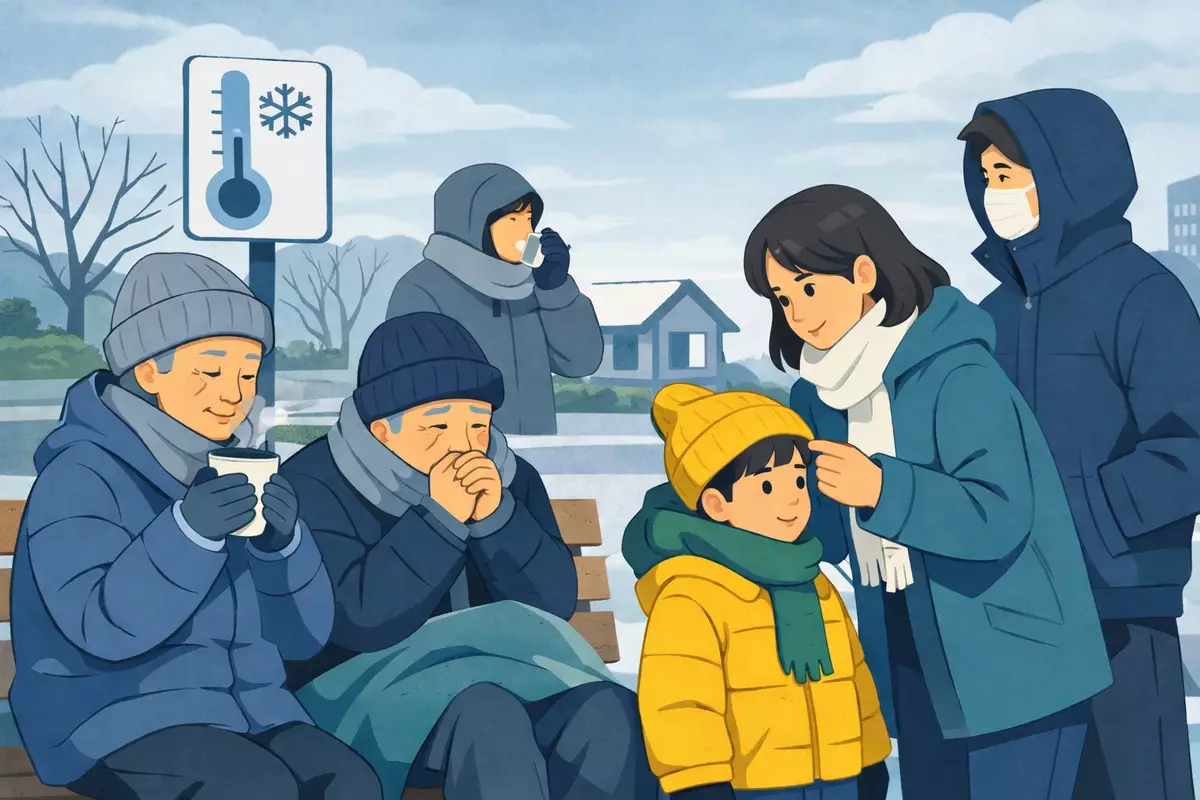
Source: AI-created image
Light Public Housing to open for Phase 3 application from January 30
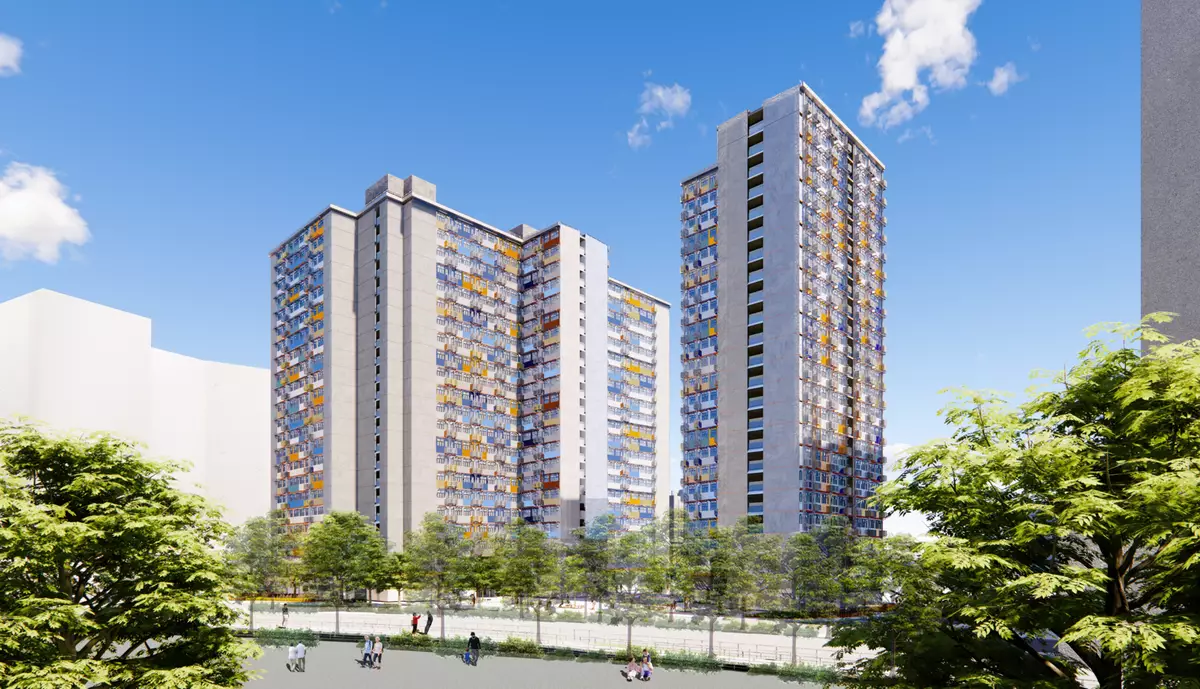
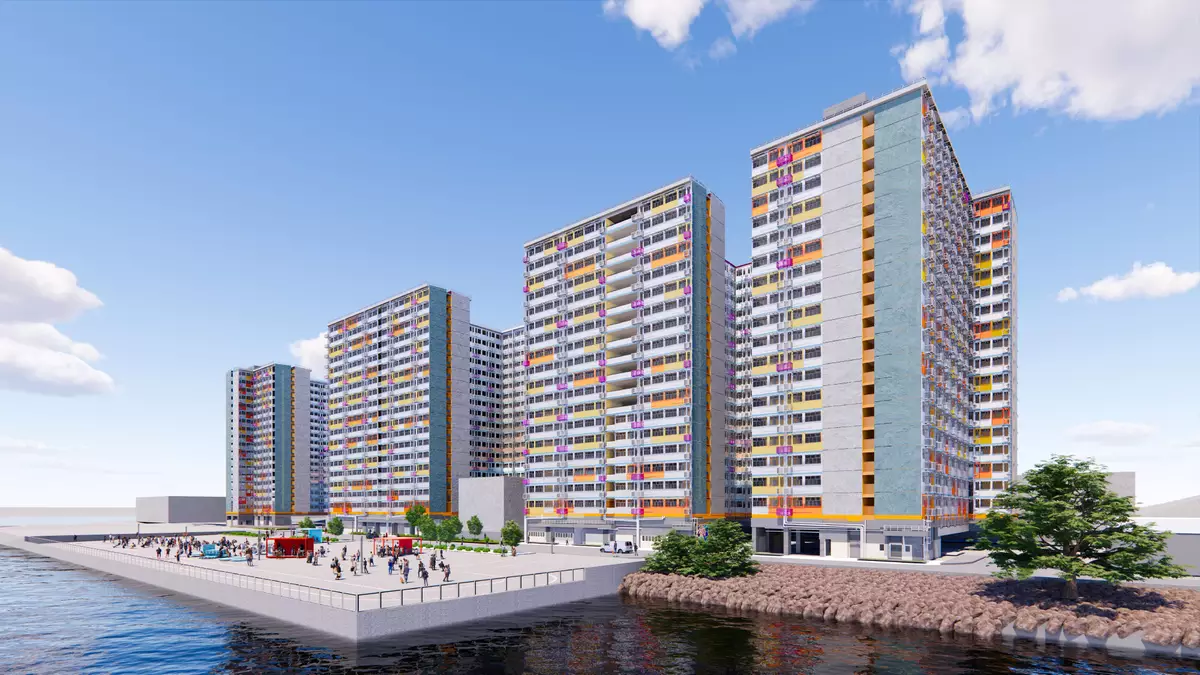
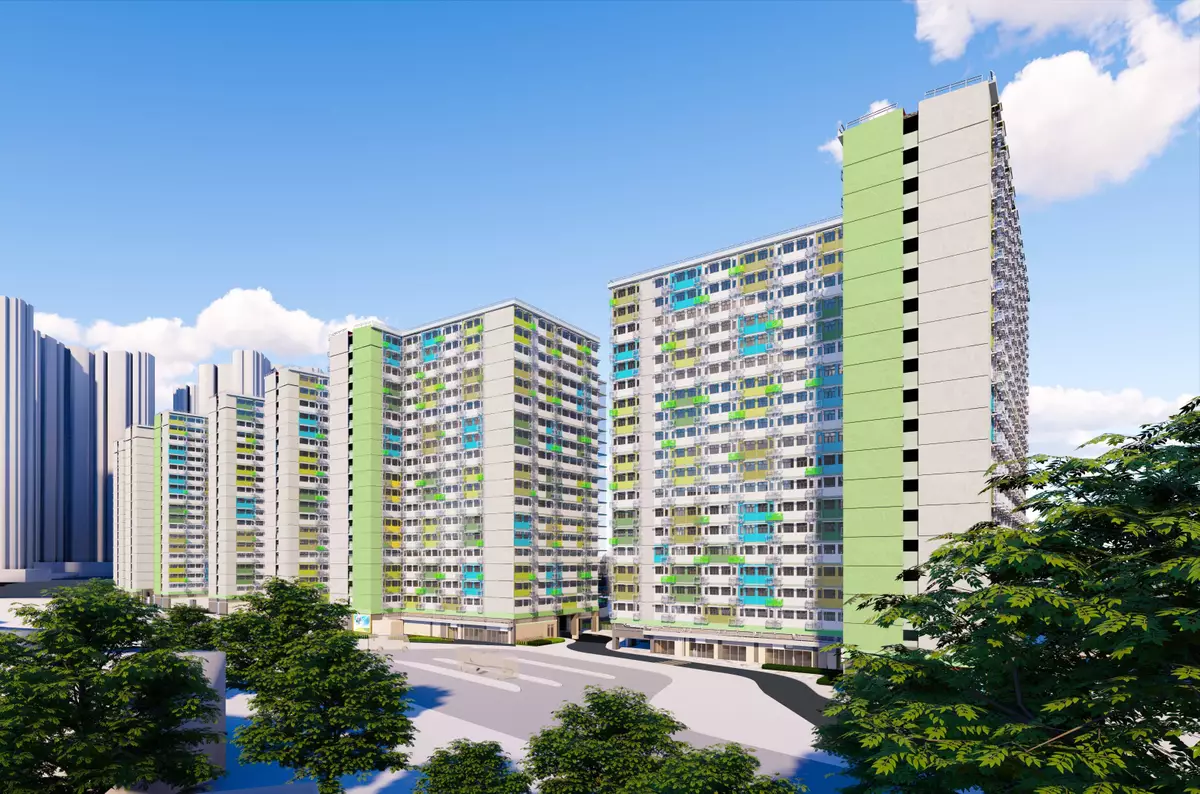
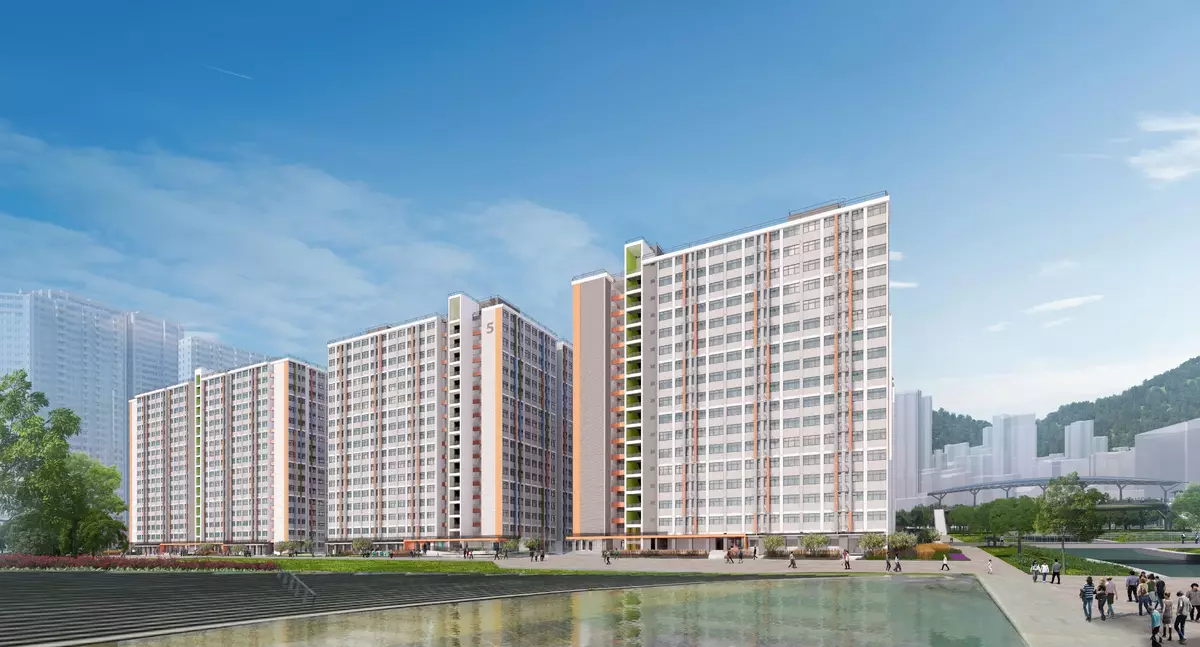
The Housing Bureau (HB) today (January 23) announced that the Light Public Housing (LPH) will be open for Phase 3 application from January 30. The Phase 3 application will cover four projects, including Sheung On Street, Chai Wan; Olympic Avenue, Kai Tak (Phase 2); Yan Po Road, Tuen Mun; and Tsing Fat Street, Tuen Mun, which will provide a total of about 8 820 units for gradual intake anticipated from the second quarter of this year onwards.
Eligible applicants will receive the application forms by post on or before January 30, sent by the HB in batches. Application forms submitted between January 30 and February 20 will be handled with priority. Those who have submitted an application form before do not need to make another application.
A spokesman for the HB said, "The LPH application has received an overwhelming response, with over 27 700 applications received as of mid-January. Under the leadership of the HB, six projects providing a total of about 9500 units were progressively completed for tenant intake last year. Among these, four projects (including Yau Pok Road, Yuen Long; Choi Hing Road, Ngau Tau Kok; Choi Yuen Road, Sheung Shui; and Shun On Road, Kwun Tong) with over 4 600 units have already completed full intake. This fully demonstrates that with affordable rent, comprehensive facilities and services, as well as a better living environment, LPH is highly popular among citizens in need."
The spokesman added, "The Phase 3 LPH projects are located in various districts in Hong Kong, Kowloon, and the New Territories, with different scales and merits. We believe that they can cater for the needs of different applicants. More importantly, the living environment and ancillary facilities of all LPH projects are far better than any inadequate housing, such as substandard sub-divided units. There are also special allowances for residents and various services and supports provided by the operating organisations for the tenants. As regards the special allowance for residents, the Commission on Poverty earlier approved an additional allocation of $57.05 million from the Community Care Fund to expand the Trial Scheme on Special Allowance for Households of Light Public Housing (Trial Scheme) to comprehensively cover all 13 LPH projects, extending it until March 31, 2028, with a view to providing timely support to more residents in need (including LPH Phase 3 applicants) and assisting them in adapting to their new communities more quickly. We encourage eligible citizens in need to submit their applications as soon as possible."
Same as the present, the expanded Trial Scheme will continue to provide a one-off special allowance to LPH residents to alleviate their pressure arising from expenditures during removal and adaptation to the new living environment and communities (such as children's school transfer, purchasing furniture and electrical appliances and re-establishing community networks). There is no restriction on the use of the allowance so as to allow households to meet their own needs in a more flexible manner. In response to the increase in living costs, the amounts of special allowance under the Trial Scheme have been slightly raised. The new amounts will come into effect from March 1. The amounts of allowance depending on the number of family members living together in the household and the location of the LPH projects are listed in the table below:
Location of the LPH projects |
Urban and Extended Urban (including Tuen Mun and Ma On Shan) |
New Territories (including Yuen Long and Sheung Shui) |
Household Size |
Special allowance amount ($)
(applicable to applications submitted
on or after March 1) |
1-person |
1,950 |
3,950 |
2-person |
3,000 |
6,050 |
3-person |
3,900 |
7,850 |
4-person |
4,700 |
9,400 |
5-person |
5,400 |
10,850 |
6-person and above |
6,500 |
13,000 |
Details of the LPH Phase 3 application are as follows:
(1) Eligibility for priority application: General applicants who have been on the waiting list for traditional public rental housing (PRH) for three years or more are eligible, with priority given to family applicants. Those meeting the eligibility criteria will receive by post the application forms sent by the HB in batches.
(2) Application period: Applicants who submit duly completed application forms between January 30 and February 20 will be handled with priority, whilst the HB will continue to accept applications after February 20.
(3) Submission methods: Interested applicants may submit their duly completed application forms by post to P.O. Box of the Dedicated Team on Light Public Housing of the Housing Bureau (P.O. Box 28222, Gloucester Road Post Office, Wan Chai, Hong Kong); or by depositing them into drop-in boxes during office hours (from 9am to 6pm, Mondays to Fridays, except Saturdays, Sundays and public holidays) at the following locations:
Light Public Housing Information Counter at Podium Level 2, Hong Kong Housing Authority Customer Service Centre, 3 Wang Tau Hom South Road, Kowloon
Office of the Dedicated Team on Light Public Housing at Room 801, 8/F, Revenue Tower, 5 Gloucester Road, Wan Chai, Hong Kong
In addition, if the applicant and all family members have registered for "iAM Smart+", they may opt to complete, sign and submit the e-Form by scanning the exclusive QR code pre-printed on the application form.
The HB will process the application forms received as soon as possible and make arrangements for the allocation. To give priority to those families in need to move into LPH, if the applicants are currently living in inadequate housing; having special medical conditions; or having minor children, newborn babies, elderly persons, etc, in the family, they will be given a higher priority for LPH allocation.
Information of the projects in the Phase 3 application is as follows:
(1) Sheung On Street, Chai Wan: Providing about 1 720 units (including units for one to two persons, three to four persons and four to five persons), with a number of franchised bus and minibus routes available in the vicinity to/from Chai Wan MTR Station, Heng Fa Chuen MTR Station, and various places in Hong Kong and Kowloon. The estimated monthly rent ranges from about $1,340 to $3,020 (Note).
(2) Olympic Avenue, Kai Tak (Phase 2): Providing about 3 180 units (including units for one to two persons, three to four persons and four to five persons) in the first stage of application, adjacent to Kai Tak MTR Station, and with a number of franchised bus and minibus routes in the vicinity travelling to/from various places in Hong Kong, Kowloon and the New Territories. The estimated monthly rent ranges from about $1,310 to $2,990 (Note).
(3) Yan Po Road, Tuen Mun: Providing about 2 760 units (including units for one to two persons, three to four persons and four to five persons) in the first stage of application, adjacent to Yan Po Road Public Transport Interchange and bus stops on Yan Po Road, which provide a number of franchised bus routes to/from various places in Hong Kong, Kowloon and the New Territories, and MTR bus routes to/from Tuen Mun and Siu Hong MTR Stations. The estimated monthly rent ranges from about $900 to $2,010 (Note).
(4) Tsing Fat Street, Tuen Mun: Providing about 1 160 units (including units for one to two persons, and three to four persons) in the first stage of application, with a bus terminus within the project, which provides public transport services to/from Tuen Mun Town Centre, Tuen Mun Road Bus-Bus Interchange and other destinations in the urban area during peak hours. The estimated monthly rent ranges from about $900 to $1,610 (Note).
For more information about the LPH Phase 3 application, please refer to the enclosed LPH Promotional Pamphlet, or browse the LPH website of the HB (www.hb.gov.hk/eng/lph). For enquiries, please call 3464 0700, or send email to lphapp@hb.gov.hk.
Note: Rents vary depending on the unit size and the district. The rental level is set at around 90 per cent of the rent of newly completed traditional PRH in the same district. Having regard to the biennial rent review of the traditional PRH, the rent of LPH will be adjusted accordingly.
Light Public Housing to open for Phase 3 application from January 30 Source: HKSAR Government Press Releases
Light Public Housing to open for Phase 3 application from January 30 Source: HKSAR Government Press Releases
Light Public Housing to open for Phase 3 application from January 30 Source: HKSAR Government Press Releases
Light Public Housing to open for Phase 3 application from January 30 Source: HKSAR Government Press Releases