Skip to Content Facebook Feature Image

Phase 3 Applications for Light Public Housing Open January 30, Offering 8,820 New Units in Hong Kong

HK

Phase 3 Applications for Light Public Housing Open January 30, Offering 8,820 New Units in Hong Kong
HK

HK

Phase 3 Applications for Light Public Housing Open January 30, Offering 8,820 New Units in Hong Kong

2026-01-23 16:48 Last Updated At:01-24 12:36

Light Public Housing to open for Phase 3 application from January 30

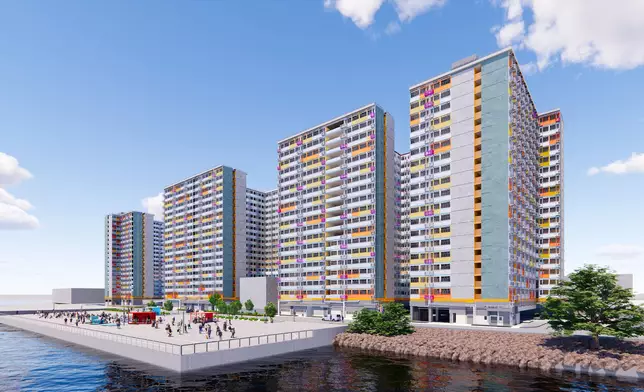
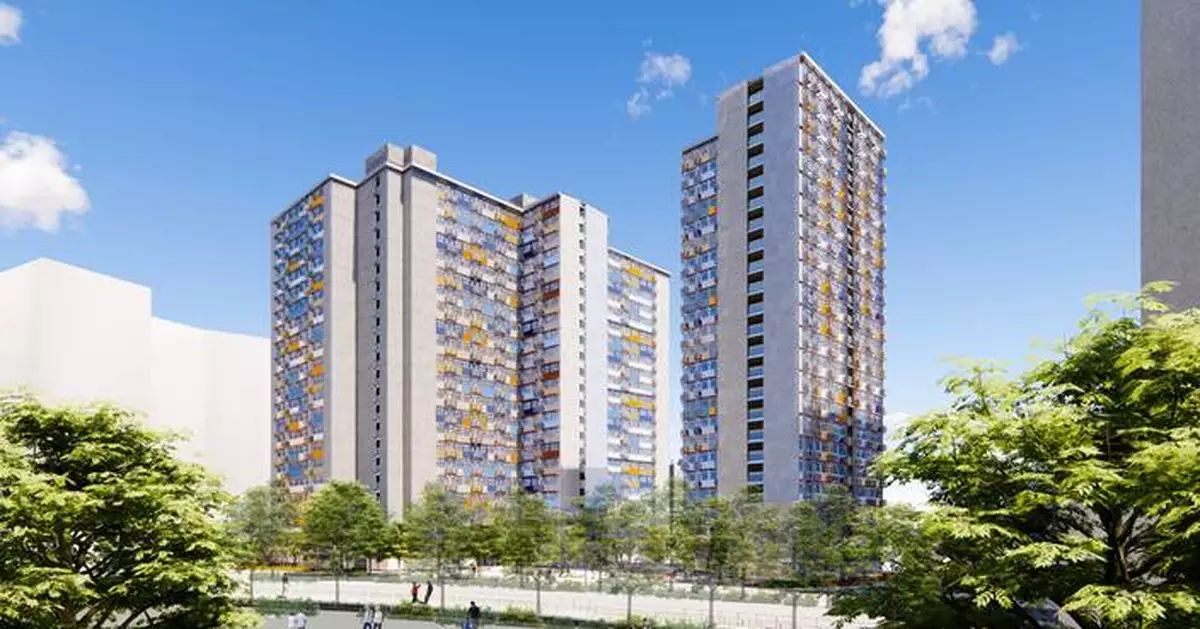
The Housing Bureau (HB) today (January 23) announced that the Light Public Housing (LPH) will be open for Phase 3 application from January 30. The Phase 3 application will cover four projects, including Sheung On Street, Chai Wan; Olympic Avenue, Kai Tak (Phase 2); Yan Po Road, Tuen Mun; and Tsing Fat Street, Tuen Mun, which will provide a total of about 8 820 units for gradual intake anticipated from the second quarter of this year onwards.

More Images
Light Public Housing to open for Phase 3 application from January 30 Source: HKSAR Government Press Releases
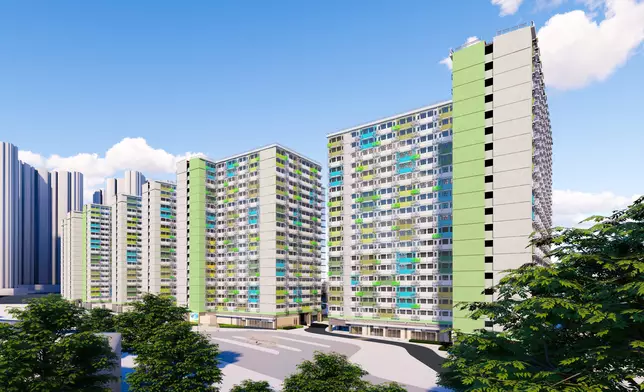
Light Public Housing to open for Phase 3 application from January 30 Source: HKSAR Government Press Releases
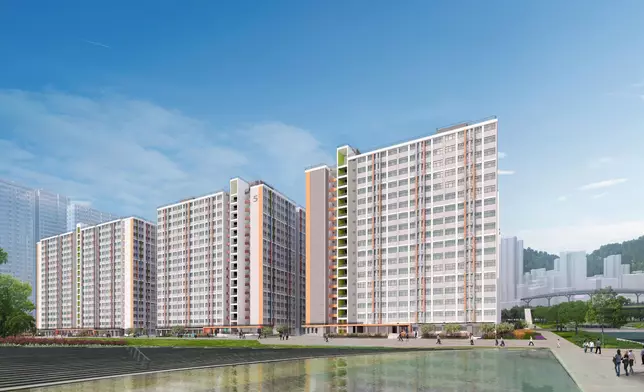
Light Public Housing to open for Phase 3 application from January 30 Source: HKSAR Government Press Releases
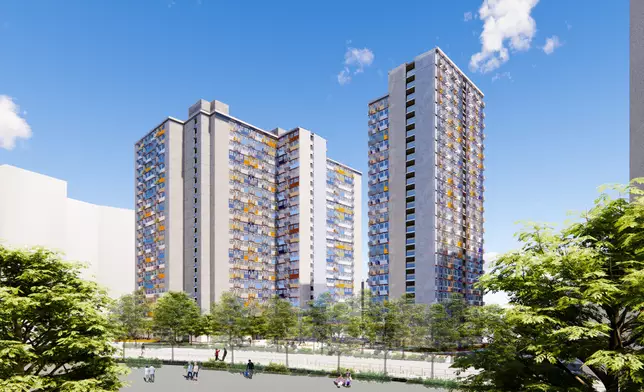
Light Public Housing to open for Phase 3 application from January 30 Source: HKSAR Government Press Releases

Light Public Housing to open for Phase 3 application from January 30 Source: HKSAR Government Press Releases

Light Public Housing to open for Phase 3 application from January 30 Source: HKSAR Government Press Releases

Light Public Housing to open for Phase 3 application from January 30 Source: HKSAR Government Press Releases

Light Public Housing to open for Phase 3 application from January 30 Source: HKSAR Government Press Releases

Eligible applicants will receive the application forms by post on or before January 30, sent by the HB in batches. Application forms submitted between January 30 and February 20 will be handled with priority. Those who have submitted an application form before do not need to make another application.

A spokesman for the HB said, "The LPH application has received an overwhelming response, with over 27 700 applications received as of mid-January. Under the leadership of the HB, six projects providing a total of about 9500 units were progressively completed for tenant intake last year. Among these, four projects (including Yau Pok Road, Yuen Long; Choi Hing Road, Ngau Tau Kok; Choi Yuen Road, Sheung Shui; and Shun On Road, Kwun Tong) with over 4 600 units have already completed full intake. This fully demonstrates that with affordable rent, comprehensive facilities and services, as well as a better living environment, LPH is highly popular among citizens in need."

The spokesman added, "The Phase 3 LPH projects are located in various districts in Hong Kong, Kowloon, and the New Territories, with different scales and merits. We believe that they can cater for the needs of different applicants. More importantly, the living environment and ancillary facilities of all LPH projects are far better than any inadequate housing, such as substandard sub-divided units. There are also special allowances for residents and various services and supports provided by the operating organisations for the tenants. As regards the special allowance for residents, the Commission on Poverty earlier approved an additional allocation of $57.05 million from the Community Care Fund to expand the Trial Scheme on Special Allowance for Households of Light Public Housing (Trial Scheme) to comprehensively cover all 13 LPH projects, extending it until March 31, 2028, with a view to providing timely support to more residents in need (including LPH Phase 3 applicants) and assisting them in adapting to their new communities more quickly. We encourage eligible citizens in need to submit their applications as soon as possible."

Same as the present, the expanded Trial Scheme will continue to provide a one-off special allowance to LPH residents to alleviate their pressure arising from expenditures during removal and adaptation to the new living environment and communities (such as children's school transfer, purchasing furniture and electrical appliances and re-establishing community networks). There is no restriction on the use of the allowance so as to allow households to meet their own needs in a more flexible manner. In response to the increase in living costs, the amounts of special allowance under the Trial Scheme have been slightly raised. The new amounts will come into effect from March 1. The amounts of allowance depending on the number of family members living together in the household and the location of the LPH projects are listed in the table below:

Location of the LPH projects

Urban and Extended Urban (including Tuen Mun and Ma On Shan)

New Territories (including Yuen Long and Sheung Shui)

Household Size

Special allowance amount ($)

(applicable to applications submitted

on or after March 1)

1-person

1,950

3,950

2-person

3,000

6,050

3-person

3,900

7,850

4-person

4,700

9,400

5-person

5,400

10,850

6-person and above

6,500

13,000

Details of the LPH Phase 3 application are as follows:

(1) Eligibility for priority application: General applicants who have been on the waiting list for traditional public rental housing (PRH) for three years or more are eligible, with priority given to family applicants. Those meeting the eligibility criteria will receive by post the application forms sent by the HB in batches.

(2) Application period: Applicants who submit duly completed application forms between January 30 and February 20 will be handled with priority, whilst the HB will continue to accept applications after February 20.

(3) Submission methods: Interested applicants may submit their duly completed application forms by post to P.O. Box of the Dedicated Team on Light Public Housing of the Housing Bureau (P.O. Box 28222, Gloucester Road Post Office, Wan Chai, Hong Kong); or by depositing them into drop-in boxes during office hours (from 9am to 6pm, Mondays to Fridays, except Saturdays, Sundays and public holidays) at the following locations:

  • Light Public Housing Information Counter at Podium Level 2, Hong Kong Housing Authority Customer Service Centre, 3 Wang Tau Hom South Road, Kowloon

  • Office of the Dedicated Team on Light Public Housing at Room 801, 8/F, Revenue Tower, 5 Gloucester Road, Wan Chai, Hong Kong

In addition, if the applicant and all family members have registered for "iAM Smart+", they may opt to complete, sign and submit the e-Form by scanning the exclusive QR code pre-printed on the application form.

The HB will process the application forms received as soon as possible and make arrangements for the allocation. To give priority to those families in need to move into LPH, if the applicants are currently living in inadequate housing; having special medical conditions; or having minor children, newborn babies, elderly persons, etc, in the family, they will be given a higher priority for LPH allocation.

Information of the projects in the Phase 3 application is as follows:

(1) Sheung On Street, Chai Wan: Providing about 1 720 units (including units for one to two persons, three to four persons and four to five persons), with a number of franchised bus and minibus routes available in the vicinity to/from Chai Wan MTR Station, Heng Fa Chuen MTR Station, and various places in Hong Kong and Kowloon. The estimated monthly rent ranges from about $1,340 to $3,020 (Note).

(2) Olympic Avenue, Kai Tak (Phase 2): Providing about 3 180 units (including units for one to two persons, three to four persons and four to five persons) in the first stage of application, adjacent to Kai Tak MTR Station, and with a number of franchised bus and minibus routes in the vicinity travelling to/from various places in Hong Kong, Kowloon and the New Territories. The estimated monthly rent ranges from about $1,310 to $2,990 (Note).

(3) Yan Po Road, Tuen Mun: Providing about 2 760 units (including units for one to two persons, three to four persons and four to five persons) in the first stage of application, adjacent to Yan Po Road Public Transport Interchange and bus stops on Yan Po Road, which provide a number of franchised bus routes to/from various places in Hong Kong, Kowloon and the New Territories, and MTR bus routes to/from Tuen Mun and Siu Hong MTR Stations. The estimated monthly rent ranges from about $900 to $2,010 (Note).

(4) Tsing Fat Street, Tuen Mun: Providing about 1 160 units (including units for one to two persons, and three to four persons) in the first stage of application, with a bus terminus within the project, which provides public transport services to/from Tuen Mun Town Centre, Tuen Mun Road Bus-Bus Interchange and other destinations in the urban area during peak hours. The estimated monthly rent ranges from about $900 to $1,610 (Note).

For more information about the LPH Phase 3 application, please refer to the enclosed LPH Promotional Pamphlet, or browse the LPH website of the HB (www.hb.gov.hk/eng/lph). For enquiries, please call 3464 0700, or send email to lphapp@hb.gov.hk.

Note: Rents vary depending on the unit size and the district. The rental level is set at around 90 per cent of the rent of newly completed traditional PRH in the same district. Having regard to the biennial rent review of the traditional PRH, the rent of LPH will be adjusted accordingly.
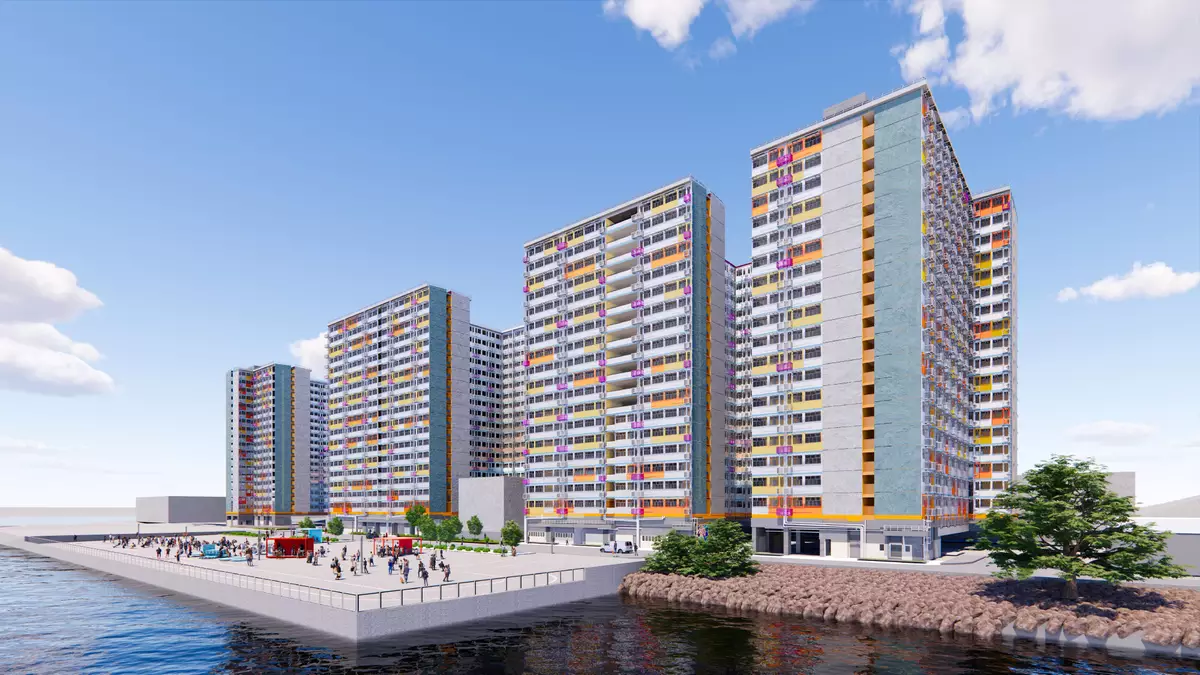
Light Public Housing to open for Phase 3 application from January 30 Source: HKSAR Government Press Releases
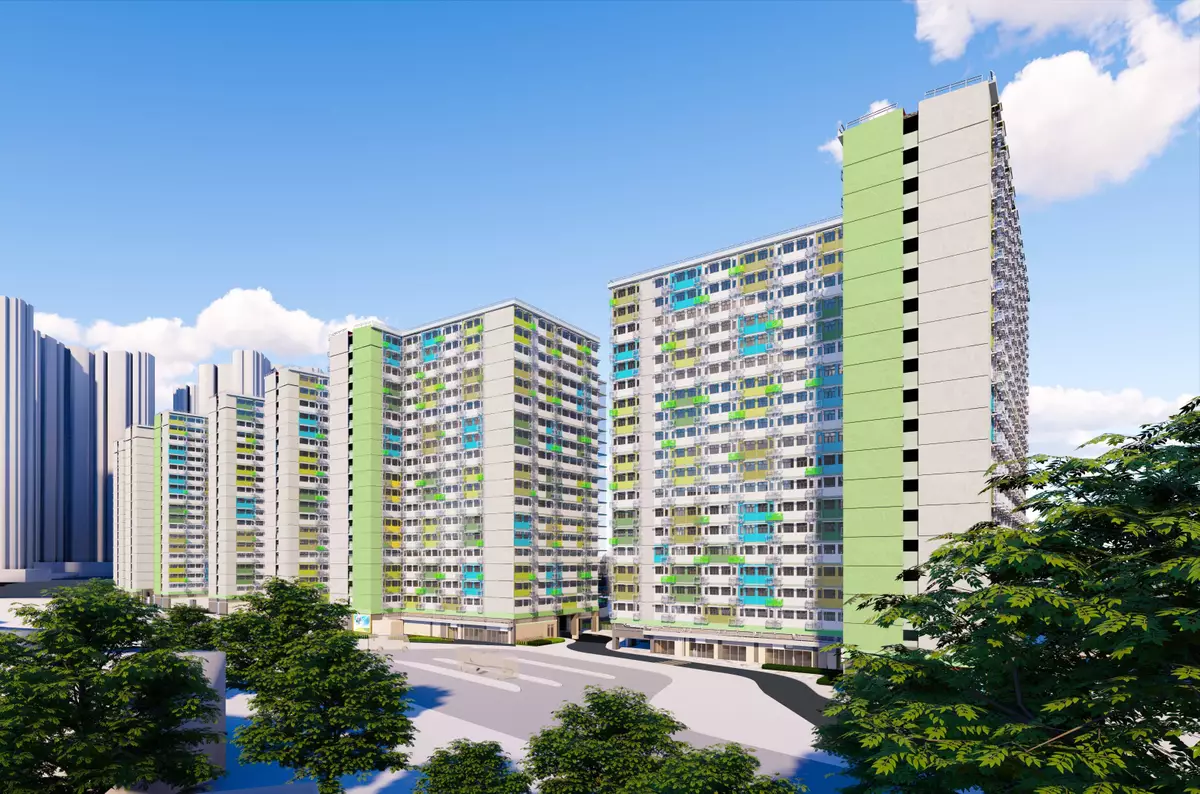
Light Public Housing to open for Phase 3 application from January 30 Source: HKSAR Government Press Releases
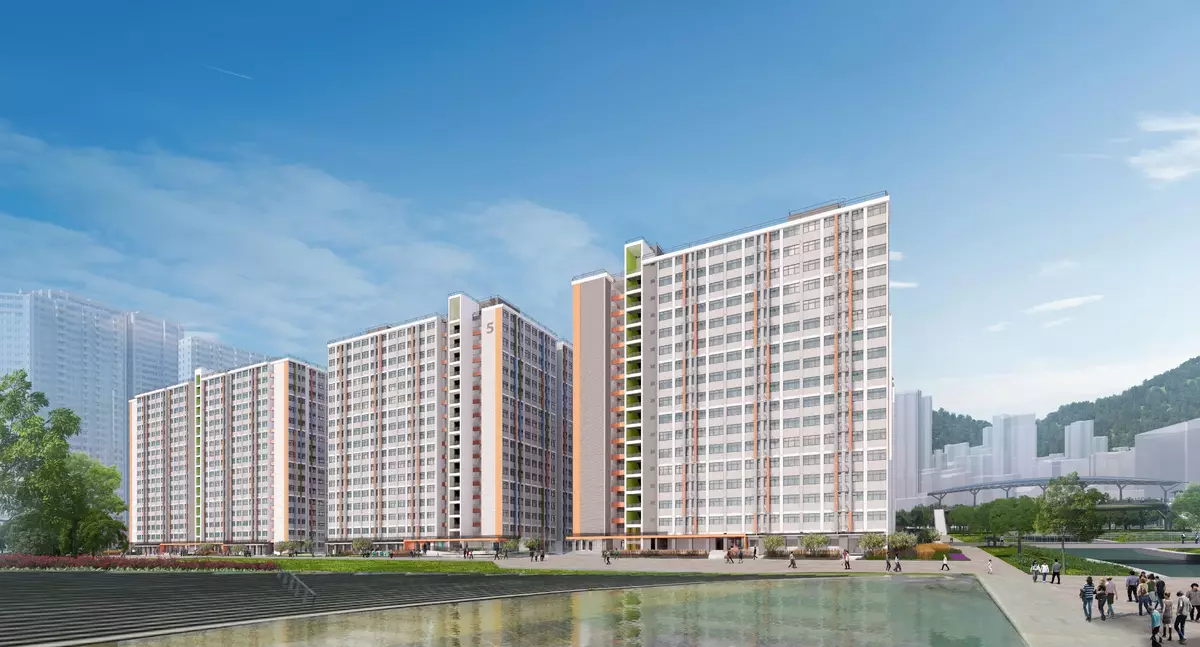
Light Public Housing to open for Phase 3 application from January 30 Source: HKSAR Government Press Releases
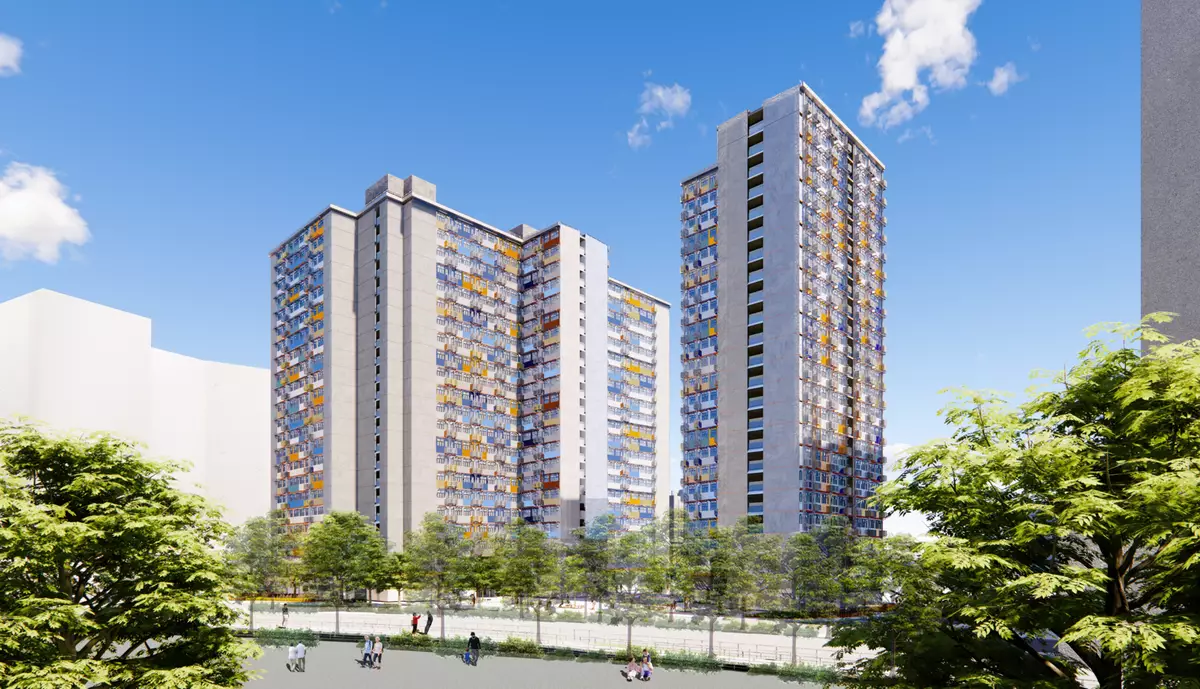
Light Public Housing to open for Phase 3 application from January 30 Source: HKSAR Government Press Releases
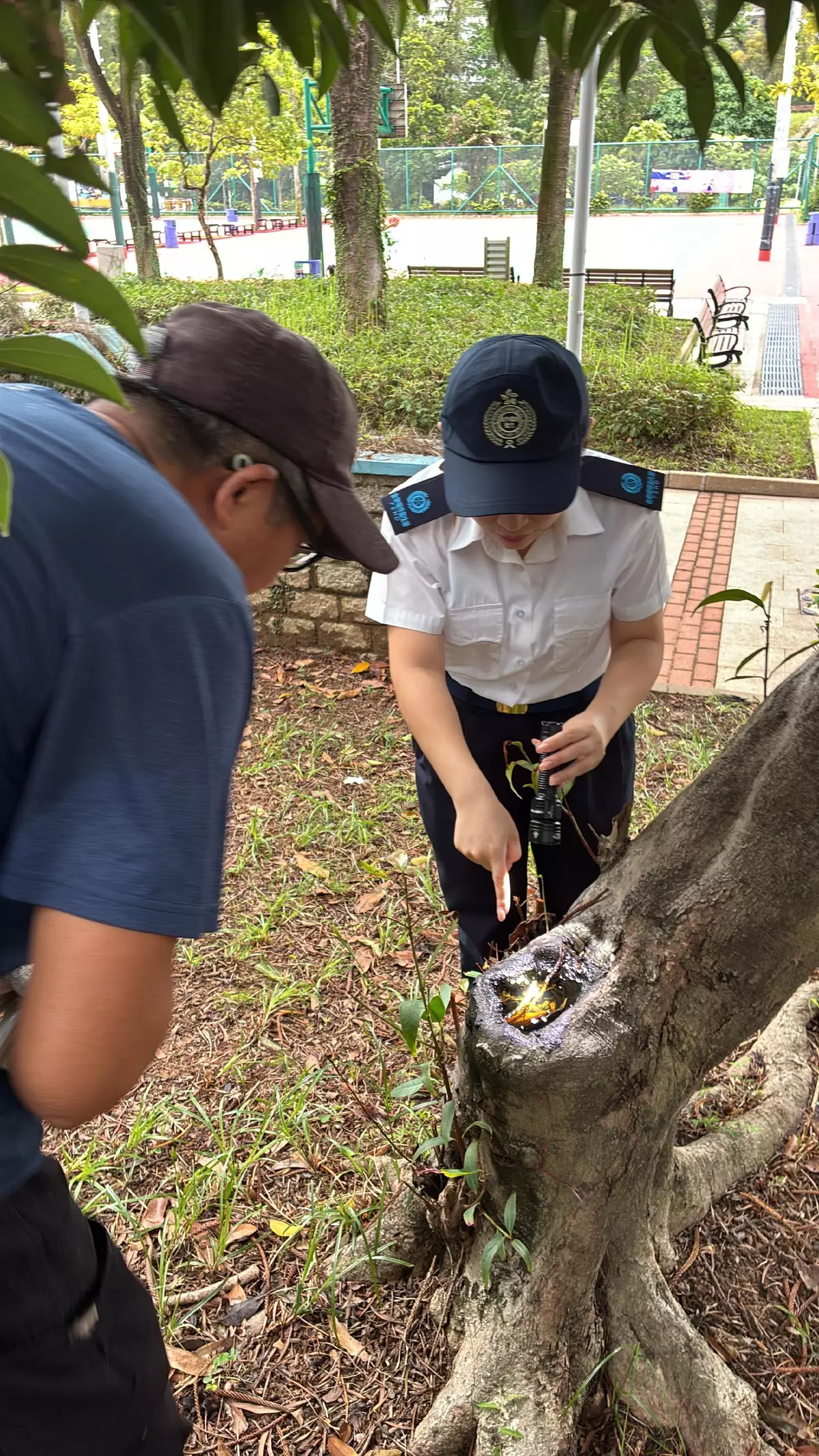
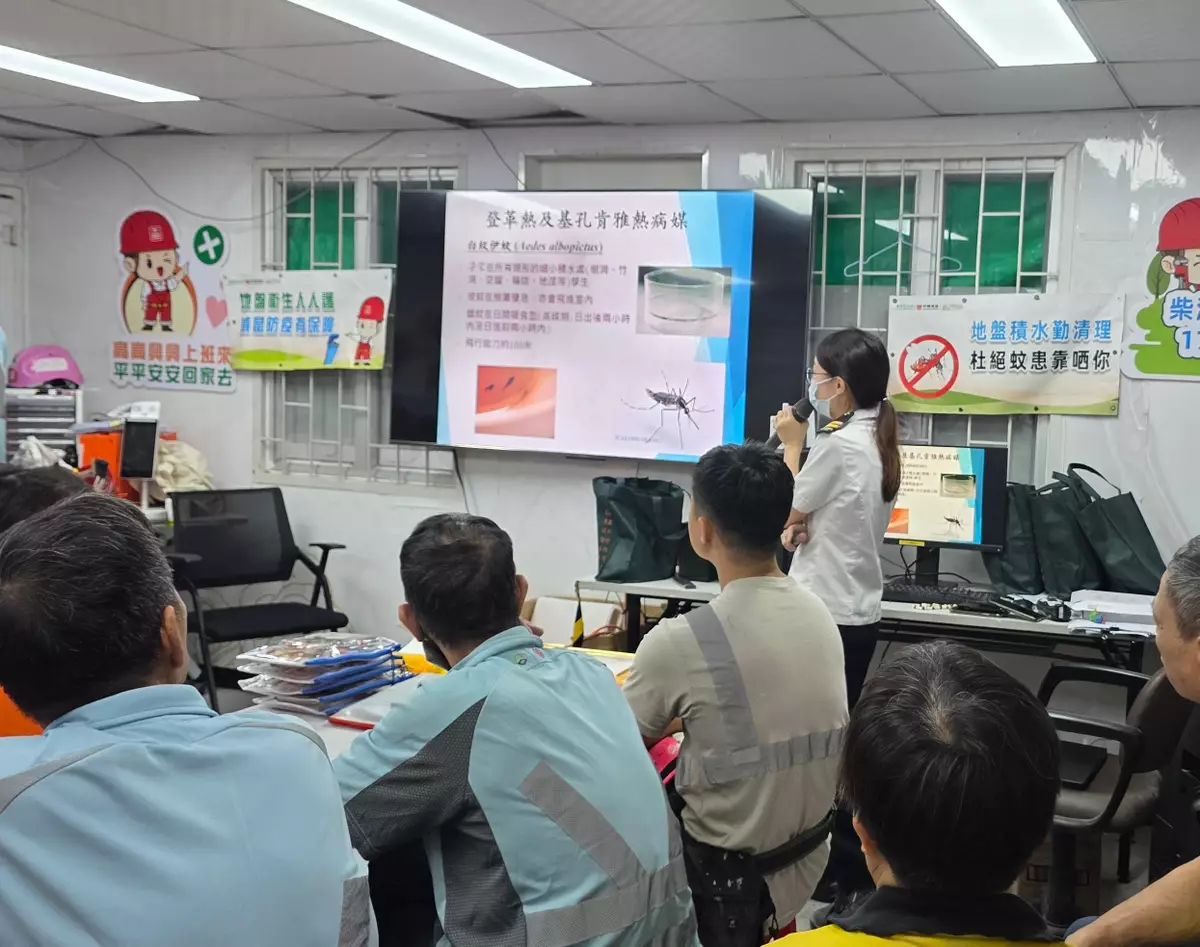
Light Public Housing to open for Phase 3 application from January 30 Source: HKSAR Government Press Releases
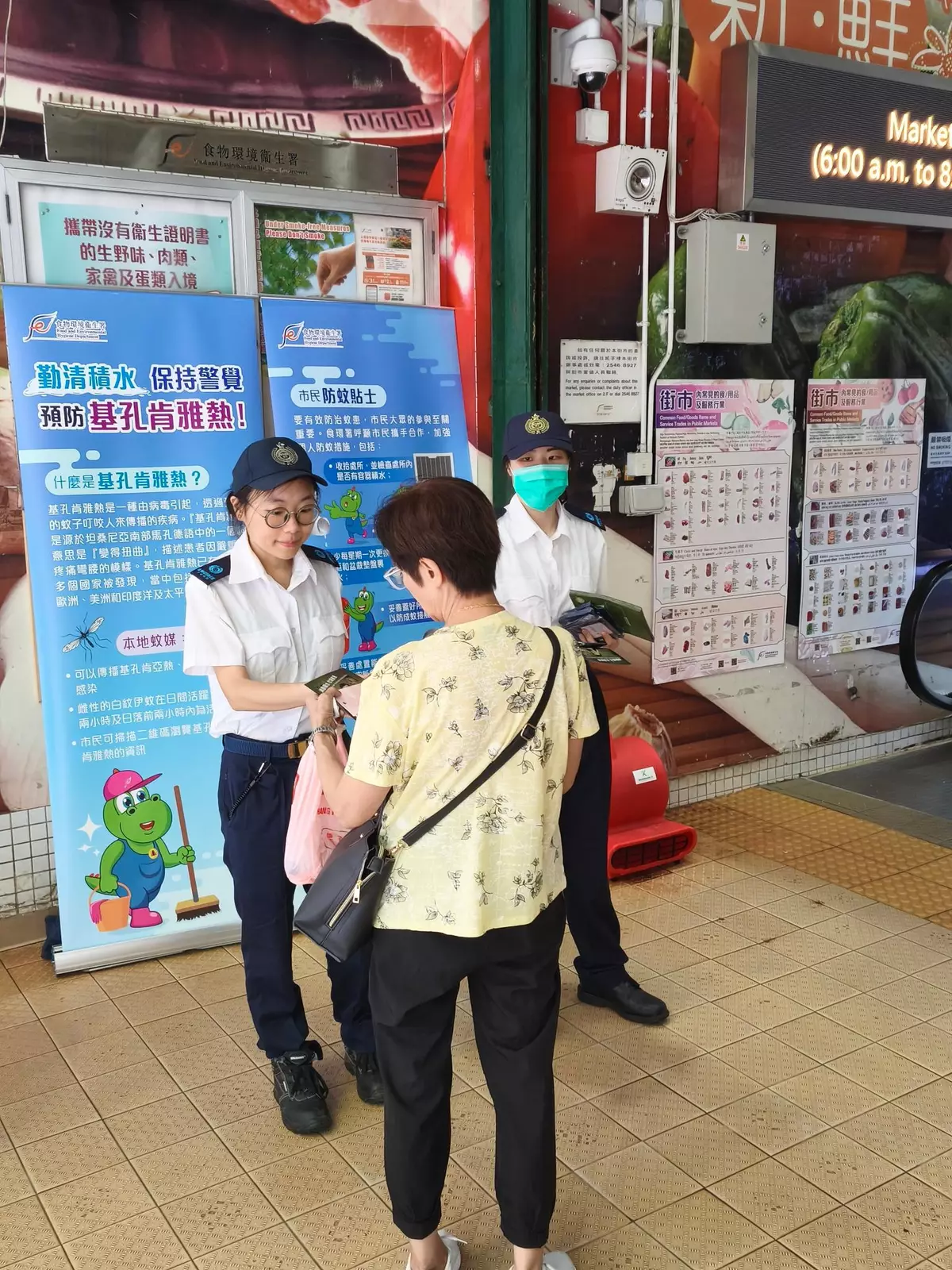
Light Public Housing to open for Phase 3 application from January 30 Source: HKSAR Government Press Releases
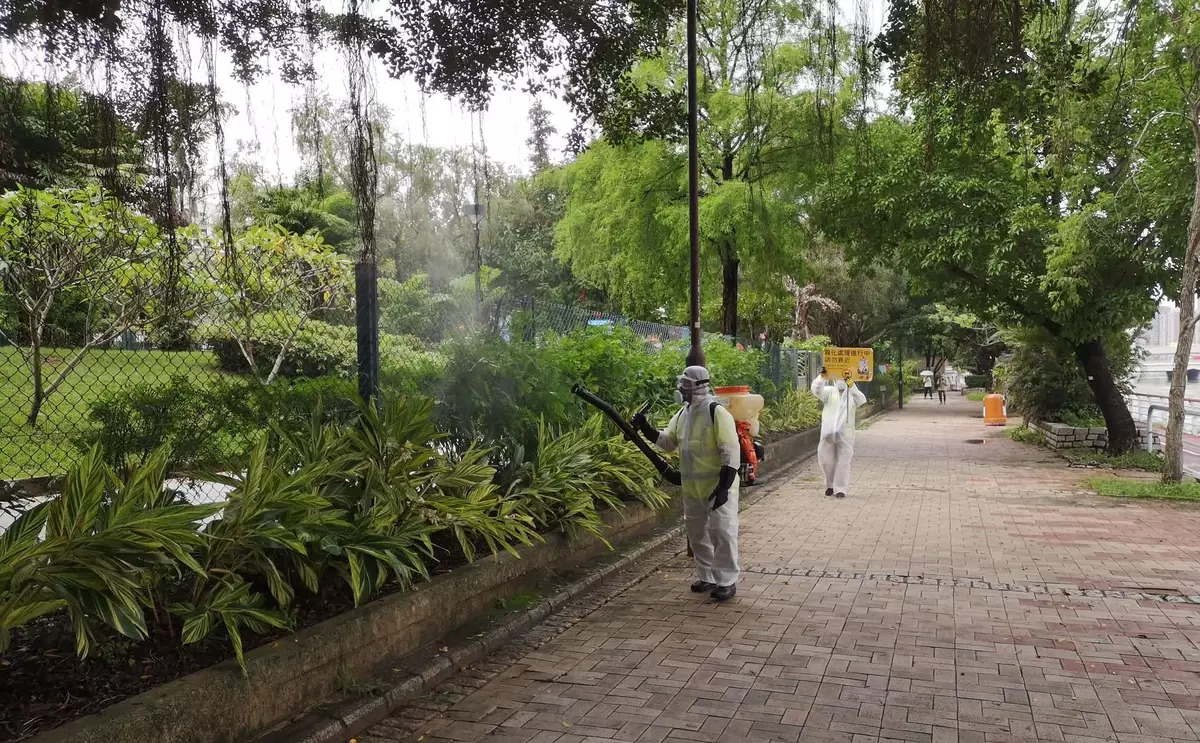
Light Public Housing to open for Phase 3 application from January 30 Source: HKSAR Government Press Releases
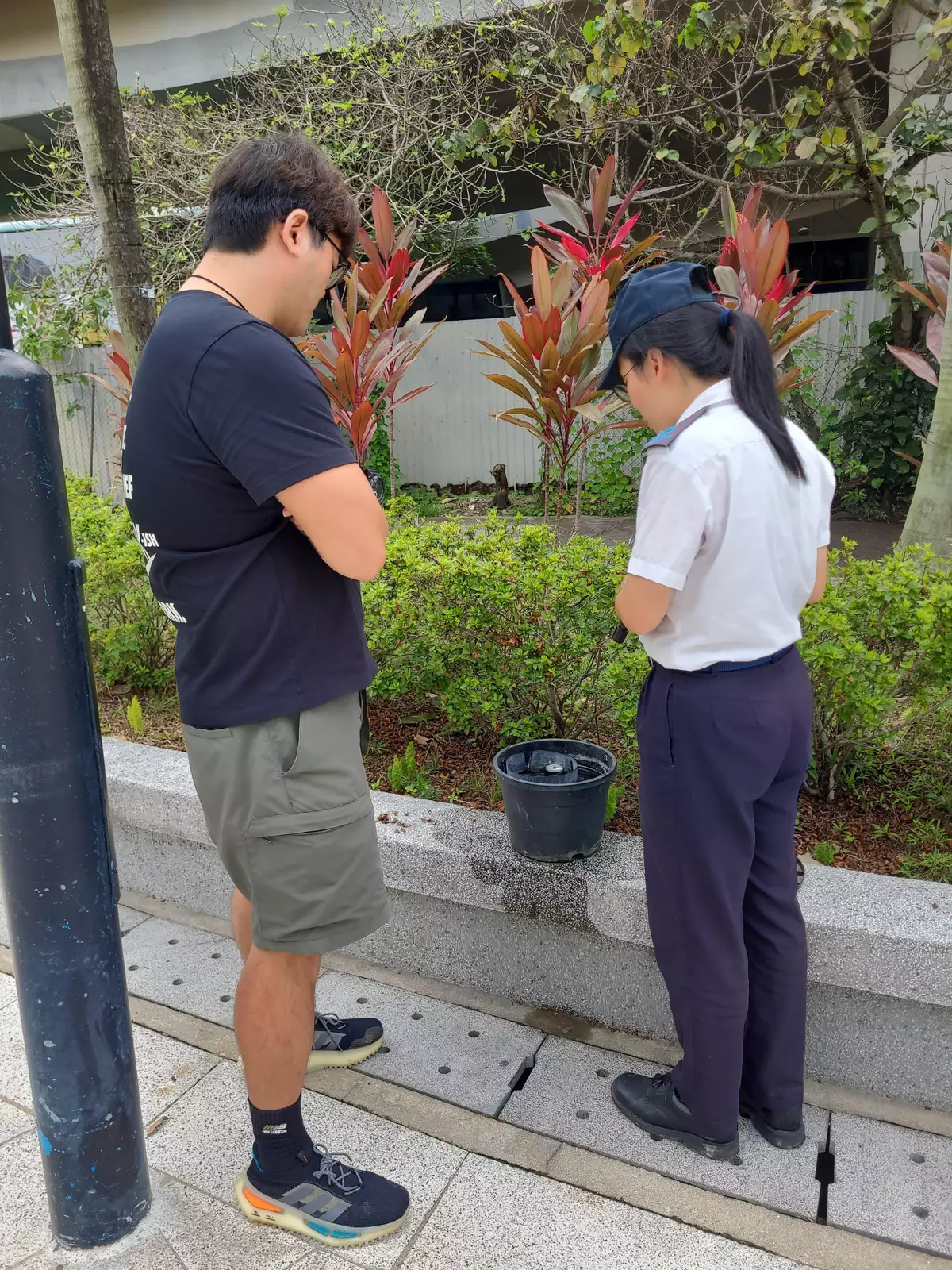
Light Public Housing to open for Phase 3 application from January 30 Source: HKSAR Government Press Releases
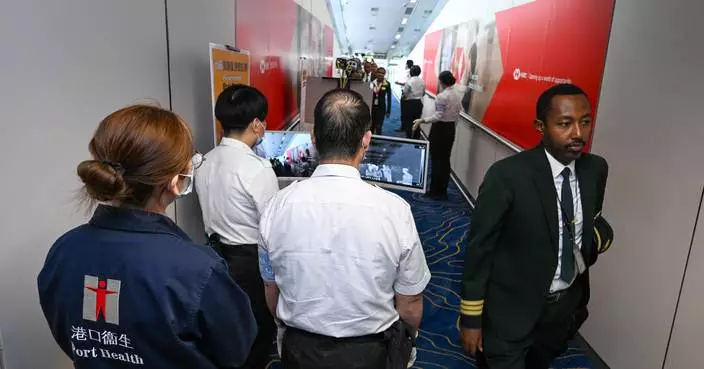
FEHD releases fourth batch of gravidtrap indexes for Aedes albopictus in May

The Food and Environmental Hygiene Department (FEHD) today (May 21) released the fourth batch of gravidtrap indexes and density indexes for Aedes albopictus in May, covering 12 survey areas, as follows:

District

Survey Area

May 2026

First Phase Gravidtrap Index

First Phase Density Index

Eastern

Shau Kei Wan and Sai Wan Ho

9.1%

1.4

Islands

Tung Chung

2.0%

1.0

Kowloon City

Hung Hom and To Kwa Wan

6.7%

1.5

Tai Po

Tai Po East

2.2%

2.0

Tai Po West

15.5%

1.0

Tuen Mun

Tuen Mun South

9.1%

1.4

District

Survey Area

May 2026

Area Gravidtrap Index

Area Density Index

Central and Western

Kennedy Town and Shek Tong Tsui

16.8%

1.3

Eastern

Chai Wan

15.4%

1.0

North Point and Quarry Bay

18.9%

1.4

Southern

Aberdeen and Ap Lei Chau

20.8%

1.7

Sha Tin

Sha Tin Town Centre and Fo Tan

18.3%

1.4

Tsuen Wan

Tsuen Wan Town

6.9%

2.3

The fourth batch of gravidtrap indexes for Aedes albopictus in May includes First Phase Gravidtrap Indexes covering six survey areas and Area Gravidtrap Indexes covering six survey areas. Among which, six survey areas recorded gravidtrap indexes above 10 per cent, while Aberdeen and Ap Lei Chau in Southern District recorded a gravidtrap index above 20 per cent. Meanwhile, the gravidtrap indexes of six survey areas, namely Kennedy Town and Shek Tong Tsui in Central and Western District; North Point and Quarry Bay in Eastern District; Shau Kei Wan and Sai Wan Ho in Eastern District; Aberdeen and Ap Lei Chau in Southern District; Tai Po East in Tai Po District; and Tuen Mun South in Tuen Mun District, have recorded a decrease as compared to the indexes recorded in the last survey period, reflecting the progress of relevant mosquito control work.

With reference to the data from the past few years, the gravidtrap indexes start to rise from April or May every year. The actual timing and extent of the rise are affected by factors like weather conditions and rainfall. The average temperature and rainfall recorded in April this year were higher than those in the same period last year, creating favourable conditions for mosquito growth and breeding. As a result, the rise in gravidtrap indexes occurred earlier this year. With the increase in rainfall in May, the gravidtrap indexes are expected to rise further.

For survey areas which recorded indexes exceeding 10 per cent, in accordance with the mechanism implemented by the FEHD in response to the chikungunya fever (CF) situation (i.e. strengthening mosquito control work in areas with a gravidtrap index between 10 per cent and 20 per cent, instead of 20 per cent or above under the original mechanism), the FEHD is collaborating with relevant departments and stakeholders to identify locations with high mosquito infestations and carry out intensive and targeted mosquito control measures. The FEHD has initiated two prosecutions against the relevant construction site contractors following the discovery of mosquito breeding at construction sites in Tai Po District and Southern District. Moreover, following the discovery of stagnant water or stagnant water containers in a park, a construction site, a private housing estate, a clinic and a private premises in Tai Po District, Central and Western District, as well as Southern District, the FEHD has issued five statutory notices to the responsible persons-in-charge, requiring the clearance of such items within a specified timeframe. The FEHD, the relevant departments and stakeholders are following up on the mosquito control work, and will also organise exhibitions, distribute leaflets and posters, and notify residential estates that have subscribed to the gravidtrap Rapid Alert System, advising property management agents and residents to stay vigilant and work together in taking mosquito prevention and elimination measures. In addition, the FEHD will strengthen the monitoring of the gravidtrap index in the areas to review the effectiveness of the mosquito control work.

Public participation is crucial to the effective control of mosquito problems. The FEHD appeals to members of the public to continue to work together in strengthening personal mosquito control measures, including:

  • tidy up their premises and check for any accumulation of water inside the premises;
  • remove all unnecessary water collections and eliminate the sources;
  • check household items (those placed in outdoor and open areas in particular), such as refuse containers, vases, air conditioner drip trays, and laundry racks to prevent stagnant water;
  • change water in flower vases and scrub their inner surfaces thoroughly, and remove water in saucers under potted plants at least once a week;
  • properly cover all containers that hold water to prevent mosquitoes from accessing the water;
  • properly dispose of articles that can contain water, such as disposable meal boxes and empty cans; and
  • scrub drains and surface sewers with alkaline detergent at least once a week to remove any mosquito eggs.
  • Starting in August 2025, following the completion of the surveillance of individual survey areas, and once the latest gravidtrap index and the density index are available, the FEHD has been disseminating relevant information through press releases, its website and social media. It aims to allow members of the public to quickly grasp the mosquito infestation situation and strengthen mosquito control efforts, thereby reducing the risk of CF transmission.

    Following recommendations from the World Health Organization and taking into account the local situation in Hong Kong, the FEHD sets up gravidtraps in districts where mosquito-borne diseases have been recorded in the past, as well as in densely populated places such as housing estates, hospitals and schools to monitor the breeding and distribution of Aedes albopictus mosquitoes, which can transmit CF and dengue fever. At present, the FEHD has set up gravidtraps in 62 survey areas of the community, with a surveillance period of two weeks. During the surveillance period, the FEHD will collect the gravidtraps once a week. After the first week of surveillance, the FEHD will immediately examine the glue boards inside the retrieved gravidtraps for the presence of adult Aedine mosquitoes to compile the Gravidtrap Index (First Phase) and Density Index (First Phase). At the end of the second week of surveillance, the FEHD will instantly check the glue boards for the presence of adult Aedine mosquitoes. Data from the two weeks of surveillance will be combined to obtain the Area Gravidtrap Index and the Area Density Index. The gravidtrap and density indexes for Aedes albopictus in different survey areas, as well as information on mosquito prevention and control measures, are available on the department's webpage (www.fehd.gov.hk/english/pestcontrol/dengue_fever/Dengue_Fever_Gravidtrap_Index_Update.html#).

    FEHD releases fourth batch of gravidtrap indexes for Aedes albopictus in May  Source: HKSAR Government Press Releases

    FEHD releases fourth batch of gravidtrap indexes for Aedes albopictus in May Source: HKSAR Government Press Releases

    FEHD releases fourth batch of gravidtrap indexes for Aedes albopictus in May  Source: HKSAR Government Press Releases

    FEHD releases fourth batch of gravidtrap indexes for Aedes albopictus in May Source: HKSAR Government Press Releases

    FEHD releases fourth batch of gravidtrap indexes for Aedes albopictus in May  Source: HKSAR Government Press Releases
    FEHD releases fourth batch of gravidtrap indexes for Aedes albopictus in May Source: HKSAR Government Press Releases
    FEHD releases fourth batch of gravidtrap indexes for Aedes albopictus in May  Source: HKSAR Government Press Releases

    FEHD releases fourth batch of gravidtrap indexes for Aedes albopictus in May Source: HKSAR Government Press Releases

    FEHD releases fourth batch of gravidtrap indexes for Aedes albopictus in May  Source: HKSAR Government Press Releases

    FEHD releases fourth batch of gravidtrap indexes for Aedes albopictus in May Source: HKSAR Government Press Releases

    Recommended Articles