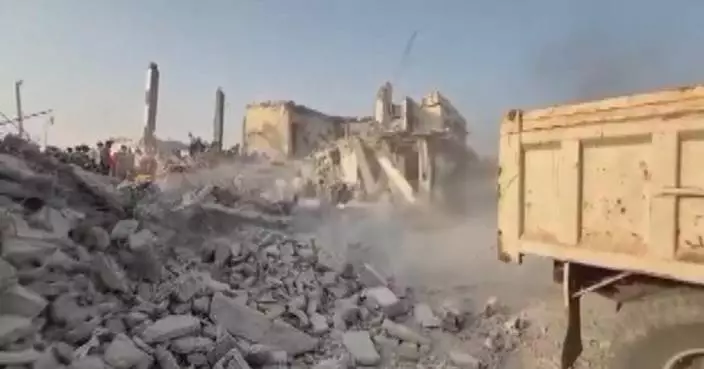
The U.S. military strike on Venezuela in early January bombed a medical supply warehouse in the northern port city of La Guaira, placing thousands of Venezuelans who rely on dialysis at risk of losing life-sustaining treatment.
The destroyed warehouse in La Guaira was a national storage facility for dialysis and kidney disease treatment supplies. The U.S. strike on Jan 3 wiped out medical supplies sufficient for three months of treatment for kidney patients across Venezuela.
Patients at the local Dr. Alfredo Machado Popular Clinic feared that their life-saving treatment would be interrupted.
"At first, I thought we wouldn't be able to receive dialysis that day (Jan 3). But the technical and nursing staff acted quickly, and we were still treated on the day of the explosion," said Jomer Toro, who has been undergoing dialysis for nine years.
"Of course, [the bombing put patients' lives at risk.] These supplies give us a chance to stay alive and are very important to us. They are essential for dialysis. Some patients need treatment three times a week, and some even require continuous dialysis," said Cristian Mujica, who needs lifelong dialysis for end-stage chronic kidney failure.
The medical supplies stored at the clinic typically last about one week. After the U.S. attacks, the clinic activated an emergency plan, reducing dialysis frequency and securing replacement supplies within a week to ensure treatment continuity.
"We stored medical supplies [in the bombed warehouse] for 9,000 kidney patients nationwide, enough for three months. So [after the bombing,] we had to activate an emergency plan. We resumed normal dialysis frequency 72 hours after receiving new supplies. During the period, dialysis treatment still didn't stopped, and now treatment is 100 percent guaranteed. No patients developed complications," said Nelida Lossada, director of the clinic.
To ensure dialysis treatment for about 9,000 Venezuelan kidney patients, the country received medical aid from Brazil. So far, Venezuela has received nearly 100 tons of aid, with an additional 200 tons expected in the coming months.
"War is never a good thing. [Bombs] fall somewhere, and they affect you and your family. It's hard to understand why you would be attacked for no reason, just for oil. It's absurd. Everything could be resolved through dialogue," Lossada said with tears in her eyes.
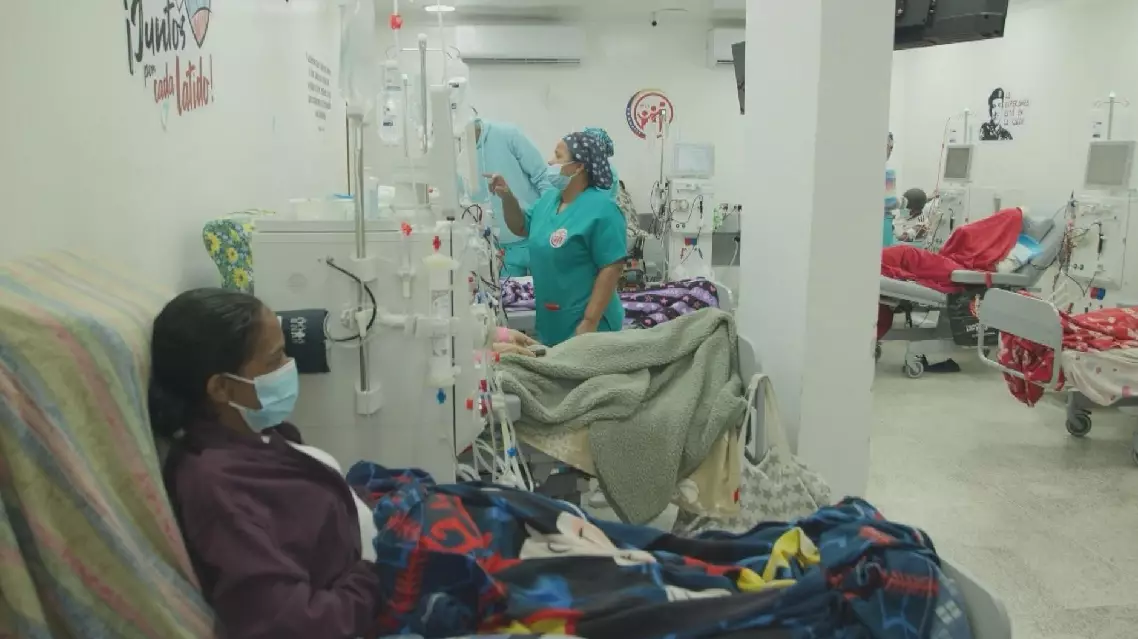
U.S. strike disrupts dialysis supplies, puts Venezuelan kidney patients at risk
National political advisers from the Hong Kong Special Administrative Region (HKSAR) and the Macao Special Administrative Region (Macao SAR) said on Wednesday that the two regions can further leverage their unique advantages to support the nation's opening-up and strengthen its links with global trade and investment networks.
Highlighting the strategic importance of the two regions, Charles M. Choy, a member of the 14th CPPCC National Committee from the Macao SAR emphasized that the dual-access nature of the two regions remains a cornerstone for international engagement.
"Both SARs combine deep access to the mainland with internationally familiar legal and financial systems. Hong Kong continues to function as a major global financial center, facilitating capital flows, RMB internationalization, and global investment into China. Macao, on the other hand, plays a very distinctive role as a bridge between China and Portuguese-speaking countries, and increasingly as a platform for diversified cooperation beyond tourism and gaming internationally. China continues to signal its commitment to opening up and improving the business environment. For international businesses, this is not a moment to wait and see, it is a moment to engage strategically and thoughtfully," he said.
Clarence Chun Kit Ling, a member of the 14th CPPCC National Committee from the HK SAR, noted the specific logistical and trade frameworks that define Hong Kong's contribution to the national strategy.
"Expanding the trade network. Leveraging the unique advantages of Hong Kong as a free port, we will deepen trade exchanges and practical cooperation with countries and regions along the Belt and Road Initiative. We will vigorously foster emerging trade forms such as cross-border e-commerce and trade in services, continuously enhance the diversification and internationalization of trade development, and promote Hong Kong as an important hub for the country to connect with the global trade network," he said.
The 14th National Committee of the CPPCC, China's top political advisory body, concluded its annual session on Wednesday with a call in its work to pool wisdom and strength to ensure a strong start to the 15th Five-Year Plan period (2026-2030).
During the session that ran from March 4 to 11, the national political advisors discussed the government work report, the draft outline of the 15th Five-Year Plan and other reports, and reviewed the work report of the Standing Committee of the CPPCC National Committee, the report on how the proposals from political advisors have been handled since the previous annual session and other documents, achieving fruitful results.

CPPCC members from Hong Kong, Macao highlight SARs' role in connecting nation with global markets
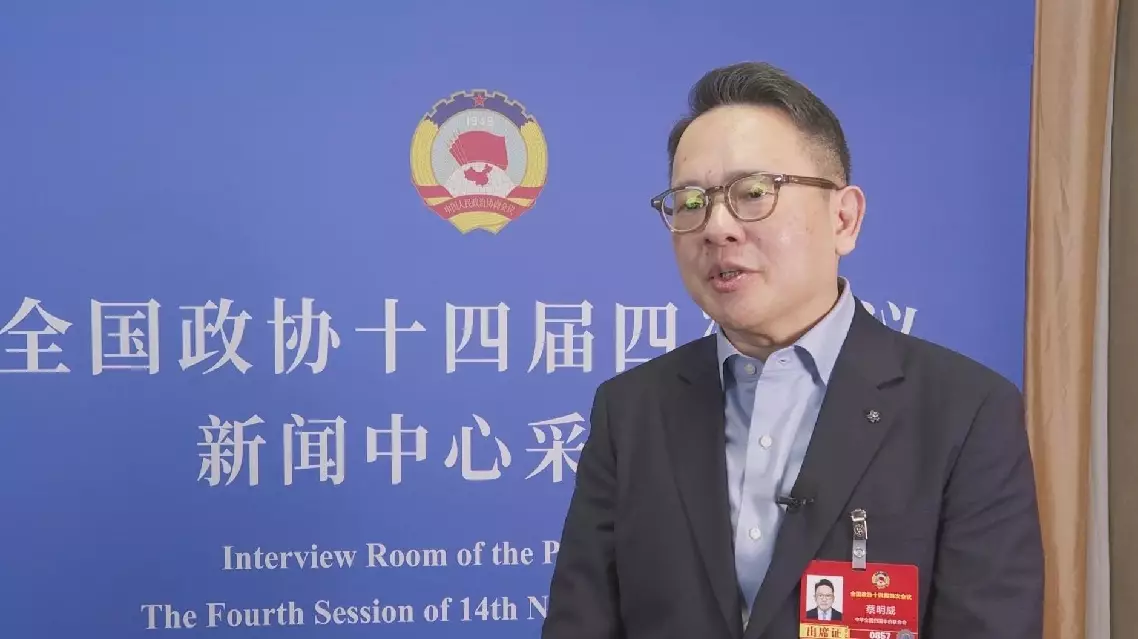
CPPCC members from Hong Kong, Macao highlight SARs' role in connecting nation with global markets