A total of 70,392 new foreign-invested firms were established across China last year, marking an increase of 19.1 percent year on year, the Ministry of Commerce said Friday.
In 2025, actual use of foreign direct investment (FDI) in the Chinese mainland totaled 747.69 billion yuan (106.92 billion U.S. dollars), down 9.5 percent year on year.
In terms of sectors, FDI inflows hit 185.51 billion yuan in the manufacturing sector and 545.12 billion yuan in the service sector.
The hi-tech sector attracted 241.77 billion yuan. FDI inflows soared 75 percent year on year in the e-commerce service sector, 42.1 percent in the medical device and equipment manufacturing sector, and 22.9 percent in the aerospace vehicles and equipment manufacturing sector.
In terms of source countries, FDI from Switzerland shot up 66.8 percent year on year, FDI from the United Arab Emirates rose 27.3 percent, and that from the United Kingdom expanded 15.9 percent.
The sources of foreign investment have become more diversified, with countries such as Switzerland and the United Arab Emirates achieving double-digit growth in their investments in China, according to Zhang Yiting, associate researcher at the Institute for International Economic Research under the National Development and Reform Commission.
China's utilization of foreign investment has improved in quality and resilience, demonstrating significant potential, said the researcher.
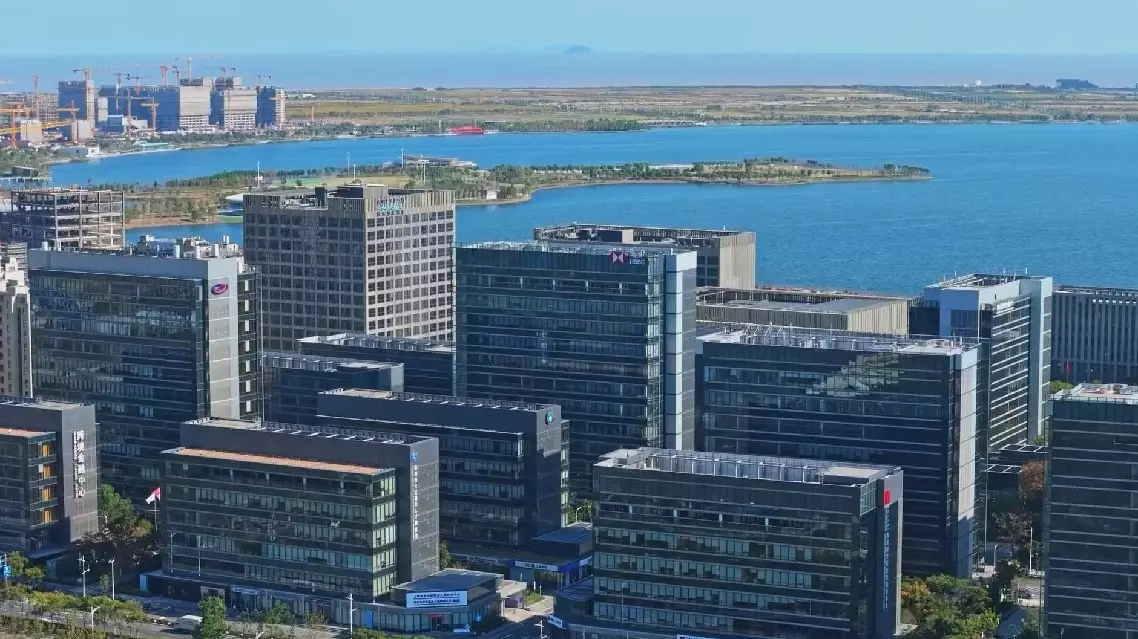
Number of new foreign-invested firms in China up 19.1 pct in 2025
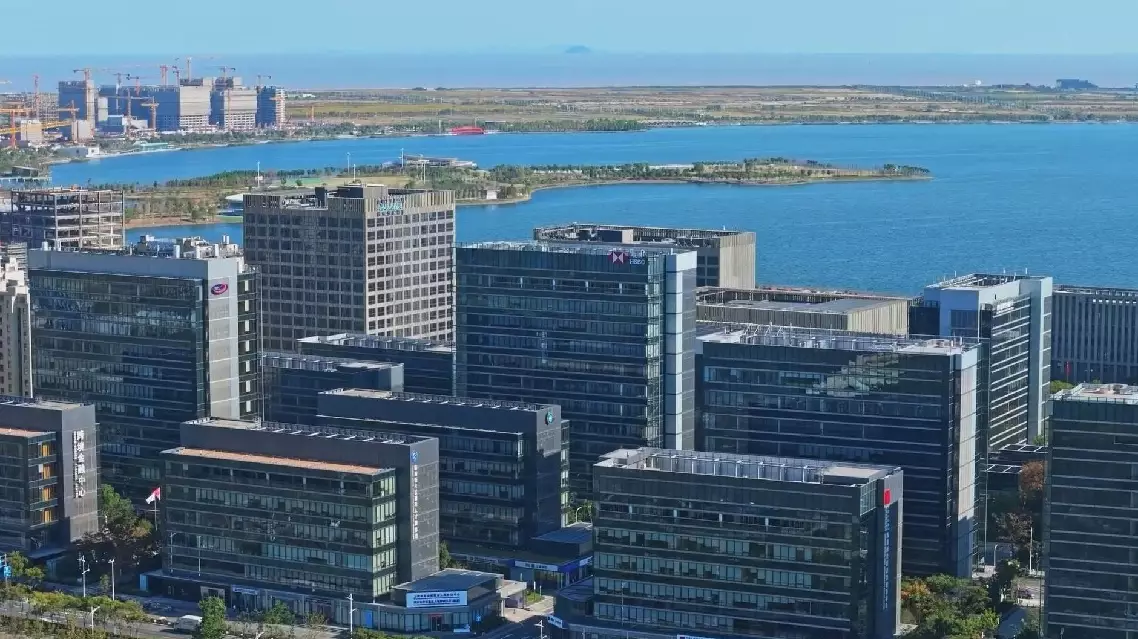
Number of new foreign-invested firms in China up 19.1 pct in 2025