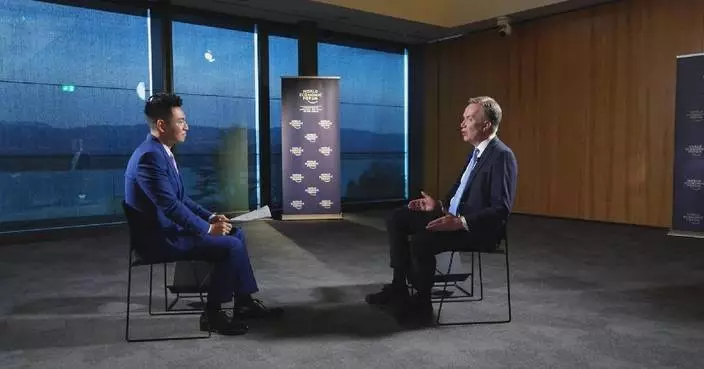
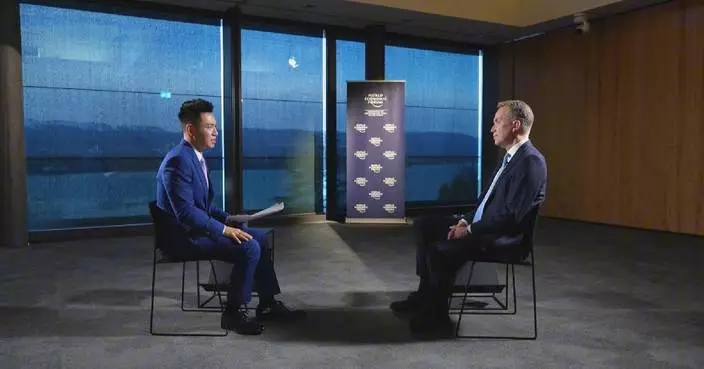
Global economy has performed better than expected, showing strong resilience against rising geopolitical risks thanks to new technologies, World Economic Forum (WEF) President Borge Brende said in an exclusive interview with China Media Group in Geneva, Switzerland last week.
Several WEF reports have identified geopolitical tensions and geoeconomic confrontations as leading short-term threats to global stability.
Acknowledging the current geopolitical situation is at its worse in decades, Brende pointed out that global economy has not been affected as severely as previously thought.
"You can look at the glass half full or half empty. It is true that we are now faced with the most challenging geopolitical backdrop since the end of the cold war. But at the same time, we were thinking that this geopolitical situation would have much more severe impact on global growth, but we have seen that global economy has been very resilient. We are expecting more than 3 percent economic growth this year, globally. China is growing more than 5 percent. The U.S. economy is also doing very well," he said.
The WEF chief attributed the resilience to the development of new technologies, such as artificial intelligence.
"So in the past, trade was the growth engine. Now, it's still important, but the new technologies are driving this growth," he said.
Brende also noted that consequences of large-scale geopolitical conflicts, though unlikely, would be catastrophic, calling for efforts to prevent them from happening.
"So, the way we look at it is that a major escalation of war and conflicts are unlikely. But if it happens, it has big consequences. That's why it also has to be avoided," he said.
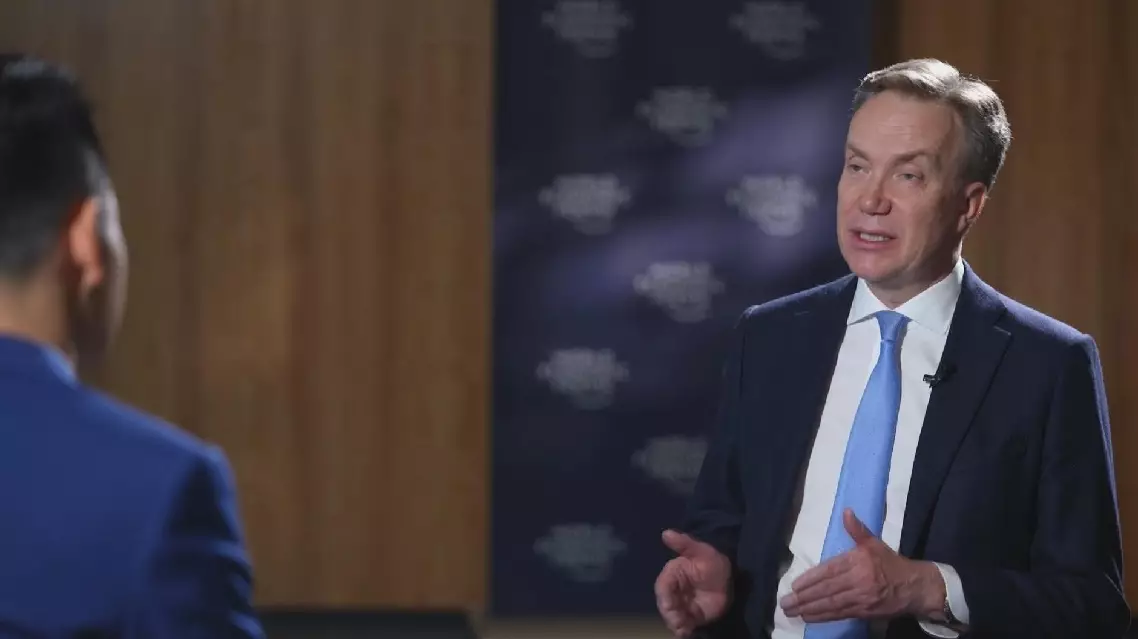
WEF president underscores global economy's resilience against geopolitical risks
Japanese Prime Minister Sanae Takaichi's decision to dissolve the House of Representatives at the start of a regular parliamentary session is aimed at avoiding intense questioning from opposition parties and consolidating her political power, said a Japanese political scholar on Thursday.
Takaichi announced her decision on Monday to dissolve the 465-seat lower house for a snap election, aiming to capitalize on her cabinet's current high approval ratings. On Friday, the lower house was formally dissolved, with a general election set for Feb 8.
Hiroshi Shiratori, a political science professor at Hosei University in Tokyo, pointed out that by dissolving the lower house just as the regular Diet session was about to begin, Takaichi has sidestepped scheduled deliberations and criticism, particularly regarding the upcoming fiscal budget.
"The regular Diet session was about to convene. Had it begun, the administration would have faced various criticisms from opposition parties during processes such as budget deliberations, which could have led to a decline in cabinet approval ratings. So, instead, she just dissolved the House right at the outset," said Shiratori.
Shiratori noted that the dissolution will likely delay the passage of the fiscal 2026 budget, pushing final approval until after April. At a time when Japanese society urgently requires effective economic measures, postponing budget deliberations has already sparked strong public discontent.
"Holding an election at this time will likely delay budget passage until after April. This means issues like coping with rising prices and improving people's livelihoods are being set aside, or even ignored, while the focus shifts to realizing personal political ambition and strengthening Japan's defense capabilities. The public has begun to worry," he said.
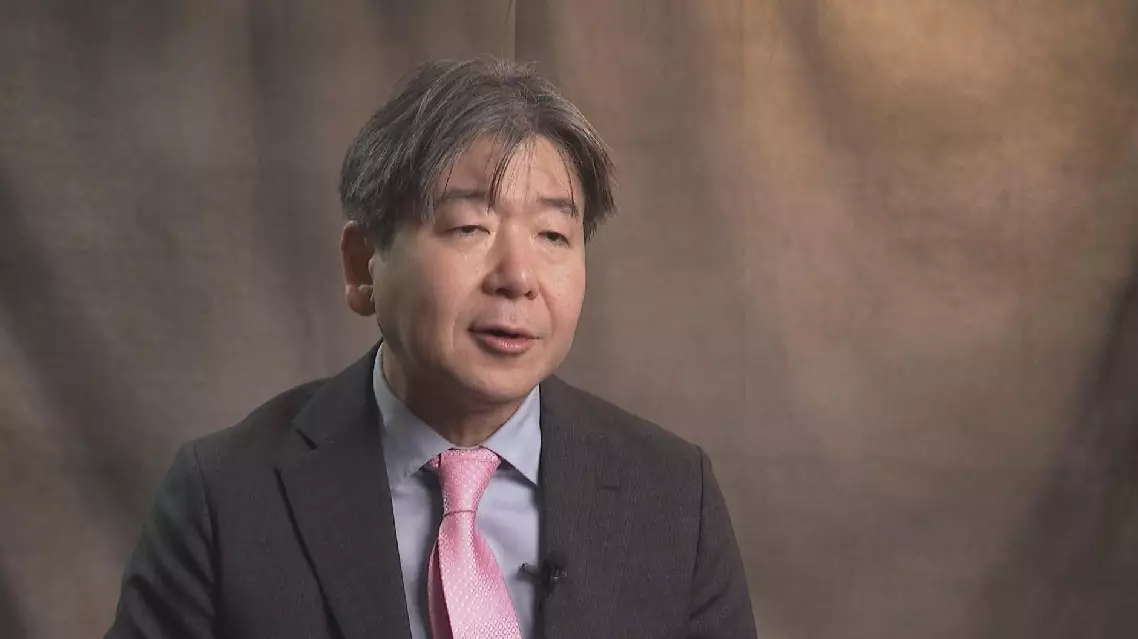
Japanese scholar criticizes Takaichi's timing of parliament dissolution as politically motivated