Japanese Prime Minister Sanae Takaichi's decision to dissolve the House of Representatives at the start of a regular parliamentary session is aimed at avoiding intense questioning from opposition parties and consolidating her political power, said a Japanese political scholar on Thursday.
Takaichi announced her decision on Monday to dissolve the 465-seat lower house for a snap election, aiming to capitalize on her cabinet's current high approval ratings. On Friday, the lower house was formally dissolved, with a general election set for Feb 8.
Hiroshi Shiratori, a political science professor at Hosei University in Tokyo, pointed out that by dissolving the lower house just as the regular Diet session was about to begin, Takaichi has sidestepped scheduled deliberations and criticism, particularly regarding the upcoming fiscal budget.
"The regular Diet session was about to convene. Had it begun, the administration would have faced various criticisms from opposition parties during processes such as budget deliberations, which could have led to a decline in cabinet approval ratings. So, instead, she just dissolved the House right at the outset," said Shiratori.
Shiratori noted that the dissolution will likely delay the passage of the fiscal 2026 budget, pushing final approval until after April. At a time when Japanese society urgently requires effective economic measures, postponing budget deliberations has already sparked strong public discontent.
"Holding an election at this time will likely delay budget passage until after April. This means issues like coping with rising prices and improving people's livelihoods are being set aside, or even ignored, while the focus shifts to realizing personal political ambition and strengthening Japan's defense capabilities. The public has begun to worry," he said.
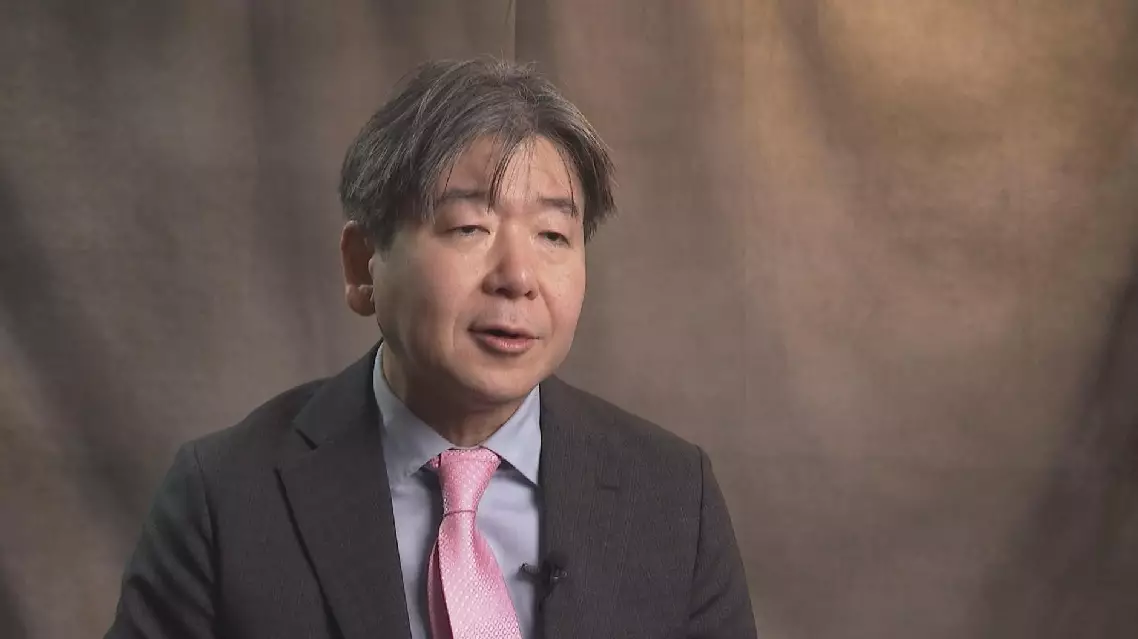
Japanese scholar criticizes Takaichi's timing of parliament dissolution as politically motivated
World Economic Forum (WEF) President Borge Brende has described dialogue as both an "aspiration" and a "necessity" for fostering global cooperation in an increasingly polarized world in an exclusive interview with China Media Group (CMG) in Geneva, Switzerland.
He emphasized the need for a "win-win" mindset and adapting to an era of "bespoke" and "plurilateral" cooperation,facing geopolitical fragmentation and a shifting paradigm of international relations,
His interview took place some days before the WEF Annual Meeting 2026 in Davos, a five-day gathering held from January 19 to 23 under the theme "A Spirit of Dialogue". The meeting focused on five pressing global challenges: how to cooperate in a more contested world, unlock new sources of growth, invest more effectively in people, deploy innovation at scale and responsibly, and build prosperity within planetary boundaries.
"So 'A Spirit of Dialogue' is an aspiration. We want more dialogue because we think talking to each other can bring the world more together and unfortunately we do see a bit of a fragmented and polarized world and we want to see leaders coming together and thinking that win-win, kind of dimension, what is good for your neighbor is also good for me and vice versa, so that's our aspiration," he said.
"We have a long tradition in bringing governmental leaders and business leaders together and we know that we can also at our best, based on dialogue, we can see that they can also reach agreements and and better understandings. And this is very important for us and we are hopeful that this year will be a year where we will see better global cooperation," he said.
Brende acknowledged that the context for international engagement has fundamentally changed, requiring new approaches.
"In the past, it was easier to bring people and leaders together because there was this approach of not beggar than neighbor but prosper than neighbor. Today we are seeing that globalization, that was what was the modus operandi for decades, is we're changing into a kind of a new paradigm where there's more competition between nations and cooperation will also change. It's more bespoke cooperation. It's more also this plurilateral, meaning that nations are coming together, those that do agree and they can move things forward," he said.
"In this new context, we also have to change and be realistic. We also, at the World Economic Forum, of course, we also very much, we're thriving under the former thinking where also the multilateral organizations played a more important role. But we also have to take into account the realities, the real politics of the world," he said.
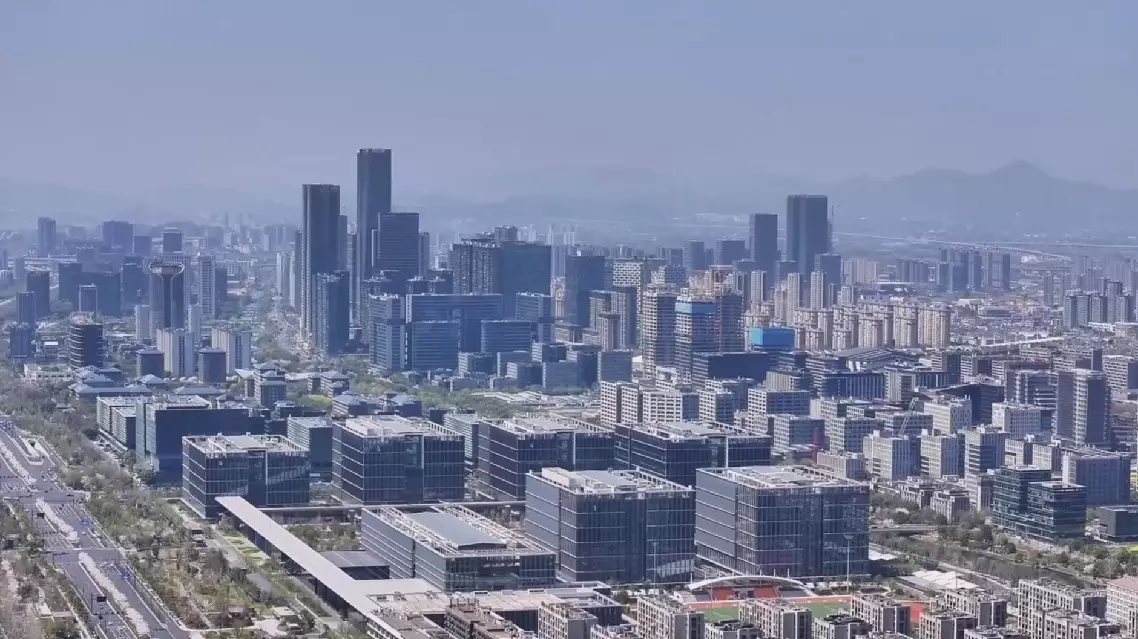
WEF president stresses dialogue as global "necessity" amid fragmentation