The health system in the United States and the vaccine programs in some low-income countries are set to take a hit from the U.S. withdrawal from the World Health Organization (WHO), a global institution that plays a significant role in vaccine development and data sharing.
U.S. President Donald Trump signed an executive order on Tuesday to withdraw the country from the WHO. The United Nations received the formal notice two days later.
National Public Radio (NPR), a U.S.-based media organization, cited WHO officials as saying that withdrawal from the organization takes effect one year after the notice is given, and that all outstanding membership dues must be paid, which Washington had refused to do.
According to NPR, the overdue sum totals approximately 278 million U.S. dollars.
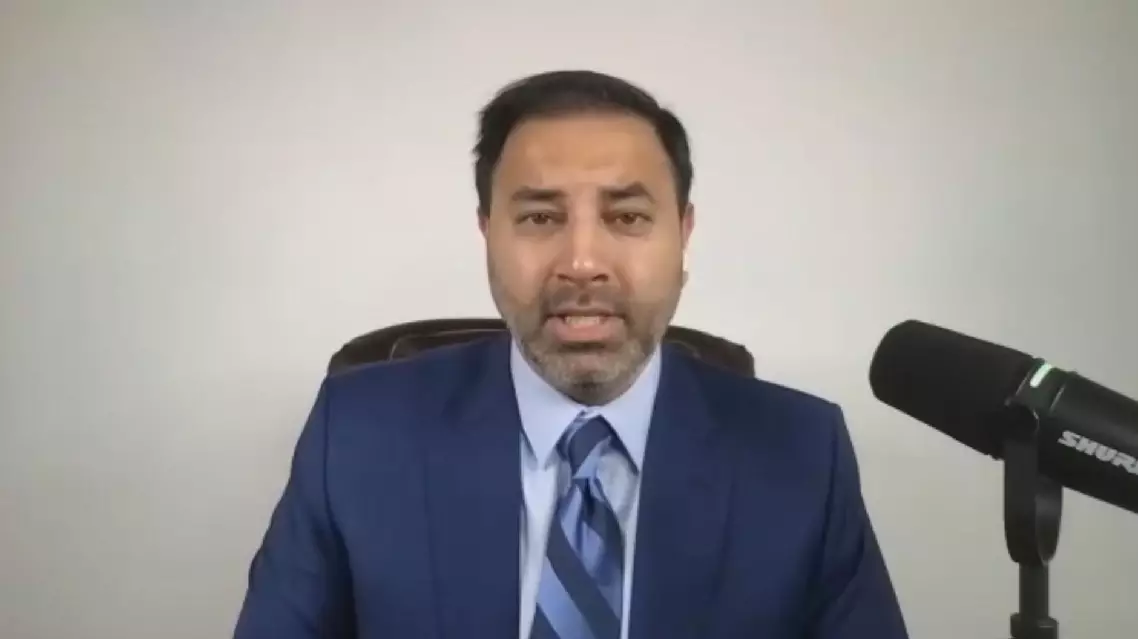
Omer A. Awan, a public health expert, told China Global Television Network (CGTN) on Friday that the U.S. withdrawal from the WHO is disheartening as the organization plays a critical role in protecting people in the U.S. and in other parts of the world.
"As a physician, I'm very disheartened about this decision when you consider just how important the World Health Organization is on the global stage. I mean, we're talking about the leading global health organization that is responsible for coordinating disease surveillance across so many different infectious diseases. It's responsible for setting vaccine standards, and it shares transparent, important data all across the world. So, this is important to keep not only Americans, but the world safe," said Awan.
He added that the withdrawal is also set to undermine the U.S. health system.
"I believe what's going to happen is that in the United States, for example, we're going to have delayed warnings of future outbreaks. Things like if Mpox or Ebola or even the flu are spreading, we won't get warned as fast as we probably should. The other is which we often don't talk about is vaccine development. So, one of the critical aspects of the World Health Organization is to gather and collaborate with different countries about the development of vaccines, like the flu vaccine, for example. And if the United States is not part of that conversation, then it's possible that the flu vaccine may not be as effective as treating or preventing the strains that are circulating in the United States. So that, obviously, of course, makes us less healthy and less effective at combating the flu. And of course, we won't be prepared for a future pandemic should one occur, because the World Health Organization plays a crucial and critical role in preparing all of us for pandemic," he said.
He also highlighted that the U.S.'s unpaid bill will affect the WHO's operations, leaving vaccine programs in many low-income countries unfunded.
"We're talking about an organization that has dedicated millions of dollars to lifesaving vaccines that have helped very low-income countries, places like Africa, Southeast Asia, that have prevented deadly infectious diseases, things like polio, for example. So, I do suspect that future administrations will see the value of the World Health Organization and hopefully America will return one day," said Awan.
US's withdrawal from WHO undermines its health system, vaccine programs in low-income countries: expert