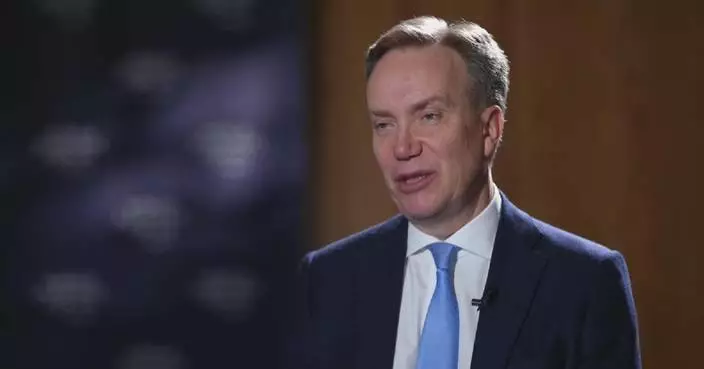
World Economic Forum (WEF) President Borge Brende has described dialogue as both an "aspiration" and a "necessity" for fostering global cooperation in an increasingly polarized world in an exclusive interview with China Media Group (CMG) in Geneva, Switzerland.
He emphasized the need for a "win-win" mindset and adapting to an era of "bespoke" and "plurilateral" cooperation,facing geopolitical fragmentation and a shifting paradigm of international relations,
His interview took place some days before the WEF Annual Meeting 2026 in Davos, a five-day gathering held from January 19 to 23 under the theme "A Spirit of Dialogue". The meeting focused on five pressing global challenges: how to cooperate in a more contested world, unlock new sources of growth, invest more effectively in people, deploy innovation at scale and responsibly, and build prosperity within planetary boundaries.
"So 'A Spirit of Dialogue' is an aspiration. We want more dialogue because we think talking to each other can bring the world more together and unfortunately we do see a bit of a fragmented and polarized world and we want to see leaders coming together and thinking that win-win, kind of dimension, what is good for your neighbor is also good for me and vice versa, so that's our aspiration," he said.
"We have a long tradition in bringing governmental leaders and business leaders together and we know that we can also at our best, based on dialogue, we can see that they can also reach agreements and and better understandings. And this is very important for us and we are hopeful that this year will be a year where we will see better global cooperation," he said.
Brende acknowledged that the context for international engagement has fundamentally changed, requiring new approaches.
"In the past, it was easier to bring people and leaders together because there was this approach of not beggar than neighbor but prosper than neighbor. Today we are seeing that globalization, that was what was the modus operandi for decades, is we're changing into a kind of a new paradigm where there's more competition between nations and cooperation will also change. It's more bespoke cooperation. It's more also this plurilateral, meaning that nations are coming together, those that do agree and they can move things forward," he said.
"In this new context, we also have to change and be realistic. We also, at the World Economic Forum, of course, we also very much, we're thriving under the former thinking where also the multilateral organizations played a more important role. But we also have to take into account the realities, the real politics of the world," he said.
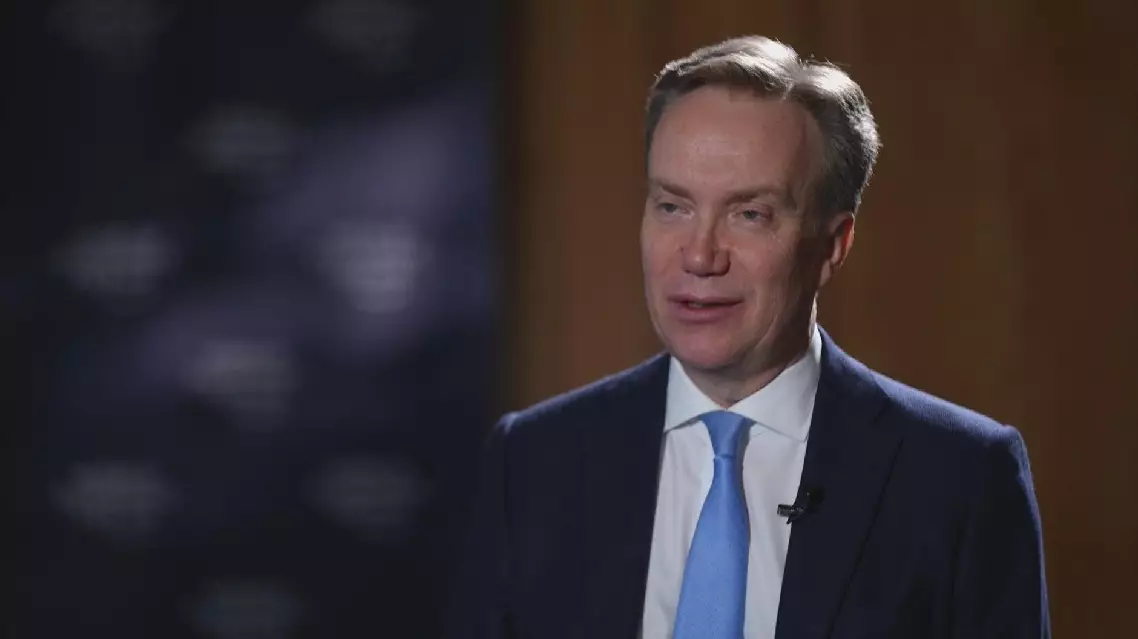
WEF president stresses dialogue as global "necessity" amid fragmentation
The People's Bank of China (PBOC), the country's central bank, will continue to implement a moderately loose monetary policy in 2026, and utilize tools such as reserve requirement ratio (RRR) cuts and interest rate reductions to ensure liquidity remains sufficient, according to its governor Pan Gongsheng.
Monetary policy will focus on promoting stable economic growth and reasonable price recovery, with the use of both incremental and existing policies to create a favorable monetary and financial environment for the high-quality development and stable operations of financial markets, said Pan.
"We will carefully calibrate the intensity, pace, and timing of policy implementation, and make flexible and efficient use of monetary policy instruments such as RRR cuts and interest rate reductions to maintain adequate liquidity. This will ensure that increases in aggregate financing and money supply are in step with projected economic growth and Consumer Price Index levels. There remains room for RRR and interest rate cuts this year. The PBOC will also strengthen the implementation and supervision of interest rate policies to keep overall financing costs low," said Pan.
For 2026, financial institutions will be guided to enhance support for key areas, including expanding domestic demand, advancing technological innovation, and assisting micro, small, and medium-sized enterprises, he said.
"Efforts will be made to improve consumer finance services, further facilitate payment service, and effectively implement the one-off credit repair policy to improve the consumer finance environment. We will also support eligible financial institutions in issuing financial bonds to boost funding supply in the consumption sector," said Pan.
In addition, policy backing will be further strengthened for technological innovation, said Pan.
The relending quota for sci-tech innovation and technological upgrades will be raised from 800 billion yuan (about 114.81 billion U.S. dollars) to 1.2 trillion yuan, with the scope extended to include small and medium-sized private enterprises (SMEs) with higher levels of research and development investment.
"The relending and rediscounting quota targeting agriculture and small businesses will be increased by 500 billion yuan, bringing the total to 4.35 trillion yuan. Meanwhile, a dedicated relending facility of 1 trillion yuan will be established specifically for private enterprises, prioritizing support for private SMEs. Financial institutions will also be supported in issuing financial bonds for micro and small enterprises, and the credit enhancement system for private SMEs will be improved," he said.
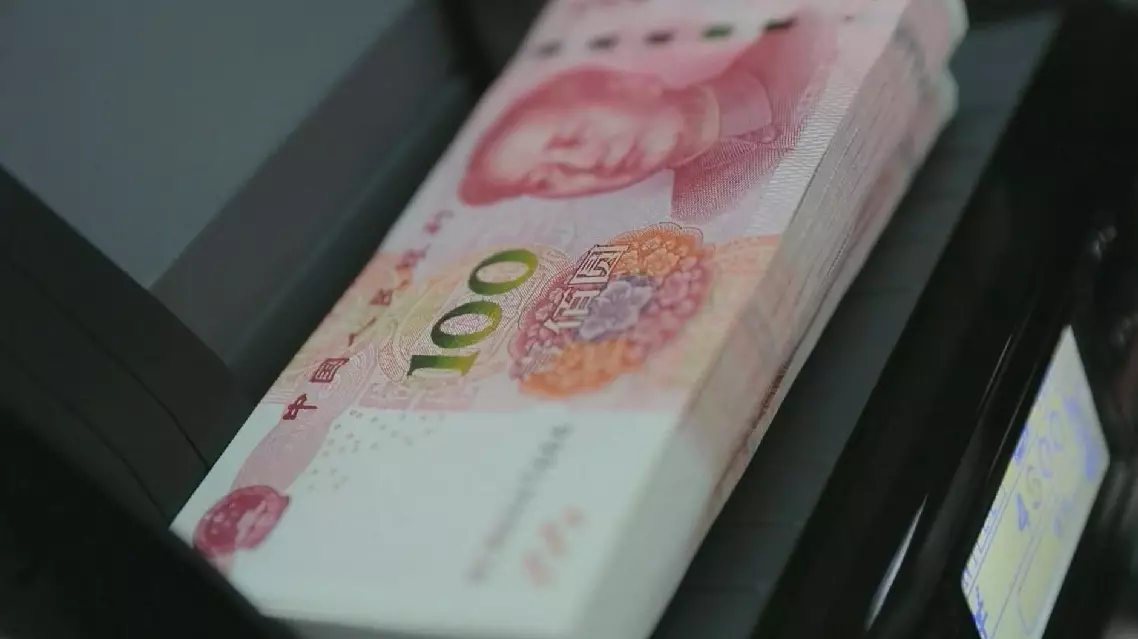
China's central bank signals further RRR, interest rate cuts to bolster growth
China's central bank signals further RRR, interest rate cuts to bolster growth