Skip to Content Facebook Feature Image

Syngenta and Statkraft Sign Five-Year Virtual Power Purchase Agreement

Business

Syngenta and Statkraft Sign Five-Year Virtual Power Purchase Agreement
Business

Business

Syngenta and Statkraft Sign Five-Year Virtual Power Purchase Agreement

2026-01-26 15:02 Last Updated At:15:13

BASEL, Switzerland & DÜSSELDORF, Germany--(BUSINESS WIRE)--Jan 26, 2026--

Syngenta, one of the world’s biggest agricultural innovation companies, and Statkraft, a leading provider of innovative green energy solutions in Europe, have signed a virtual power purchase agreement (vPPA) covering Syngenta’s CP & Seeds operations for a period of five years. The volume amounts to 125 GWh per year and a total of 625 GWh of green electricity by the end of the contract in 2030.

This press release features multimedia. View the full release here: https://www.businesswire.com/news/home/20260125701845/en/

With the vPPA, Statkraft is supporting Syngenta in advancing its sustainability strategy through the purchase of renewable energy. "This is Syngenta's first vPPA, marking a pivotal step in our decarbonization strategy," said Rachel Stenson Bugnon, Global Head CP Sourcing at Syngenta. "This tailored approach allows us to make meaningful progress toward our carbon reduction targets for Syngenta AG while maintaining operational efficiency across our European facilities."

“VPPAs are also becoming increasingly important in Germany. We are delighted to support Syngenta with this tailor-made PPA solution to decarbonize its production”, says Sascha Schröder, Vice President Central European Origination at Statkraft. “We are building a bridge between operators of wind farms that are no longer eligible for subsidies, who typically prefer short delivery terms, and companies seeking long-term green power procurement that integrates smoothly into their established sourcing strategy.”

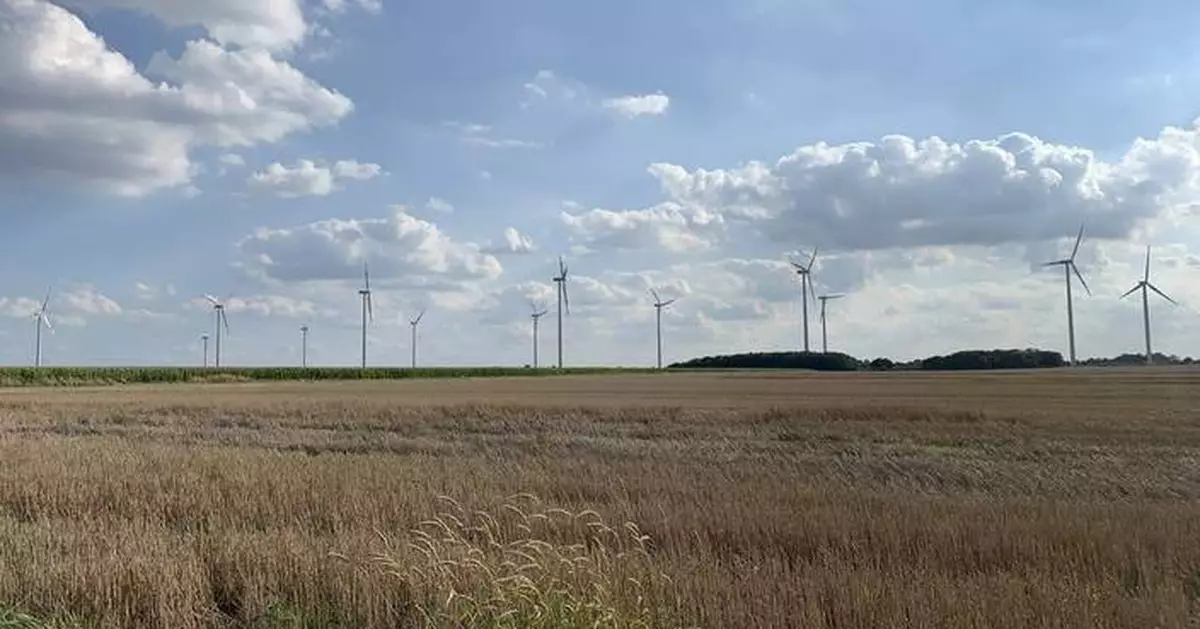
The agreement is based on an artificial wind farm with which Statkraft maps the entire generation capacity of onshore wind turbines in the German market, enabling tailor-made electricity supply offers for companies. In addition, Syngenta is securing green electricity indexed to the electricity spot market for five years. Under the vPPA, Syngenta obtains the certificates of origin for the agreed electricity volume.

The vPPA is a financial supply contract without physical electricity flow. The key advantage is that companies such as Syngenta can pursue their sustainability goals without having to change their operational processes or contracts with their energy supplier. At the same time, Syngenta supports the continued economic operation of wind facilities that would otherwise face economic uncertainty after government subsidy expiration, helping to keep clean energy flowing to the grid.

About Syngenta

Syngenta is a global leader in agricultural innovation with a presence in more than 90 countries. Syngenta is focused on developing technologies and farming practices that empower farmers, so they can make the transformation required to feed the world’s population while preserving our planet. Its bold scientific discoveries deliver better benefits for farmers and society on a bigger scale than ever before. Guided by its Sustainability Priorities, Syngenta is developing new technologies and solutions that support farmers to grow healthier plants in healthier soil with a higher yield. Syngenta Crop Protection is headquartered in Basel, Switzerland; Syngenta Seeds is headquartered in the United States. Read our stories and follow us on LinkedIn, Instagram & X.

About Statkraft

Statkraft is an international leader in hydropower and Europe's largest producer of renewable energy. The group generates electricity from water, wind, solar, and gas, supplies district heating, and is a major player in energy trading worldwide. Statkraft employs around 7,000 people in more than 20 countries.

Data protection is important to us. You are receiving this publication on the legal basis of Article 6 para 1 lit. f GDPR (“legitimate interest”). However, if you do not wish to receive further information about Syngenta, just send us a brief informal message and we will no longer process your details for this purpose. You can also find further details in our privacy statement.

Cautionary Statement Regarding Forward-Looking Statements

This document may contain forward-looking statements, which can be identified by terminology such as ‘expect’, ‘would’, ‘will’, ‘potential’, ‘plans’, ‘prospects’, ‘estimated’, ‘aiming’, ‘on track’ and similar expressions. Such statements may be subject to risks and uncertainties that could cause the actual results to differ materially from these statements. For Syngenta, such risks and uncertainties include risks relating to legal proceedings, regulatory approvals, new product development, increasing competition, customer credit risk, general economic and market conditions, compliance and remediation, intellectual property rights, implementation of organizational changes, impairment of intangible assets, consumer perceptions of genetically modified crops and organisms or crop protection chemicals, climatic variations, fluctuations in exchange rates and/or commodity prices, single source supply arrangements, political uncertainty, natural disasters, and breaches of data security or other disruptions of information technology. Syngenta assumes no obligation to update forward-looking statements to reflect actual results, changed assumptions or other factors.

©2025 Syngenta. Rosentalstrasse 67, 4058 Basel, Switzerland.
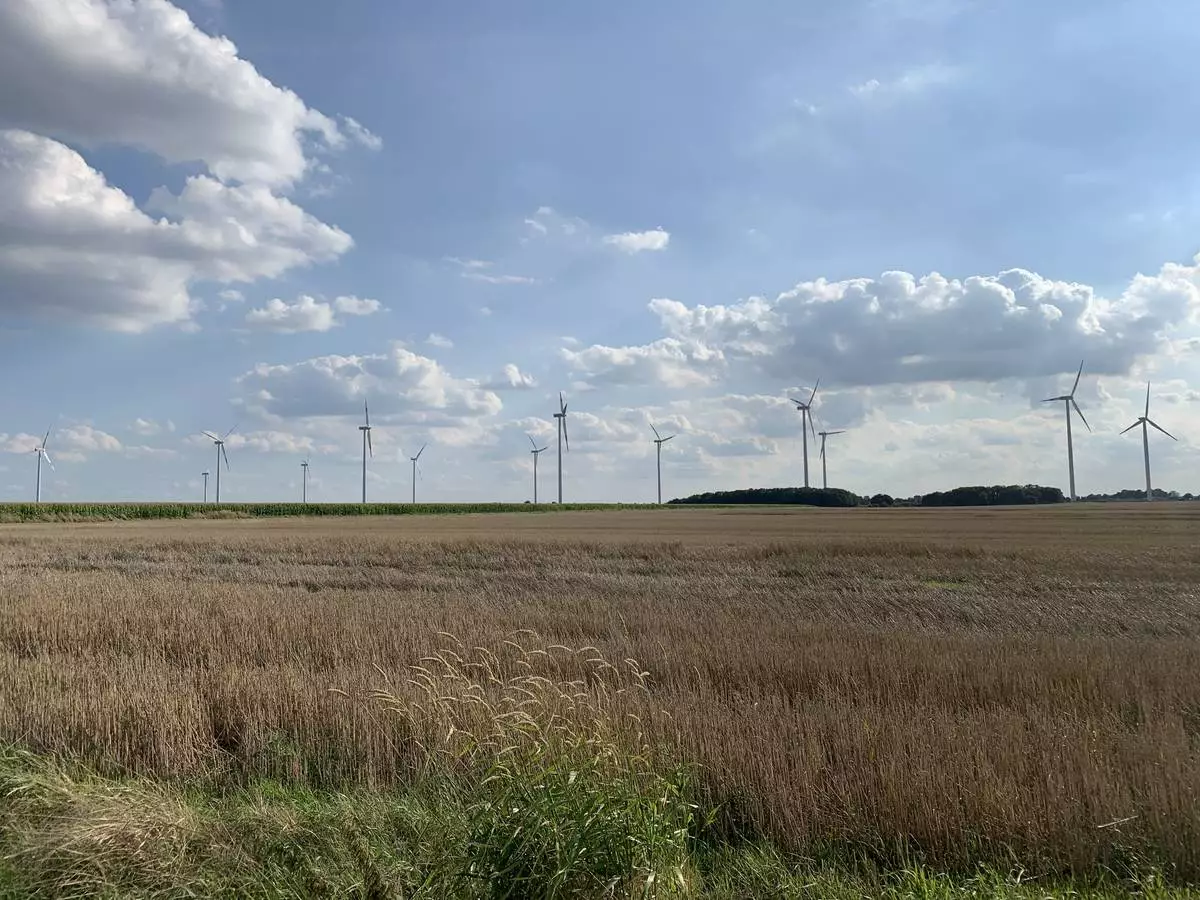
Syngenta and Statkraft sign five-year virtual power purchase agreement

Syngenta and Statkraft sign five-year virtual power purchase agreement

TOKYO (AP) — Asian shares mostly declined Monday, as Japan's benchmark took a tumble after the yen surged against the U.S. dollar.

Japan's benchmark Nikkei 225 dropped 1.8% to 52,870.15 on selling of big exporters like Toyota Motor Corp., whose shares fell 4%.

A weak currency is generally favorable for Japanese exporters because it helps elevate the value of their overseas earnings. In recent months, the dollar has gained against the yen. It fell sharply in the past few days after officials in both Japan and the U.S. indicated they were prepared to intervene to support the yen.

Although finance officials did not directly confirm such intervention was in the works, they confirmed they were in close coordination with the U.S. on currency fluctuations.

“Intervention chatter did the trick. Since Friday, the yen has staged a sharp rebound on expectations that Japanese authorities — possibly with U.S. coordination — would step in.” said Ipek Ozkardeskaya, a senior analyst at Swissquote.

The dollar slipped to 154.27 Japanese yen from 155.01 yen. It had been trading around 158 yen last week.

The euro fell to $1.1853 from $1.1858.

Elsewhere in Asia, South Korea’s Kospi dipped 0.7% to 4,955.79.

Hong Kong’s Hang Seng inched down less than 0.1% to 26,735.54, while the Shanghai Composite added 0.1% to 4,141.31.

Markets were closed in Australia, New Zealand, India and Indonesia.

U.S. futures edged lower on persisting uncertainty over U.S. tariff policies, among other issues.

The futures for the S&P 500 and the Dow Jones Industrial Average were down 0.3%.

A threat by U.S. President Donald Trump to impose a 100% tariff on goods from Canada was countered by Canadian Prime Minister Mark Carney. Trump had warned he might hike tariffs if Canada signed a free trade deal with China. Carney said Canada had no plans for such a deal.

In 2024, Canada mirrored the United States by putting a 100% tariff on electric vehicles from Beijing and a 25% tariff on steel and aluminum. China had responded by imposing 100% import taxes on Canadian canola oil and meal and 25% on pork and seafood.

Breaking with the United States this month during a visit to China, Carney cut its 100% tariff on Chinese electric cars in return for lower tariffs on those Canadian products.

On Friday, the S&P 500 edged up less than 0.1% to 6,915.61. But it still notched a second straight week with a modest loss. The Dow Jones Industrial Average dipped 0.6% to 49,098.71. The Nasdaq composite rose 0.3% to 23,501.24.

The majority of stocks on Wall Street fell, and Intel weighed on the market after tumbling 17%.

The next chance for the U.S. Federal Reserve to move the short-term interest rate it controls will come on Wednesday. The market expectation is that it will hold steady.

In other dealings Monday, benchmark U.S. crude rose 43 cents to $61.50 a barrel. Brent crude, the international standard, edged up 48 cents to $65.55 a barrel.

Gold gained 2% to over $5,100 an ounce, while silver jumped 7% to $108.39 per ounce. The value of precious metals has surged in recent months as investors sought relatively safe places to invest.

Yuri Kageyama is on Threads: https://www.threads.com/@yurikageyama

A dealer walks past near the screens showing the Korea Composite Stock Price Index (KOSPI), right, and the foreign exchange rate between U.S. dollar and South Korean won at a dealing room of Hana Bank in Seoul, South Korea, Monday, Jan. 26, 2026. (AP Photo/Lee Jin-man)

A dealer walks past near the screens showing the Korea Composite Stock Price Index (KOSPI), right, and the foreign exchange rate between U.S. dollar and South Korean won at a dealing room of Hana Bank in Seoul, South Korea, Monday, Jan. 26, 2026. (AP Photo/Lee Jin-man)

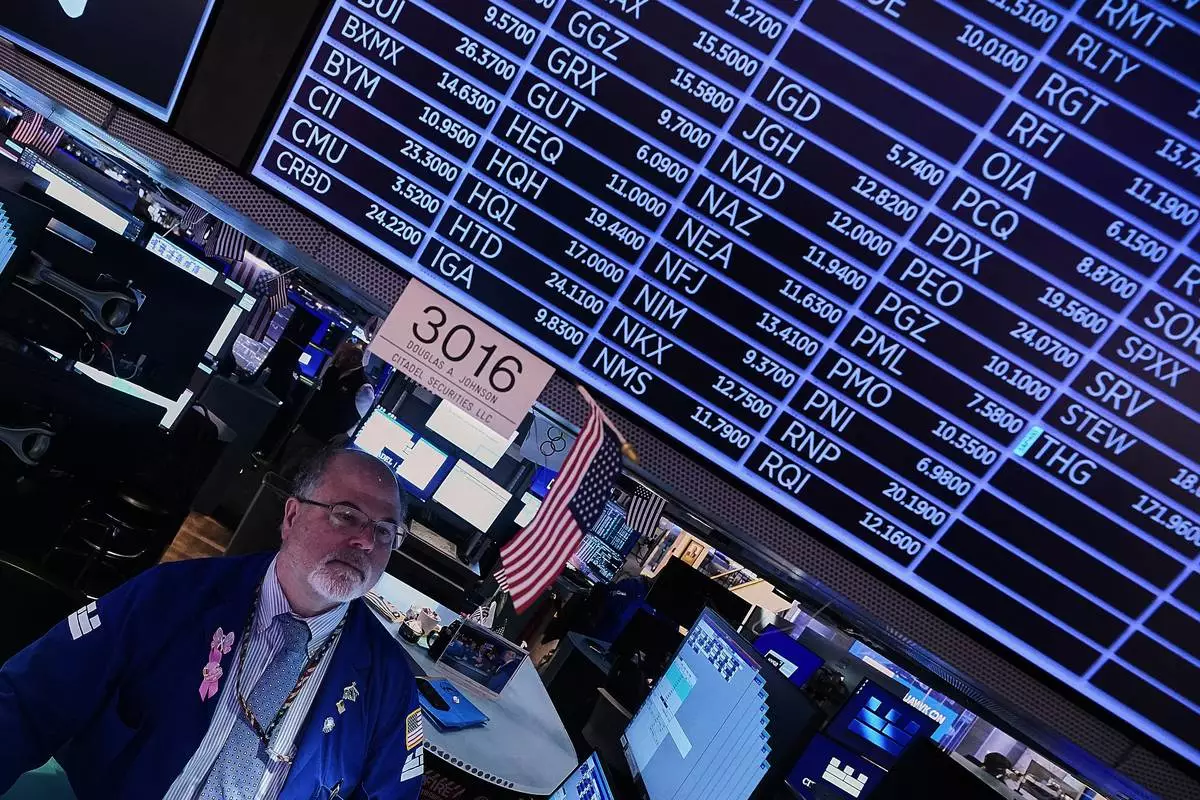
Specialist Douglas Johnson works at his post on the floor of the New York Stock Exchange, Thursday, Jan. 22, 2026. (AP Photo/Richard Drew)

Specialist Douglas Johnson works at his post on the floor of the New York Stock Exchange, Thursday, Jan. 22, 2026. (AP Photo/Richard Drew)

A dealer walks past near the screens showing the Korea Composite Stock Price Index (KOSPI), right, and the foreign exchange rate between U.S. dollar and South Korean won at a dealing room of Hana Bank in Seoul, South Korea, Monday, Jan. 26, 2026. (AP Photo/Lee Jin-man)

A dealer walks past near the screens showing the Korea Composite Stock Price Index (KOSPI), right, and the foreign exchange rate between U.S. dollar and South Korean won at a dealing room of Hana Bank in Seoul, South Korea, Monday, Jan. 26, 2026. (AP Photo/Lee Jin-man)

A dealer walks past near the screens showing the Korea Composite Stock Price Index (KOSPI), left, and the Korean Securities Dealers Automated Quotations (KOSDAQ) at a dealing room of Hana Bank in Seoul, South Korea, Monday, Jan. 26, 2026. (AP Photo/Lee Jin-man)

A dealer walks past near the screens showing the Korea Composite Stock Price Index (KOSPI), left, and the Korean Securities Dealers Automated Quotations (KOSDAQ) at a dealing room of Hana Bank in Seoul, South Korea, Monday, Jan. 26, 2026. (AP Photo/Lee Jin-man)

A dealer walks past near the screens showing the foreign exchange rates at a dealing room of Hana Bank in Seoul, South Korea, Monday, Jan. 26, 2026. (AP Photo/Lee Jin-man)

A dealer walks past near the screens showing the foreign exchange rates at a dealing room of Hana Bank in Seoul, South Korea, Monday, Jan. 26, 2026. (AP Photo/Lee Jin-man)

Recommended Articles