Climate change has posed severe challenges to European ski resorts, as shorter and less reliable snow cover forces them to adopt costly artificial snowmaking.
Statistics shows that the Alpine snow season in Europe has been shortened by approximately 38 days since the 1970s.
With natural snowfall becoming increasingly unreliable, many ski resorts have installed snow guns to maintain slope conditions.
However, while bearing rising operational costs, ski resorts have still failed to provide the same skiing experience as before.
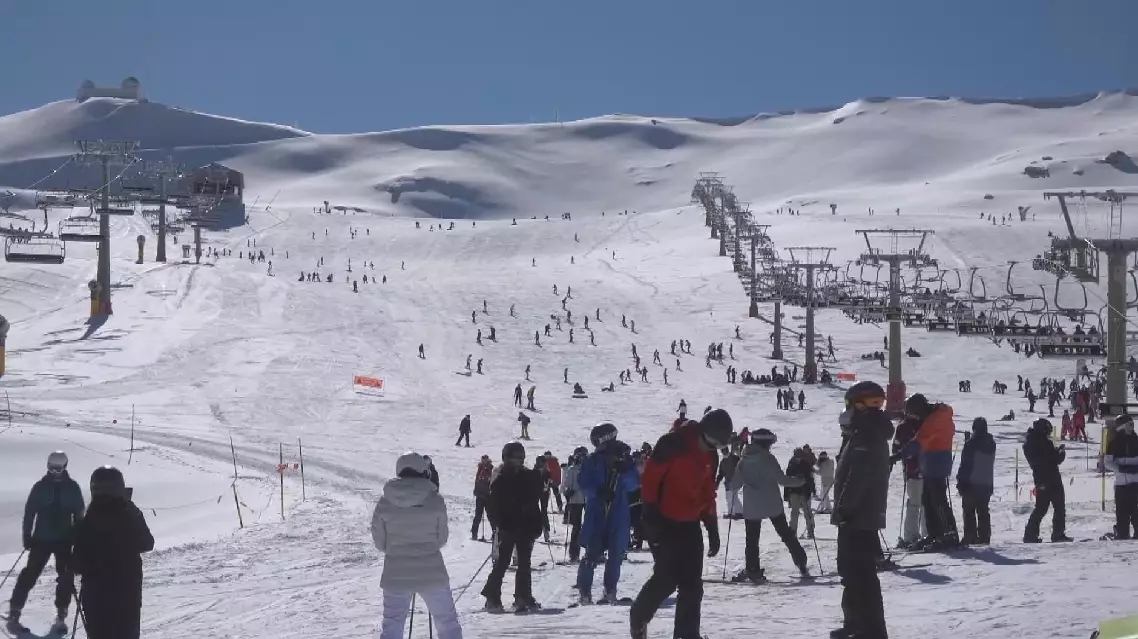
"Yes, there are some differences. We have noticed the snow is not so good in many years, as it is not so compact, and there is not so much sun sometimes," said Tiago, a skier at the Sierra Nevada Ski Station in Granada, Spain.
"As the southernmost ski resort in Europe, we have seen more impacts from climate change and rising temperatures. Compared with other resorts in the Pyrenees or the Alps, we have more hours of sunshine. We are very close to the Mediterranean, so we have to manage the water and temperature very well. We have about 550 snow guns that can operate around the clock," said Paco Leon, head of ski run monitoring and technology at the resort.
In addition, the ski resort has introduced a containerized all-weather snow system this season, which can produce snow at temperatures above freezing.
"With this system, we can guarantee the stable production of snow whether it is sunny, cold, wetter or less," Leon said.
The higher costs have forced many ski resorts in Europe to diversify their offerings to increase revenue.
For example, Sierra Nevada has launched a mountain bike park, hiking activities, and music festivals in the summer to transform from a winter destination to a four-season mountain resort.
European ski resorts fight for future in face of climate change
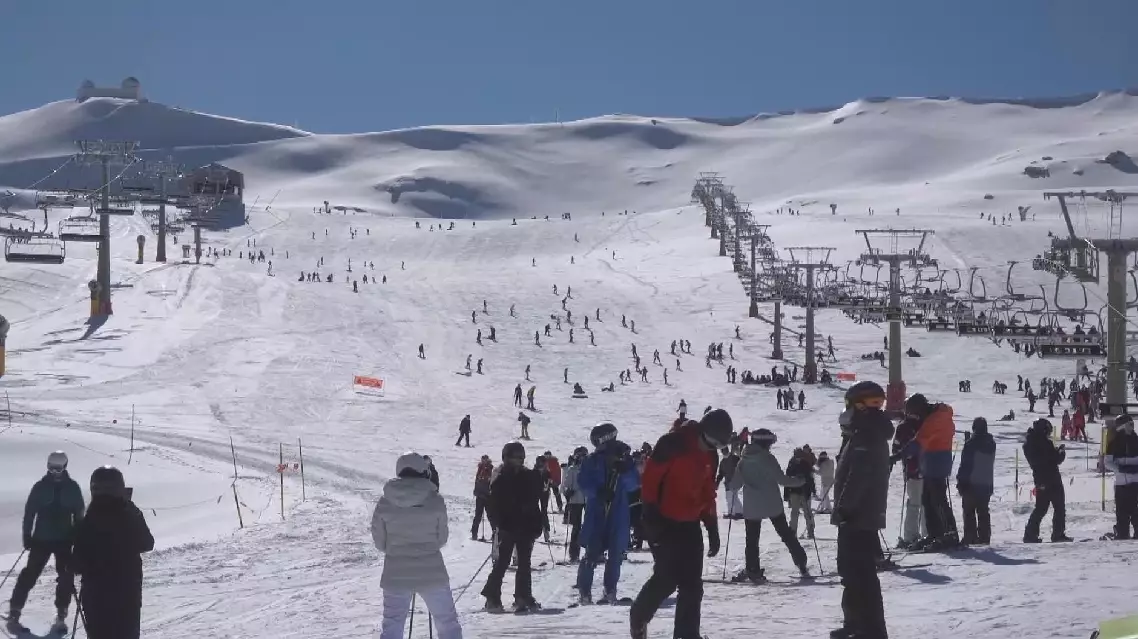
European ski resorts fight for future in face of climate change
European ski resorts fight for future in face of climate change
Polish citizens are feeling the squeeze of surging energy costs, as the conflict in the Middle East continues to roil the international energy market,
In Poland, rising fuel prices are gradually making their way into everyday life and the real economy. Many residents said higher energy costs are taking a heavy toll.
"I do think about this issue more and try to reduce my fuel consumption. Overall, everything happening right now is unsettling," said Pawel, a Warsaw resident.
"I really feel it. Prices have gone up a lot. We're trying to cope and can manage for now. Taxi fares haven't increased yet, but it's definitely getting harder," said Wiktor, another resident.
"Of course it has affected us. Because fuel prices have gone up, everything else is more expensive and costs more now," said Anita, another local resident.
Meanwhile, those working in the transport and service sectors said rising oil prices are directly impacting their businesses.
"The courier industry, like most taxi drivers, is soon going to face closure and be forced out of business. I used to drive international long-distance buses, and honestly, some people in that sector are also thinking about quitting," said Michal, another Warsaw resident.
Lukasz Goczek, a professor from the Department of Macroeconomics and Theory of Foreign Trade at the University of Warsaw, said the continued shipping disruptions in the Strait of Hormuz, a vital global energy corridor, could leave global energy prices elevated for a long time, heavily impacting the world economy.
"Iran has this huge leverage. It's got the whole world in a chokehold because 20 percent of oil that's transported in the world goes through the Strait. It obviously means that the price of energy is going to increase. We see it at the petrol stations," said Goczek.
Goczek also noted that U.S. and Israeli military actions against Iran have dealt a serious blow to the international order.
"I think that's pretty much, by now, the international law. If it's not that, it's definitely very, very illegal. There wasn't any reason for war. It just straightforwardly began without any warning. So it was much of a surprise. We need the international order to have peace, to prosper, to have trade," said Goczek.
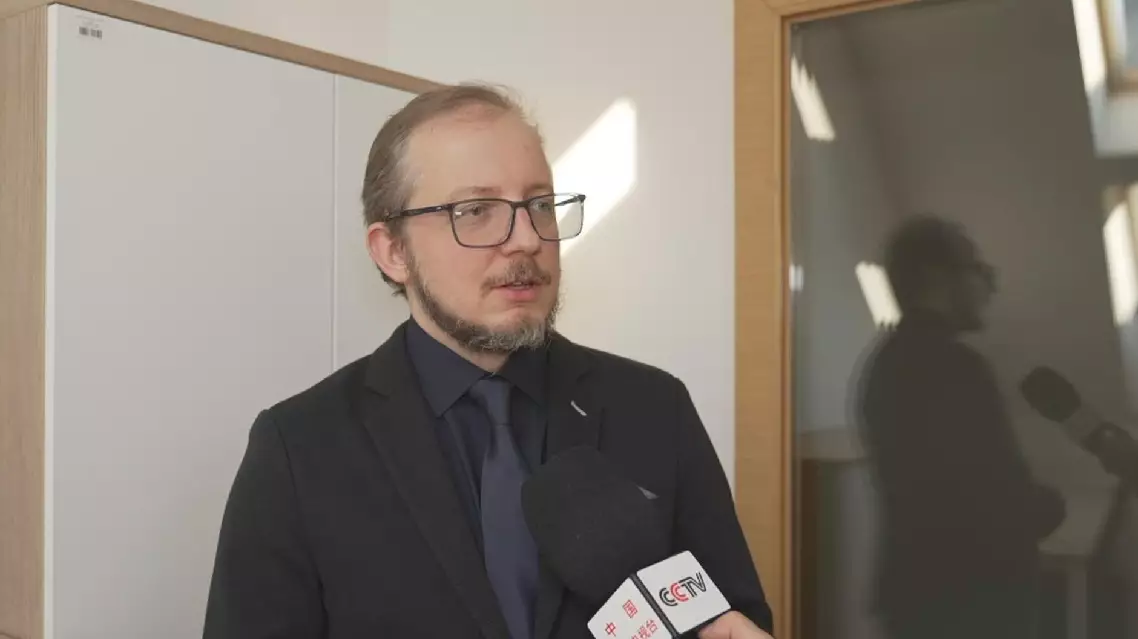
Rising energy costs squeeze Polish households, businesses