Skip to Content Facebook Feature Image

Goma in eastern Congo is hanging by a thread a year after the city fell to Rwanda-backed rebels

News

Goma in eastern Congo is hanging by a thread a year after the city fell to Rwanda-backed rebels
News

News

Goma in eastern Congo is hanging by a thread a year after the city fell to Rwanda-backed rebels

2026-01-27 17:02 Last Updated At:17:20

GOMA, Congo (AP) — One year after M23 militants stormed into Goma, the rebel group still controls the main city in eastern Congo and is tightening its grip.

The scars from the fighting between the Congolese army and M23 in January 2025 remain visible, but life has gradually returned to normal: Markets are functioning and people are adapting, but there is no real economic recovery. Bank closings, followed by the shutdown of the international airport, have severely crippled economic activity, plunging thousands of households into poverty.

More Images
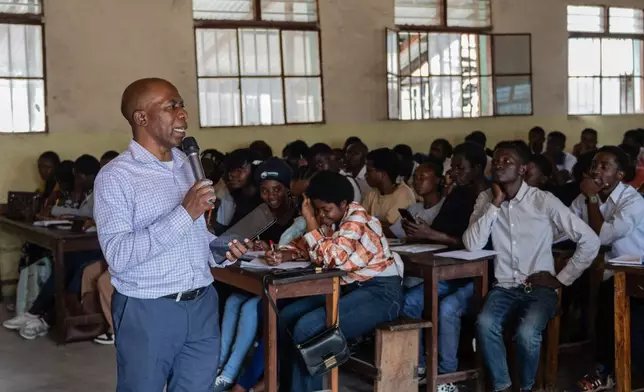
Deo Bengeya lectures students on economics in Goma, Democratic Republic of the Congo, Friday, Jan. 23, 2026, a year after M23 took control of the city. (AP Photo/Moses Sawasawa)
Deo Bengeya lectures students on economics in Goma, Democratic Republic of the Congo, Friday, Jan. 23, 2026, a year after M23 took control of the city. (AP Photo/Moses Sawasawa)

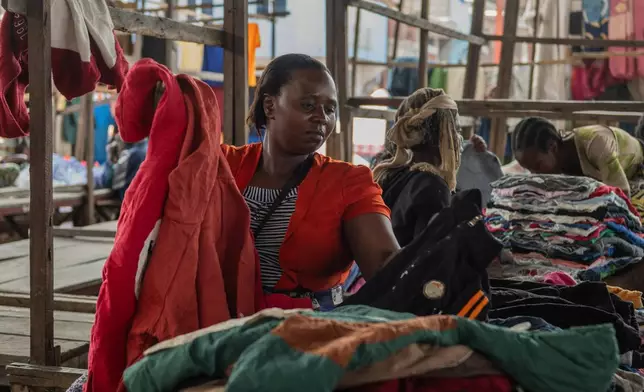
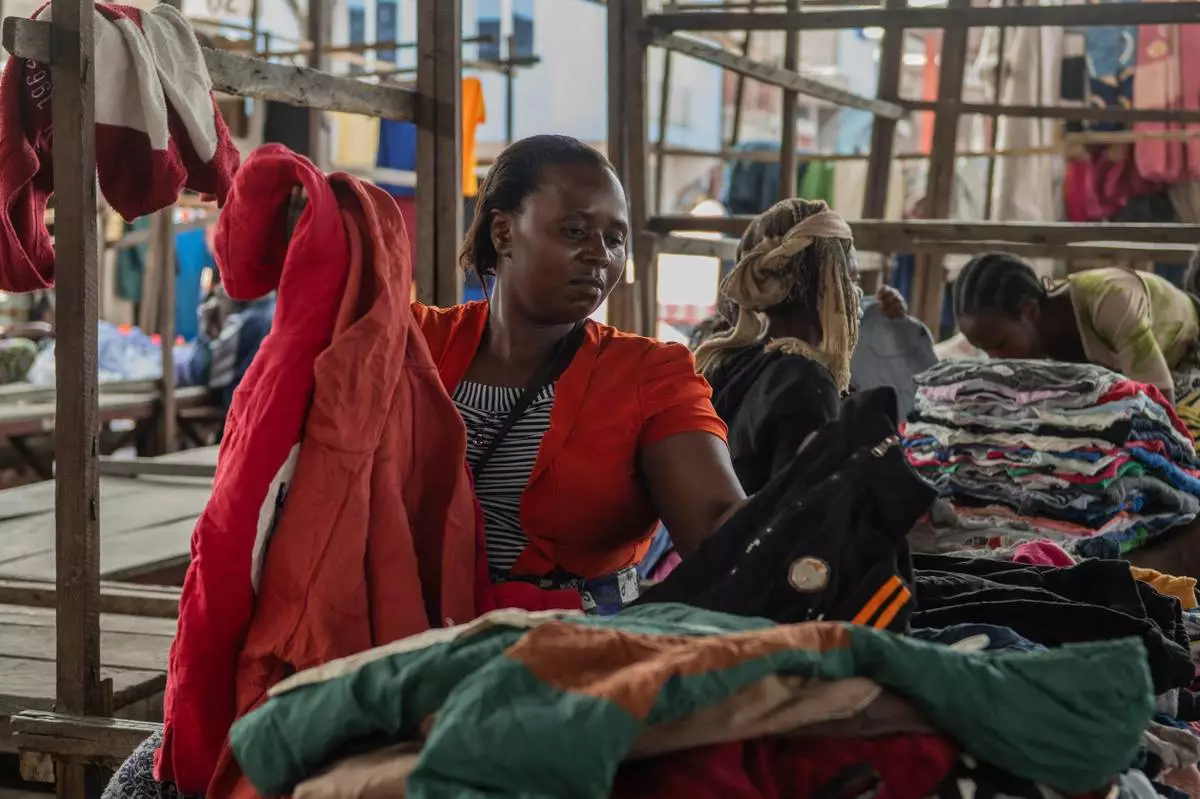
Justine Bunyere, mother of nine children, sells her goods at the Kituku market on the shores of Lake Kivu in Goma, Democratic Republic of the Congo, Monday, Jan. 26, 2026, a year after M23 took control of the city. (AP Photo/Moses Sawasawa)
Justine Bunyere, mother of nine children, sells her goods at the Kituku market on the shores of Lake Kivu in Goma, Democratic Republic of the Congo, Monday, Jan. 26, 2026, a year after M23 took control of the city. (AP Photo/Moses Sawasawa)
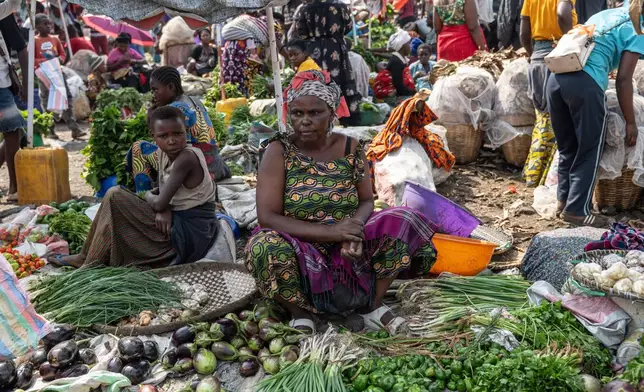
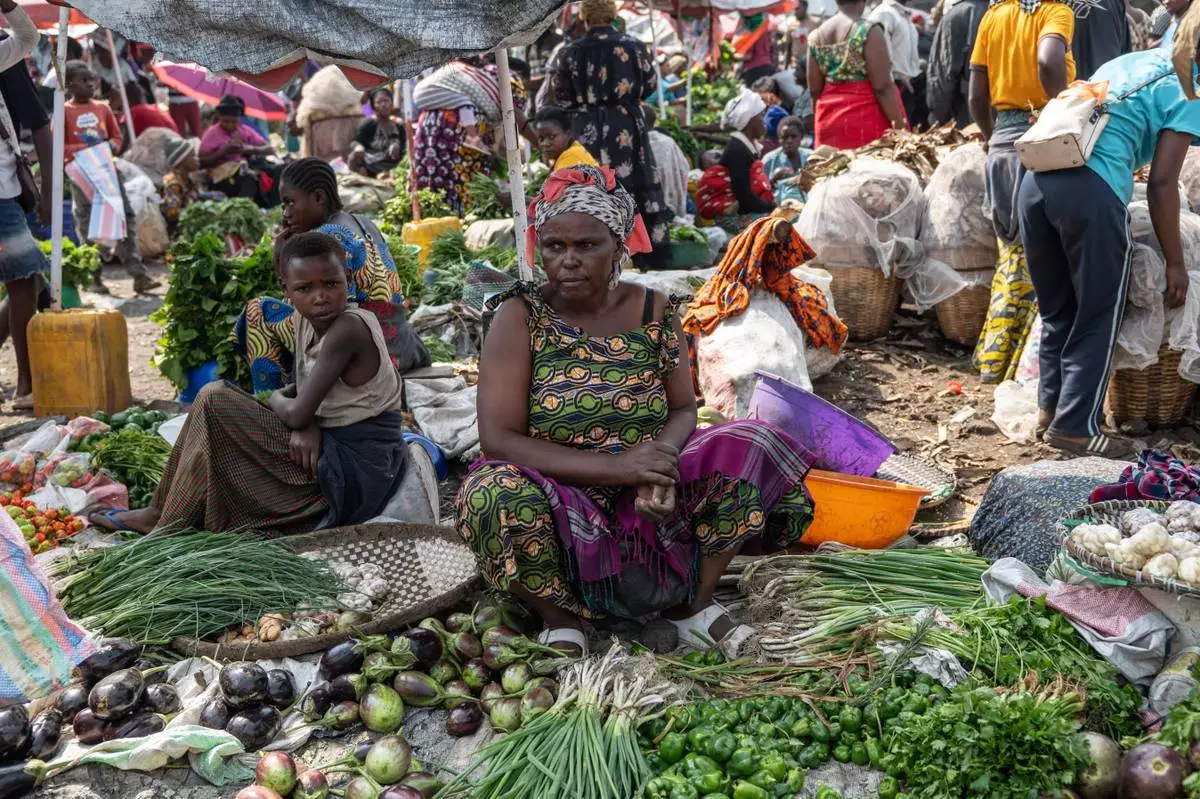
Espérance Mushashine, 44, mother of 12, sells vegetables at the Kituku market on the shores of Lake Kivu in Goma, Democratic Republic of the Congo, Monday, Jan. 26, 2026, a year after M23 took control of the city. (AP Photo/Moses Sawasawa)
Espérance Mushashine, 44, mother of 12, sells vegetables at the Kituku market on the shores of Lake Kivu in Goma, Democratic Republic of the Congo, Monday, Jan. 26, 2026, a year after M23 took control of the city. (AP Photo/Moses Sawasawa)

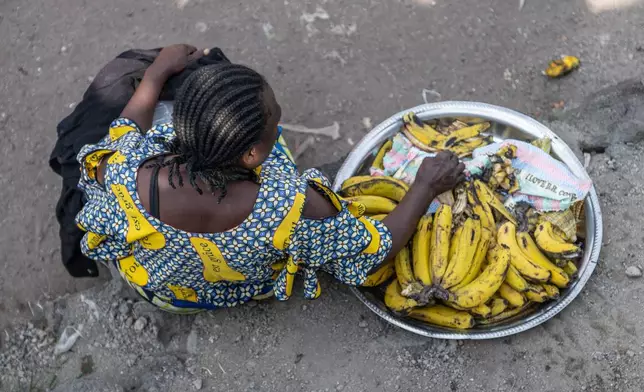
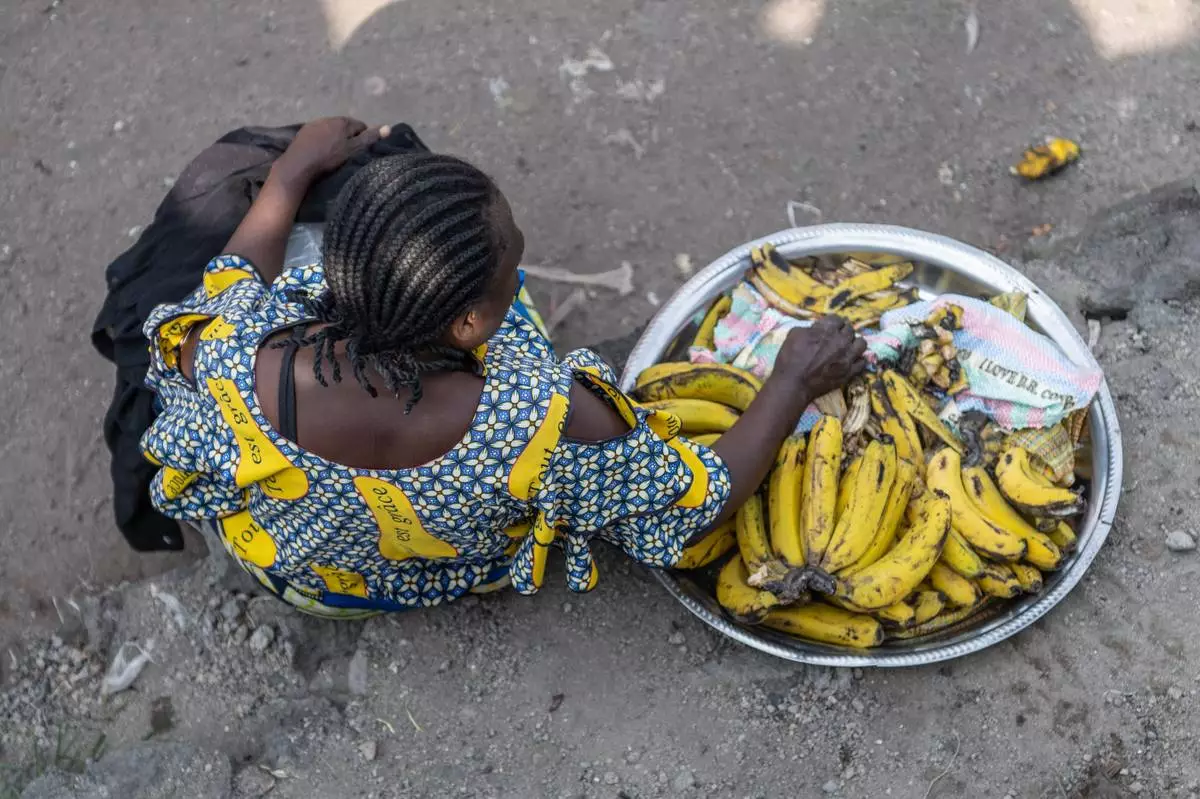
A woman sells bananas on the shores of Lake Kivu in Goma, Democratic Republic of the Congo, Monday, Jan. 26, 2026, a year after M23 took control of the city. (AP Photo/Moses Sawasawa)

A woman sells bananas on the shores of Lake Kivu in Goma, Democratic Republic of the Congo, Monday, Jan. 26, 2026, a year after M23 took control of the city. (AP Photo/Moses Sawasawa)

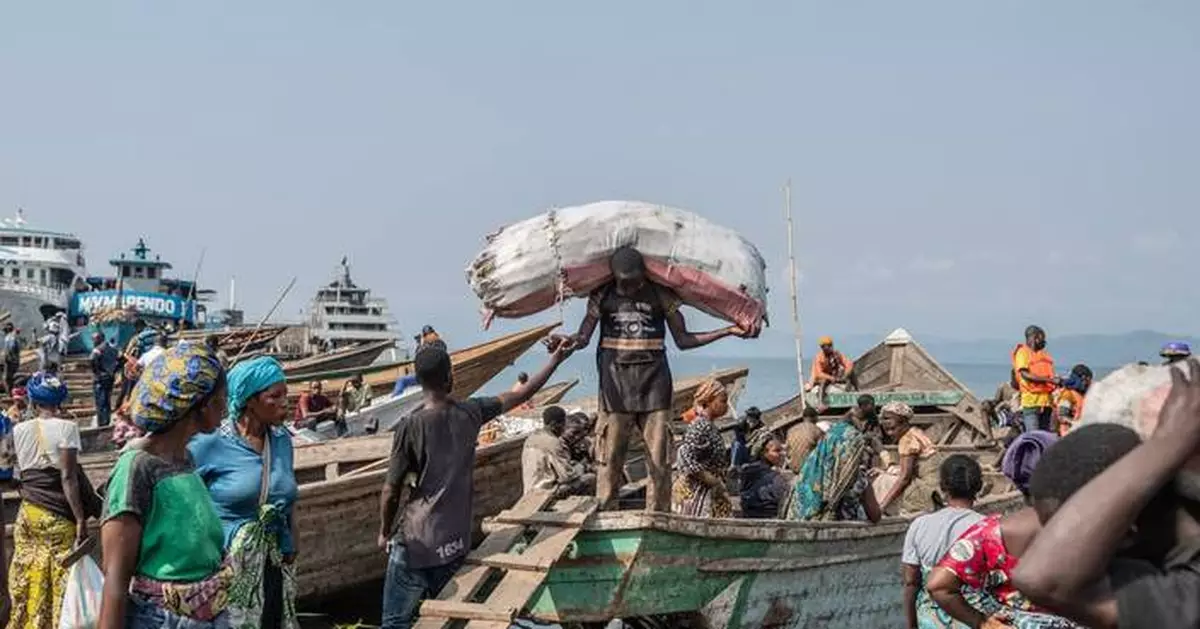
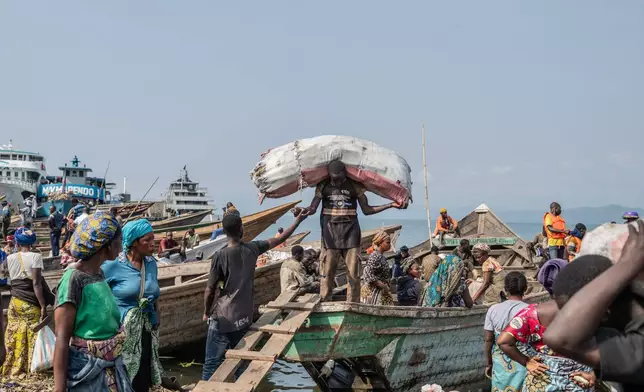
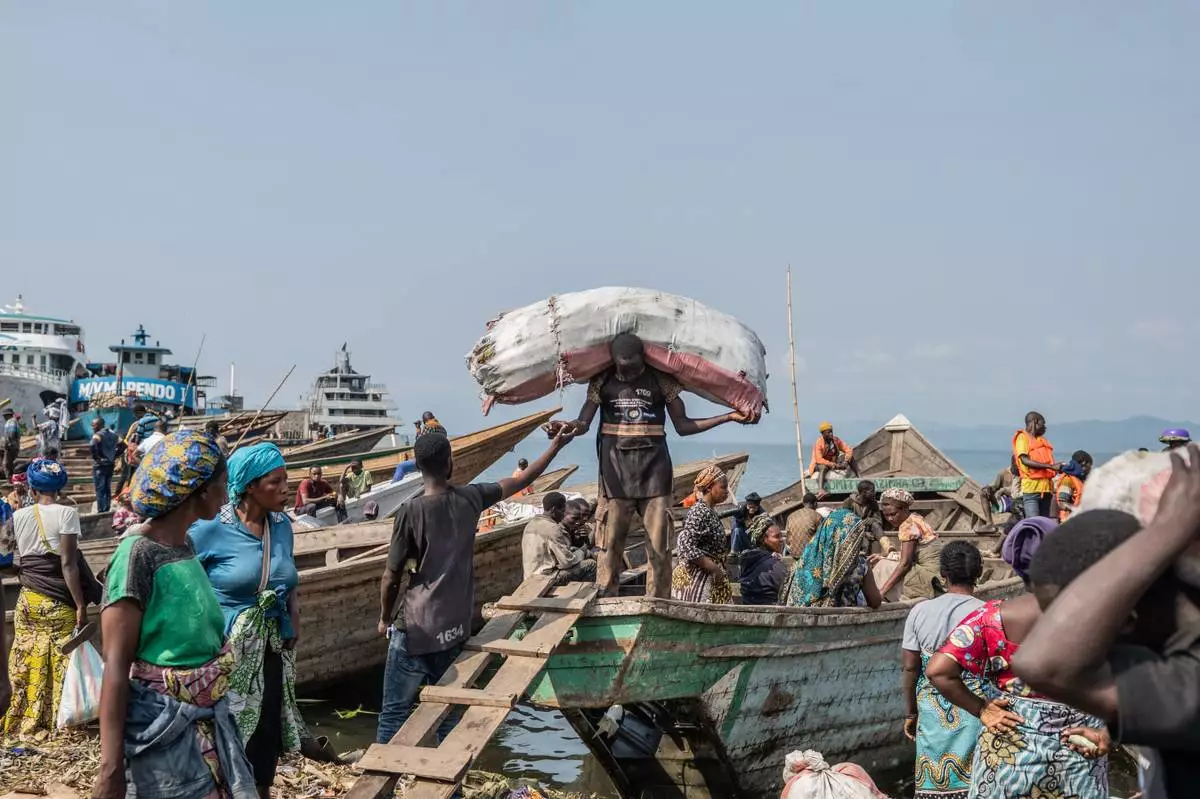
Workers unload goods from boats on the shores of Lake Kivu in Goma, Democratic Republic of the Congo, Monday, Jan. 26, 2026, a year after M23 took control of the city. (AP Photo/Moses Sawasawa)

Workers unload goods from boats on the shores of Lake Kivu in Goma, Democratic Republic of the Congo, Monday, Jan. 26, 2026, a year after M23 took control of the city. (AP Photo/Moses Sawasawa)

Rwanda-backed M23 is the most powerful of over 100 armed groups vying for a foothold in mineral-rich eastern Congo, near the border with Rwanda. The conflict has created one of the world’s most significant humanitarian crises, with more than 7 million people displaced, according to the U.N. agency for refugees.

Following a sharp escalation of fighting early last year, M23 rebels took over Goma, which remains in their hands today.

In downtown Goma, the banking district is one of the most striking symbols of the new reality, with once-bustling buildings now shuttered. ATMs are out of service, and the bank signs are off.

That leaves people almost completely dependent on mobile phone money transfer services. It is a way to survive — but an expensive one.

“Today, we pay up to 3.5% for each withdrawal,” explains Grâce Omari, a resident of the Chaumage neighborhood. “These are significant sums for families who have almost no income left."

Still, at the nearby Kituku Market, the city’s main trading center, crowds were visible on Monday, the traditional market day.

Local boats docked at the pier, unloading food products from the surrounding rural areas, which are quickly displayed in the stalls. Seated behind their stalls, women were selling vegetables, flour, secondhand clothing and basic necessities. But their movements are mechanical, their gazes sometimes weary. Here, activity has never ceased, but it has lost its substance.

Espérance Mushashire, 44, a mother of 12, has been selling vegetables for years. She remembers a time when she lived with dignity. But that's not the case anymore, she says — many customers only come to inquire about prices, and then leave.

“We buy at high prices, but we hardly sell anything. Customers have no money left. Our children don’t even go to school anymore," Mushashire said.

In the Mugunga neighborhood on the outskirts of Goma, daily life unfolds with an almost resigned quietness.

“The situation deteriorated," said Agathe Hanghi, a local resident. “Before, I sold things, I earned money, and that allowed me to eat and get medical treatment. But now, there’s no money left. All my savings are gone, and what little was left, (the M23 rebels) came and took from here at home.”

Like in many families, Hanghi's children no longer go to school. Priorities have been reduced to the bare essentials: food, shelter, survival.

She added: "We don’t know what to do anymore.”

At the university, an economics professor teaches his students, attempting to analyze a situation that defies conventional models. Deo Bengeya describes an economy paralyzed by the absence of financial institutions.

According to him, without banks, recovery remains impossible: no credit, no investment, no safeguarding of savings. Households consume what they have, when they can, without any prospects.

“The economy of the city of Goma after its fall is in a very critical state,” Bengeya told The Associated Press. “The purchasing power of the population has fallen, some residents have fled the city, wages have fallen, and unemployment has risen."

A year after Goma's fall to the rebels, the inhabitants move forward in small steps, driven by a single certainty: the obligation to continue living, even when the future seems uncertain.

For more on Africa and development: https://apnews.com/hub/africa-pulse

The Associated Press receives financial support for global health and development coverage in Africa from the Gates Foundation. The AP is solely responsible for all content. Find AP’s standards for working with philanthropies, a list of supporters and funded coverage areas at AP.org.
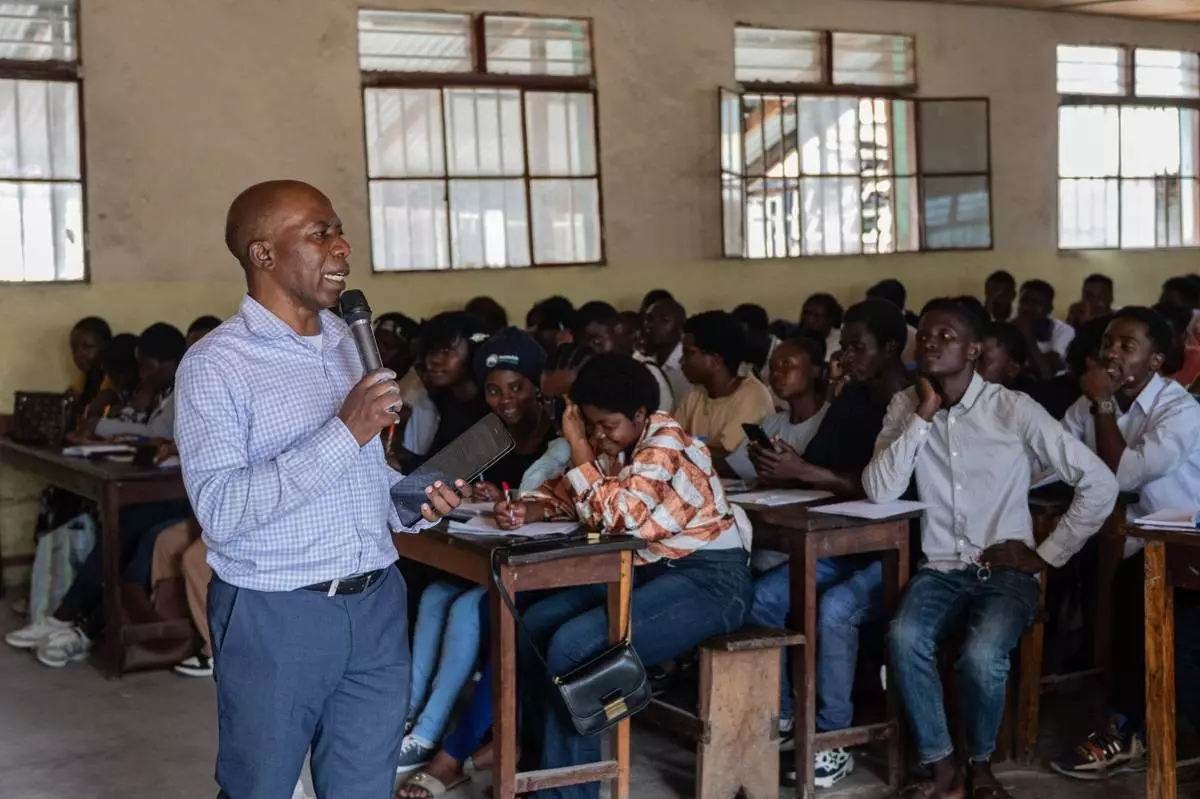
Deo Bengeya lectures students on economics in Goma, Democratic Republic of the Congo, Friday, Jan. 23, 2026, a year after M23 took control of the city. (AP Photo/Moses Sawasawa)
Deo Bengeya lectures students on economics in Goma, Democratic Republic of the Congo, Friday, Jan. 23, 2026, a year after M23 took control of the city. (AP Photo/Moses Sawasawa)

Justine Bunyere, mother of nine children, sells her goods at the Kituku market on the shores of Lake Kivu in Goma, Democratic Republic of the Congo, Monday, Jan. 26, 2026, a year after M23 took control of the city. (AP Photo/Moses Sawasawa)
Justine Bunyere, mother of nine children, sells her goods at the Kituku market on the shores of Lake Kivu in Goma, Democratic Republic of the Congo, Monday, Jan. 26, 2026, a year after M23 took control of the city. (AP Photo/Moses Sawasawa)
Espérance Mushashine, 44, mother of 12, sells vegetables at the Kituku market on the shores of Lake Kivu in Goma, Democratic Republic of the Congo, Monday, Jan. 26, 2026, a year after M23 took control of the city. (AP Photo/Moses Sawasawa)
Espérance Mushashine, 44, mother of 12, sells vegetables at the Kituku market on the shores of Lake Kivu in Goma, Democratic Republic of the Congo, Monday, Jan. 26, 2026, a year after M23 took control of the city. (AP Photo/Moses Sawasawa)
A woman sells bananas on the shores of Lake Kivu in Goma, Democratic Republic of the Congo, Monday, Jan. 26, 2026, a year after M23 took control of the city. (AP Photo/Moses Sawasawa)
A woman sells bananas on the shores of Lake Kivu in Goma, Democratic Republic of the Congo, Monday, Jan. 26, 2026, a year after M23 took control of the city. (AP Photo/Moses Sawasawa)
Workers unload goods from boats on the shores of Lake Kivu in Goma, Democratic Republic of the Congo, Monday, Jan. 26, 2026, a year after M23 took control of the city. (AP Photo/Moses Sawasawa)

Workers unload goods from boats on the shores of Lake Kivu in Goma, Democratic Republic of the Congo, Monday, Jan. 26, 2026, a year after M23 took control of the city. (AP Photo/Moses Sawasawa)
LOS ANGELES (AP) — President Donald Trump announced Tuesday that he has signed an executive order to “cut through bureaucratic red tape” and speed up reconstruction of tens of thousands of homes destroyed by the January 2025 Los Angeles area wildfires.

Trump's order, signed Friday, seeks to allow homeowners to rebuild without contending with “unnecessary, duplicative, or obstructive” permitting requirements, the White House said in a statement.

The order directs the Federal Emergency Management Agency and the Small Business Administration to find a way to issue regulations that would preempt state and local rules for obtaining permits and allow builders to “self-certify” that they have complied with “substantive health, safety, and building standards.”

California Gov. Gavin Newsom scoffed at the idea that the federal government could issue local rebuilding permits and urged Trump to approve the state's $33.9 billion disaster aid request. Newsom has traveled to Washington, D.C., to advocate for the money, but the administration has not yet approved it.

The Democratic governor said on social media that more than 1,600 rebuilding permits have been issued in Los Angeles and officials are moving at a fast pace.

“An executive order to rebuild Mars would do just as useful,” Newsom wrote on social media. He added, “please actually help us. We are begging you.”

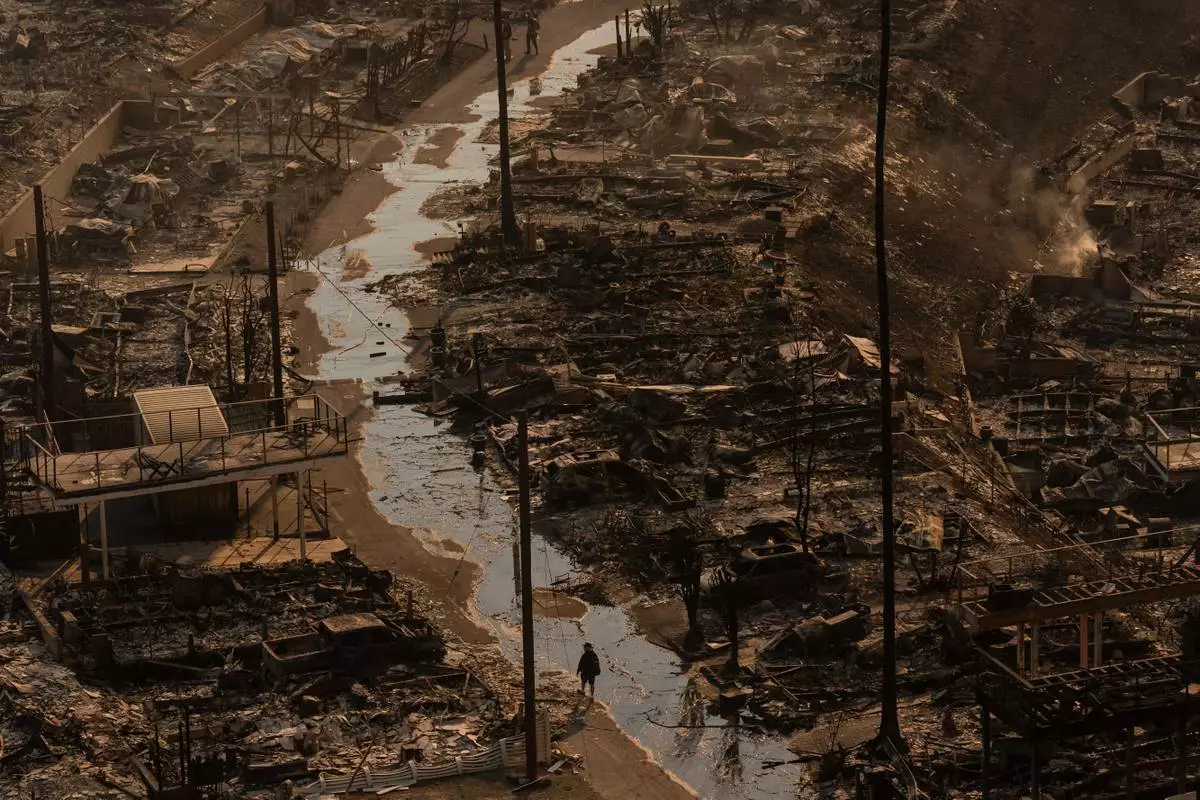
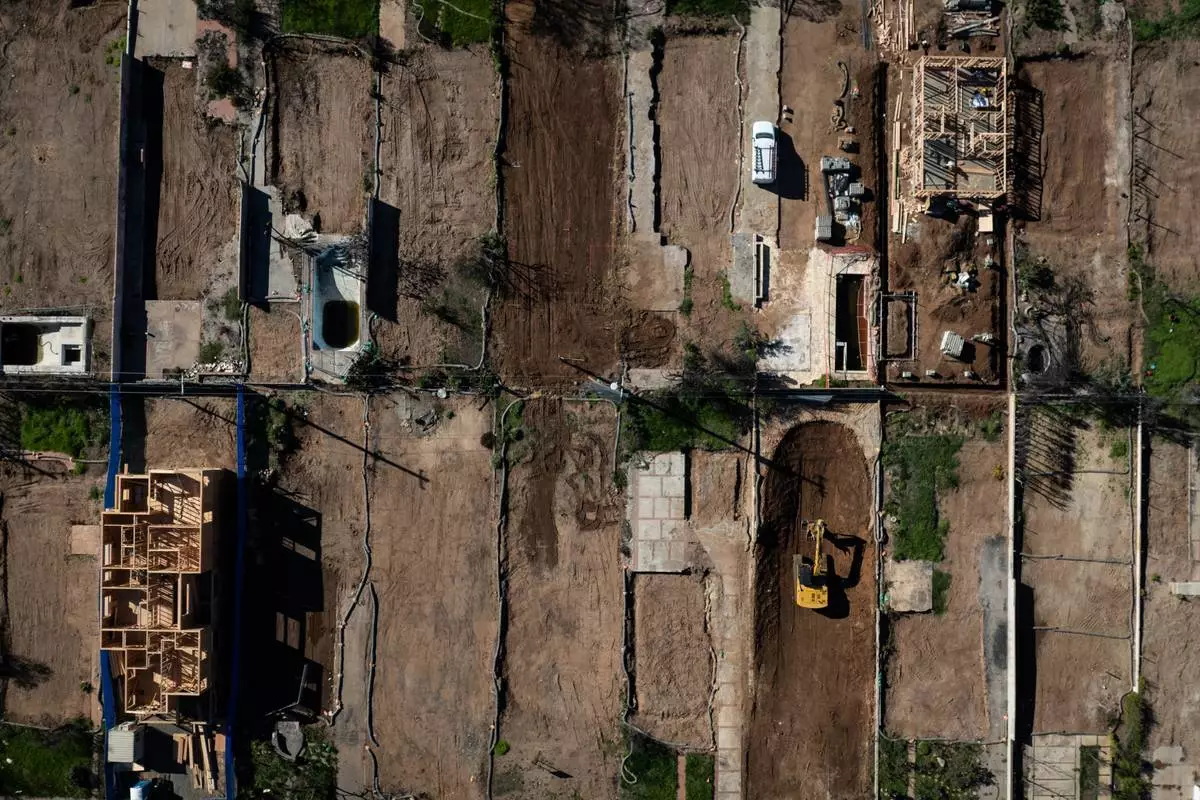
Fewer than a dozen homes had been rebuilt in Los Angeles County as of Jan. 7, one year after the fires began, The Associated Press found. About 900 homes were under construction.

The Palisades and Eaton fires killed 31 people and destroyed about 13,000 residential properties. The fires burned for more than three weeks and cleanup efforts took about seven months.

It wasn’t immediately clear what power the federal government could wield over local and state permitting. The order also directs federal agencies to expedite waivers, permits and approvals to work around any environmental, historic preservation or natural resource laws that might stand in the way of rebuilding.

Los Angeles Mayor Karen Bass said in a statement that instead of trying to meddle in the permitting process, the Trump administration should speed up FEMA reimbursements.

Bass called Trump's move a “political stunt” and said the president should issue an executive order “to demand the insurance industry pay people for their losses so that survivors can afford to rebuild, push the banking industry to extend mortgage forbearance by three years, tacking them on to the end of a 30-year mortgage, and bring the banks together to create a special fund to provide no-interest loans to fire survivors.”

The mayor said rebuilding plans in Pacific Palisades are being approved in half the time compared to single-family home projects citywide before the wildfires, “with more than 70% of home permit clearances no longer required.”

Permitting assistance is “always welcome,” said Joy Chen, executive director of the Eaton Fire Survivor’s Network, a coalition of more than 10,000 Eaton and Palisades fire survivors, but it’s not the primary concern for those trying to rebuild.

“The number one barrier to Eaton and Palisades fire survivors right now is money,” said Chen, as survivors struggle to secure payouts from insurance companies and face staggering gaps between the money they have to rebuild and actual construction costs.

Nearly one-third of survivors cited rebuild costs and insurance payouts as primary obstacles to rebuilding in a December survey by the Department of Angels, a nonprofit that advocates for LA fire survivors, while 21% mentioned permitting delays and barriers.

In addition, Trump's executive order also directs U.S. Homeland Security Secretary Kristi Noem and FEMA acting administrator Karen Evans to audit California’s use of Hazard Mitigation Grant Program funding, a typical add-on in major disasters that enables states to build back with greater resilience. The audit must be completed within 60 days, after which Noem and Evans are instructed to determine whether future conditions should be put on the funding or even possible “recoupment or recovery actions” should take place.

Trump has not approved a single request for HMGP funding from states since February, part of a wider effort to reduce federal funding for climate mitigation.

Aoun Angueira reported from San Diego.

FILE - A person walks amid the destruction left behind by the Palisades Fire in the Pacific Palisades neighborhood of Los Angeles, Jan. 9, 2025. (AP Photo/Jae C. Hong, File)

FILE - A person walks amid the destruction left behind by the Palisades Fire in the Pacific Palisades neighborhood of Los Angeles, Jan. 9, 2025. (AP Photo/Jae C. Hong, File)

FILE - An aerial view shows houses being rebuilt on cleared lots months after the Palisades Fire, Dec. 5, 2025, in the Pacific Palisades neighborhood of Los Angeles. (AP Photo/Jae C. Hong, File)

FILE - An aerial view shows houses being rebuilt on cleared lots months after the Palisades Fire, Dec. 5, 2025, in the Pacific Palisades neighborhood of Los Angeles. (AP Photo/Jae C. Hong, File)

Recommended Articles