WASHINGTON (AP) — U.S. allies and partners in the Middle East again are urging restraint from both the United States and Iran as the Trump administration warns of a possible strike and builds up its military presence in the region, according to an Arab diplomat familiar with the matter.
Saudi Arabia, Turkey, Oman and Qatar have all been in touch with leaders in Washington and Tehran to make the case that an escalation by either or both sides would cause massive destabilization throughout the region and affect energy markets, according to the official, who spoke on condition of anonymity to discuss private diplomatic discussions.
Arab and Muslim states in the region fear that any type of U.S. attack on Iran would prompt a response from Tehran that would, in the immediate term, likely be directed at them or American interests in their countries that could cause collateral damage, the official said.
Saudi Arabia’s defense minister is in Washington for high-level talks with the Trump administration and is also expected to deliver that message, the official added. Saudi Defense Minister Khalid bin Salman said on social media Friday that he discussed ”efforts to advance regional and global peace and stability" with Secretary of State Marco Rubio, Defense Secretary Pete Hegseth, Trump envoy Steve Witkoff and Gen. Dan Caine, chairman of the Joint Chiefs of Staff.
The words of caution come as President Donald Trump has shifted his rationale for possible U.S. military action against Iran in recent days from a response to the deadly crackdown on nationwide protests to a deterrent of the country's nuclear program. That is even as he insists Iranian nuclear sites were “obliterated” in U.S. strikes in June.
Trump on Friday said he hoped to make a deal with Iran but told reporters: “If we don’t make a deal, we’ll see what happens.”
He was cryptic when asked if he had given Iran a deadline, saying, “Only they know for sure.” He affirmed that he had communicated his threats to the country’s officials directly but did not offer any details.
Trump’s return to the nuclear issue should not necessarily be seen as a shift in tactics but rather part of a broader approach toward dealing with Iran and the threat the U.S. believes it poses to its people and the region, according to two administration officials, who spoke on condition of anonymity to describe the president’s thinking.
One of the officials said Trump had initially focused on the protests inside Iran as a way of both encouraging demonstrators who might at some point force a change in Iranian policies and warning Tehran of consequences for mistreating them.
Trump said Friday that Iran heeded his earlier earnings about holding off from executing protesters, which he said he appreciated, but he then acknowledged, “A lot of people are being killed.”
At the same time, Iran’s nuclear threat has remained the larger concern for both the U.S. and the region, particularly Israel. So, the official said it made sense to Trump to remind Iran’s leadership that the ultimate goal is to eliminate that threat.
“Hopefully Iran will quickly ‘Come to the Table’ and negotiate a fair and equitable deal - NO NUCLEAR WEAPONS - one that is good for all parties,” Trump wrote on his Truth Social platform this week. “Time is running out, it is truly of the essence!”
A senior administration official stressed that Trump “has all options at his disposal.” That official did not offer details about whether the White House had any indications that Iran was taking steps to rebuild its nuclear program.
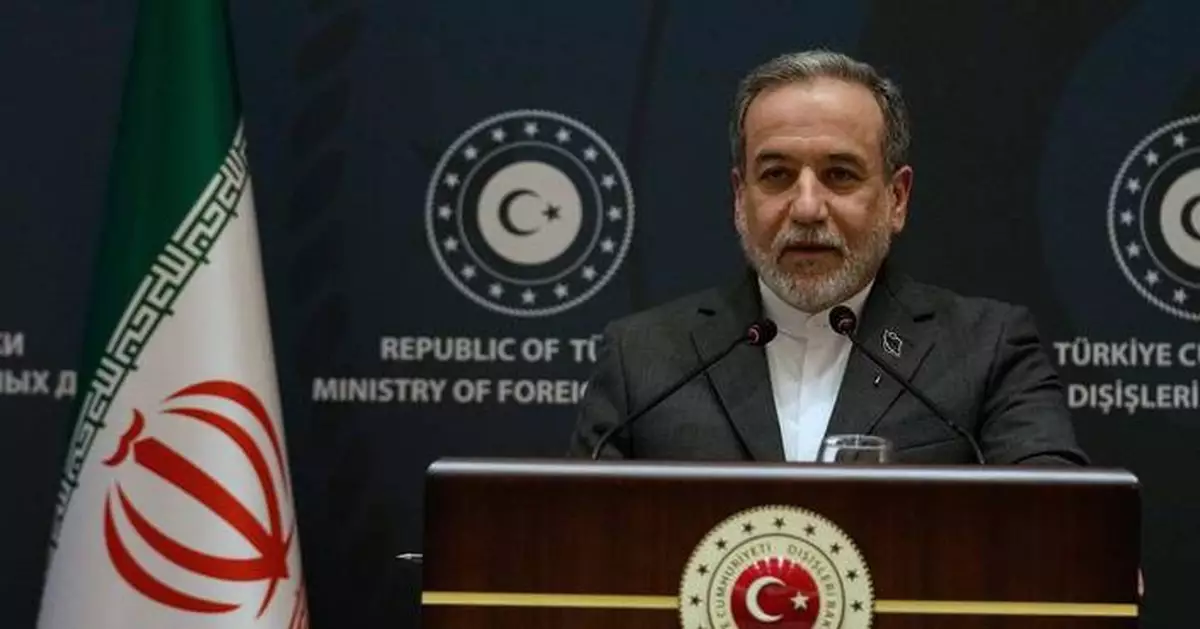
Iranian Foreign Minister Abbas Araghchi said Friday while meeting Turkish officials in Istanbul that his country is ready for dialogue to resolve tensions but that there are no concrete plans for talks with his U.S. counterparts.
“The Islamic Republic of Iran, just as it is ready for negotiations, it is also ready for war,” he added.
Ankara has been working to reduce the tensions, with Turkish President Recep Tayyip Erdogan offering during a telephone call with Iranian President Masoud Pezeshkian earlier Friday to act as a “facilitator” between Iran and the U.S., according to his office.
Earlier in the month, the Republican president backed down from ordering any strikes after telling Iranians to keep protesting, to “take over” government institutions and that “help is on the way.” He said he had received assurances that Iran would not execute some 800 of protesters it had detained.
Iran's crackdown on nationwide protests began as demonstrations in late December against economic woes but broadened into a challenge to the Islamic Republic’s theocracy. Activists say the crackdown has killed at least 6,540 people.
Trump, meanwhile, referenced a “massive armada” of U.S. warships in the region. The U.S. military has bolstered its presence with the aircraft carrier USS Abraham Lincoln and three guided-missile destroyers, which brought thousands of additional service members and joined other destroyers and ships in the Middle East.
The Arab official said the region's message to the U.S. is that it should proceed with extreme caution, mindful of the havoc that could ensue. The message to Iran, meanwhile, is that if the U.S. does strike, it should carefully calibrate how it responds and not take action that would affect its neighbors, the official said.
U.S. assets in Qatar, for instance, were the target of Iranian retaliation after Trump ordered airstrikes on Iran’s nuclear facilities last year.
The official added that ideally nothing would come to pass other than a period of extreme anxiety but stressed that the situation was unpredictable and that no one other than Trump knows if an attack will be coming.
Amiri reported from New York. Associated Press writer Mehmet Guzel in Istanbul contributed to this report.
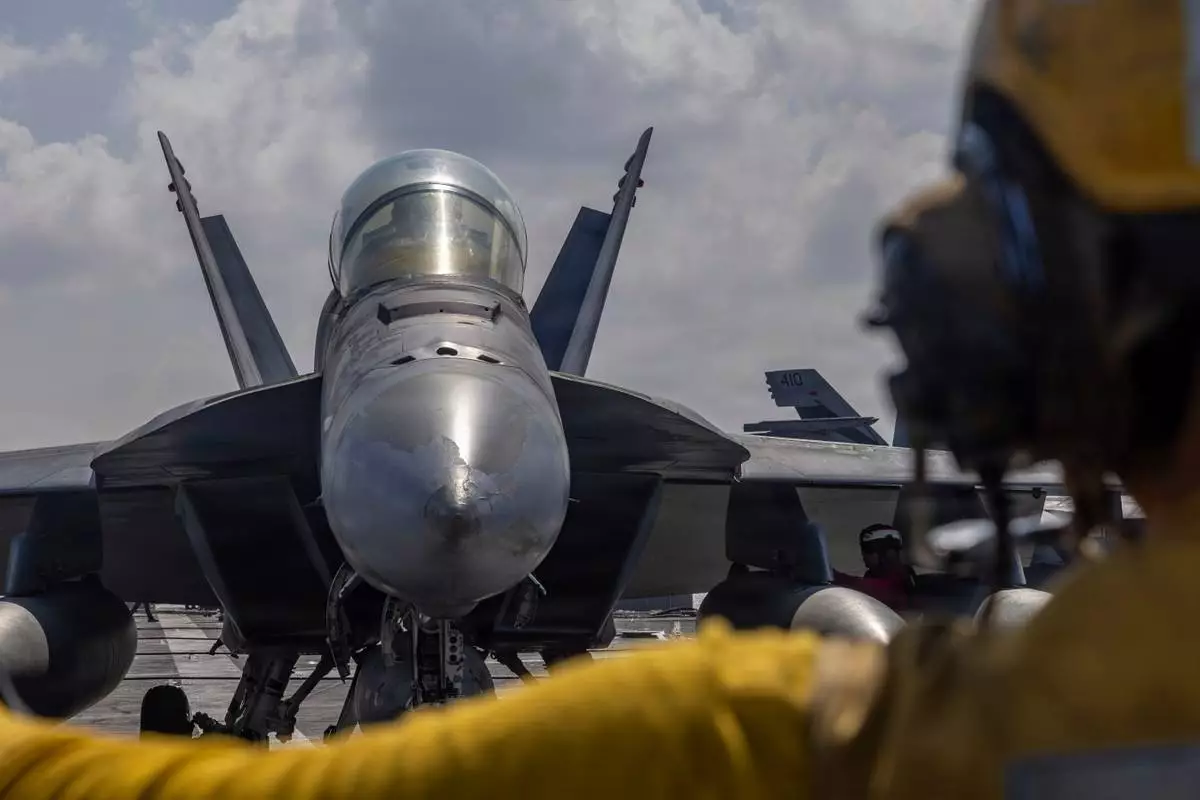
This handout photograph from the U.S. Navy shows Aviation Boatswain's Mate 2nd Class Michael Cordova directing an F/A-18F Super Hornet on the flight deck of the Nimitz-class aircraft carrier USS Abraham Lincoln in the Indian Ocean on Jan. 23, 2026. (Mass Communication Specialist Seaman Daniel Kimmelman/U.S. Navy via AP)
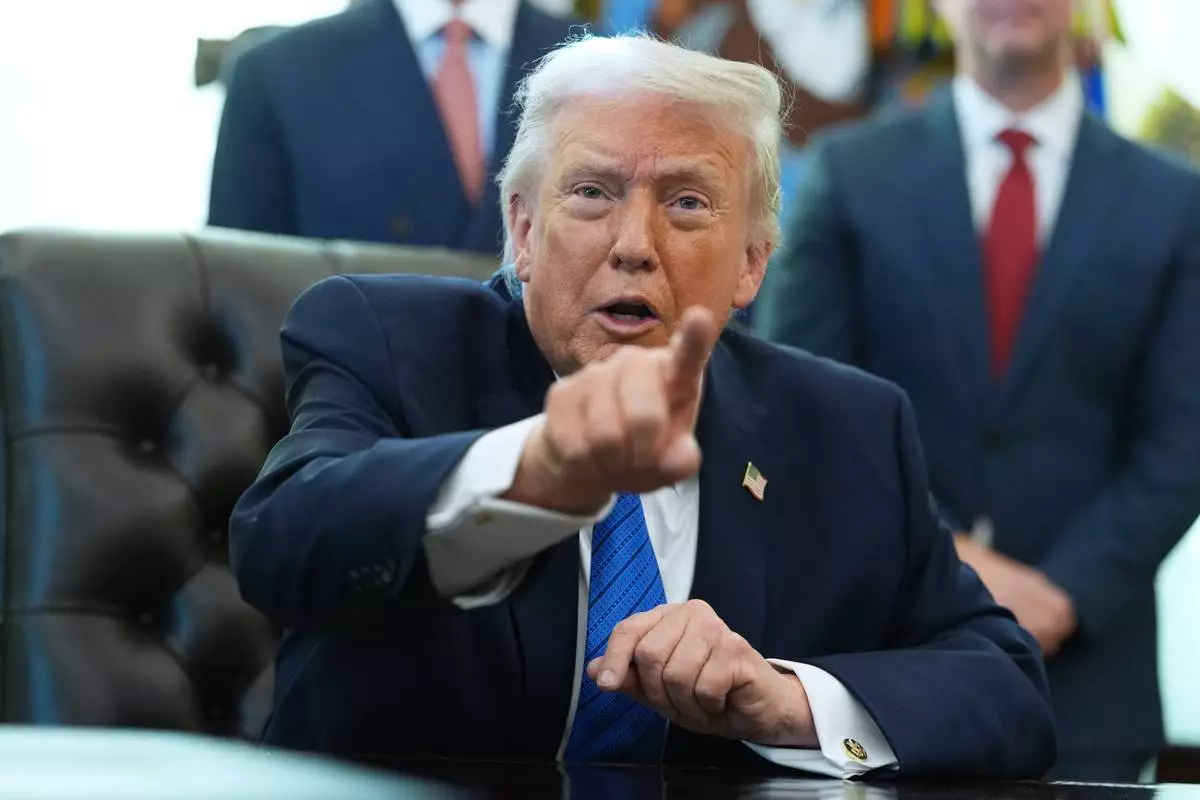
President Donald Trump speaks during an event in the Oval Office of the White House, Friday, Jan. 30, 2026, in Washington. (AP Photo/Evan Vucci)
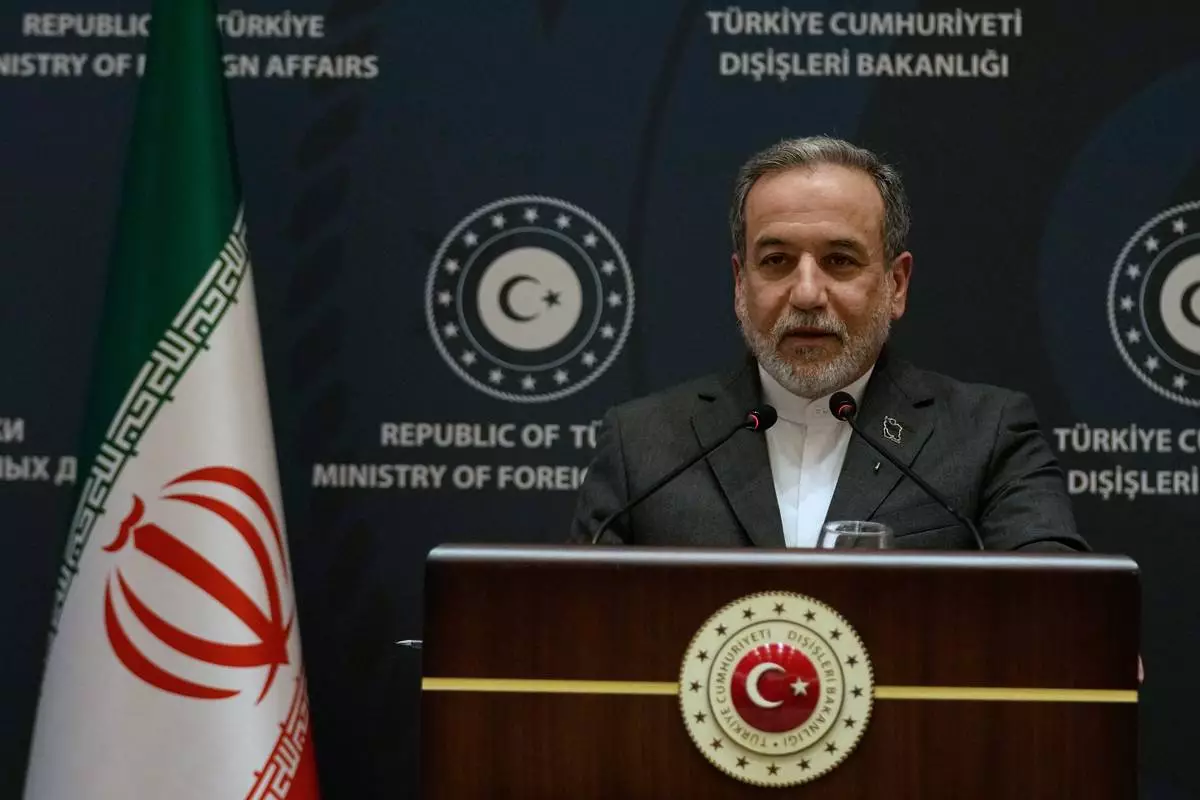
Iranian Foreign Minister Abbas Araghchi speaks to journalists during a joint press conference with his Turkish counterpart Hakan Fidan in Istanbul, Turkey, Friday, Jan. 30, 2026. (AP Photo/Khalil Hamra)
WASHINGTON (AP) — After fiery public speeches Friday from Republicans railing against the deal President Donald Trump struck with Democrats, senators appeared back on track rushing to resolve their differences and start voting on the bipartisan agreement to avoid a federal government shutdown.
Democrats are demanding new restrictions on federal immigration raids across the country, in the wake of the deaths of two protesters at the hands of federal agents in Minneapolis. Under the deal they struck with Trump, the homeland security funding would be separated out, for two weeks, from the broader government spending bill, giving Congress time to debate changes to the department's operations. Trump said he didn't want a shutdown and encouraged members of both parties to cast a “much needed Bipartisan ‘YES’ vote."
But the deal was thrown into doubt late Thursday and into Friday as key Republicans, including Trump ally Sen. Lindsey Graham of South Carolina, pushed back, warning that Republicans should not give away too much on the issues around Immigration and Customs Enforcement operations.
“To the Republican party, where have you been?” Graham of South Carolina, said in a speech on the Senate floor. ICE agents and Border patrol agents have been “slandered and smeared.”
The standoff roused other Republicans to demand changes that Senate leaders were rushing to handle before the midnight deadline when government funds expire.
Even if the Senate can finish its work, the bill heads next to the House, which is not due back until Monday. That means the government could be in a partial shutdown temporarily over the weekend.
The Trump administration is expected to issue guidance to federal agencies on how to proceed.
Senate Democratic leader Chuck Schumer of New York said Friday morning that “time was of the essence” as they tried to rein in the Trump administration immigration operations, but also ensure government is not shuttered.
“The abuses of ICE have to come to an end,” Schumer said.
Democrats have laid out several demands, asking the White House to “end roving patrols” in cities and coordinate with local law enforcement on immigration arrests, including requiring tighter rules for warrants.
They also want an enforceable code of conduct so agents are held accountable when they violate rules. Schumer said agents should be required to have “masks off, body cameras on” and carry proper identification, as is common practice in most law enforcement agencies.
But Republicans are countering with their own demands, including restrictions on so-called “Sanctuary Cities” that they say do not do enough to enforce illegal immigration.
All of that is expected to be debated later, in the weeks ahead. Under the terms of the deal, government funding for homeland security would expire again in two weeks, a built-in deadline for Congress to try to find consensus on the immigration operations.
And it's not just immigration and deportation issues at stake.
Graham has also opposed the House action that repeals a new law giving senators the ability to sue the government for millions of dollars if their personal or office data is accessed without their knowledge — as happened to him and other senators as part of the so-called Arctic Frost investigation into the Jan. 6, 2021 attack by Trump supporters at the Capitol.
The unusual bipartisan talks between Trump and Schumer, his frequent adversary, came after the fatal shooting of 37-year-old Alex Pretti in Minnesota last weekend and calls by senators in both parties for a full investigation. Schumer called it “a moment of truth.”
“What ICE is doing, outside the law, is state-sanctioned thuggery and it must stop,” Schumer said. “Congress has the authority — and the moral obligation — to act.”
The standoff has threatened to plunge the country into another shutdown, just two months after Democrats blocked a spending bill over expiring federal health care subsidies. That dispute closed the government for 43 days as Republicans refused to negotiate.
That shutdown ended when a small group of moderate Democrats broke away to strike a deal with Republicans. But Democrats are more unified this time after the fatal shootings of Pretti and Renee Good by federal agents.
Republicans were more willing to make a deal, as well. Several said that after those shootings, they were open to new restrictions.
If the deal moves forward, negotiations down the road on a final agreement on the DHS bill are likely to be difficult.
Democrats want Trump’s aggressive immigration crackdown to end. “If the Trump administration resists reforms, we shut down the agency,” said Connecticut Sen. Richard Blumenthal.
Republicans are unlikely to agree to all of the Democrats' demands.
Sen. Thom Tillis, R-N.C, said he is opposed to requiring immigration enforcement officers to show their faces, even as he blamed Homeland Security Secretary Kristi Noem for decisions that he said are “tarnishing” the agency’s reputation.
“You know, there’s a lot of vicious people out there, and they’ll take a picture of your face, and the next thing you know, your children or your wife or your husband are being threatened at home,” Tillis said.
Sen. Tommy Tuberville, R-Ala., criticized what he called Democrats' “woke wish list of so-called ICE ‘reforms.’”
“Now, more than EVER, we need to let our police officers know that we have their backs—not burden them with some new protocols that could slow their progress on DEPORTING CRIMINALS,” Tuberville posted on X.
House Speaker Mike Johnson, R-La., has said he is opposed to breaking up the funding package, but “if it is broken up, we will have to move it as quickly as possible. We can’t have the government shut down.”
At a Kennedy Center evening premiere of a movie about first lady Melania Trump, Johnson said late Thursday he might have some “tough decisions” to make about when to bring the House back to Washington to approve the bills separated by the Senate, if they pass.
House Republicans have said they do not want any changes to their bill.
“The package will not come back through the House without funding for the Department of Homeland Security,” members of the conservative House Freedom Caucus wrote Trump.
House Democratic Leader Hakeem Jeffries told reporters that any change in the homeland bill needs to be “meaningful and it needs to be transformative.”
Absent “dramatic change,” Jeffries said, “Republicans will get another shutdown.”
Associated Press writers Kevin Freking, Stephen Groves, Joey Cappelletti, Seung Min Kim, Michelle L. Price and Darlene Superville contributed to this report.
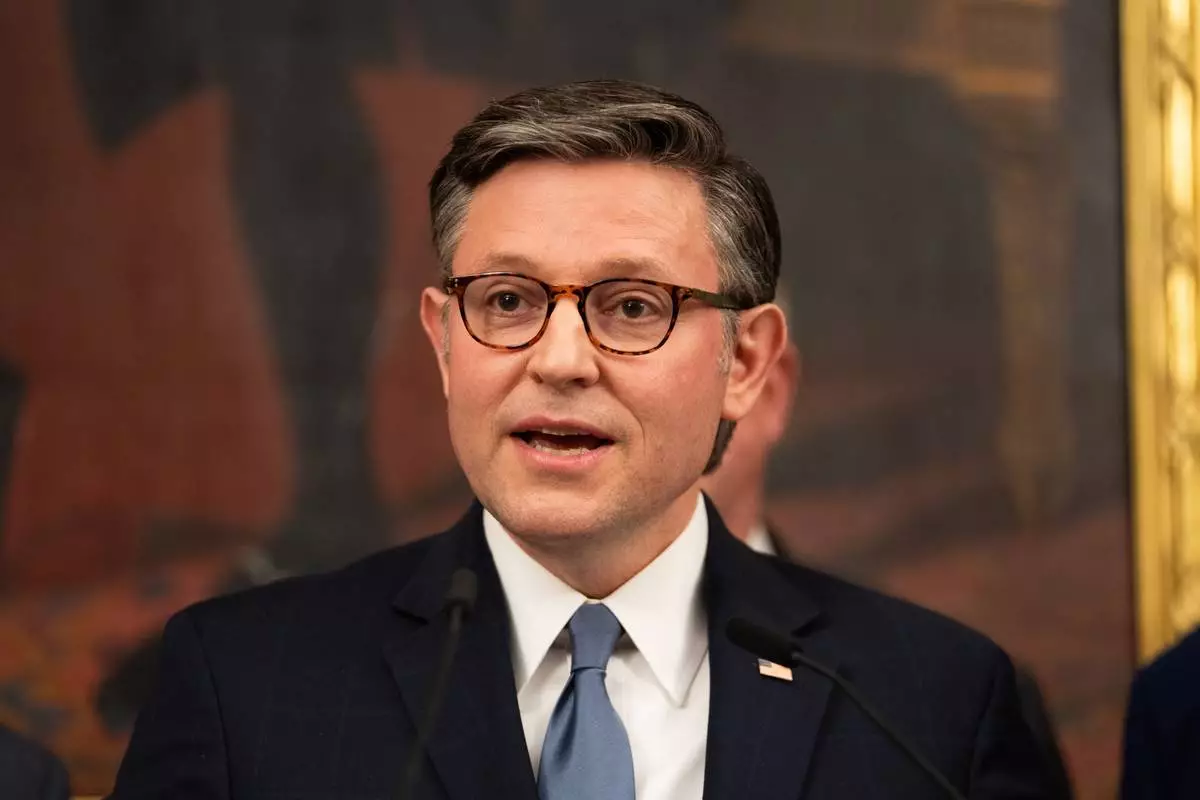
House Speaker Mike Johnson, R-La., speaks to members of the media at the U.S. Capitol, Thursday, Jan. 22, 2026, in Washington. (AP Photo/Allison Robbert)
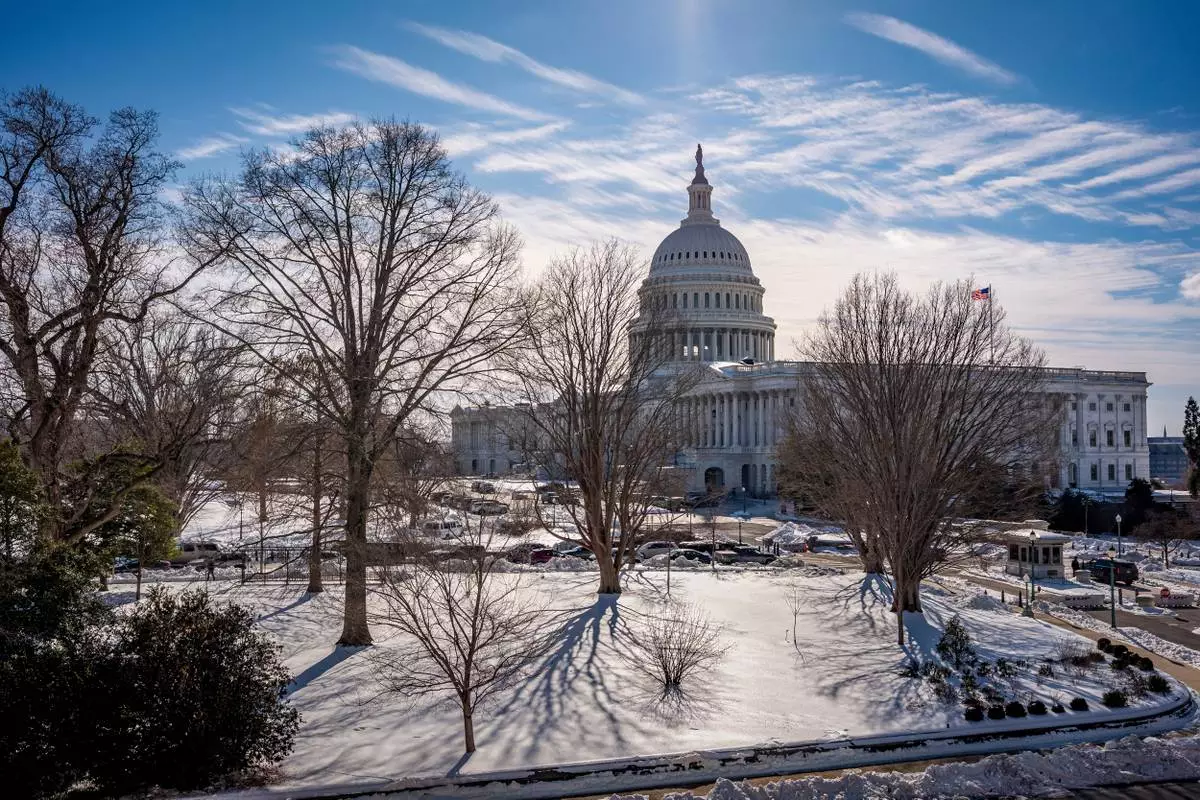
The Capitol is seen from the Russell Senate Office Building as lawmakers argue on whether to move forward with the spending legislation that funds the Department of Homeland Security, at the Capitol in Washington, Thursday, Jan. 29, 2026. (AP Photo/J. Scott Applewhite)
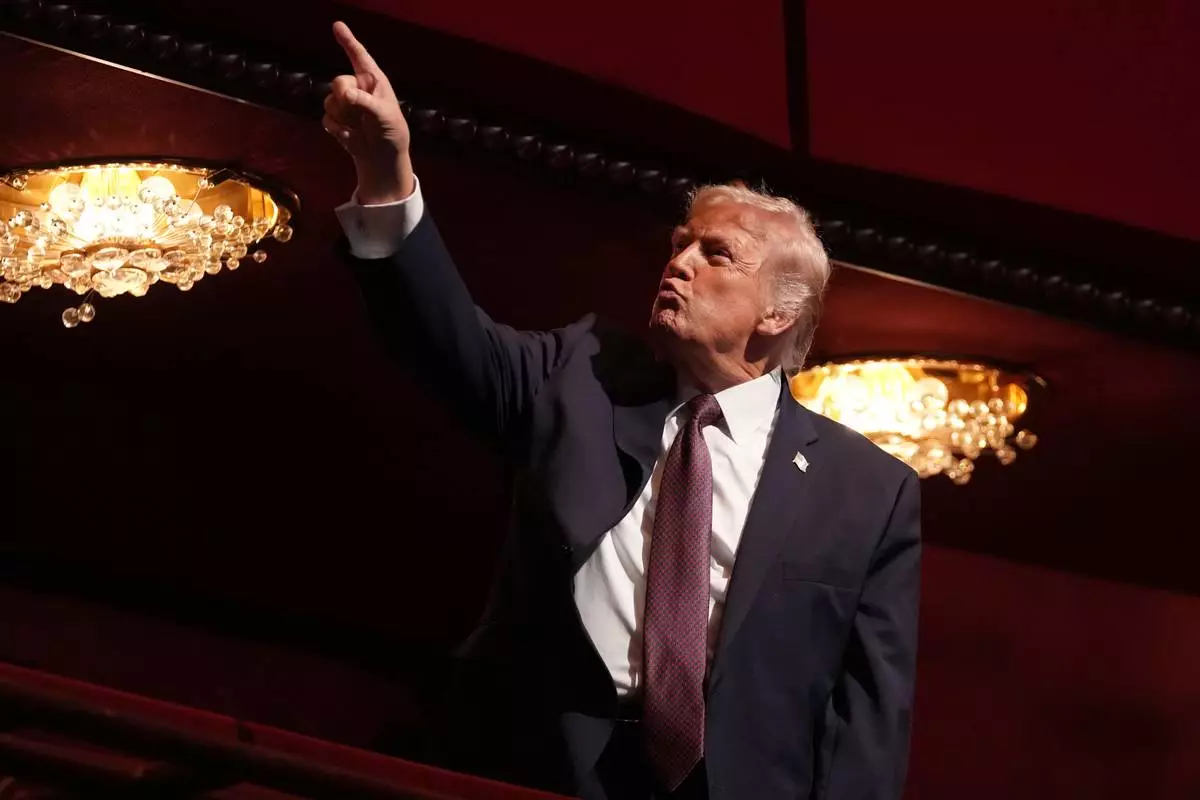
President Donald Trump gestures before the premiere of first lady Melania Trump's movie "Melania" at The John F. Kennedy Memorial Center For The Performing Arts, Thursday, Jan. 29, 2026, in Washington. (AP Photo/Allison Robbert)
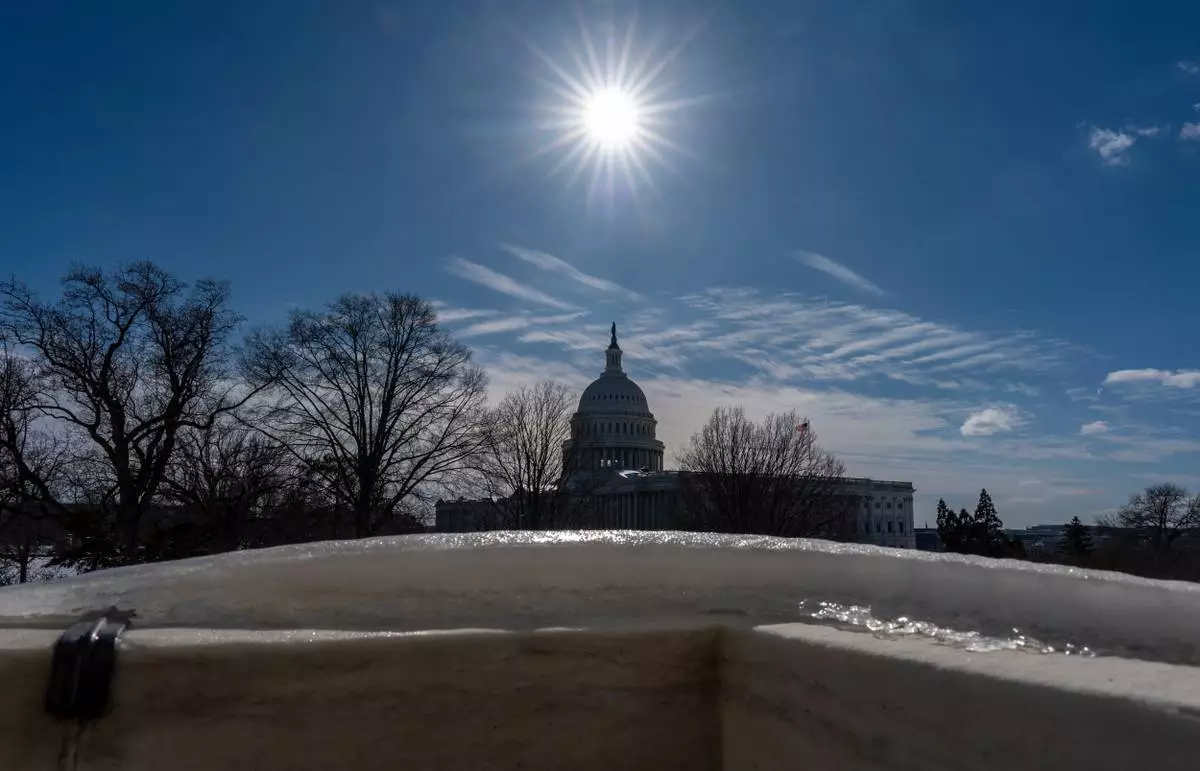
The Capitol is seen from the Russell Senate Office Building as lawmakers argue on whether to move forward with the spending legislation that funds the Department of Homeland Security, at the Capitol in Washington, Thursday, Jan. 29, 2026. (AP Photo/J. Scott Applewhite)