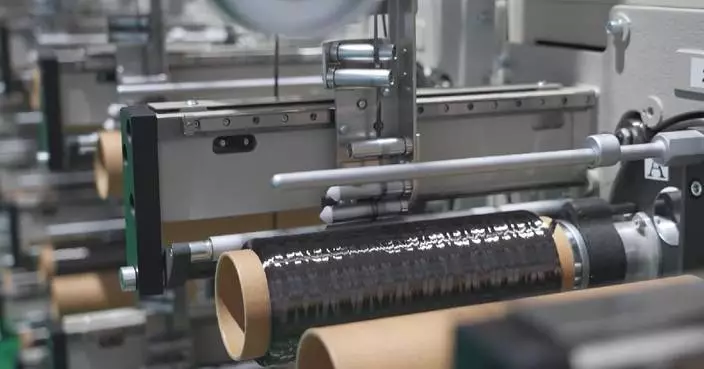
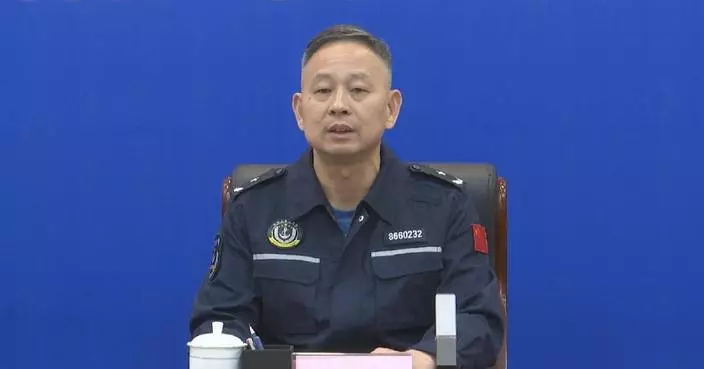
China's trade in artificial intelligence (AI)-related products grew in 2025 amid rising global demand, the country's General Administration of Customs told China Central Television (CCTV).
The customs data showed that in terms of intermediate goods, China's export of optical transceiver modules used in high-end graphics cards grew by nearly 60 percent, which was boosted by Chinese enterprises' active participation in the global AI industry cooperation and division of labor.
Exports of electrical equipment, including large power transformers and energy storage batteries, increased by 18.8 percent due to growing power demands of global data centers.
The rapid development of intelligent driving technology in China boosted imports of lidar systems, which increased by more than 20 percent, and the rising demand for AI computing power contributed to a 20-percent increase in imports of computer components.
In terms of end products, China's exports of intelligent handling robots and welding robots, which are widely used in constructing large-scale projects overseas, surged by more than 60 percent. In 2025, China's smart watches and smart toys were exported to more than 170 countries and regions worldwide.
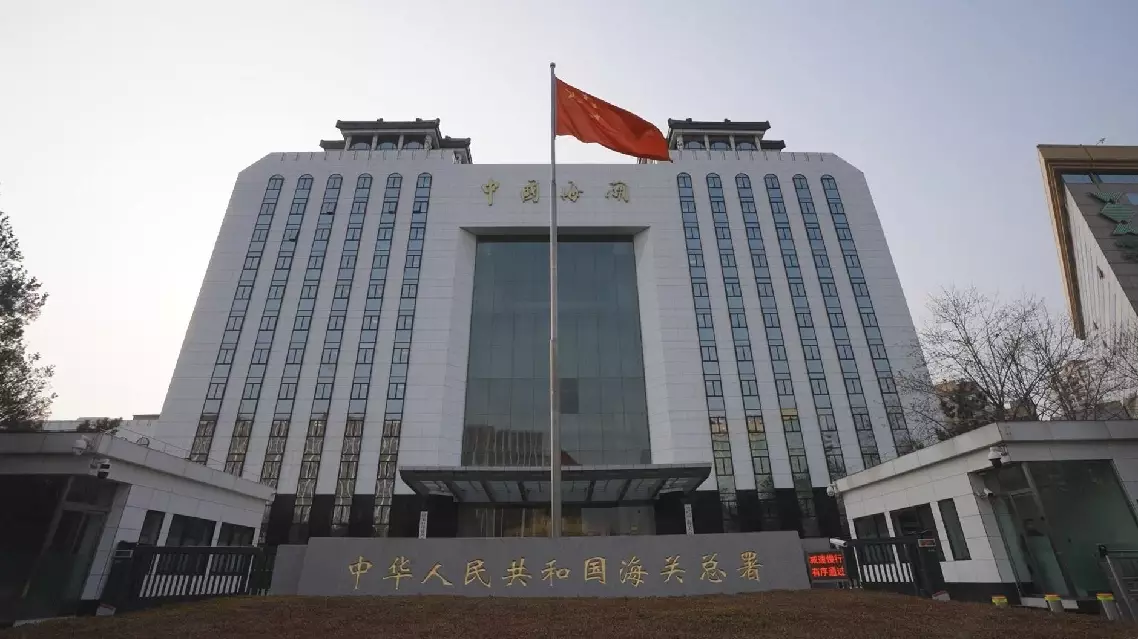
Growth of global AI industry helps boost trade in China
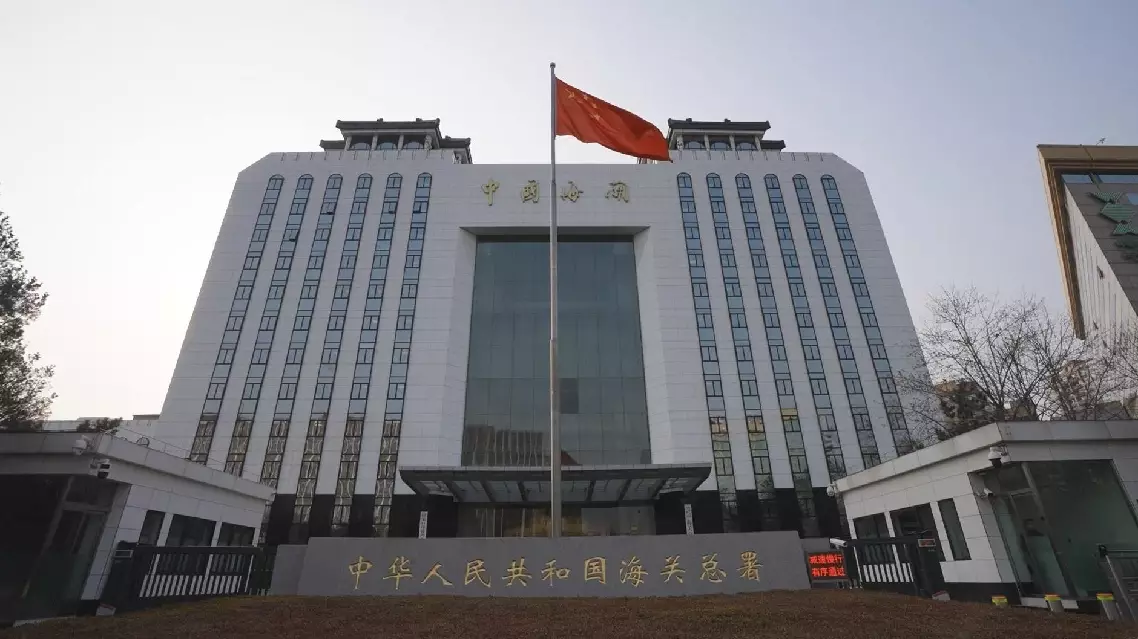
Growth of global AI industry helps boost trade in China
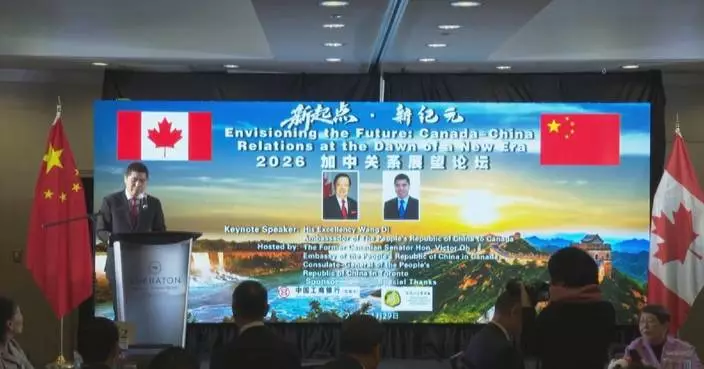
As President of the Oriental Republic of Uruguay Yamandu Orsi started his state visit to China, some Chinese officials and analysts have emphasized growing economic cooperation and deepening strategic ties between the two countries.
Orsi, who is on a seven-day state visit to China, arrived in Beijing on Sunday, leading a senior delegation of officials and business leaders as Uruguay looks to deepen its growing trade and political partnership with China.
His visit coincides with the 38th anniversary of the establishment of bilateral diplomatic relations on February 3.
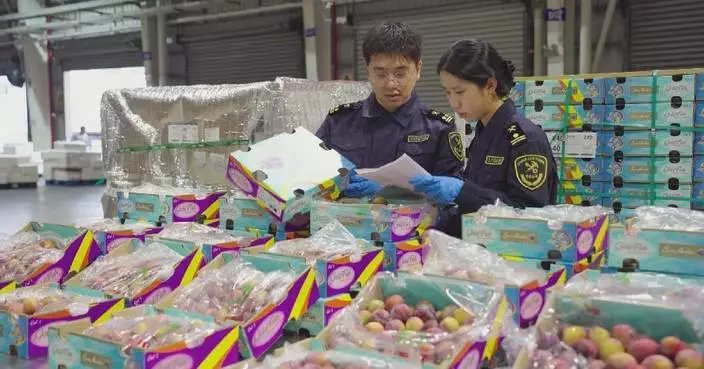
Beef offers a tangible example of the strength of this relationship. For Uruguay, beef exports are a major economic driver, accounting for about 3 percent of its gross domestic product (GDP). China has become one of Uruguay's biggest markets for beef, with a steady demand for high-quality imports.
"When we visited Uruguay in recent years, Uruguay's beef producers said about half of their beef is going to China. The cattle there are raised free-range, and the country has a well-established tracking system, so their beef is reliable in terms of quality and safety," said Zhou Meng, deputy general manager of International Business at COFCO Joycome.
China is also a major buyer of Uruguay's soybeans and pulp. It overtook Brazil as Uruguay's top export destination in 2013 and has maintained that position ever since, driven by strong Chinese demand and efficient trade channels.
Beyond economic links, political ties remain robust. Every Uruguayan president has visited China since 2013, reflecting Montevideo's consistent support for closer engagement with Beijing.
With global tensions rising and shifting U.S. foreign policy in the region, regional leaders are navigating more complex waters.
"At present, [U.S. President Donald] Trump has warned Latin American countries not to cooperate with China. Yet Uruguay, one of the wealthiest countries in the region, still chose to engage with China, ignoring these U.S. warnings. I think this clearly has some strategic significance," said Xu Tianqi, deputy director of the Areas Study Department at the RDCY think tank.
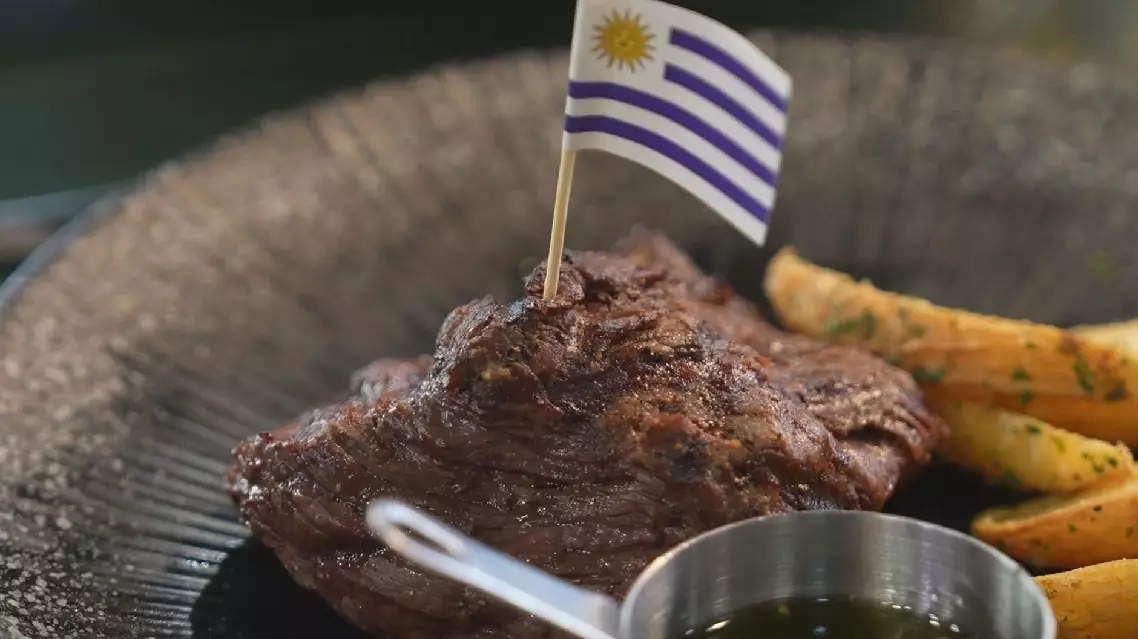
Uruguay bolsters strategic, economic partnership with China: observers
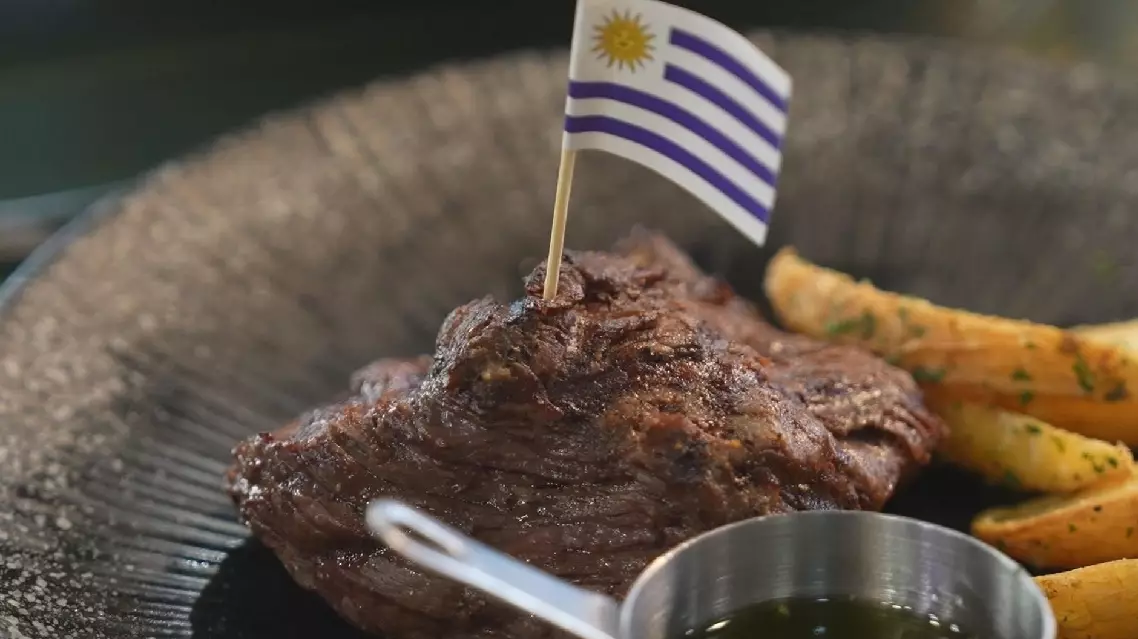
Uruguay bolsters strategic, economic partnership with China: observers