As tensions between Iran and the United States continue to heat up, Tehran residents carry on with their daily lives amid threats of possible attack.
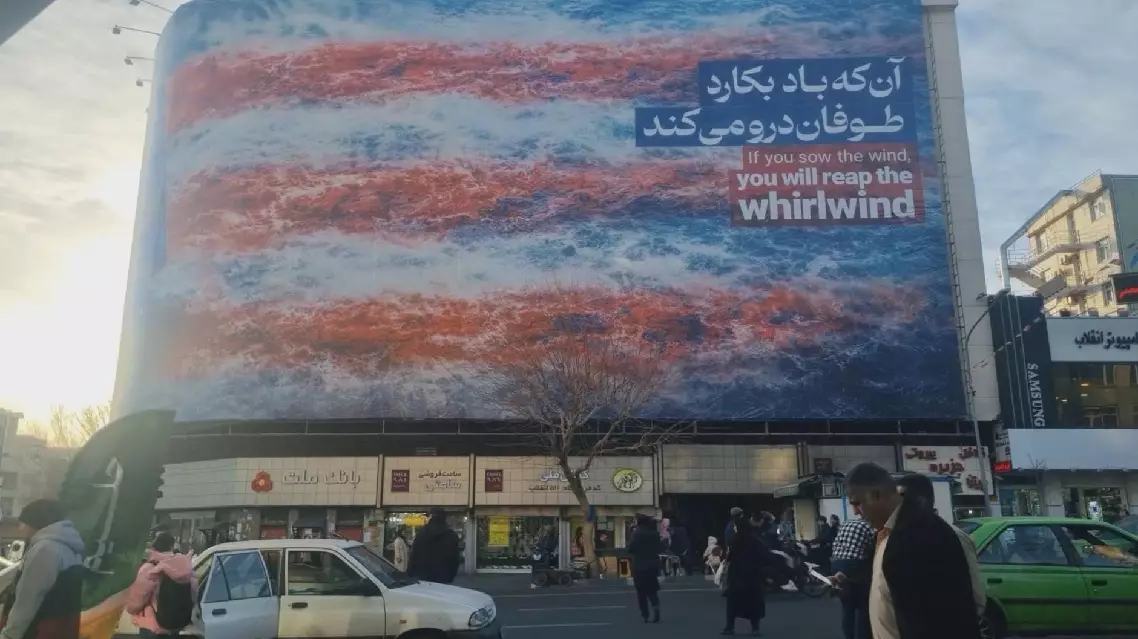
The United States increased its military presence in the Middle East and issued new threats following U.S. President Donald Trump's recent endorsement of Iran's anti-government protests.
On Wednesday, Trump said that a "massive armada," led by the aircraft carrier the USS Abraham Lincoln and larger than the one previously deployed to Venezuela, is heading toward Iran, and warned Tehran that "time is running out" to reach a deal with the U.S. over its nuclear program.
Two days later, Trump called on Iran to return to negotiations for what he described as a "fair and equitable deal," while again emphasizing the U.S. military's strong presence in the region.
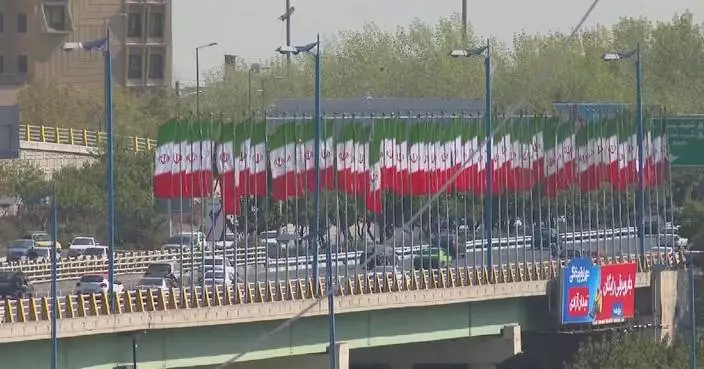
The latest developments have alarmed regional leaders and sparked urgent calls from the international community for renewed diplomacy. However, in Tehran, a determined normalcy persists on the streets, with traffic flowing in its familiar chaotic rhythm, people browsing in bookshops, and gathering for coffee.
Despite feeling exhausted by life and haunted by years of living in a state of perpetual crisis, many have chosen to persevere. Many are determined to stay in the capital city even if conflict erupts.
"Even during the 12-day war last year, I didn't leave. I stayed in Tehran. I never left," said Omid, a Tehran resident.
"We will stay in Tehran and will take care of our families," said Akbar, another Tehran resident.
"We might not evacuate, and we will stay in Tehran to take care of things in an emergency. Who knows? We might go to other towns," said Taha.
Tehran residents carry on with daily routines despite possible US strike
China has increased transportation capacity in its air, highway and railway systems to handle a busier 40-day Spring Festival travel rush, which is set to begin on Monday and expected to see 9.5 billion cross-regional passenger trips.
Each year during the period, millions of people working, studying, or living away from their hometowns return for the Spring Festival, China's most important traditional holiday, forming the world's largest annual human migration.
The railway network in China has geared up to meet the growing travel demand. It is capable of scheduling over 14,000 passenger trains per day during the peak period of the travel rush, representing a year-on-year increase of 5.3 percent in transportation capacity.
"By analyzing data flows, we are now capable of tracking passengers' demands and dynamically managing transportation capacity in areas such as ticket purchasing, waitlist management, and transportation capacity adjustments so that the transportation resources will be used more effectively to meet passengers' travel needs," said Zhang Zhiqiang, head of the operation support department at the China Railway 12306 Technology Center.
During the travel rush, China's civil aviation sector is expected to schedule an average of 19,400 flights per day, increasing by 5 percent year on year.
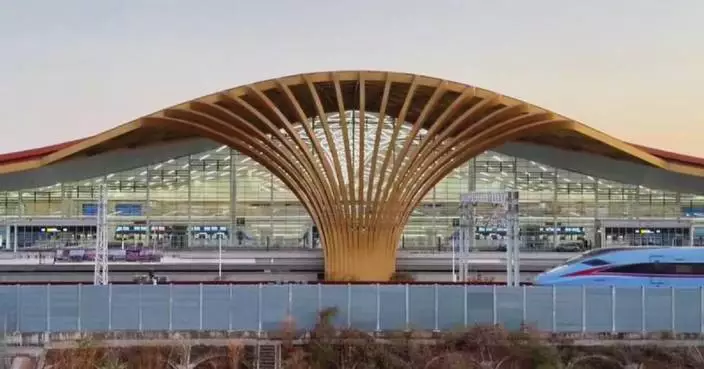
Helping meet capacity, a new terminal was put into test operation at Sanya Phoenix International Airport on Sunday to facilitate smooth travel in the island province of Hainan, which is a popular tourism destination for people from home and abroad during the Spring Festival holiday.
The country is also expected to handle record-high daily self-driving trips and highway traffic volume during the travel rush period.
The Spring Festival, or the Chinese New Year, falls on February 17 this year. The official holiday lasts nine days, with the travel rush running through March 13.
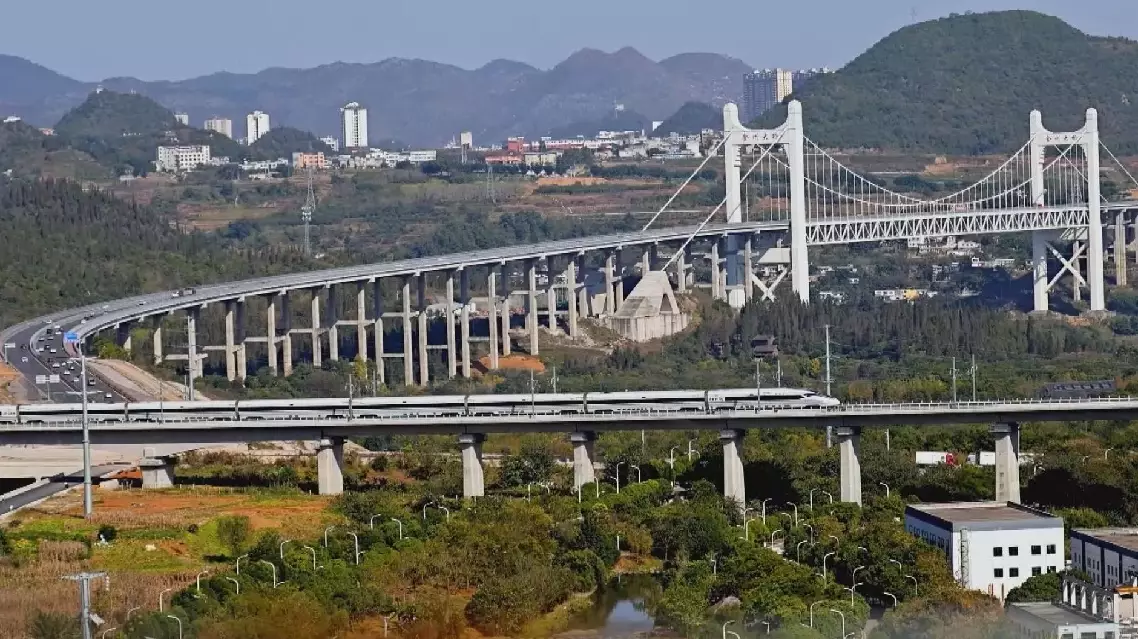
China increases transportation capacity to handle busier Spring Festival travel rush