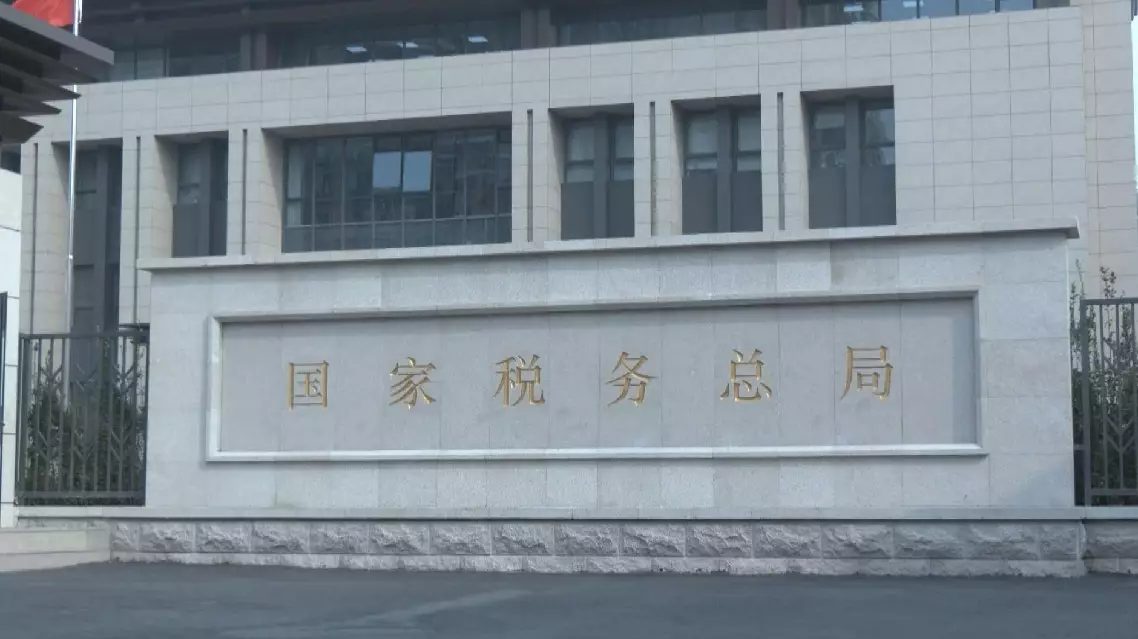
China accelerated the smart transformation of its manufacturing sector in 2025, with robust growth in sales revenue from robot manufacturing and smart consumer devices, according to invoice data released by the State Taxation Administration.
The data showed that the sales revenue of the intelligent equipment manufacturing industry surged 28.1 percent from the previous year. Notably, the smart consumer device and robot manufacturing recorded impressive year-on-year sales growth of 32.4 percent and 24 percent, respectively, as the "AI Plus" initiative gained faster traction.
Unveiled by a government work report in 2024, the "AI Plus" initiative aims to promote the extensive, in-depth integration of AI across all industries throughout China's economy and society.
One sector benefiting from this push is medical healthcare, where exoskeleton robots are developed to support rehabilitation services.
At a robotics research and development company in Chengdu, southwest China's Sichuan Province, engineers have been conducting iterative testing on an exoskeleton robot.
Driven by brainwave signals, the mechanical exoskeleton can assist paralyzed patients in rehabilitation. The product has now been deployed in more than 500 medical institutions nationwide, generating big returns.
"Our company's revenue grew by 96 percent year on year in 2025. We are now developing a personal-assistant exoskeleton robot, which will shift from small-batch testing to large-scale production later this year," said Jiang Xiangchun, deputy general manager of the Home-use Division of Buffalo Robot Technology (Chengdu) Co., Ltd.
Companies like Buffalo Robot help boost Chengdu's innovation capacity. In 2025, the number of national high-tech enterprises in the city surged by a staggering 141.3 percent to 14,700, with operating revenue from high-tech industries exceeding 1.5 trillion yuan (around 215.8 billion U.S. dollars).
"In 2025, sales revenue from Chengdu's industrial robot manufacturing sector grew by 7.88 percent year on year. The city's tax and fee reductions totaled 44.5 billion yuan (around 6.4 billion U.S. dollars) across sci-tech innovation and manufacturing sectors, significantly boosting confidence and capacity of the city's enterprises for research and development investment," said Li Ling, an official from the Chengdu Municipal Tax Service of the State Taxation Administration.
The invoice data also showed that steady progress was made last year in moving China's manufacturing sector toward higher-end production. Sales revenue in advanced manufacturing industries including computer and communications equipment manufacturing as well as instruments manufacturing surged by 11.5 percent and 10.3 percent year on year, respectively.
China speeds up development of smart manufacturing in 2025