A legal expert in Beijing said on Sunday that a World Trade Organization panel ruling in China's dispute case against the United States over the Inflation Reduction Act carries major implications for the global clean energy sector.
The panel ruled that the U.S. clean energy subsidy measures are inconsistent with WTO rules, requiring the United States to withdraw the subsidies in question.
China's Ministry of Commerce voiced appreciation for what it calls an objective and fair ruling. The ministry reiterated that China has always been a firm defender of WTO rules and the international economic and trade order.
Speaking in an exclusive interview with China Global Television Network (CGTN), Guan Jian, founding partner of the Beijing Grandwin Law Firm, said the WTO panel ruling has set up a "warning benchmark" for global clean energy industry.
"This provision of subsidy is contingent upon the use of domestic over imported goods. Those goods may include iron and steel products, and other components used for the construction of clean energy facilities. If the U.S. could respect the recommendation of the panel by withdrawing the measure in dispute, that would create a level playing field for the global clean energy market. The filing of this panel has also set up a warning benchmark for all WTO members in developing their clean energy industries. This would help stabilize global market expectations," said Guan.
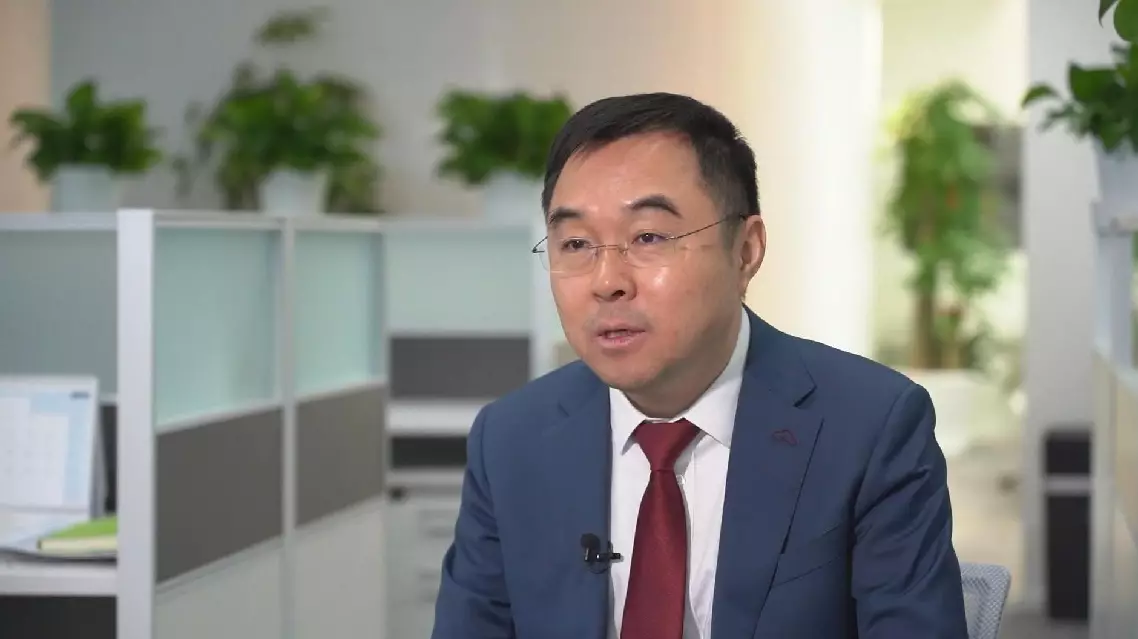
WTO ruling against U.S. subsidies imperative to global clean energy sector: expert
China has increased transportation capacity in its air, highway and railway systems to handle a busier 40-day Spring Festival travel rush, which is set to begin on Monday and expected to see 9.5 billion cross-regional passenger trips.
Each year during the period, millions of people working, studying, or living away from their hometowns return for the Spring Festival, China's most important traditional holiday, forming the world's largest annual human migration.
The railway network in China has geared up to meet the growing travel demand. It is capable of scheduling over 14,000 passenger trains per day during the peak period of the travel rush, representing a year-on-year increase of 5.3 percent in transportation capacity.
"By analyzing data flows, we are now capable of tracking passengers' demands and dynamically managing transportation capacity in areas such as ticket purchasing, waitlist management, and transportation capacity adjustments so that the transportation resources will be used more effectively to meet passengers' travel needs," said Zhang Zhiqiang, head of the operation support department at the China Railway 12306 Technology Center.
During the travel rush, China's civil aviation sector is expected to schedule an average of 19,400 flights per day, increasing by 5 percent year on year.
Helping meet capacity, a new terminal was put into test operation at Sanya Phoenix International Airport on Sunday to facilitate smooth travel in the island province of Hainan, which is a popular tourism destination for people from home and abroad during the Spring Festival holiday.
The country is also expected to handle record-high daily self-driving trips and highway traffic volume during the travel rush period.
The Spring Festival, or the Chinese New Year, falls on February 17 this year. The official holiday lasts nine days, with the travel rush running through March 13.
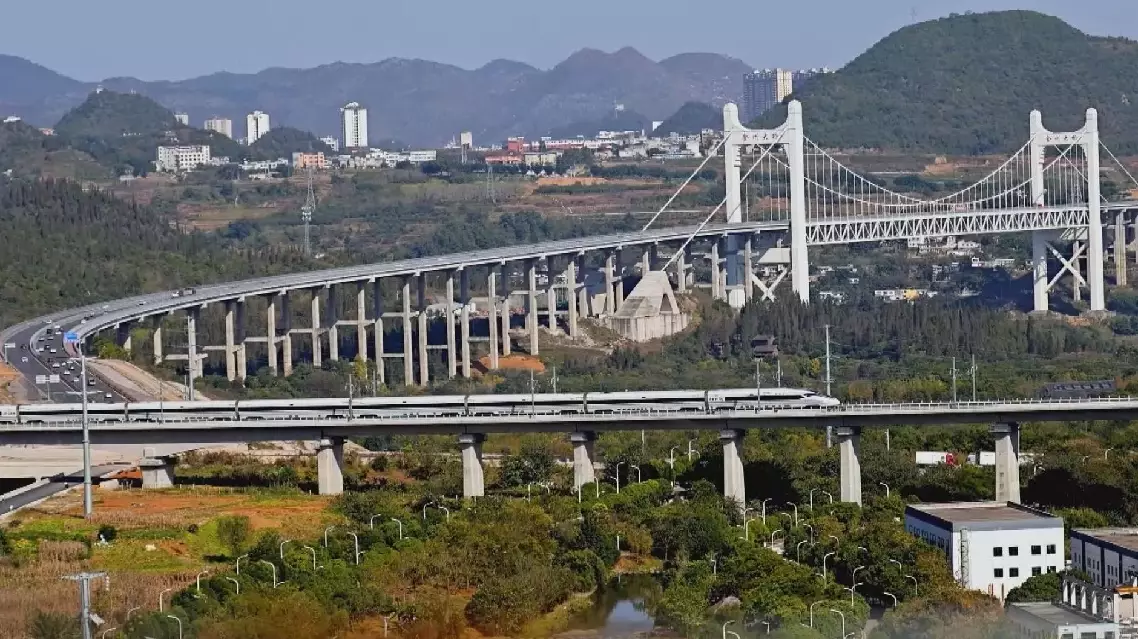
China increases transportation capacity to handle busier Spring Festival travel rush