Skip to Content Facebook Feature Image

Gaza's border crossing to Egypt reopens in a key step for truce but only few Palestinians can cross

News

Gaza's border crossing to Egypt reopens in a key step for truce but only few Palestinians can cross
News

News

Gaza's border crossing to Egypt reopens in a key step for truce but only few Palestinians can cross

2026-02-02 18:25 Last Updated At:18:30

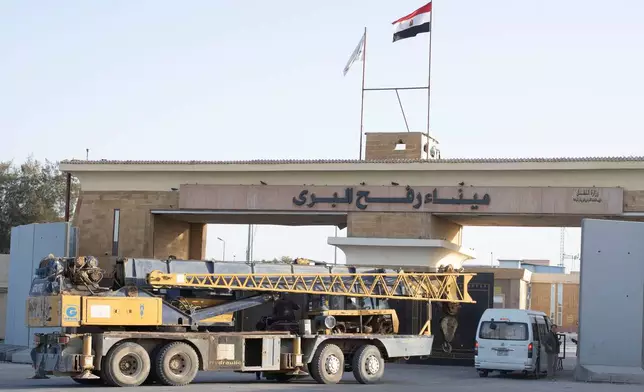
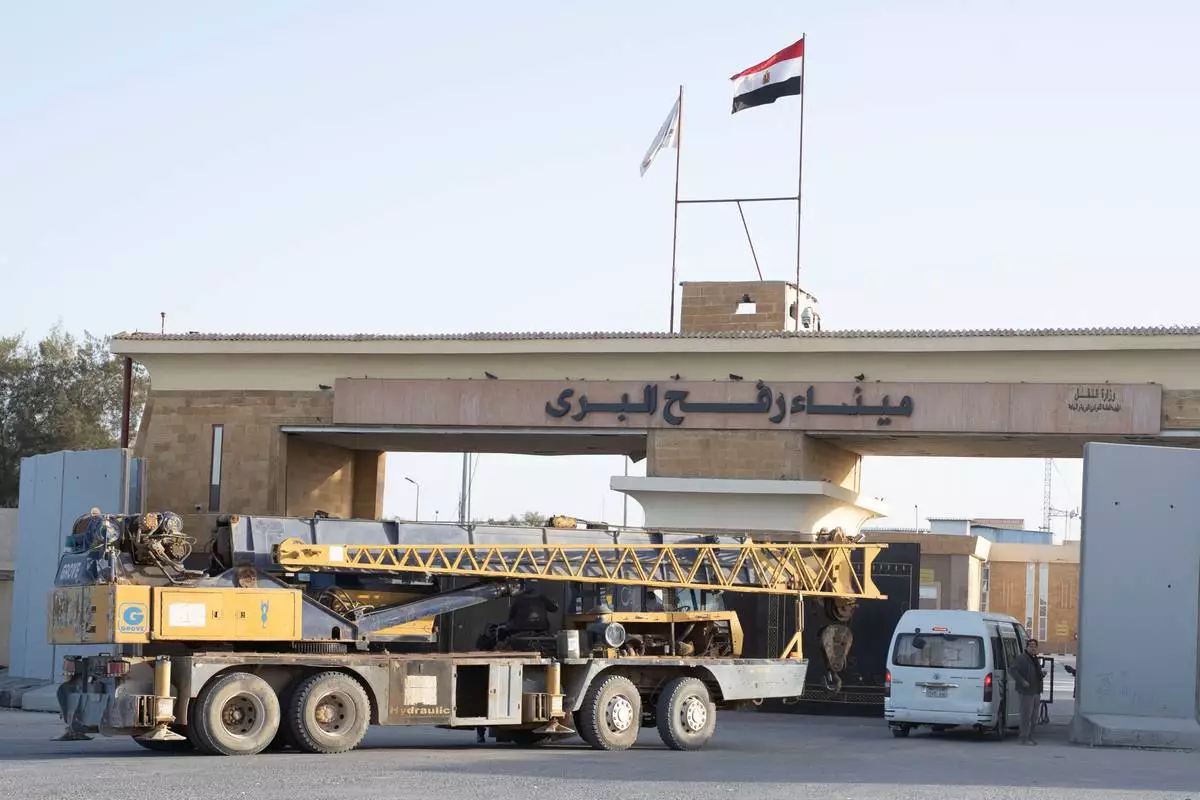
CAIRO (AP) — Gaza’s Rafah border crossing with Egypt reopened on Monday for limited traffic, a key step in the Israel-Hamas ceasefire but a mostly symbolic development on the ground as few people will be allowed to travel in either direction and no goods will pass through it.

Within the first few hours of the opening, however, no one was seen crossing in or out of Gaza. An Egyptian official said 50 Palestinians were expected to cross in each direction on the first day of Rafah's operation. About 20,000 Palestinian children and adults needing medical care hope to leave the devastated Gaza via the crossing, according to Gaza health officials.

More Images
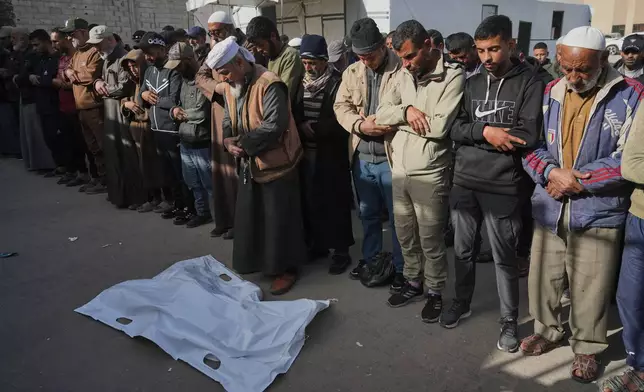
Mourners pray beside the body of Iyad Abu Rabi, 3, who was killed when an Israeli strike hit tents sheltering displaced people along the coast of Khan Younis, according to hospital officials, at Nasser Hospital in Khan Younis, Gaza Strip, Monday, Feb. 2, 2026. (AP Photo/Jehad Alshrafi)
Mourners pray beside the body of Iyad Abu Rabi, 3, who was killed when an Israeli strike hit tents sheltering displaced people along the coast of Khan Younis, according to hospital officials, at Nasser Hospital in Khan Younis, Gaza Strip, Monday, Feb. 2, 2026. (AP Photo/Jehad Alshrafi)
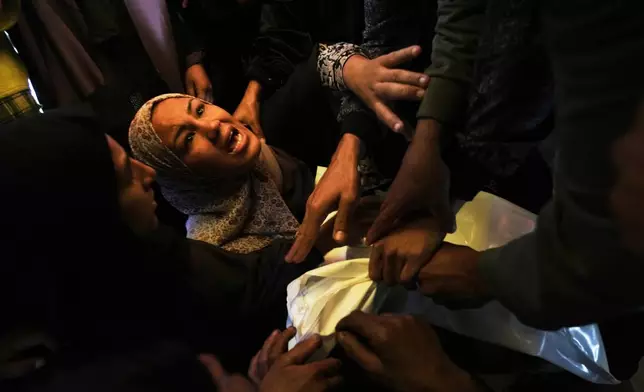
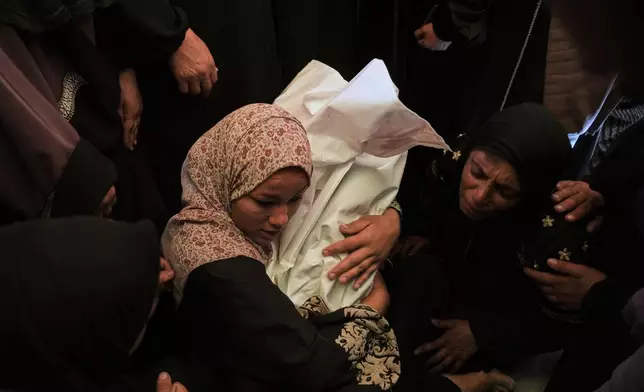
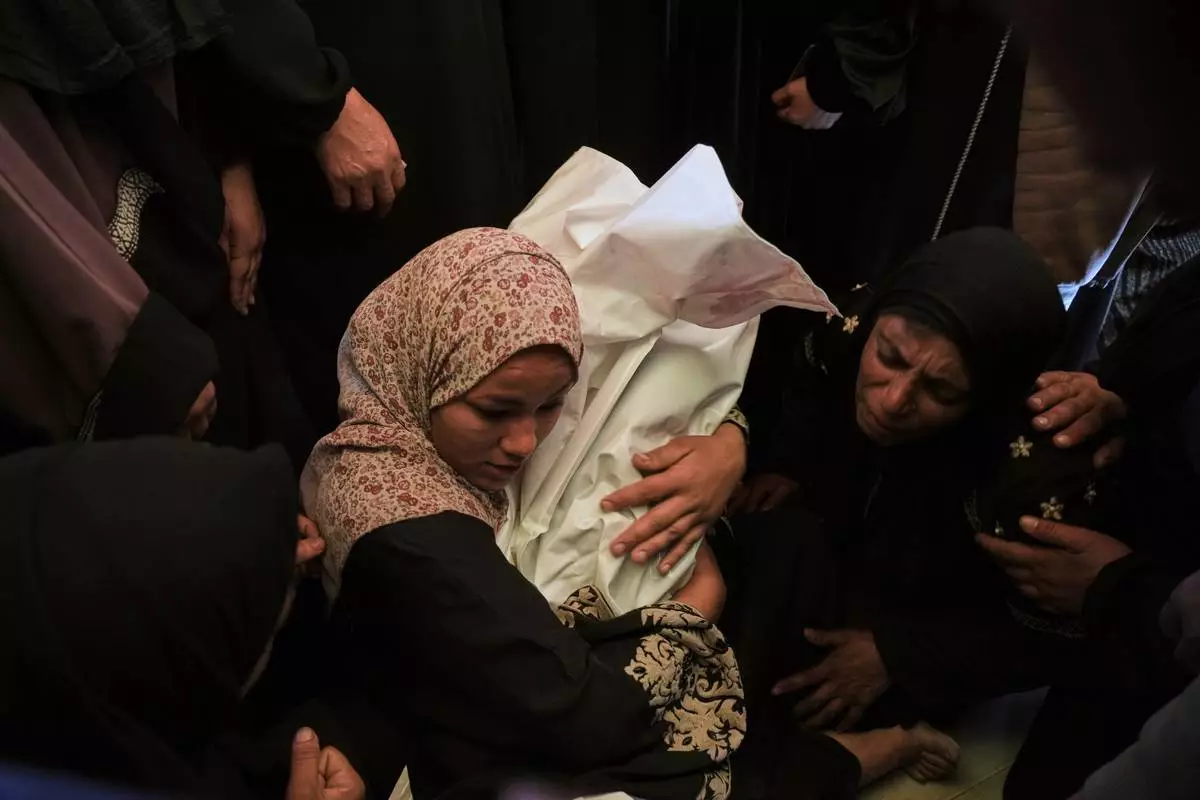
Khadija Abu Rabi cradles the body of her son, Iyad, 3, who was killed when an Israeli strike hit tents sheltering displaced people along the coast of Khan Younis, according to hospital officials, at Nasser Hospital in Khan Younis, Gaza Strip, Monday, Feb. 2, 2026. (AP Photo/Jehad Alshrafi)
Khadija Abu Rabi cradles the body of her son, Iyad, 3, who was killed when an Israeli strike hit tents sheltering displaced people along the coast of Khan Younis, according to hospital officials, at Nasser Hospital in Khan Younis, Gaza Strip, Monday, Feb. 2, 2026. (AP Photo/Jehad Alshrafi)

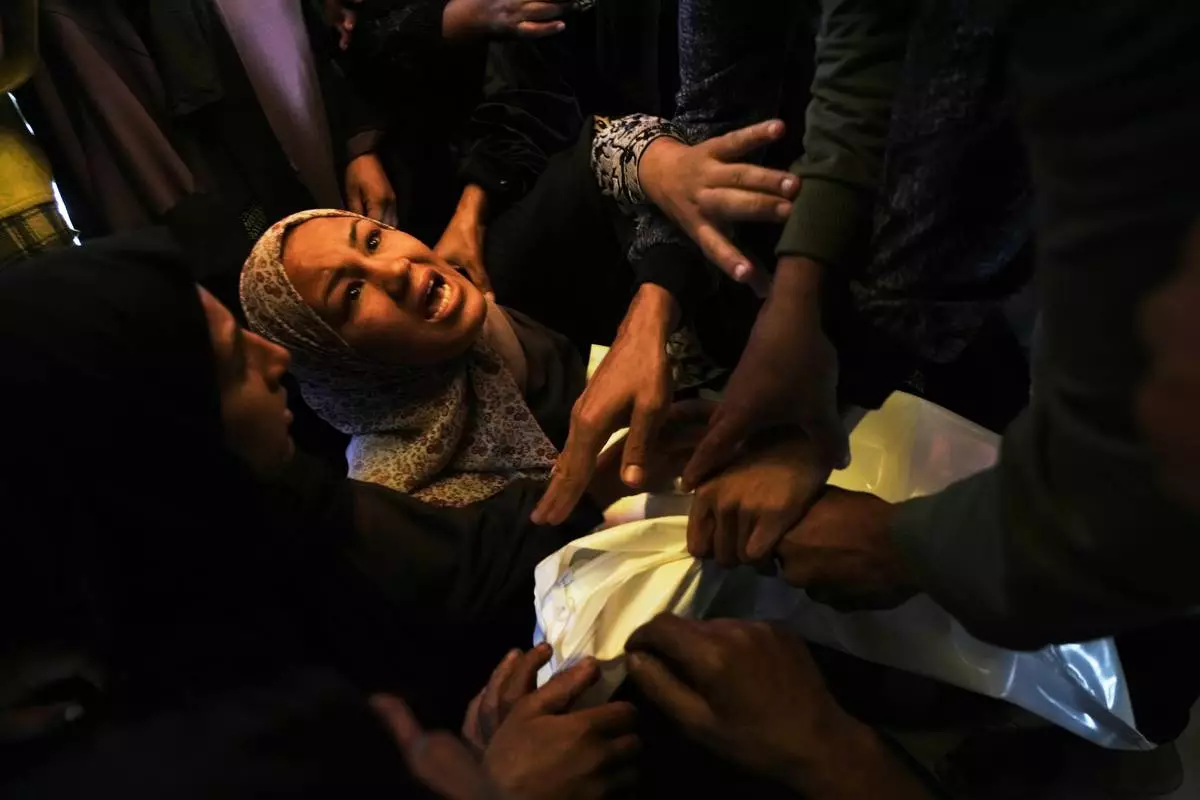
Khadija Abu Rabi mourns over the body of her son, Iyad, 3, who was killed when an Israeli strike hit tents sheltering displaced people along the coast of Khan Younis, according to hospital officials, at Nasser Hospital in Khan Younis, Gaza Strip, Monday, Feb. 2, 2026. (AP Photo/Jehad Alshrafi)

Khadija Abu Rabi mourns over the body of her son, Iyad, 3, who was killed when an Israeli strike hit tents sheltering displaced people along the coast of Khan Younis, according to hospital officials, at Nasser Hospital in Khan Younis, Gaza Strip, Monday, Feb. 2, 2026. (AP Photo/Jehad Alshrafi)

A crane enters the Egyptian gate of the Rafah crossing to the Gaza Strip, in Rafah, Egypt, Sunday, Feb. 1, 2026. (AP Photo/Mohamed Arafat)
A crane enters the Egyptian gate of the Rafah crossing to the Gaza Strip, in Rafah, Egypt, Sunday, Feb. 1, 2026. (AP Photo/Mohamed Arafat)

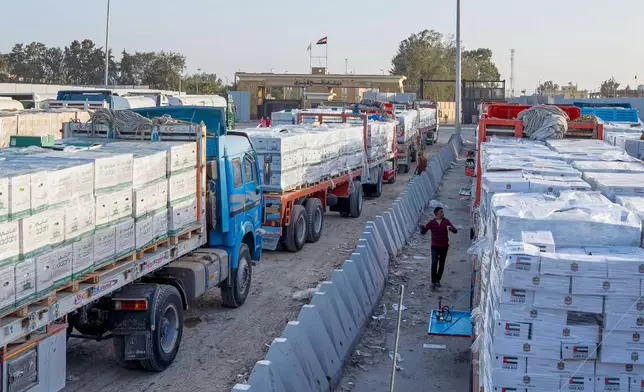
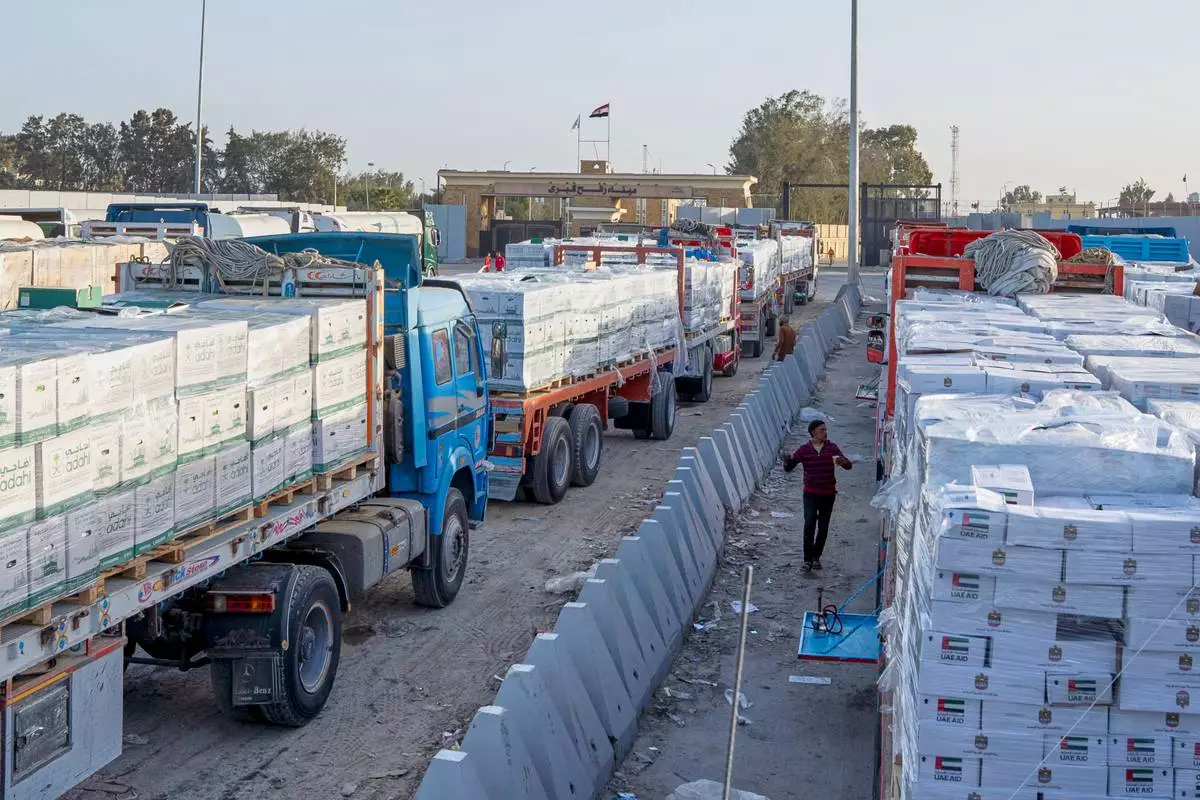
Trucks carrying humanitarian aids line up to enter the Egyptian gate of the Rafah crossing, heading for inspection by Israeli authorities before entering the Gaza Strip, in Rafah, Egypt, Sunday, Feb. 1, 2026. (AP Photo/Mohamed Arafat)
Trucks carrying humanitarian aids line up to enter the Egyptian gate of the Rafah crossing, heading for inspection by Israeli authorities before entering the Gaza Strip, in Rafah, Egypt, Sunday, Feb. 1, 2026. (AP Photo/Mohamed Arafat)

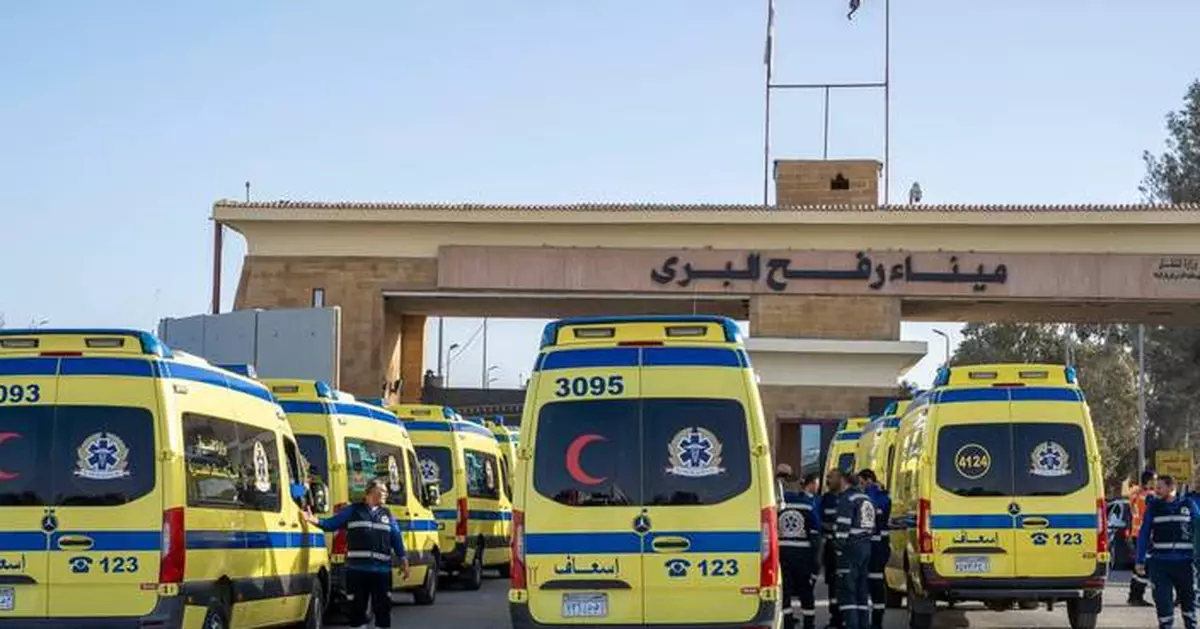
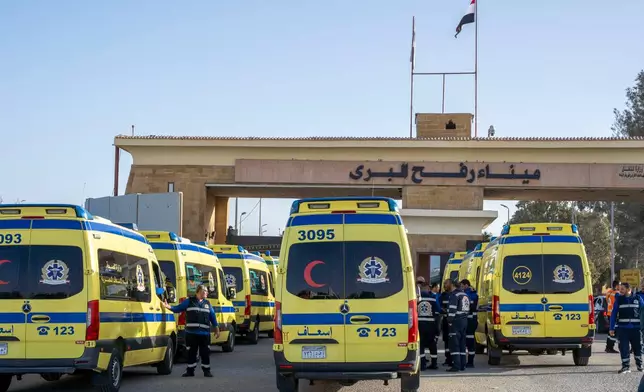
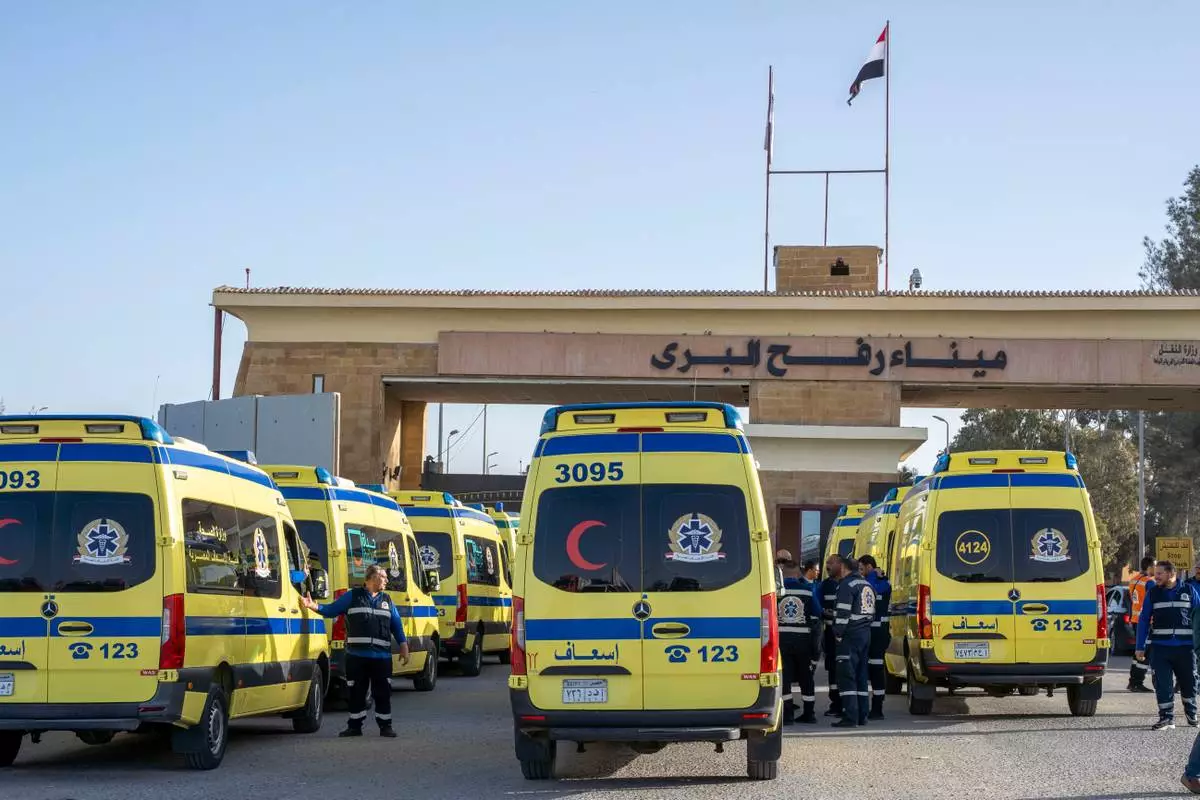
Ambulances line up to enter the Egyptian gate of the Rafah crossing on the way to the Gaza Strip, in Rafah, Egypt, Sunday, Feb. 1, 2026. (AP Photo/Mohamed Arafat)

Ambulances line up to enter the Egyptian gate of the Rafah crossing on the way to the Gaza Strip, in Rafah, Egypt, Sunday, Feb. 1, 2026. (AP Photo/Mohamed Arafat)

Thousands of other Palestinians outside the territory hope to enter and return home.

State-run Egyptian media and an Israeli security official also confirmed the reopening. The officials spoke to The Associated Press on condition of anonymity because they were not authorized to talk to the media.

Before the war, Rafah was the main crossing for people moving in and out of Gaza. The territory’s handful of other crossings are all shared with Israel. Under the terms of the ceasefire, which went into effect in October, Israel’s military controls the area between the Rafah crossing and the zone where most Palestinians live.

Violence still continued across the coastal territory Monday, and Gaza hospital officials said an Israeli navy ship had fired on a tent camp, killing a 3-year-old Palestinian boy. Israel’s military said it was looking into the incident.

Rajaa Abu Mustafa stood Monday outside a Gaza hospital where her 17-year-old son Mohamed was awaiting evacuation. He was blinded by a shot to the eye last year as he joined desperate Palestinians seeking food from aid trucks east of the city of Khan Younis.

“We have been waiting for the crossing to open,” she said. “Now it’s opened and the health ministry called and told us that we will travel to Egypt for (his) treatment.”

About 150 hospitals across Egypt are ready to receive Palestinian patients evacuated from Gaza through Rafah, authorities said. Also, the Egyptian Red Crescent said it has readied “safe spaces” on the Egyptian side of the crossing to support those evacuated from the Gaza Strip.

Israel has banned sending patients to hospitals in the Israeli-occupied West Bank and east Jerusalem since the war began — a move that cut off what was previously the main outlet for Palestinians needing medical treatment unavailable in Gaza.

Israel has said it and Egypt will vet people for exit and entry through the Rafah crossing, which will be supervised by European Union border patrol agents with a small Palestinian presence. The numbers of travelers are expected to increase over time, if the system is successful.

Fearing that Israel could use the crossing to push Palestinians out of the enclave, Egypt has repeatedly said it must be open for them to enter and exit Gaza. Historically, Israel and Egypt have vetted Palestinians applying to cross.

A 3-year-old Palestinian was killed Monday when Israel navy hit tents sheltering displaced people on the coast of Gaza’s southern city of Khan Younis, Palestinian hospital authorities said.

According to the Nasser hospital, which received the body, the attack happened in Muwasi, a tent camp area on the Gaza Strip’s coast. The boy was the latest among Palestinians in Gaza since the October ceasefire in Gaza.

More than 520 Palestinians were killed by Israeli fire since the ceasefire went into effect on Oct. 10, according to Gaza's health ministry. The casualties since the ceasefire, which UNICEF said include more than 100 children, are among the over 71,700 Palestinians killed since the start of Israel’s offensive, according to ministry, which does not say how many were fighters or civilians.

The ministry, which is part of Gaza's Hamas-led government, keeps detailed casualty records that are seen as generally reliable by U.N. agencies and independent experts.

Israeli troops seized the Rafah crossing in May 2024, calling it part of efforts to combat arms-smuggling for the militant Hamas group. The crossing was briefly opened for the evacuation of medical patients during a ceasefire in early 2025.

Israel had resisted reopening the Rafah crossing, but the recovery of the remains of the last hostage in Gaza cleared the way to move forward.

The reopening is seen as a key step as the U.S.-brokered ceasefire agreement moves into its second phase. In time, Rafah is expected to ramp up operations if the ceasefire holds.

The truce halted more than two years of war between Israel and Hamas that began with the Hamas-led attack on southern Israel on Oct. 7, 2023. Its first phase called for the exchange of all hostages held in Gaza for hundreds of Palestinians held by Israel, an increase in badly needed humanitarian aid and a partial pullback of Israeli troops.

The second phase of the ceasefire deal is more complicated. It calls for installing the new Palestinian committee to govern Gaza, deploying an international security force, disarming Hamas and taking steps to begin rebuilding.

Federman reported from Jerusalem. Associated Press writer Julia Frankel in Jerusalem contributed to this report.

Find more of AP’s coverage at https://apnews.com/hub/israel-hamas-war
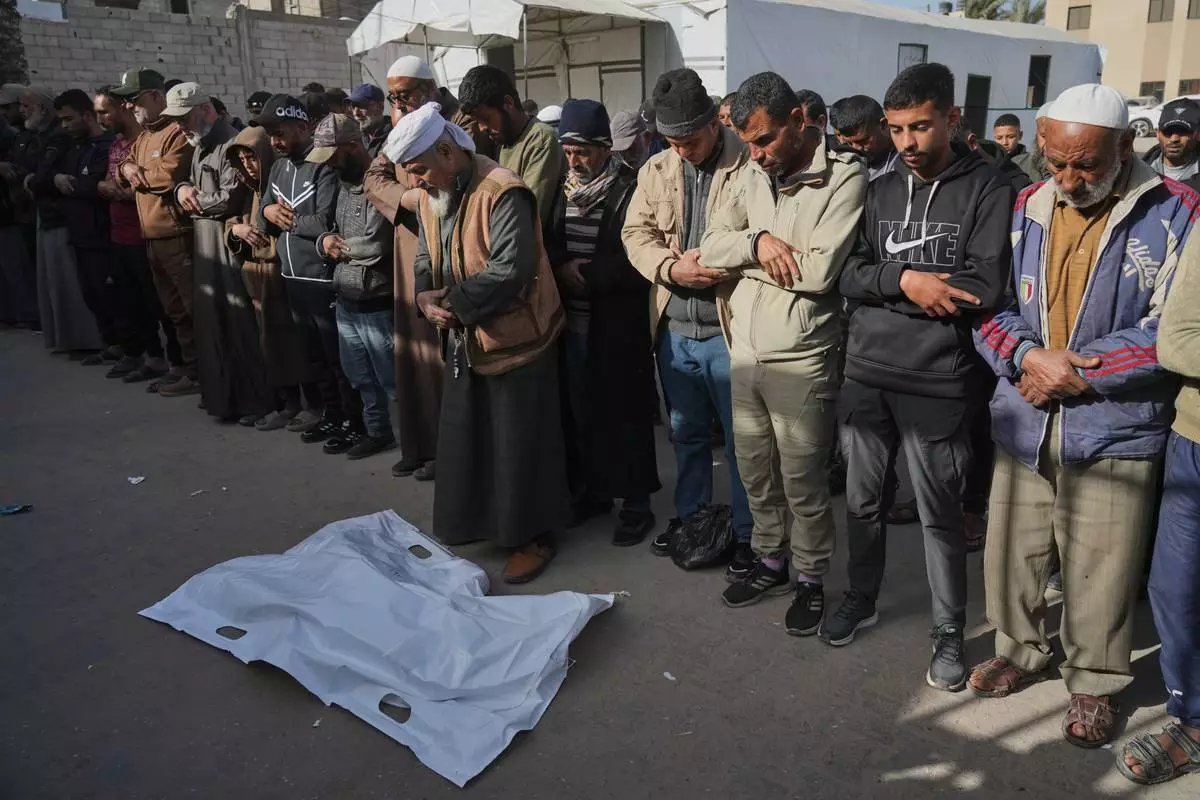
Mourners pray beside the body of Iyad Abu Rabi, 3, who was killed when an Israeli strike hit tents sheltering displaced people along the coast of Khan Younis, according to hospital officials, at Nasser Hospital in Khan Younis, Gaza Strip, Monday, Feb. 2, 2026. (AP Photo/Jehad Alshrafi)
Mourners pray beside the body of Iyad Abu Rabi, 3, who was killed when an Israeli strike hit tents sheltering displaced people along the coast of Khan Younis, according to hospital officials, at Nasser Hospital in Khan Younis, Gaza Strip, Monday, Feb. 2, 2026. (AP Photo/Jehad Alshrafi)
Khadija Abu Rabi cradles the body of her son, Iyad, 3, who was killed when an Israeli strike hit tents sheltering displaced people along the coast of Khan Younis, according to hospital officials, at Nasser Hospital in Khan Younis, Gaza Strip, Monday, Feb. 2, 2026. (AP Photo/Jehad Alshrafi)
Khadija Abu Rabi cradles the body of her son, Iyad, 3, who was killed when an Israeli strike hit tents sheltering displaced people along the coast of Khan Younis, according to hospital officials, at Nasser Hospital in Khan Younis, Gaza Strip, Monday, Feb. 2, 2026. (AP Photo/Jehad Alshrafi)

Khadija Abu Rabi mourns over the body of her son, Iyad, 3, who was killed when an Israeli strike hit tents sheltering displaced people along the coast of Khan Younis, according to hospital officials, at Nasser Hospital in Khan Younis, Gaza Strip, Monday, Feb. 2, 2026. (AP Photo/Jehad Alshrafi)

Khadija Abu Rabi mourns over the body of her son, Iyad, 3, who was killed when an Israeli strike hit tents sheltering displaced people along the coast of Khan Younis, according to hospital officials, at Nasser Hospital in Khan Younis, Gaza Strip, Monday, Feb. 2, 2026. (AP Photo/Jehad Alshrafi)

A crane enters the Egyptian gate of the Rafah crossing to the Gaza Strip, in Rafah, Egypt, Sunday, Feb. 1, 2026. (AP Photo/Mohamed Arafat)
A crane enters the Egyptian gate of the Rafah crossing to the Gaza Strip, in Rafah, Egypt, Sunday, Feb. 1, 2026. (AP Photo/Mohamed Arafat)

Trucks carrying humanitarian aids line up to enter the Egyptian gate of the Rafah crossing, heading for inspection by Israeli authorities before entering the Gaza Strip, in Rafah, Egypt, Sunday, Feb. 1, 2026. (AP Photo/Mohamed Arafat)
Trucks carrying humanitarian aids line up to enter the Egyptian gate of the Rafah crossing, heading for inspection by Israeli authorities before entering the Gaza Strip, in Rafah, Egypt, Sunday, Feb. 1, 2026. (AP Photo/Mohamed Arafat)

Ambulances line up to enter the Egyptian gate of the Rafah crossing on the way to the Gaza Strip, in Rafah, Egypt, Sunday, Feb. 1, 2026. (AP Photo/Mohamed Arafat)


Ambulances line up to enter the Egyptian gate of the Rafah crossing on the way to the Gaza Strip, in Rafah, Egypt, Sunday, Feb. 1, 2026. (AP Photo/Mohamed Arafat)

The Professional Women’s Hockey League was but a pipe dream in February 2022 when Kendall Coyne Schofield emphatically declared the urgency needed to address a fractured sport with unrealized potential.

“We need to push for visibility,” Coyne Schofield said then, choking back tears after the United States’ 3-2 gold-medal loss to Canada at the Beijing Winter Games. “We need to continue to fight for women’s hockey because (the status quo) is not good enough. It can’t end after the Olympic Games.”

Four years later, the women’s pro hockey landscape has undergone a seismic shift following the PWHL’s launch in 2023. The league’s presence and expanding success validates Coyne Schofield’s vision as the PWHL prepares for its international coming-out party at the Milan Cortina Games.

“I look at the growth of the women’s game, even from my first Olympics in 2014, and it’s been exponential,” said the 33-year-old captain of the two-time Walter Cup champion Minnesota Frost.

“To be a small part of that growth and just to live through that growth has been one of the greatest things I’ve been able to be a part of,” she added, in having played a key behind-the-scenes role in the league’s formation. “And I’m excited to see what happens after these Games.”

The PWHL is banking on it. The eight-team league, financially backed by Los Angeles Dodgers owner Mark Walter, is placing a major emphasis on marketing the PWHL through advertising spots during the two-week women’s tournament opening on Thursday.

The PWHL is well represented with 61 players among the 10 competing nations' rosters, and most notably filling out a majority of the U.S. and Canadian teams.

The objective is twofold: Introducing PWHL fans to the elite level of Olympic play and luring casual viewers tuning in once every four years to the PWHL.

“Previous years, everybody falls in love with the Olympics. They hear stories about players, we have huge viewership numbers, and then it’s sort of like ‘What now?’” Hockey Hall of Famer and PWHL executive vice president Jayna Hefford said. “It’s a big opportunity to educate, direct back and make sure they know where they can find the players.”

Though much is being made of NHL players competing at the Olympics for the first time since 2014, these Games mark the debut of true professional women’s hockey players.

Their sport has gone through many iterations of so-called pro leagues, many in name only. Canadian Women’s Hockey League players weren’t paid a salary. A majority of the game’s elite eventually balked at competing in the National Women’s Hockey League, which later became the Premier Hockey Federation before being bought out to pave way for the PWHL.

The Olympics serve as the next launching point of growth for a league that began with six franchises and now has eight spanning the continent from Boston to the Pacific Northwest. More expansion is on the horizon, with the PWHL set to add up to four more teams next season.

Attendance is up. After soaring past the 1 million mark in just under two seasons in March, the PWHL has already surpassed 500,000 fans alone nearing the halfway point of its third season.

Challenges remain. Though every game is available on TV in each U.S. team's market, and across America and much of the globe via YouTube, the PWHL lacks a national broadcaster in the U.S.

The PWHL also lags in international talent in its attempt to market itself as the world’s top league. Only 25 of the league's 200-plus players this season come from outside North America. They include New York Sirens forward Krystyna Kaltounkova, who is from the Czech Republic and in June became the first European player to be chosen No. 1 in the draft.

Hefford is confident expansion, coupled with an Olympic tournament featuring PWHL stars, will be a vehicle to attract more international players. League executive Stan Kasten previously said the PWHL is eying playing exhibition games in Europe and one day establishing teams there.

“Europe is a big part of our future,” Kasten told The AP in May.

Boston Fleet forward and veteran Swiss national team player Alina Muller said she believes the PWHL’s growth and stability will gradually lure more international players. Europeans who came to North America to play collegiately before returning home now they have a league to further their careers.

“Now being able to watch our games and think, ‘Yeah, I want to end up playing professionally,’ will change the attitude toward the sport completely,” said Muller, who played college hockey at Northeastern. “Hopefully in Europe people see that it’s worth the investment, and it’s not just a side gig or charity."

AP Hockey Writer Stephen Whyno contributed.

AP women’s hockey: https://apnews.com/hub/womens-hockey

Vancouver Goldeneyes' Sarah Nurse (20) celebrates her goal against the Toronto Sceptres during the third period of a PWHL hockey game in Vancouver, British Columbia, Thursday, Jan. 22, 2026. (Ethan Cairns/The Canadian Press via AP)

Vancouver Goldeneyes' Sarah Nurse (20) celebrates her goal against the Toronto Sceptres during the third period of a PWHL hockey game in Vancouver, British Columbia, Thursday, Jan. 22, 2026. (Ethan Cairns/The Canadian Press via AP)

Toronto Sceptres' Natalie Spooner, center, enters the ice before a PWHL hockey game against the Vancouver Goldeneyes in Vancouver, British Columbia, Thursday, Jan. 22, 2026. (Ethan Cairns/The Canadian Press via AP)

Toronto Sceptres' Natalie Spooner, center, enters the ice before a PWHL hockey game against the Vancouver Goldeneyes in Vancouver, British Columbia, Thursday, Jan. 22, 2026. (Ethan Cairns/The Canadian Press via AP)

Recommended Articles