Skip to Content Facebook Feature Image

Hong Kong Housing Authority Announces Clearance and Rehousing Plans for Sai Wan and Ma Tau Wai Estates Redevelopment

HK

Hong Kong Housing Authority Announces Clearance and Rehousing Plans for Sai Wan and Ma Tau Wai Estates Redevelopment
HK

HK

Hong Kong Housing Authority Announces Clearance and Rehousing Plans for Sai Wan and Ma Tau Wai Estates Redevelopment

2026-02-02 17:09 Last Updated At:17:22

HA announces clearance and rehousing arrangements for redevelopment of Sai Wan Estate and Phase 1 of Ma Tau Wai Estate

The following is issued on behalf of the Hong Kong Housing Authority:

The Hong Kong Housing Authority (HA) announced today (February 2) the clearance and rehousing arrangements for the redevelopment of Sai Wan Estate (SWE) and Phase 1 of Ma Tau Wai Estate (MTWE).

The HA's Strategic Planning Committeediscussed the above two plans this morning. The Commercial Properties Committee and the Subsidised Housing Committee, at a joint meeting, subsequently approved the rehousing and associated arrangements for the domestic and commercial tenants affected by the SWE and MTWE (Phase 1) redevelopment plans.

Clearance and rehousing arrangements for redevelopment of SWE

The clearance and rehousing of SWE will be carried out in one go. Affected tenants will have a notification period of more than 40 months before the target clearance date in September 2029 for making arrangements to move out of their units. Phase 1 of the Ka Wai Man Road public housing development nearby will serve as the reception estate, providing sufficient public rental housing (PRH) units for SWE tenants to move together with their neighbours, maintaining warm neighbourhood relationships and continuing the sense of community.

Clearance and rehousing arrangements for Phase 1 redevelopment of MTWE

MTWE will be redeveloped in two phases, with Phase 1 clearance covering Geranium House and Narcissus House. Affected tenants will have a notification period of more than 40 months before the target clearance date in July 2029 for making arrangements to move out of their units. The To Kwa Wan Road public housing development and part of the new Mei Tung Estate public housing development will serve as the reception estates for tenants affected by the Phase 1 clearance, reducing the number of redevelopment phases from three to two, hence significantly shortening the rehousing period for all MTWE residents from 14 years to seven years.

Public participation to improve the community

Based on the views of stakeholders collected during the community engagement activities and District Council consultation, the HA will carry out the associated arrangements of the redevelopment.

(1) Diverse rehousing options

Affected households can select from different rehousing options to suit their needs. Tenants affected by the SWE and MTWE (Phase 1) redevelopment plans may choose to move either to reception estates or to suitable and refurbished PRH units in other districts, and will be accorded priority to purchase subsidised sale flats launched for sale before the target clearance date.

(2) Details of allowance

Affected households will be offered a Domestic Removal Allowance ranging from $10,350 to $33,050, depending on the household size, to help cover part of their moving expenses. Eligible one-person and two-person households may also opt for cash in lieu of rehousing to a PRH unit under the Alternative Rehousing Allowance, with the rates for one-person households and two-person households endorsed at the joint meeting today standing at $82,700 and $100,220 respectively.

(3) Community service teams

The HA will set up on-site community service teams at SWE and MTWE to maintain communication between the HA and affected households, in particular elderly people, and to provide them services, including support in moving out of their current units and adapting to their new living environment.

(4) Internal transfer arrangements

The HA will take care of the households in need during the MTWE (Phase 1) redevelopment (for families of two or more, especially elderly households) through internal transfer. Tenants who have special circumstances may apply for transfer to a unit in Phase 2 of MTWE. The applications will be considered with discretion. No internal transfer arrangements are necessary for SWE as the reception estate can accommodate all of the affected tenants in one go.

(5) Preserving featured shops in the estate

The tailor-made tender arrangements previously adopted for the commercial tenants in Wah Fu Estate and Choi Hung Estate will also apply to the retail shops in Phase 1 of the MTWE redevelopment. To preserve featured shops with cultural affinities in the estate, the HA will identify shops with unique characteristics and values of retention through community engagement exercises, and engage the shop tenants in bidding for new commercial premises reserved in the reception estates or the redeveloped estates by way of restricted tenders. The HA will gauge the views of the community as well as the intention of affected shop tenants before finalising the detailed arrangements. Moreover, all eligible commercial tenants affected by the MTWE (Phase 1) redevelopment will be offered ex-gratia allowances equivalent to 15 times the monthly exclusive rent as specified in the tenancy agreement applicable on the day of the formal announcement of the clearance, and will be allowed to participate in the restricted tender exercises to lease selected vacant shops in the HA's existing retail facilities. If the retail tenants choose not to participate or are unsuccessful in the restricted tender exercises, they will be granted a lump sum payment of $113,500 in lieu.

The HA will continue to communicate with the residents and announce the latest news and development in due course based on the progress of the SWE and MTWE (Phase 1) redevelopment plans.
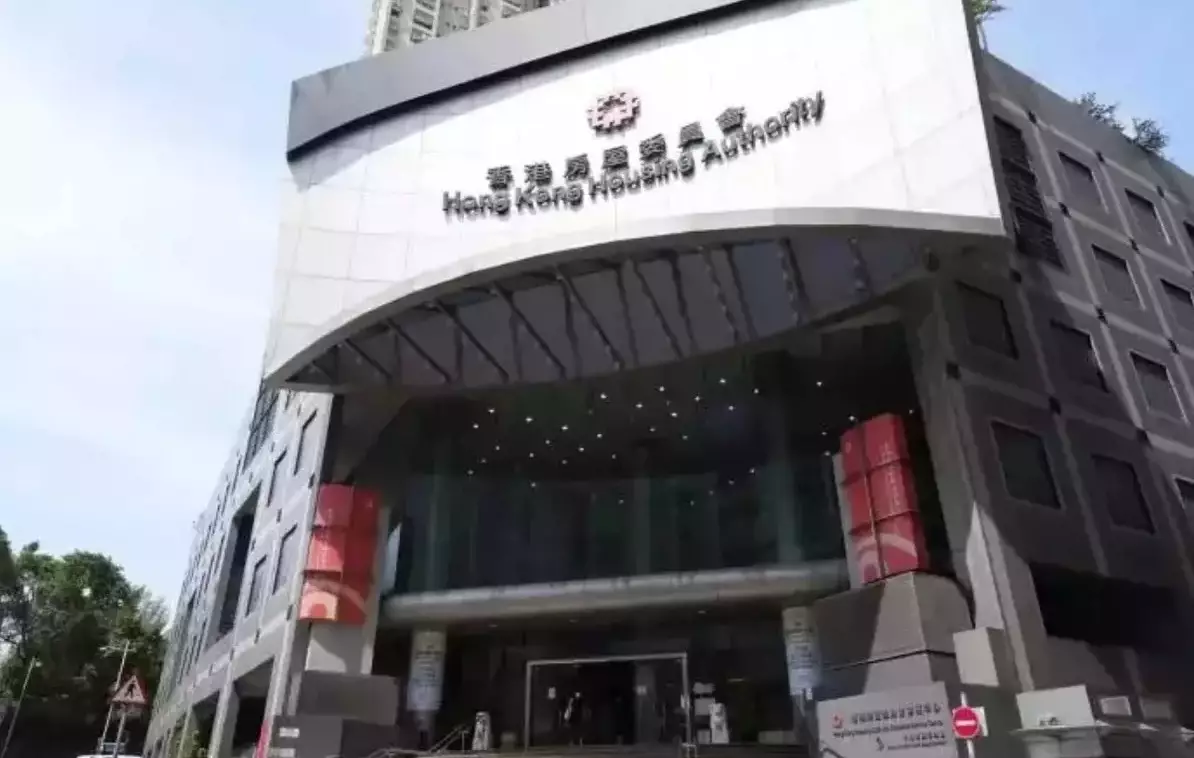
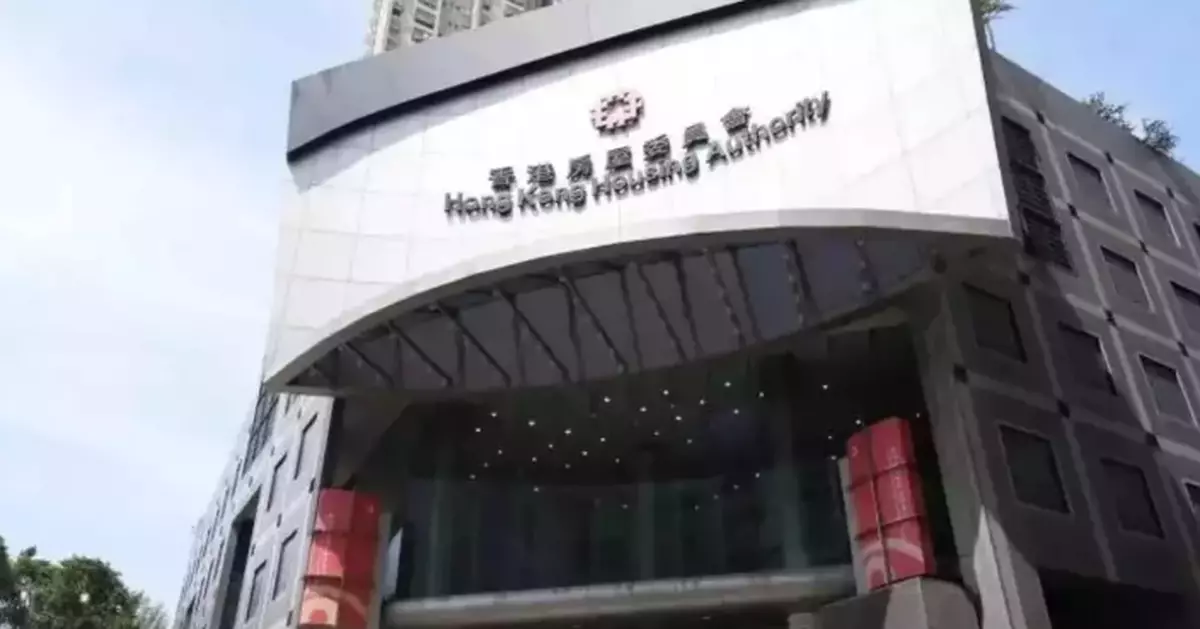
The Hong Kong Housing Authority (HA), Photo source: reference image


The Hong Kong Housing Authority (HA), Photo source: reference image
DH announces latest situation of Legionnaires' disease cases

The Centre for Health Protection (CHP) of the Department of Health (DH) today (February 2) reported the latest number of Legionnaires' disease (LD) cases, and reminded the public of the importance of using and maintaining properly designed man-made water systems, adding that susceptible groups should strictly observe relevant precautions.

From January 25 to 31, the CHP recorded one community-acquired and one imported LD case. Both patients involved had underlying illnesses. The details of the cases are as follows:

  • a 57-year-old male patient living in Yuen Long District, classified as a community-acquired case; and

  • an 82-year-old male patient who travelled to Australia during the incubation period, classified as an imported case.

The CHP is conducting epidemiological investigations to identify potential sources of infection and high-risk exposure. Initial investigations revealed that these are sporadic cases. No epidemiological linkages have been established between these two cases and other confirmed cases previously recorded in Hong Kong.

As of January 31, seven LD cases had been recorded this year. In 2025 and 2024, there were 167 and 135 LD cases respectively.

Men, people aged over 50, smokers, alcoholics and persons with weakened immunity are more susceptible to LD. Some situations may also increase the risk of infection, including poor maintenance of water systems; living in areas with old water systems, cooling towers or fountains; using electric water heaters, whirlpool spas or hot water spring spas; and recent stays in hotels or ships.

Legionellae are found in various environmental settings and grow well in warm water (20 to 45 degrees Celsius). They can be found in aqueous environments such as water tanks, hot and cold water systems, cooling towers, whirlpool spas, water fountains, humidifiers and home respiratory devices that support breathing. People may become infected when they breathe in contaminated droplets (aerosols) and mist generated by artificial water systems, or when handling garden soil, compost and potting mixes.

Immunocompromised persons should:

  • Use sterile or boiled water for drinking, tooth brushing and mouth rinsing;

  • Avoid using humidifiers, or other mist- or aerosol-generating devices; and

  • If using humidifiers, or other mist- or aerosol-generating devices, fill the water tank with only sterile or cooled freshly boiled water, and not water directly from the tap. Also, clean and maintain humidifiers/devices regularly according to manufacturers' instructions. Never leave stagnant water in a humidifier/device. Empty the water tank, wipe all surfaces dry, and change the water daily.

The public should observe the health advice below:

  • Observe personal hygiene;

  • Do not smoke and avoid alcohol consumption;

  • Strainers in water taps and shower heads should be inspected, cleaned, descaled and disinfected regularly or at a frequency recommended by the manufacturer;

  • If a fresh-water plumbing system is properly maintained, it is not necessary to install domestic water filters. Use of water filters is not encouraged as clogging occurs easily, which can promote growth of micro-organisms. In case water filters are used, the pore size should be 0.2 micrometres (µm) or less and the filter needs to be changed periodically according to the manufacturer's recommendations;

  • Drain and clean water tanks of buildings at least quarterly;

  • Drain or purge for at least one minute infrequently used water outlets (e.g. water taps, shower heads and hot water outlets) and stagnant points of the pipework weekly or before use;

  • Seek and follow doctors' professional advice regarding the use and maintenance of home respiratory devices and use only sterile water (not distilled or tap water) to clean and fill the reservoir. Clean and maintain the device regularly according to the manufacturer's instructions. After cleaning/disinfection, rinse the device with sterile water, cooled freshly boiled water or water filtered with 0.2 µm filters. Never leave stagnant water in the device. Empty the water tank, keep all surfaces dry, and change the water daily; and

  • When handling garden soil, compost and potting mixes:

  • Wear gloves and a face mask;

  • Water gardens and compost gently using low pressure;

  • Open composted potting mixes slowly and make sure the opening is directed away from the face;

  • Wet the soil to reduce dust when potting plants; and

  • Avoid working in poorly ventilated places such as enclosed greenhouses.

The public may visit the CHP's LD page, the Code of Practice for Prevention of LD and the Housekeeping Guidelines for Cold and Hot Water Systems for Building Management of the Prevention of LD Committee, and the CHP's risk-based strategy for prevention and control of LD.

Additionally, as smokers and alcoholics are more susceptible to LD, the Government urgesmembers of the public to quit smoking and avoid drinking. Members of the public may call the DH Integrated Smoking Cessation Hotline at 1833 183, which is answered by registered nurses who provide professional counselling and referral to a wide range of free smoking cessation services. The public may also visit the smoking cessation thematic website (www.livetobaccofree.hk) for more information on smoking cessation. The DH has also launched the Pilot Alcohol Cessation Counselling Service, which provides free counselling to people identified as having probable alcohol dependence, through a subvented non-governmental organisation, the Tung Wah Group of Hospitals (TWGHs). Information on the service has been uploaded to the DH's Change for Healthwebsite. Eligible persons who are interested can call the enquiry hotline of the TWGHs (2884 9876).

The Centre for Health Protection (CHP), Photo source: reference image

The Centre for Health Protection (CHP), Photo source: reference image

Recommended Articles