The U.S. military buildup in the Gulf has heightened anxiety in Iran, with Tehran warning of severe consequences as tensions escalate.
On Iranian television and radio, talk of diplomacy is mixed with speculation about war, including the possibility of a U.S. strike.
The constant uncertainty has left many citizens anxious, among them Mohammad, a street vendor in Tehran who says daily life is defined by stress and rising prices.
"Our life is stress. Every day there is anxiety and worry, and everything is just getting more expensive. Anything you buy, you have to buy it tomorrow for twice the price, and everyone's power has decreased. Income is in rials, but expenses have become dollars. We have no opinion about a possible attack. We are only stressed and worried about our families," Mohammad said.
The Trump administration deployed an aircraft carrier strike group and multiple warships to the Middle East in late January, with the U.S. leader continuing to send warnings to Tehran.
On Monday, the Israeli military announced that Israeli and U.S. naval forces conducted a joint exercise in the Red Sea a day earlier. The drill is part of the ongoing strategic coordination between the Israeli Navy and the U.S. 5th Fleet, which oversees maritime operations in the Red Sea, Gulf of Aden, and Gulf of Oman, the Israeli military added.
In response to the military buildup, Iran's Armed Forces' Chief of Staff Abdolrahim Mousavi warned that Tehran's response to "the slightest mistake" by the United States could trigger a regional war, according to official news agency IRNA. He said Iran cannot be "blockaded" and any attack would have severe consequences for U.S. forces and their allies.

US military buildup heightens anxiety in Iran amid escalating tensions
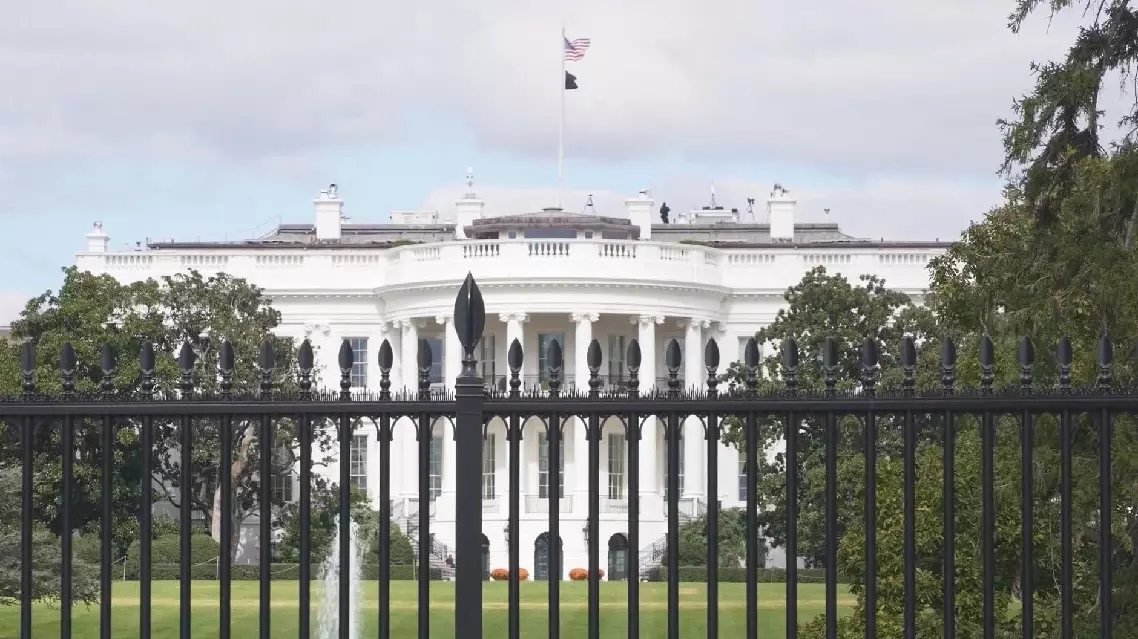
The United States and India have reached a trade deal, under which the U.S. will lower its "reciprocal" tariffs on India from 25 percent to 18 percent, U.S. President Donald Trump announced Monday.
India will likewise cut tariffs and non-tariff barriers against the United States, Trump said in his social media post.
"The prime minister also committed to 'buy American,' at a much higher level, in addition to over 500 billion dollars of U.S. energy, technology, agricultural, coal, and many other products," Trump said.
Indian Prime Minister Narendra Modi has agreed to "stop buying Russian Oil, and to buy much more from the United States and, potentially, Venezuela," Trump added.
Besides the 25-percent "reciprocal" tariffs, Trump also imposed an additional 25 percent tariff in 2025 purportedly as a punishment for India's purchase of Russian oil.
A White House spokesperson confirmed to CNN that Trump will also completely lift the additional 25 percent tariff imposed to force India to stop purchasing Russian oil.
The White House has not yet released an official announcement on this matter.
On the same day, Modi said on X (formerly twitter) that he is "delighted that Made in India products will now have a reduced tariff of 18 percent."
Trump signed an executive order on July 31, 2025, subjecting Indian goods imported into the United States to a 25 percent tariff starting Aug. 7.
On Aug. 6, 2025, Trump signed another executive order that the U.S. would impose an additional 25 percent tariff on India for it is "currently directly or indirectly importing Russian Federation oil."
India and the United States had already committed to negotiations on a bilateral trade agreement as early as February 2025. However, differences in positions, particularly regarding oil procurement, have delayed the finalization of any trade deal between the two nations.
U.S. lowers tariffs on India under trade deal