FORT PIERCE, Fla. (AP) — A man convicted of trying to assassinate President Donald Trump on a Florida golf course in 2024 was sentenced Wednesday to life in prison after a federal prosecutor said his crime was unacceptable “in this country or anywhere.”
U.S. District Judge Aileen Cannon pronounced Ryan Routh’s fate in the same Fort Pierce courtroom that erupted into chaos in September when he tried to stab himself shortly after jurors found him guilty on all counts.
“American democracy does not work when individuals take it into their own hands to eliminate candidates. That’s what this individual tried to do” Assistant U.S. Attorney John Shipley told the judge.
Defense attorney Martin L. Roth argued that “at the moment of truth, he chose not to pull the trigger.”
The judge pushed back, noting Routh’s history of arrests, to which Roth said, “He’s a complex person, I’ll give the court that, but he has a very good core.”
Routh then read from a rambling, 20-page statement. Cannon broke in, said none of what he was saying was relevant and gave him five more minutes to talk.
“I did everything I could and lived a good life,” Routh said, before the judge cut him off.
“Your plot to kill was deliberate and evil,” she said. “You are not a peaceful man. You are not a good man.”
She then issued his sentence: Life without parole, plus seven years on a gun charge. His sentences for his other three crimes will run concurrently.
In a statement on the social platform X, U.S. Attorney General Pam Bondi thanked prosecutors for ensuring that Routh “will never walk free again.”
“Ryan Routh’s heinous attempted assassination of President Trump was not only an attack on our President — it was a direct assault against our entire democratic system,” Bondi said.
Routh's sentencing was initially scheduled for December. But Cannon agreed to move it back after Routh decided to use an attorney during the sentencing phase, instead of representing himself as he did for most of the trial.
Routh was convicted of trying to assassinate a major presidential candidate, using a firearm in furtherance of a crime, assaulting a federal officer, possessing a firearm as a felon and using a gun with a defaced serial number.
“Routh remains unrepentant for his crimes, never apologized for the lives he put at risk, and his life demonstrates near-total disregard for law,” prosecutors said in their sentencing memo.
His defense attorney had asked for 20 years plus the mandatory seven for the gun conviction.
“The defendant is two weeks short of being sixty years old,” Roth wrote in a filing. “A just punishment would provide a sentence long enough to impose sufficient but not excessive punishment, and to allow defendant to experience freedom again as opposed to dying in prison.”
Prosecutors said Routh spent weeks plotting to kill Trump before aiming a rifle through shrubbery as the Republican presidential candidate played golf on Sept. 15, 2024, at his West Palm Beach country club.
At trial a Secret Service agent helping protect Trump on the golf course testified that he spotted Routh before Trump came into view. Routh aimed his rifle at the agent, who opened fire, causing Routh to drop his weapon and run away without firing a shot.
In the motion requesting an attorney, Routh offered to trade his life in a prisoner swap with people unjustly held in other countries and said an offer still stood for Trump to “take out his frustrations on my face.”
“Just a quarter of an inch further back and we all would not have to deal with all of this mess,” Routh wrote. He added, “but I always fail at everything (par for the course).”
In her decision granting Routh an attorney, Cannon chastised the “disrespectful charade” of Routh's motion, saying it made a mockery of the proceedings. But the judge, nominated by Trump in 2020, said she wanted to err on the side of legal representation.
Cannon signed off last summer on Routh’s request to represent himself. The Supreme Court has held that defendants have the right to represent themselves in court proceedings as long as they can show a judge they are competent to waive their right to an attorney.
Routh’s former federal public defenders served as standby counsel and were present during the trial.
Routh had multiple previous felony convictions, including possession of stolen goods, and a large online footprint demonstrating disdain for Trump. In a self-published book, he encouraged Iran to assassinate him and at one point wrote that as a Trump voter, he must take part of the blame for electing him.
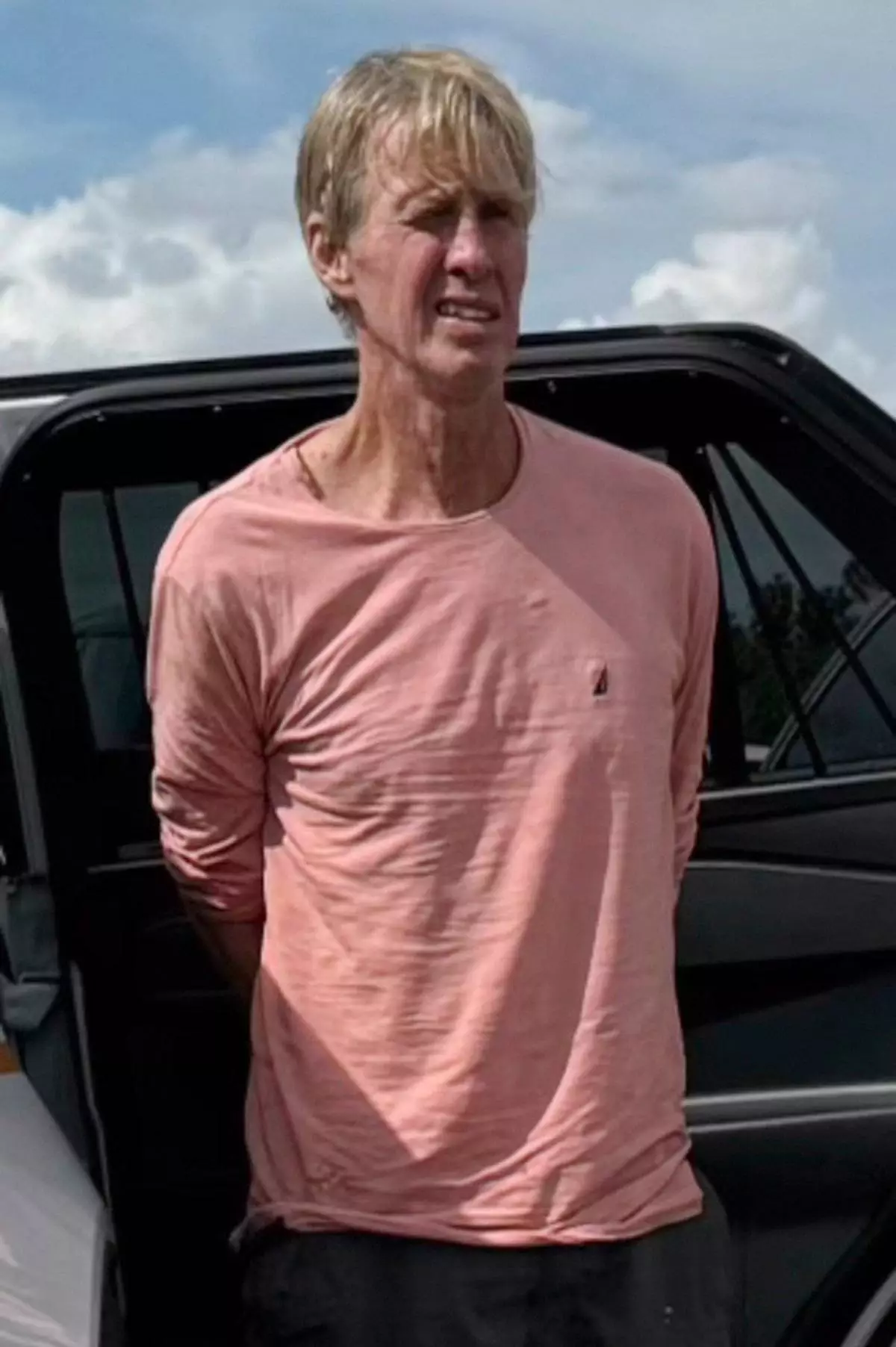
FILE - In this image released by the Martin County, Fla., Sheriff's Office, law enforcement officers arrest Ryan Wesley Routh, a man suspected in an apparent assassination attempt of Donald Trump, Sept. 15, 2024. (Martin County Sheriff's Office via AP, File)
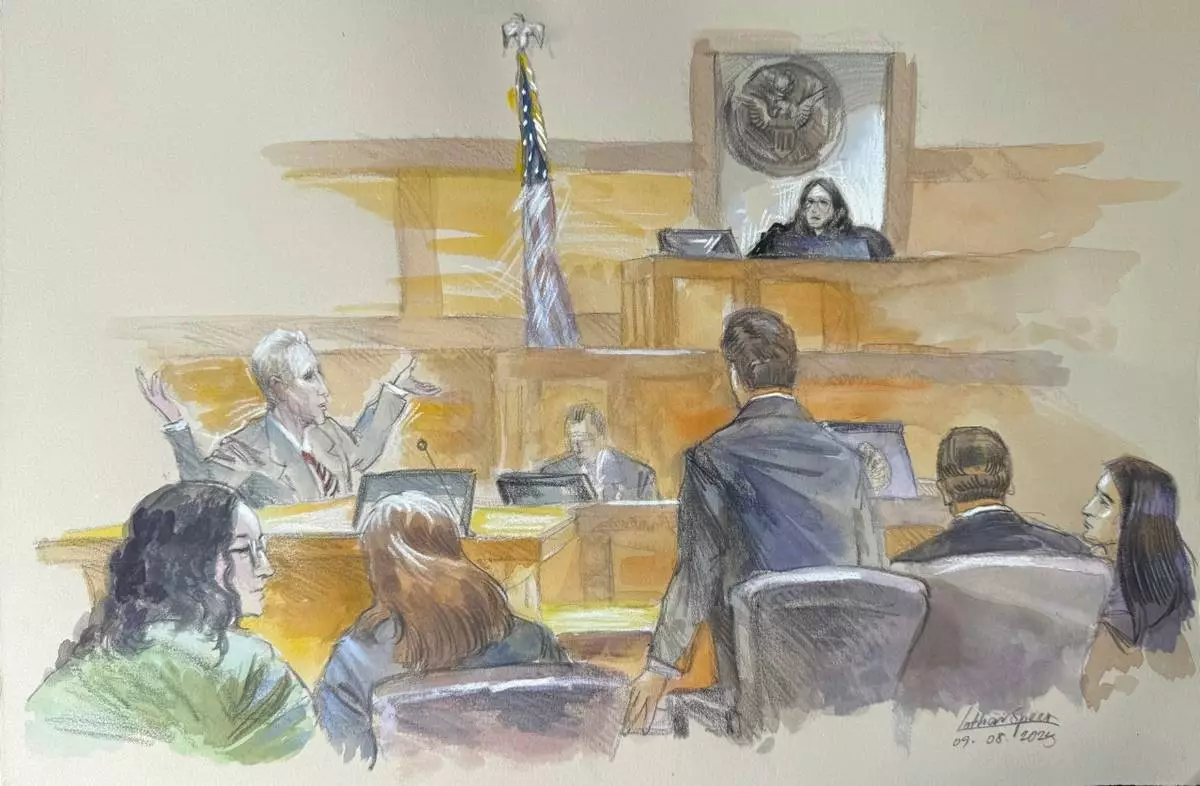
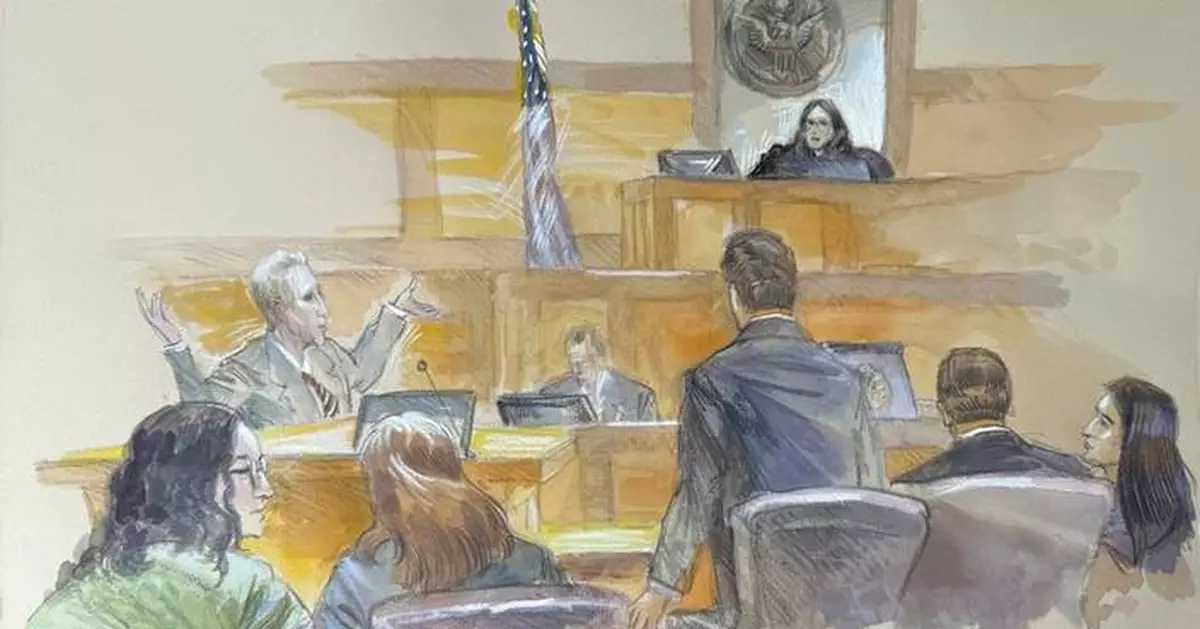
FILE - This courtroom sketch shows Ryan Routh, left, throwing his arms up directed at U.S. District Judge Aileen Cannon in frustration as jury selection begins in the trial of Routh, who is charged with attempting to assassinate Donald Trump last year at a golf course in South Florida, Monday, Sept. 8, 2025, in Fort Pierce, Fla. (Lothar Speer via AP, File)
NASHVILLE, Tenn. (AP) — A new Tennessee law has eased up on two longstanding financial hurdles for people with felony sentences who want their voting rights back, including a unique requirement among states that they must have fully paid their child support costs.
The Republican-supermajority Legislature approved the Democratic-sponsored change, which now lets people prove they have complied for the last year with child support orders, such as payment plans. The legislation also unties the payment of all court costs from voting rights restoration.
Advocates for years have sought various changes to Tennessee’s voting rights restoration system at the statehouse and in court. They say loosening these two rules marks the biggest rollback of restrictions to voting rights restoration in decades.
“This is huge and this is history,” said Keeda Haynes, senior attorney for the advocacy group Free Hearts led by formerly incarcerated women like her.
Most Republicans voted for it and Democrats supported it unanimously. The law took effect immediately upon Republican Gov. Bill Lee's signature last week.
“I think people are at a point where they want to just remove the barriers out of the way and allow people to be fully functional members of society,” said Democratic House Minority Leader Karen Camper, a bill sponsor.
In 2023 and early 2024, the state decided that the system did require going to court or showing proof of a pardon, not just a paperwork process, and that gun rights were required to restore the right to vote. Election officials said a court ruling made the changes necessary, though voting rights advocates said officials misinterpreted the order.
Last year, lawmakers untangled voting and gun rights. But voting rights advocates opposed some of the bill's other provisions, such as keeping the process in the courts, where costs can rack up if someone isn't ruled indigent.
Easing up on the financial requirements uncommonly split legislative Republicans. For instance, Senate Speaker Randy McNally voted against it, while House Speaker Cameron Sexton supported it, noting that people aren't getting forgiveness on making their payments.
“They need to continue paying that, and as long as they do, then there’s a possibility (to restore their voting rights)," Sexton said. "I really think that’s harder for people to argue against than maybe what something else was.”
Republican Rep. Johnny Garrett, who voted no, said in committee his vote would hinge on whether “there still can be an (child support) arrearage owed beyond that 12 months.”
For some, backed-up child support payments could reach hundreds or thousands of dollars, and court costs could be hundreds or thousands more, said Gicola Lane, Campaign Legal Center's Restore Your Vote community partnership senior manager.
Advocates credited their narrowed focus, omitting goals such as automatic restoration of rights, no longer tying restitution payments to voting rights, or offering a path for certain people to restore their right who are permanently disenfranchised, including those convicted of voter fraud or most murder charges.
The bill passed the Senate last year and the House this year.
Lawmakers gave the child support requirement final passage in 2006 within an overhaul bill that also created a voting rights restoration process outside of court. Critics said the child support rule penalized impoverished parents.
Democrats were then narrowly hanging onto legislative leadership in both chambers. Republicans held a slim Senate majority but GOP defectors voted for a Democratic speaker.
Last year marked the dismissal of a nearly five-year-old federal lawsuit over Tennessee’s voting-rights restoration system. Free Hearts and the Campaign Legal Center represented plaintiffs in the long-delayed case, which saw some election policy changes along the way.
Roughly 184,000 people have completed supervision for felonies and their offenses don't preclude them from restoring their voting rights, according to a plaintiffs expert’s 2023 estimate in the lawsuit. About one in 10 were estimated to have outstanding child support payments, and more than six in 10 owed court courts, restitution or both, the expert said.
Both Republican and Democratic-led states have eased the voting rights restoration process in recent years. Some states have added complexities.
In Florida, after voters approved a constitutional amendment in 2018 restoring the right to vote for people with felony convictions, the Republican-controlled Legislature watered that down by requiring payment of fines, fees and court costs.
Voting rights are automatically restored upon release in nearly half of states. In 15 others, it occurs after parole, probation or a similar period and sometimes requires paying outstanding court costs, according to the National Conference of State Legislatures. In Maine and Vermont, people with felonies keep their voting rights in prison, the NCSL says.
Ten other states including Tennessee require additional government action. Virginia ’s governor must intervene to restore voting rights of people convicted of felonies. In some states, including Tennessee, certain conviction types render someone ineligible.
However, Virginia lawmakers this year have passed a proposed state constitutional amendment to ask voters whether they want automatic voting rights restoration after someone is released from prison. Kentucky lawmakers have proposed a similar change for voters' consideration that would automatically restore voting rights after certain completed sentences, including probation.
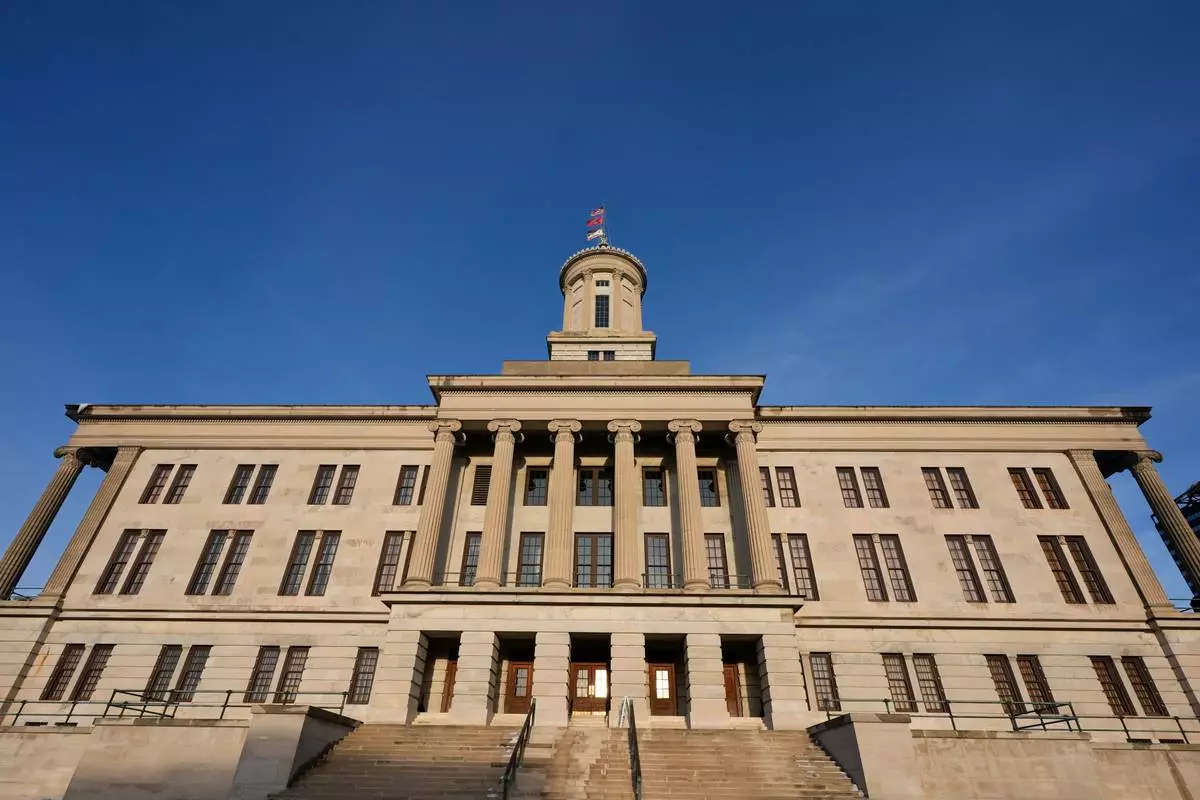
FILE - The Tennessee Capitol is seen, Jan. 22, 2024, in Nashville, Tenn. (AP Photo/George Walker IV, File)