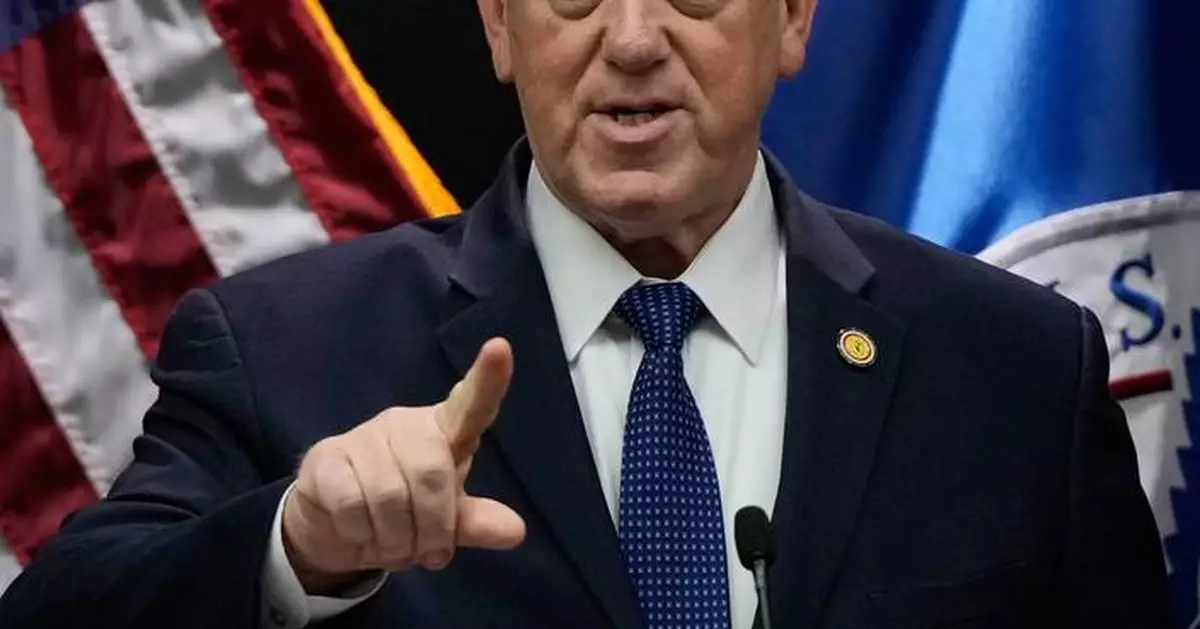
MINNEAPOLIS (AP) — The Trump administration is reducing the number of immigration officers in Minnesota but will continue its enforcement operation that has sparked weeks of tensions and deadly confrontations, border czar Tom Homan said Wednesday.
About 700 federal officers — roughly a quarter of the total deployed to Minnesota — will be withdrawn immediately after state and local officials agreed over the past week to cooperate by turning over arrested immigrants, Homan said.
Click to Gallery
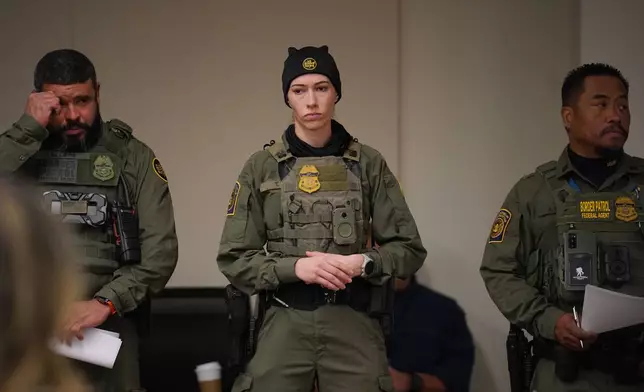
Federal agents look on as White House border czar Tom Homan holds a news conference at the Bishop Whipple Federal building on Wednesday, Feb. 4, 2026 in Minneapolis. (AP Photo/Ryan Murphy)
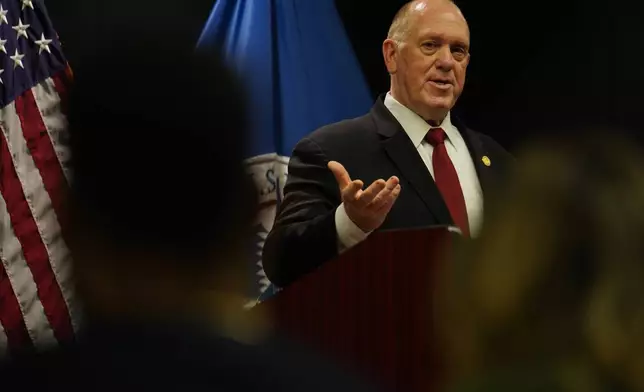
White House border czar Tom Homan holds a news conference at the Bishop Whipple Federal building on Wednesday, Feb. 4, 2026 in Minneapolis. (AP Photo/Ryan Murphy)
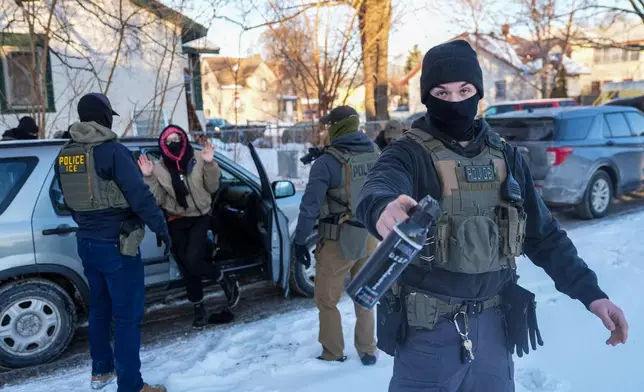
Activists are approached by federal agents for following agent vehicles, on Tuesday, Feb. 3, 2026, in Minneapolis. (AP Photo/Ryan Murphy)
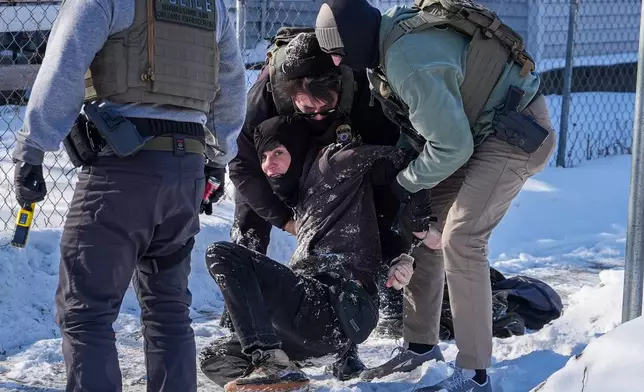
An person is detained by federal agents on Tuesday, Feb. 3, 2026, in Minneapolis. (AP Photo/Ryan Murphy)
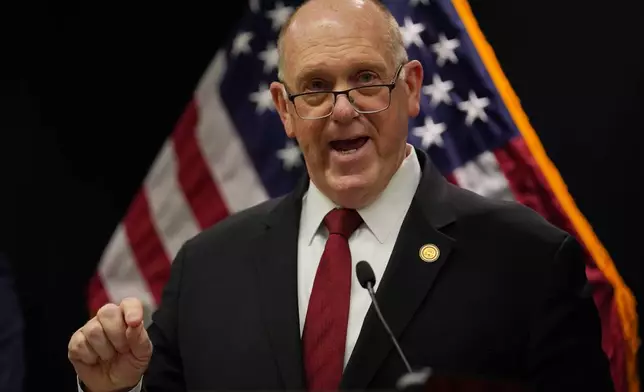
White House border czar Tom Homan holds a news conference at the Bishop Whipple Federal building on Wednesday, Feb. 4, 2026 in Minneapolis. (AP Photo/Ryan Murphy)
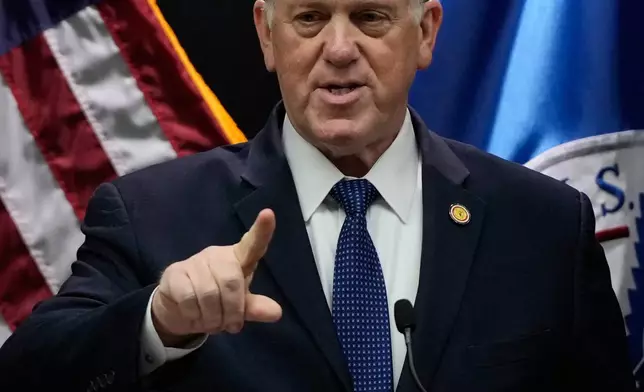
White House border czar Tom Homan holds a news conference at the Bishop Whipple Federal building on Thursday, Jan. 29, 2026 in Minneapolis. (AP Photo/Julia Demaree Nikhinson)
But he did not provide a timeline for when the administration might end the operation that has become a flashpoint in the debate over President Donald Trump’s mass deportation efforts since the fatal shootings of U.S. citizens Renee Good and Alex Pretti in Minneapolis.
Immigration and Customs Enforcement officials have said the surge in Minnesota that ramped up dramatically in early January is its “largest immigration operation ever.” Masked, heavily armed officers have been met by resistance from residents who are upset with their aggressive tactics.
A widespread pullout, Homan said, will only occur after protesters stop interfering with federal agents carrying out arrests and setting up roadblocks to impede the operations. About 2,000 officers will remain in the state after this week's drawdown, he said.
“Given this increase in unprecedented collaboration, and as a result of the need for less public safety officers to do this work and a safer environment, I am announcing, effective immediately, we’ll draw down 700 people effective today — 700 law enforcement personnel,” Homan said during a news conference.
He didn't say which jurisdictions have been cooperating with the Department of Homeland Security.
Trump's border czar took over the Minnesota operation in late January after the second fatal shooting by federal officers and amid growing political backlash and questions about how the operation was being run.
Homan said right away that federal officials could reduce the number of agents in Minnesota, but only if more state and local officials cooperate. He pushed for jails to alert ICE to inmates who could be deported, saying transferring such inmates to ICE is safer because it means fewer officers have to be out looking for people in the country illegally.
The Trump administration has long complained that places known as sanctuary jurisdictions — a term generally applied to local governments that limit law enforcement cooperation with DHS — hinder the arrest of criminal immigrants.
Minnesota officials say its state prisons and nearly all of the county sheriffs already cooperate with immigration authorities.
But the county jails that serve Minneapolis and St. Paul and take in the most inmates had not previously met ICE’s idea of full cooperation, although they both hand over inmates to federal authorities if an arrest warrant has been signed by a judge. It wasn’t immediately clear after Homan’s remarks whether those jails have since changed their policies.
Homan said he thinks the ICE operation in Minnesota has been a success, checking off a list of people wanted for violent crimes who were taken off the streets.
“I think it’s very effective as far as public safety goes,” he said Wednesday. “Was it a perfect operation? No.”
He also made clear that pulling a chunk of federal officers out of Minnesota isn't a sign that the administration is backing down. “We are not surrendering the president’s mission on a mass deportation operation,” Homan said.
“You’re not going to stop ICE. You’re not going to stop Border Patrol,” Homan said about the ongoing protests. “The only thing you’re doing is irritating your community”
Associated Press reporters Corey Williams in Detroit and John Seewer in Toledo, Ohio, contributed.
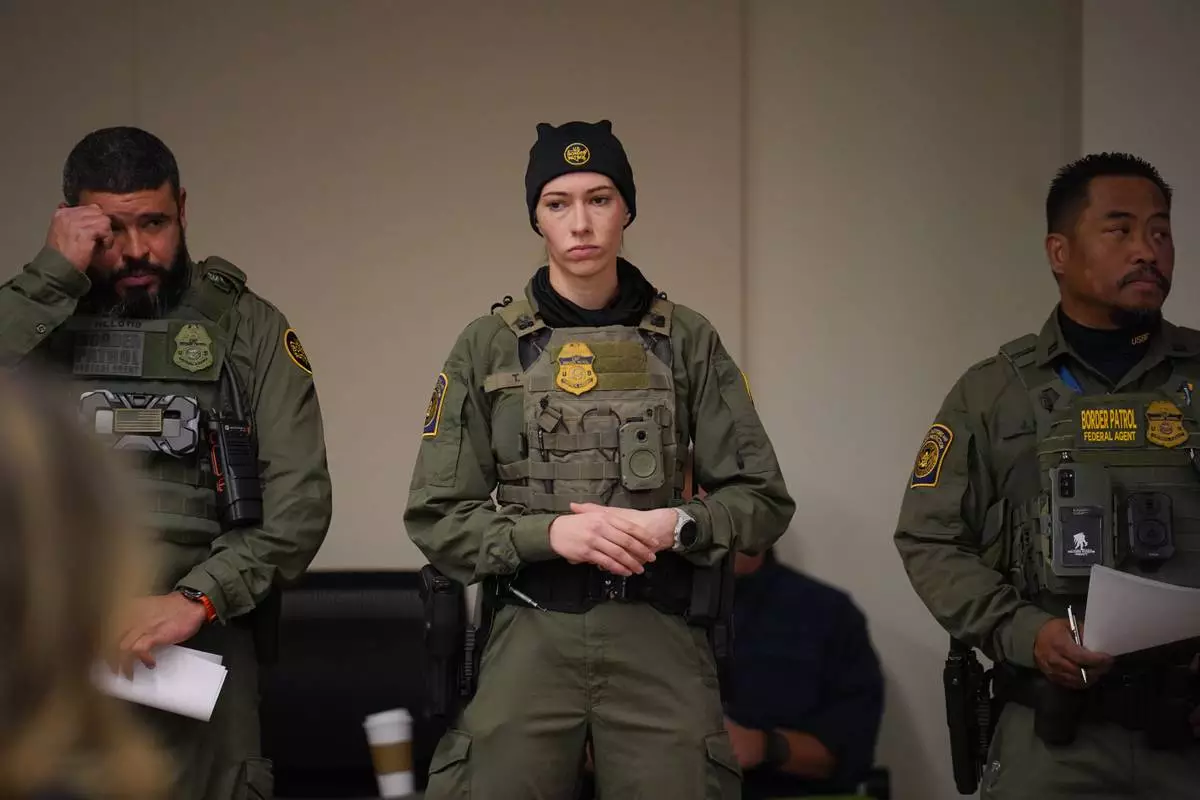
Federal agents look on as White House border czar Tom Homan holds a news conference at the Bishop Whipple Federal building on Wednesday, Feb. 4, 2026 in Minneapolis. (AP Photo/Ryan Murphy)
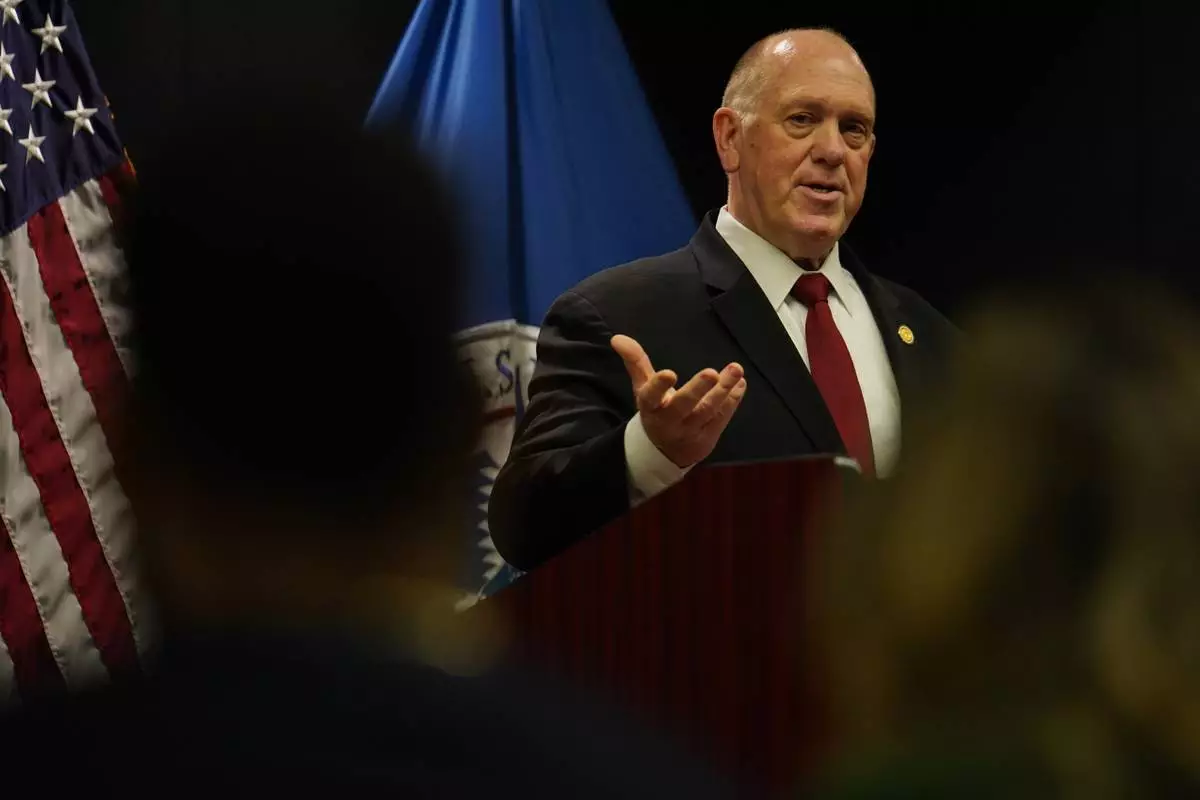
White House border czar Tom Homan holds a news conference at the Bishop Whipple Federal building on Wednesday, Feb. 4, 2026 in Minneapolis. (AP Photo/Ryan Murphy)
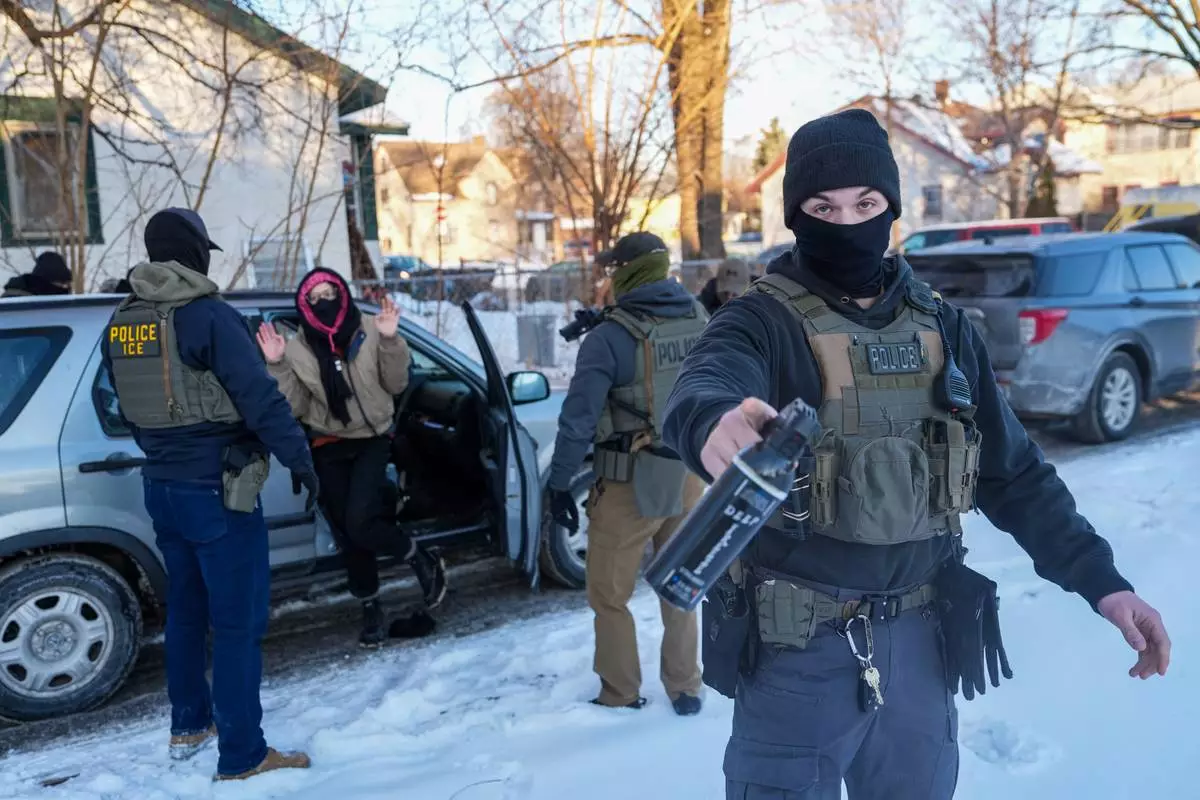
Activists are approached by federal agents for following agent vehicles, on Tuesday, Feb. 3, 2026, in Minneapolis. (AP Photo/Ryan Murphy)
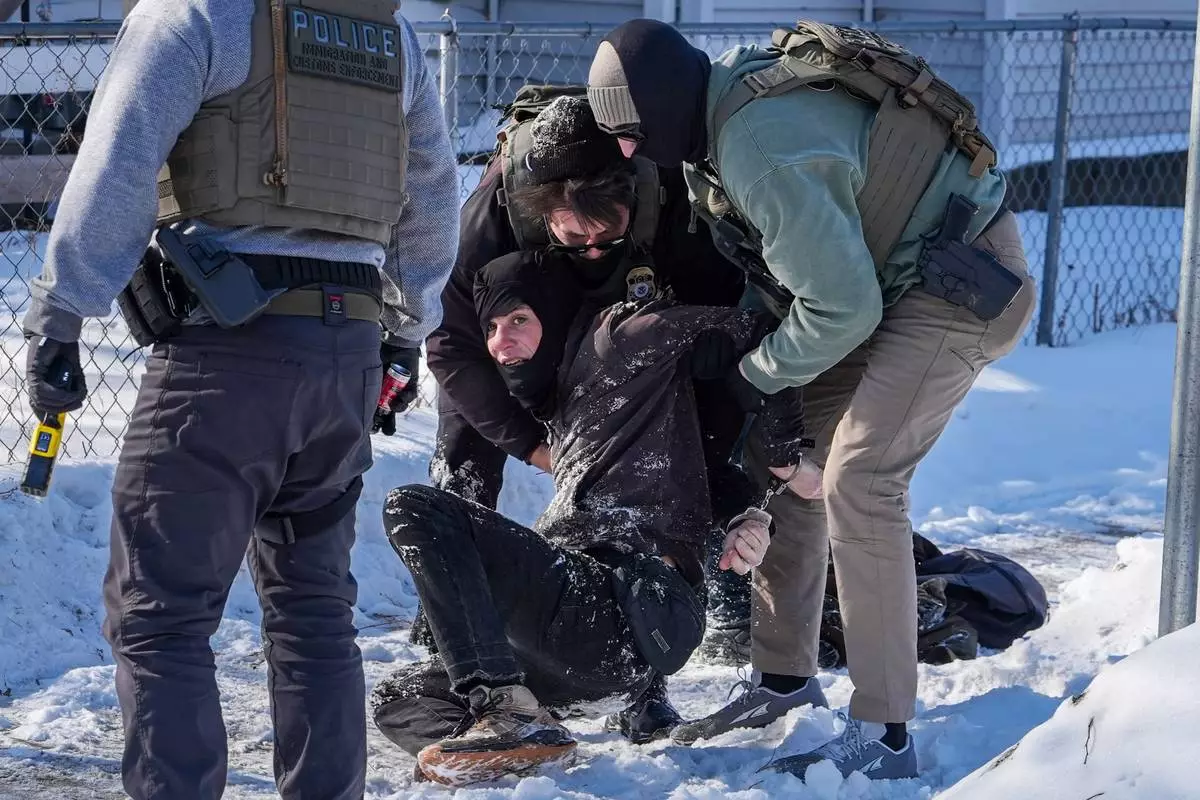
An person is detained by federal agents on Tuesday, Feb. 3, 2026, in Minneapolis. (AP Photo/Ryan Murphy)
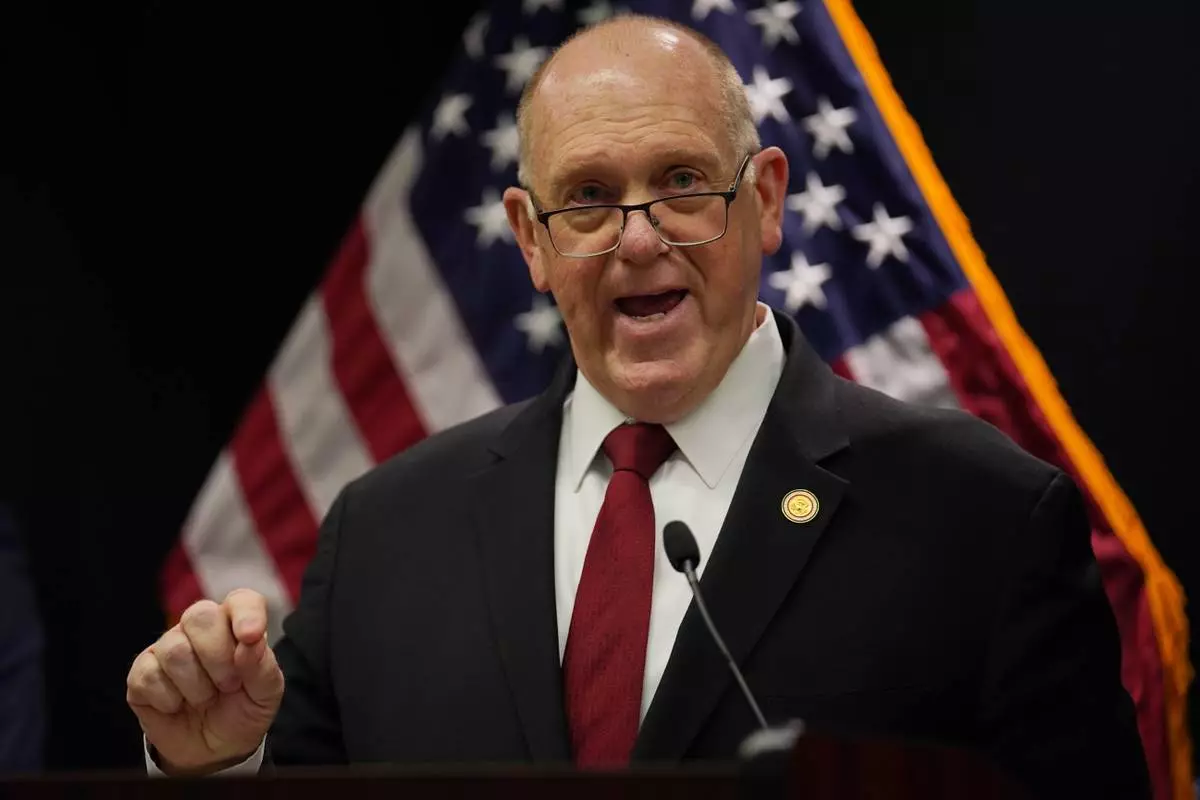
White House border czar Tom Homan holds a news conference at the Bishop Whipple Federal building on Wednesday, Feb. 4, 2026 in Minneapolis. (AP Photo/Ryan Murphy)
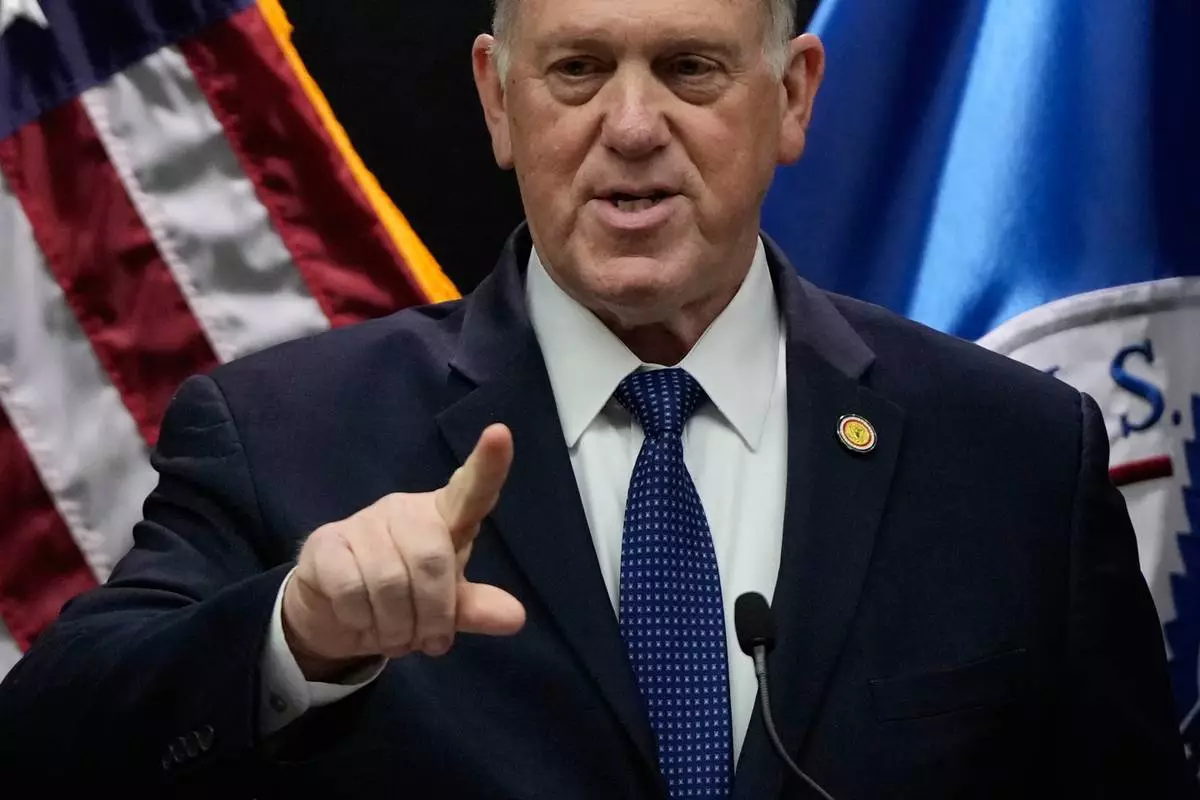
White House border czar Tom Homan holds a news conference at the Bishop Whipple Federal building on Thursday, Jan. 29, 2026 in Minneapolis. (AP Photo/Julia Demaree Nikhinson)